Gary Saretzky Photo Books
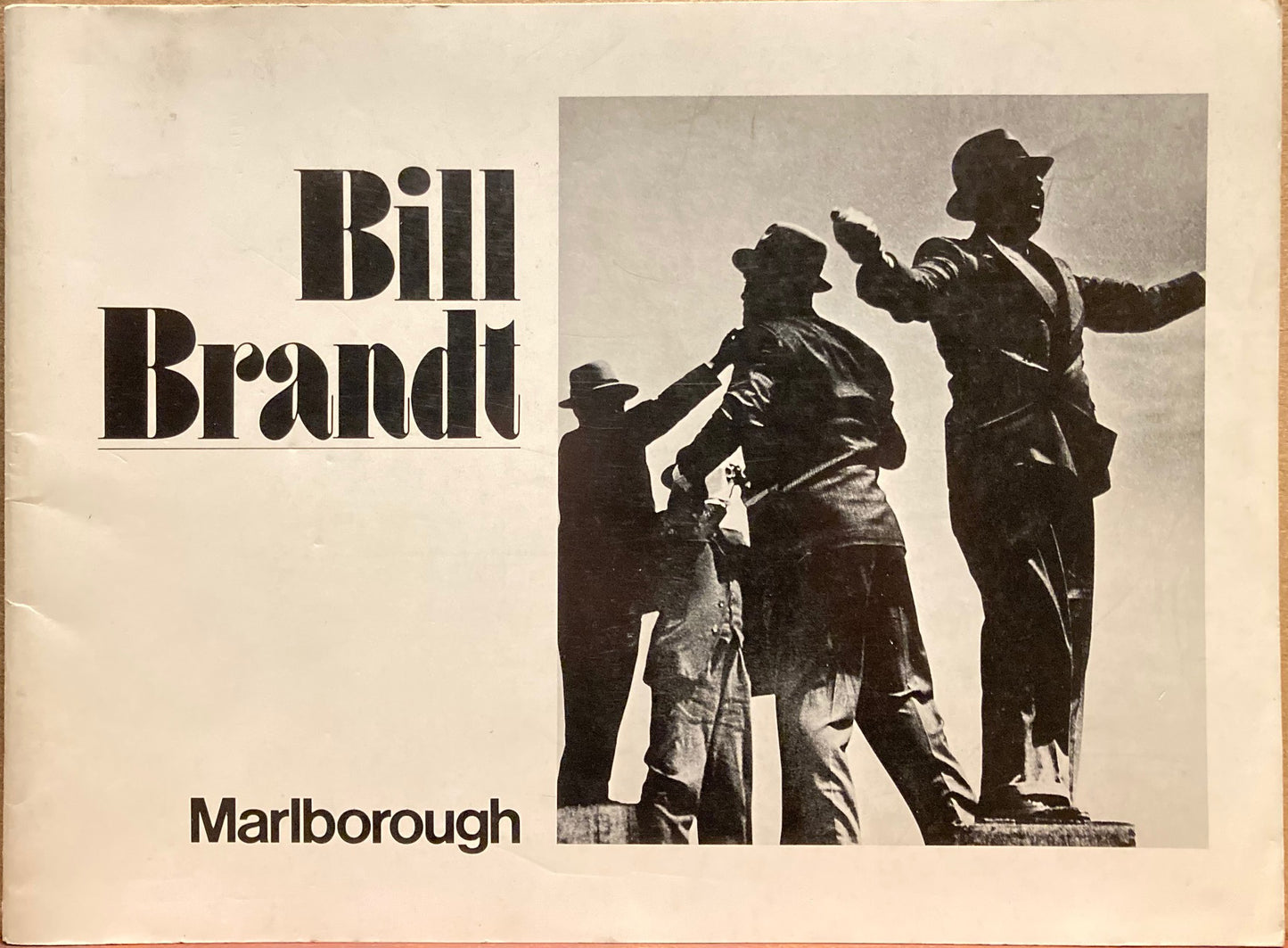
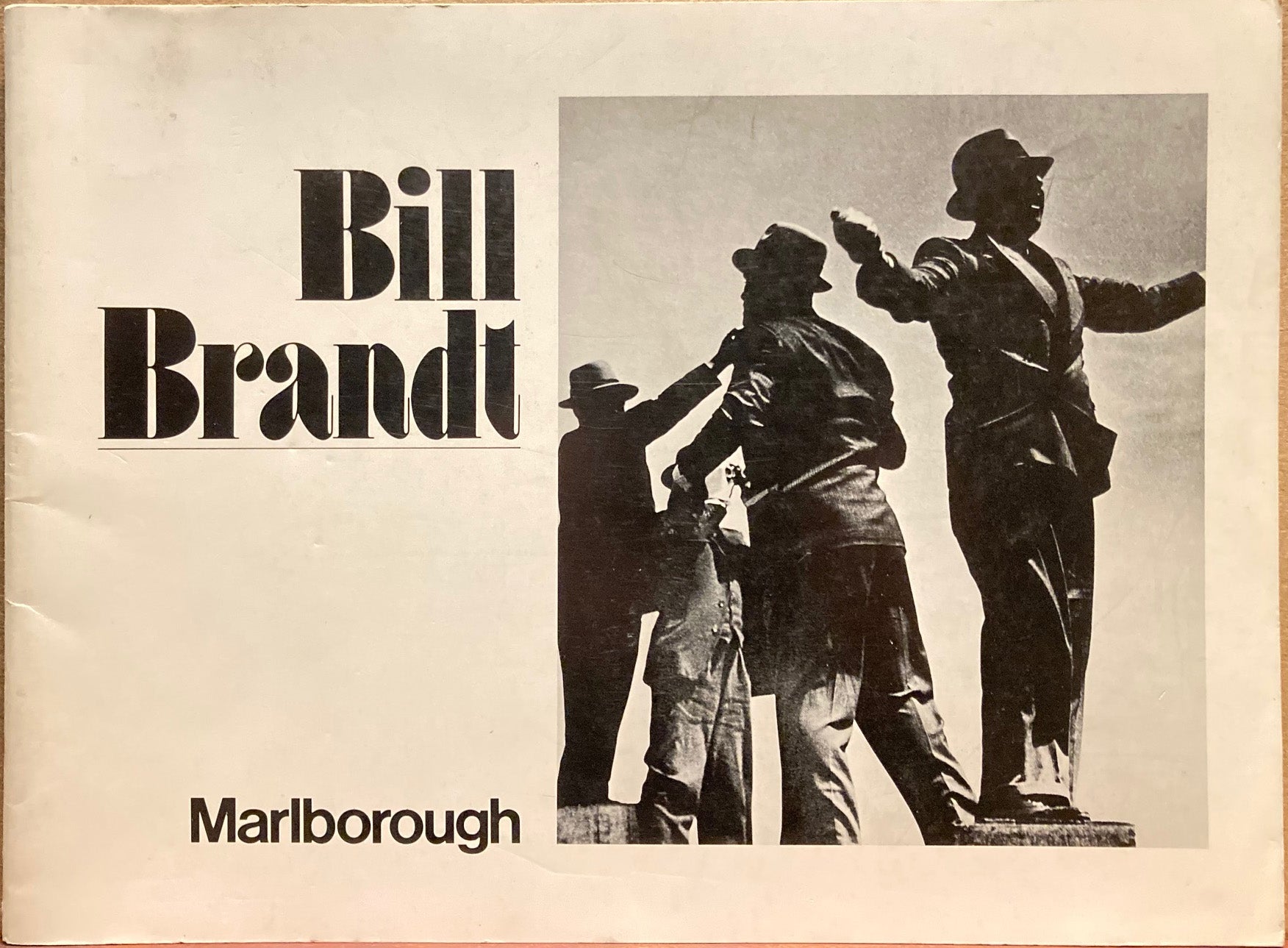
Brandt. Bill. Bill Brandt. Marlborough Gallery, New York, March 27-April 17, 1976.
Brandt. Bill. Bill Brandt. Marlborough Gallery, New York, March 27-April 17, 1976.
Couldn't load pickup availability
Essay by Norman Hall. Wraps, unpaginated, with many illustrations selected from the 80 photographs in the exhibit. Very good in wraps, with some small indentations on front cover and corner crease on back cover. Summary:
Bill Brandt (Marlborough Gallery, New York, March 27 – April 17, 1976) was a major solo exhibition catalog surveying the career of the influential British photographer Bill Brandt.
Overview & Highlights
-
Exhibition Scope: Presented a wide-ranging retrospective of Brandt’s career, organized by Marlborough Gallery to highlight his distinct aesthetic evolution across multiple decades.
-
Core Subject Matter: Featured his early social documentary studies of British class dynamics from the 1930s, dramatic wartime images of London during the Blitz, evocative landscapes of northern England and the literary countryside, and his renowned wide-angle female nudes.
-
Catalog Format: Accompanied by a sleek exhibition publication containing high-quality plate reproductions that emphasized Brandt’s signature high-contrast printing style and surrealist tonal balance.
Bill Brandt (1904–1983) was a British photographer celebrated as one of the most influential figures in 20th-century photography. Born in Hamburg, Germany, to an Anglo-German family, he studied photography in Vienna and briefly worked in Man Ray's Paris studio during the late 1920s, absorbing Surrealist influences before settling in England in the 1930s. Brandt established his career by documenting the English social spectrum, publishing landmark books such as The English at Home (1936) and A Night in London (1938), alongside photojournalism for major magazines like Lilliput and Picture Post. During World War II, he captured iconic images of blacked-out London streets and underground air-raid shelters. In the post-war period, Brandt pivoted toward expressionistic landscape studies, literary portraits, and a famous series of starkly distorted female nudes taken with extreme wide-angle lenses, solidifying a legacy defined by atmospheric depth, high contrast, and surrealist vision.