Gary Saretzky Photo Books
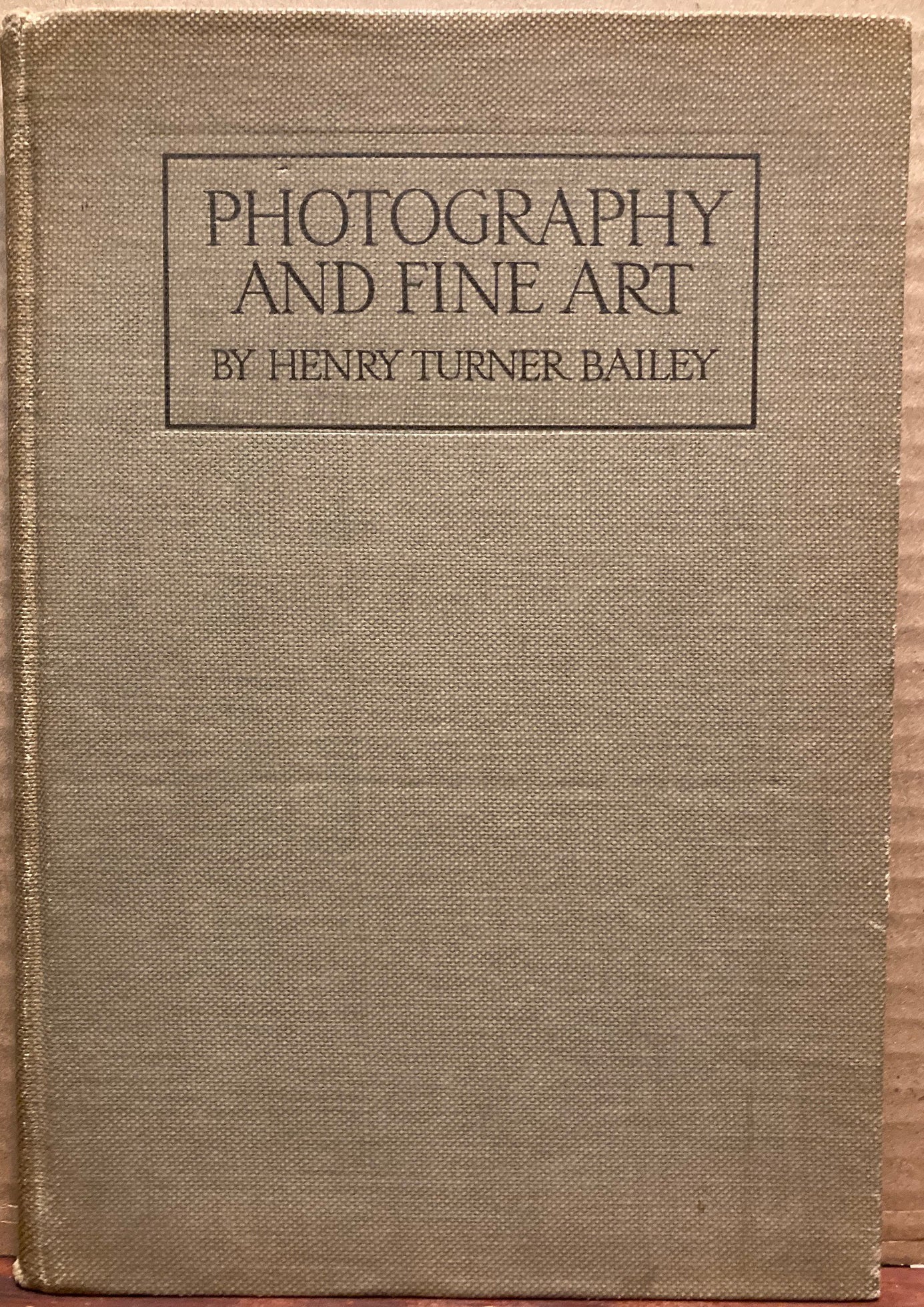
Photography and Fine Art by Henry Turner Bailey.
Photography and Fine Art by Henry Turner Bailey.
Couldn't load pickup availability
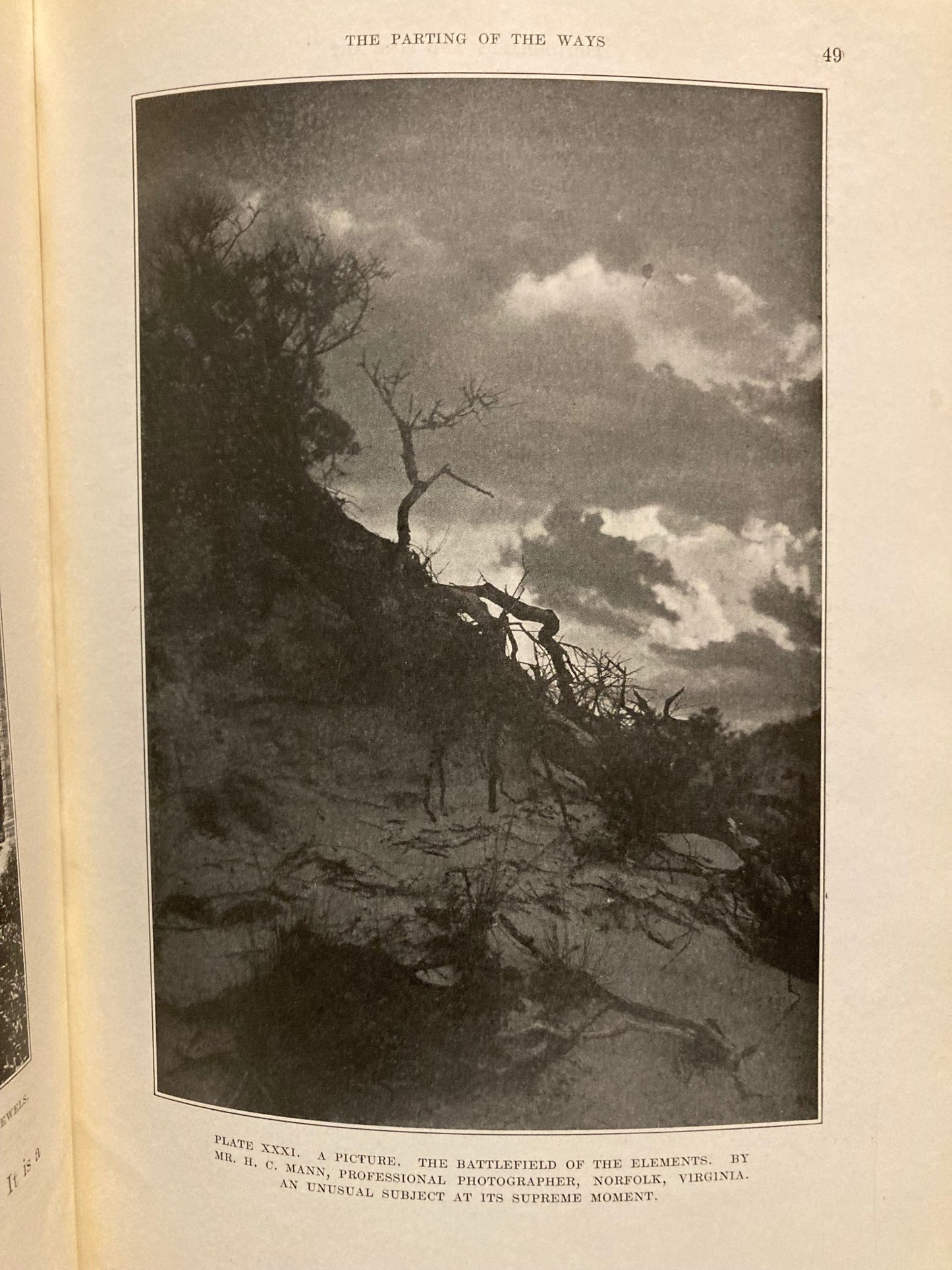
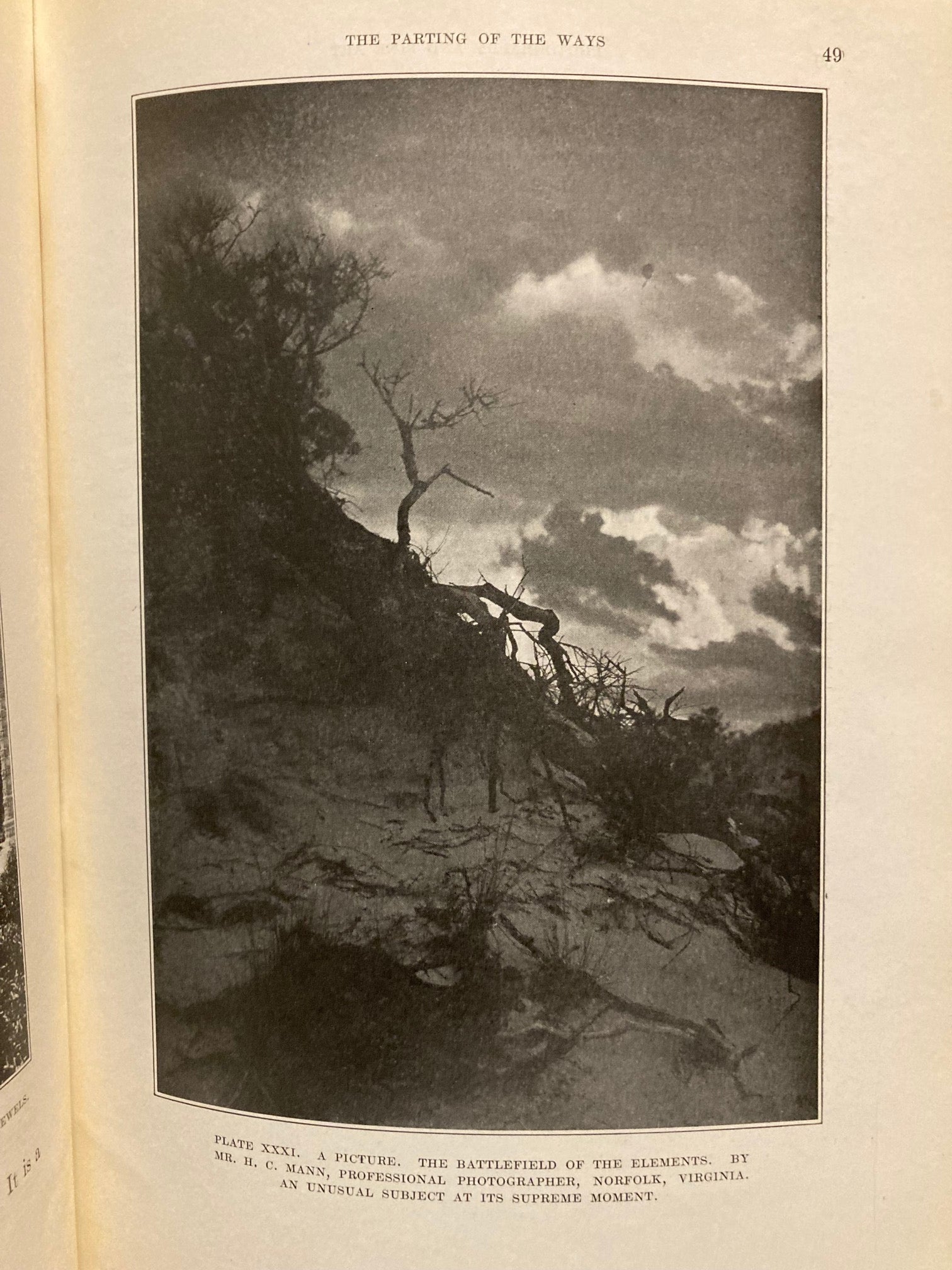
Worcester, MA: Davis Press, 1918. [Revision of a series of articles that first appeared in School Arts Magazine, edited by Henry Turner Bailey. Bailey was one of the most prominent design educators of his generation, Dean of the Cleveland School of Art, and a popular lecturer at Chatauqua. This book discusses aspects of composition, including subject selection, rhythm, and balance. It is illustrated with drawings, paintings and photographs by the author and leading Pictorialist photographers, including Gertrude Kasebier, Clarence White, Jessie Tarbox Beals, Carl Semon, Rudolf Eickemeyer, and Herbert G. French.] Cloth, very good, 124 pages, minor wear on extremities, a few spots on end papers, binding tight, scarce. Summary:
Published in 1918 by the Davis Press, Photography and Fine Art by Henry Turner Bailey serves as an influential instructional manual from the early 20th century. Written at a time when the "Pictorialist" movement was peaking, Bailey—a prominent art educator—sought to teach photographers how to apply the formal rules of classical painting to the mechanical process of the camera.
The Core Philosophy
Bailey’s primary thesis is that a camera is merely a tool, and a photograph only becomes "fine art" when the photographer masters the universal laws of composition. He argues against "point-and-shoot" habits, urging the artist to see the world in terms of balance, rhythm, and harmony.
Key Instructional Themes
-
The "Artistic" Eye: The book focuses on the "composition of the picture," teaching readers how to identify a clear center of interest and avoid visual clutter.
-
Structural Principles: Bailey breaks down complex art theories into digestible lessons for the amateur photographer, including:
-
Rhythm and Balance: How to arrange subjects to create a sense of movement or stability.
-
The Law of Subordination: Ensuring that secondary elements in the frame do not distract from the main subject.
-
Lines and Framing: Using natural boundaries and leading lines to guide the viewer’s gaze.
-
-
Subject Matter: The text covers various genres, including landscapes, still lifes, and "storytelling" portraits, emphasizing that the arrangement of the subject is more important than the subject itself.
Aesthetic Style
The book reflects the Pictorialist aesthetic, which favored soft focus, atmospheric lighting, and compositions that mimicked the look of charcoal drawings or oil paintings. Bailey encourages photographers to use light and shade (chiaroscuro) to create mood rather than just recording facts.
Significance
Photography and Fine Art is a significant historical document because it represents the era's effort to elevate photography into the high-art establishment. By providing a rigorous, school-textbook approach to the medium, Bailey helped bridge the gap between traditional art education and the burgeoning field of amateur photography. It remains a fascinating look at the "rules" that governed the early 20th-century photographic imagination.