Gary Saretzky Photo Books
Witkin, Joel-Peter. Gods of Earth and Heaven by Joel-Peter Witkin.
Witkin, Joel-Peter. Gods of Earth and Heaven by Joel-Peter Witkin.
Couldn't load pickup availability
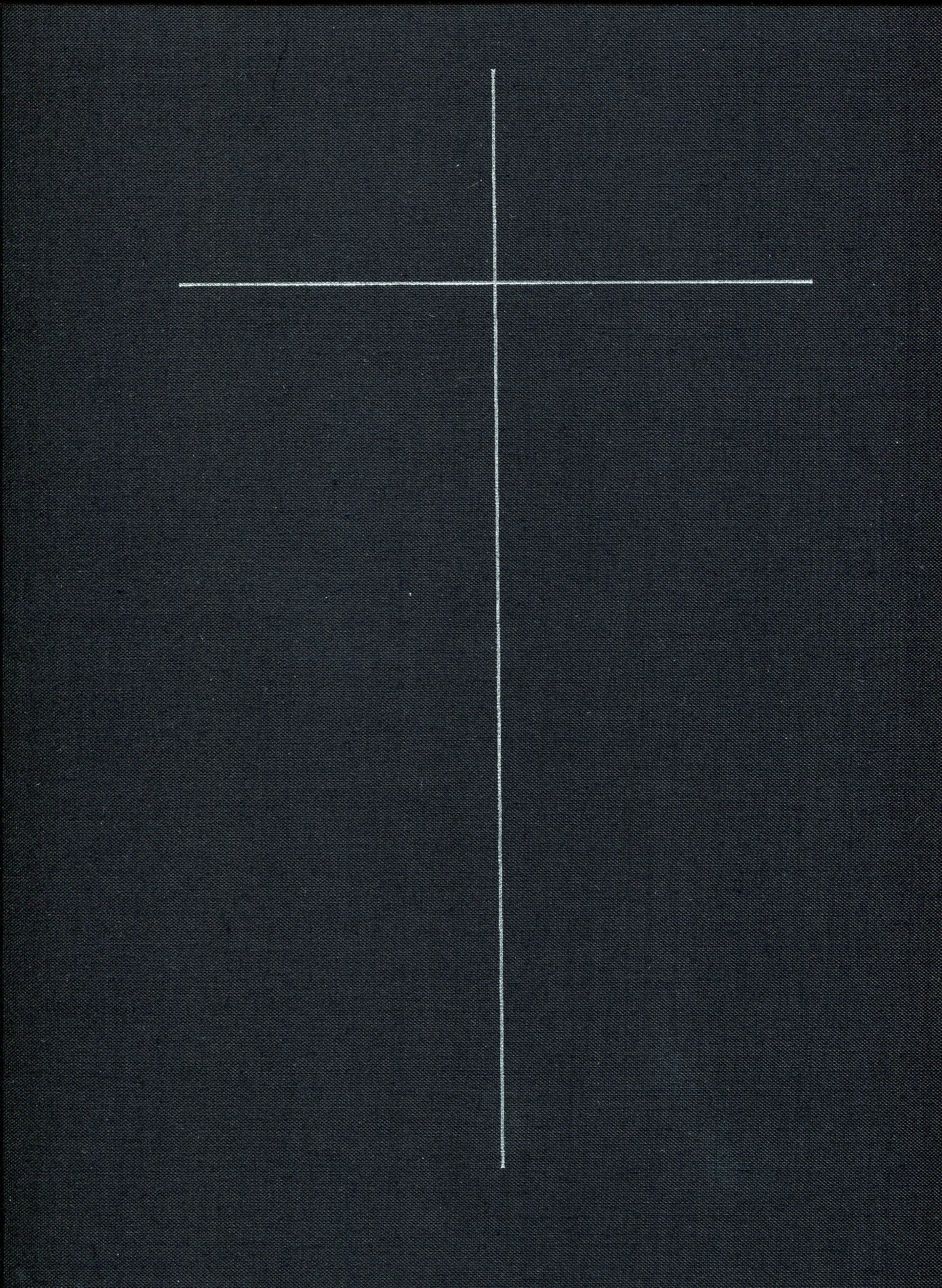
Twelvetrees Press, 1994. [Photographs of hermaphrodites, masochists, cadavers, transgender individuals, midgets, nudes, amputees; et al. Born in 1939, Witkin, who has stated publicly that he lost his virginity with a hermophrodite, has specialized in photographing unconventional, if not macabre and grotesque, subjects.] Oversize, hardcover. Third Edition. Fine in near fine, newly protected dust jacket that has traces of use but no edge wear or tears. Summary:
Published in 1989 by Twelvetrees Press, Gods of Earth and Heaven is a seminal monograph that encapsulates the controversial, transgressive, and deeply baroque vision of Joel-Peter Witkin. The book is renowned for its high-production values, featuring rich, oversized gravure plates that emphasize the tactile, distressed quality of Witkin's physical negatives.
The Aesthetic of the Macabre
Witkin’s work in this volume is characterized by his unique blend of religious iconography, art history, and the grotesque. He meticulously stages elaborate tableaux that reference classical paintings (such as those by Velázquez, Goya, or Botticelli) but populates them with a cast of marginalized figures:
-
Subjects: The book features "outsiders" of society, including circus performers, hermaphrodites, people with physical deformities, and, most controversially, cadavers and severed limbs sourced from morgues.
-
The "Physical" Negative: Witkin is famous for his aggressive darkroom techniques. He scratches, bleaches, and tears his negatives, and often prints through layers of tissue or wax to create a "timeless," nineteenth-century aesthetic that softens the shock of his modern subjects.
Key Themes and Philosophical Inquiry
-
Sacred vs. Profane: The title Gods of Earth and Heaven reflects Witkin’s obsession with the duality of man. He seeks to find divinity and grace within what society deems "monstrous" or "taboo."
-
Mortality and Memento Mori: The work serves as a modern exploration of death. By using actual human remains, Witkin forces the viewer to confront the reality of the flesh, often presenting the dead with a strange, poetic dignity.
-
The History of Art: Many images in the book are "re-creations" of masterpieces. By reinterpreting these through his dark lens, Witkin critiques traditional standards of beauty and the history of Western representation.
Significance and Controversy
Upon its release, the book further cemented Witkin’s status as one of the most polarizing figures in contemporary photography.
-
Critical Reception: While some critics hailed him as a visionary who expanded the moral boundaries of art, others condemned the work as exploitative or "shock for shock's sake."
-
Influence: Regardless of the controversy, the book remains a masterclass in staged photography and darkroom manipulation, influencing a generation of artists in the fields of fine art, music video, and fashion.
Visual Note: The monograph is prized by collectors not only for the imagery but for its design—a signature of Twelvetrees Press—which utilizes a stark, elegant layout that allows the density of Witkin's vision to dominate the page.