Gary Saretzky Photo Books
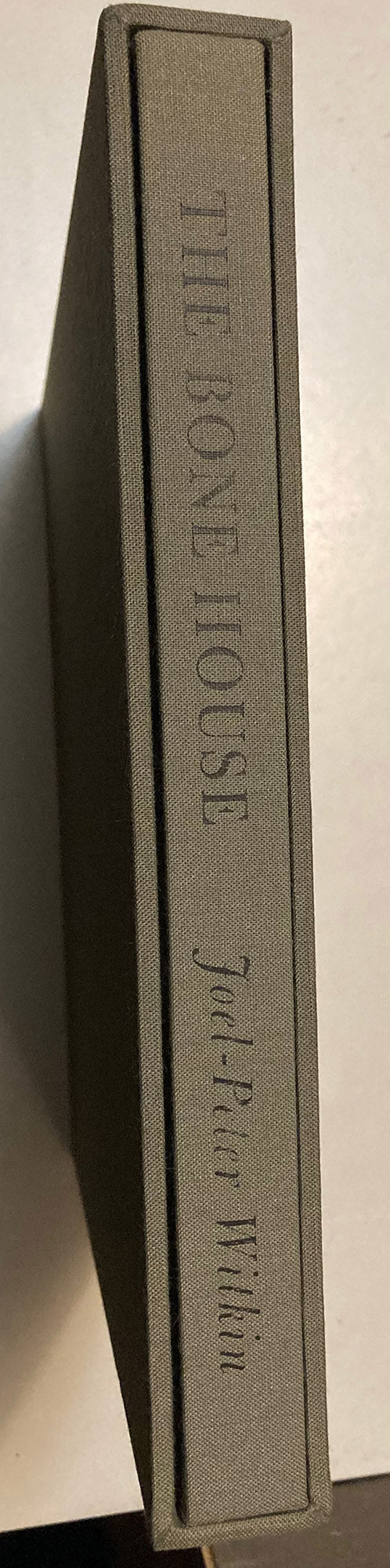
Witkin, Joel-Peter. The Bone House by Joel-Peter Witkin. Signed.
Witkin, Joel-Peter. The Bone House by Joel-Peter Witkin. Signed.
Couldn't load pickup availability
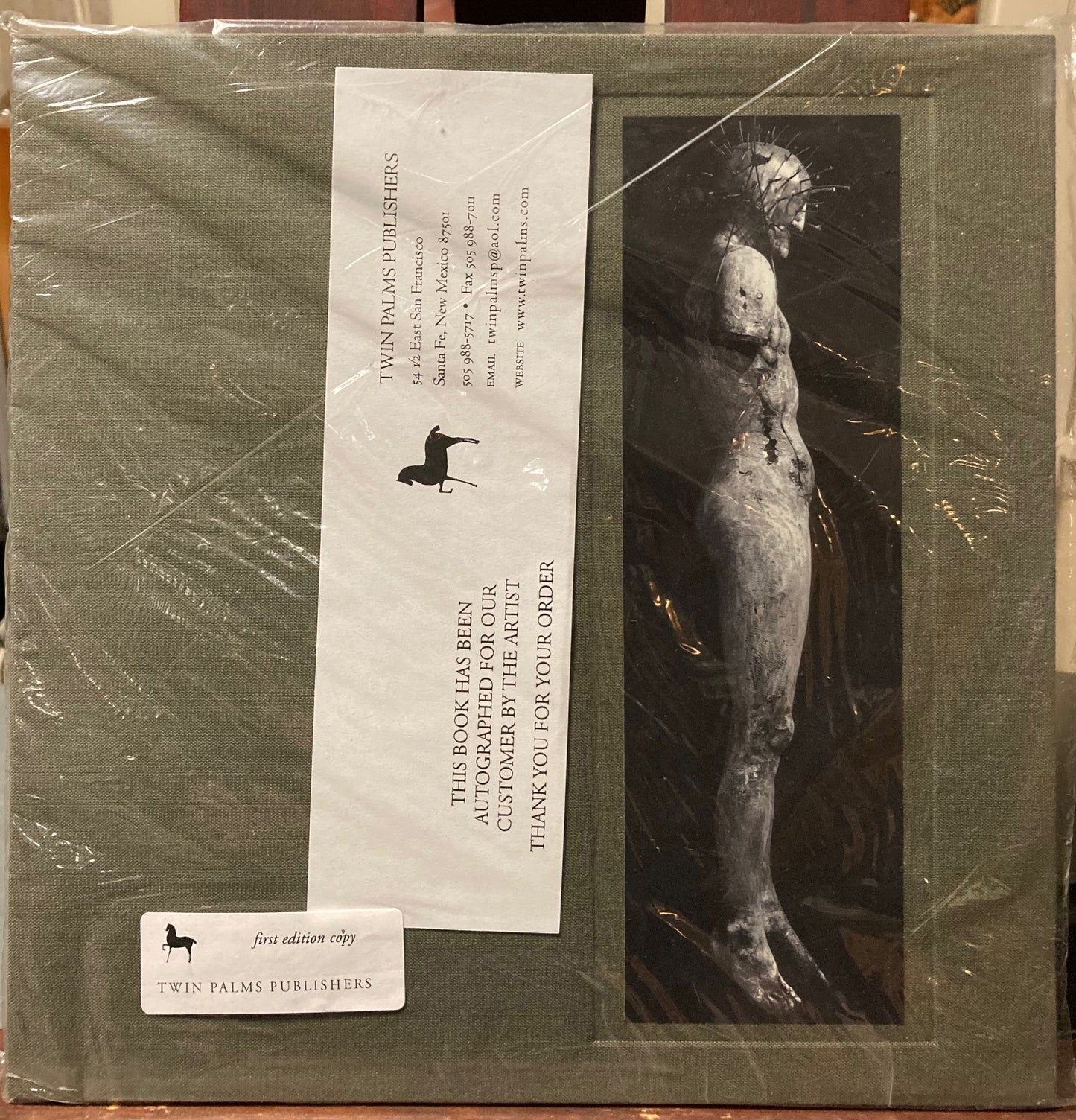
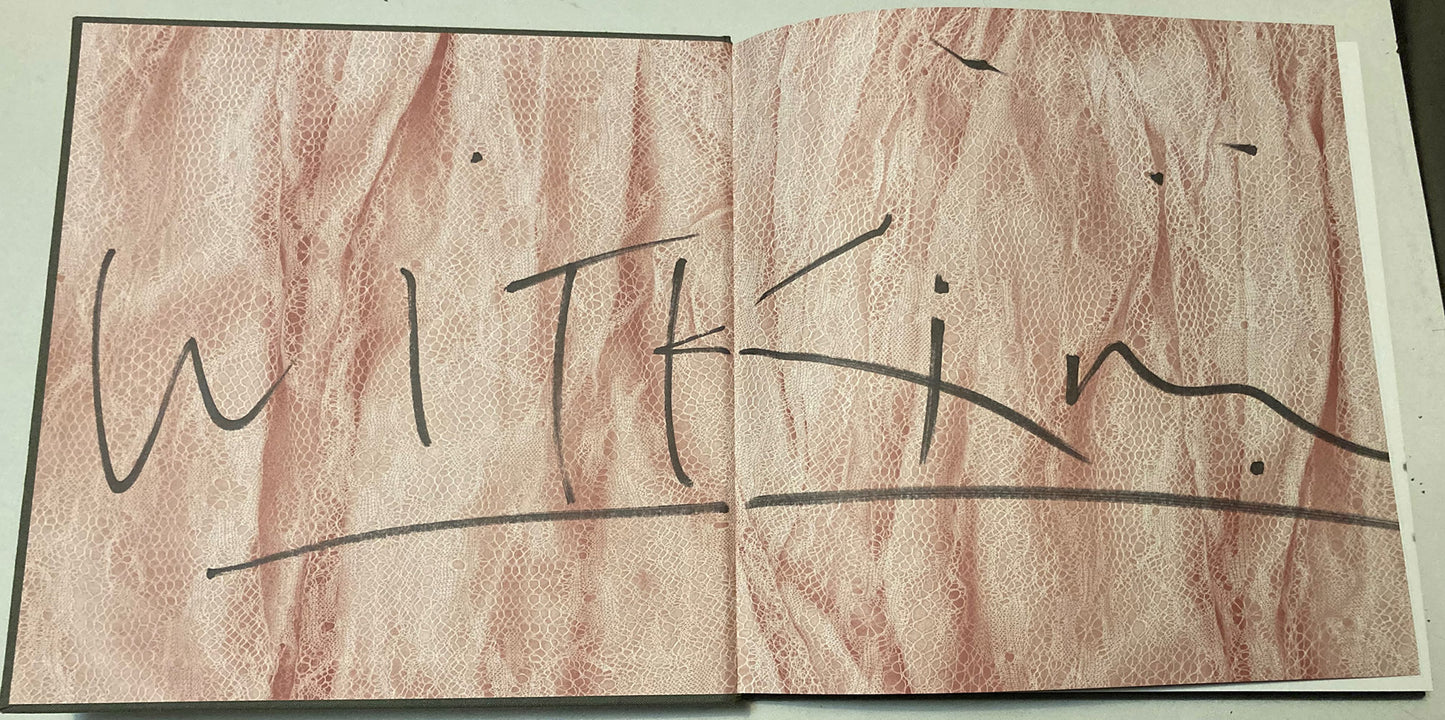
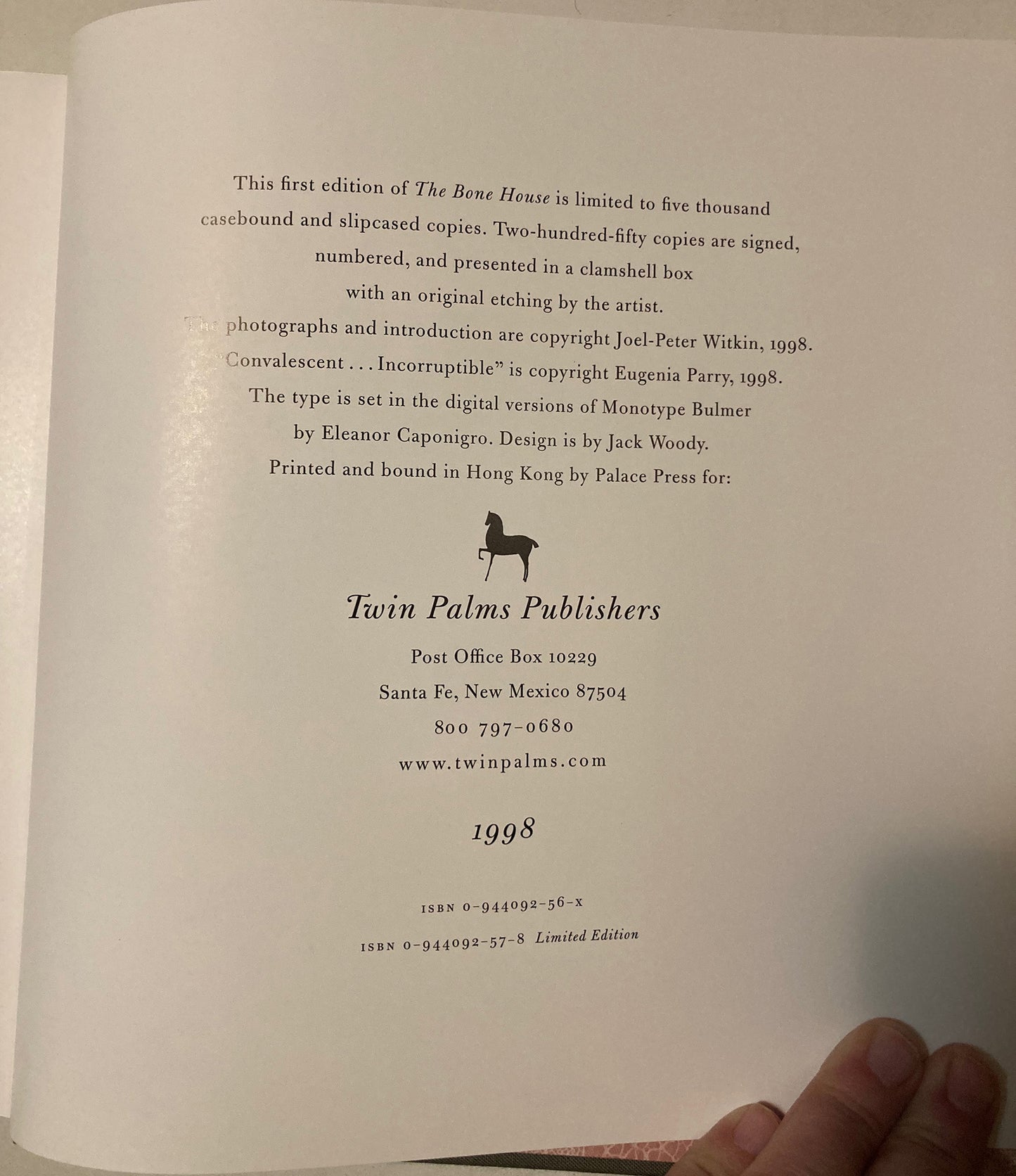
Twin Palms, 1998. First edition, hardcover in slipcase in original shrink wrap opened on one end to enable retrieving the book. Boldly SIGNED on front end papers by Witkin. Slip of paper inserted stating the book has been autographed. Sticker on shrinkwrap indicating first edition. Sumptuously published in an edition of 5,000 copies. [Born in 1939, Witkin's unusual photographs, which sometimes incorporate scratching and other intrusive techniques, include nude transvestites, other nudes with various atypical physical characteristics, as well as corpses and severed heads that he photographed in a morgue in Mexico.] Fine with no wear, stains, or fading. Adults only. Summary:
Published in 1998 by Twin Palms Publishers, The Bone House is a significant retrospective monograph that further explores Joel-Peter Witkin’s obsession with the intersection of the beautiful and the grotesque. This volume is particularly noted for its exquisite production quality—utilizing sheet-fed gravure printing on heavy matte paper—which perfectly captures the sepia-toned, aged aesthetic of his work.
The Vision of the "Sacred Corpse"
The title The Bone House refers both to the physical human skeleton and the metaphorical structure of mortality. The book continues Witkin's practice of creating elaborate, painterly tableaux that challenge conventional morality and aesthetic boundaries.
-
Anatomical Exploration: Unlike some of his earlier collections, this volume features an even more pronounced use of medical specimens, anatomical fragments, and cadavers. Witkin treats these remains with a surrealist’s eye, reassembling them into poetic, often religious compositions.
-
Art Historical Homage: The monograph includes "remakes" of works by masters such as Goya, Bosch, and Velázquez. Witkin uses these classical foundations to ground his radical imagery in the tradition of memento mori—the artistic reminder of the inevitability of death.
Process and Craft
A central focus of The Bone House is the physical evidence of Witkin’s labor in the darkroom:
-
The Distressed Print: The images prominently display the scratches, chemical stains, and hand-toning that Witkin applies to his negatives. This process gives the contemporary photographs the appearance of "relics" or artifacts unearthed from the 19th century.
-
Staged Reality: The book documents the immense complexity of his sets, which involve intricate props, specialized lighting, and a cast of "miraculous" subjects—individuals with unique physical attributes who Witkin views as living icons.
Core Themes
-
Redemption through the Flesh: Witkin argues that by looking at the "unbearable," the viewer can find a deeper sense of empathy and spiritual connection to the human condition.
-
Transgression as Art: The volume navigates the thin line between the "pathological" and the "sublime," pushing the viewer to question why society finds certain bodies or images taboo.
-
The Alchemical Darkroom: The book emphasizes the darkroom as a place of transformation, where "base" matter (the corpse or the deformed body) is turned into "gold" (the high-art photographic print).
Significance: The Bone House is widely considered one of Witkin’s most cohesive and hauntingly beautiful publications. It serves as a definitive statement on his belief that art must confront the physical reality of death to truly celebrate the mystery of life.