Gary Saretzky Photo Books
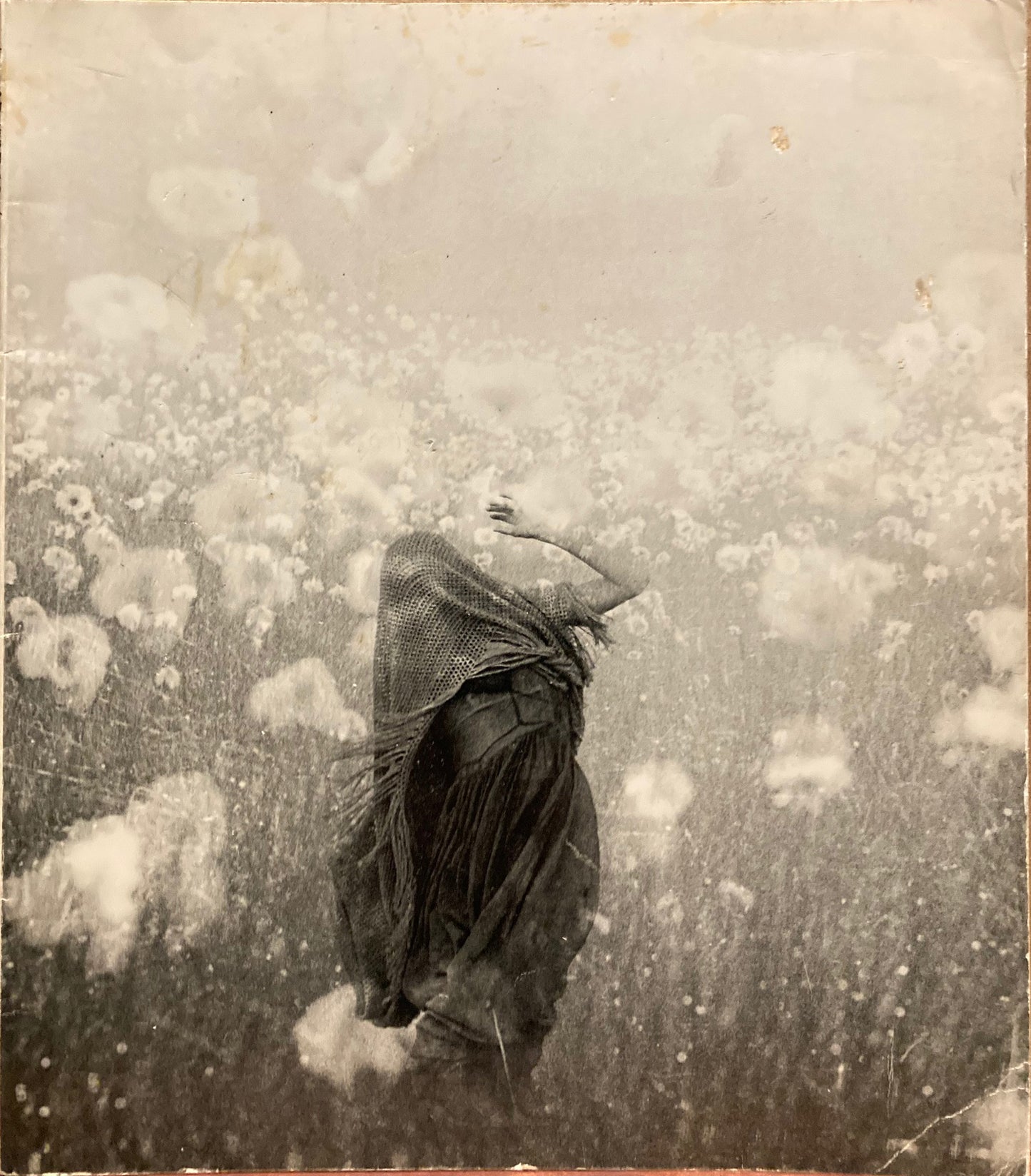
Aperture, Volume 13, Number 4, 1968. Manuel Alvarez Bravo, Henri Cartier-Bresson, John Spence Weir, et al.
Aperture, Volume 13, Number 4, 1968. Manuel Alvarez Bravo, Henri Cartier-Bresson, John Spence Weir, et al.
Couldn't load pickup availability
Portfolios by Manuel Alvarez Bravo, Henri Cartier-Bresson, and John Spence Weir. Also Notman, Harry Callahan, Wynn Bullock, exhibitions in Northern California, Che Guevara dead, reviews, etc. Very good with a few spots, crimps, still nice. Not issued with an ISBN number. Summary:
The 1968 issue of Aperture (Vol. 13, No. 4) is a masterfully curated edition that examines the intersection of "straight" photography and poetic symbolism. Under the editorship of Minor White, this volume highlights how different cultures—specifically Mexico, France, and the American West—utilize the lens to find a deeper, often surreal reality beneath the surface of everyday life.
Key Portfolios
-
Manuel Alvarez Bravo: The issue features a significant portfolio of the Mexican master. The selection emphasizes Bravo’s unique ability to blend the gritty street life of Mexico with a dreamlike, indigenous surrealism. His work here focuses on the quiet tension between life and death, using light and shadow to transform mundane objects—like a storefront or a sleeping figure—into profound cultural symbols.
-
Henri Cartier-Bresson: This section presents work that reinforces his philosophy of the "decisive moment," but with a specific focus on his global travels. The images serve as a study in perfect geometry and the fleeting synchronization of human action and physical space, showcasing his unparalleled ability to organize a chaotic world into a coherent, meaningful frame.
-
John Spence Weir: Representing a more contemporary, Western American perspective, Weir’s work in this issue often deals with the social landscape. His photographs explore the quiet, sometimes melancholic beauty of the built environment and the human presence within it, characterized by a formal clarity and a sensitive eye for light.
Thematic Core
The issue serves as a dialogue on Observation and Insight. By pairing the established legacies of Bravo and Cartier-Bresson with Weir’s vision, the magazine argues that photography is not merely a method of recording facts, but a "way of seeing" that reveals the spiritual and psychological layers of the world.
Historical Significance
Published during a year of global social upheaval (1968), this volume of Aperture stands as a testament to the enduring power of the aesthetic and contemplative image. While the world outside was in turmoil, Vol. 13, No. 4 doubled down on the idea of the photograph as a "window" into the timeless human condition, solidifying the magazine's role as the premier venue for fine-art photography.