Gary Saretzky Photo Books
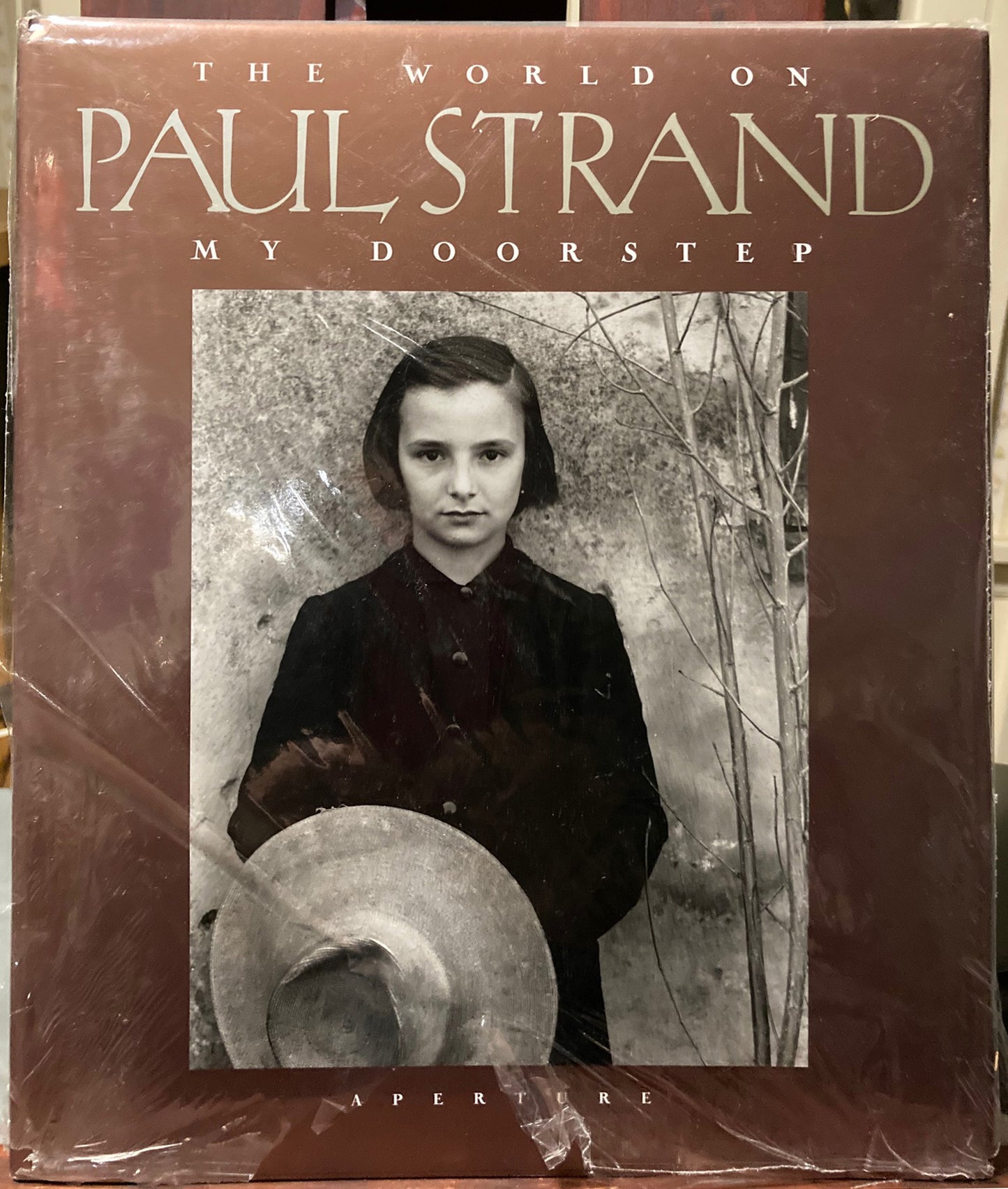
Strand, Paul. Paul Strand: The World on My Doorstep, 1950-1976, by Catherine Duncan and Ute Uskildsen.
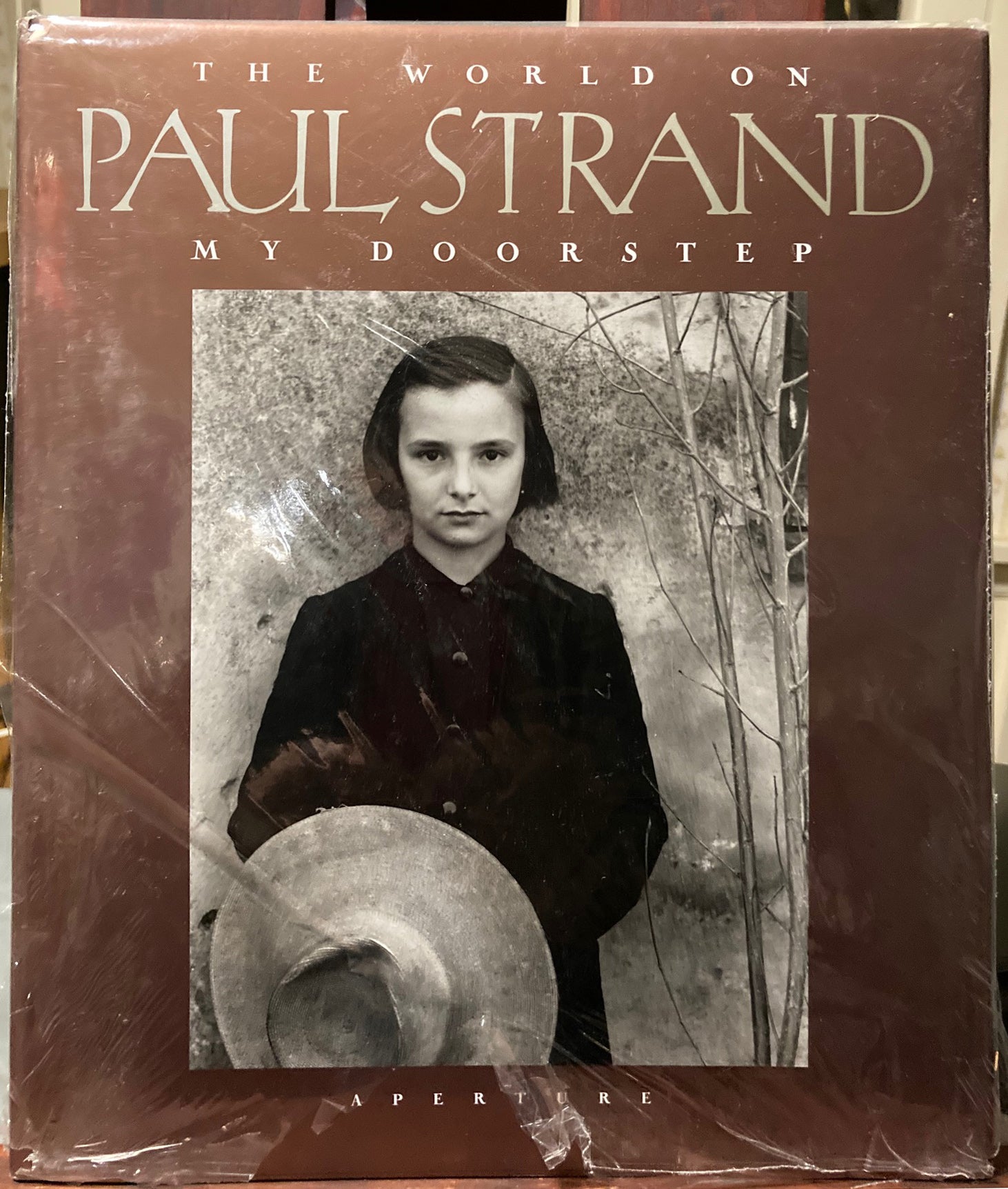
Strand, Paul. Paul Strand: The World on My Doorstep, 1950-1976, by Catherine Duncan and Ute Uskildsen.
Couldn't load pickup availability
Aperture, 1994. 1st edition, hardcover with dust jacket, new in original shrink wrap which is torn, not affecting the dust jacket. Summary:
Paul Strand: The World on My Doorstep, 1950–1976 (published in 1994 by Aperture) is a focused biographical and visual monograph that chronicles the final twenty-six years of the master photographer’s life and work. Co-authored by filmmaker Catherine Duncan and photo-historian Ute Eskildsen, the publication documents the expansive, global imagery Strand produced after leaving the United States to settle in Orgeval, France.
Key Elements of the Work
-
The Later Portfolios: The publication brings together a curated selection of Strand's late-career imagery. Rather than focusing on his early New York street photography, it archives his deep photographic explorations of diverse cultural landscapes, including his extensive travels through France, Italy, the Outer Hebrides, Egypt, Romania, and Ghana.
-
The Textual Framework: The book is structured around personal reflections and intimate biographical narratives by Catherine Duncan, who was a close friend and neighbor of Strand in France. This is balanced by rigorous curatorial and historical analysis from Ute Eskildsen, providing critical context to his late-stage artistic evolution.
-
The Humanist Aesthetic: The volume highlights Strand’s unwavering commitment to straight photography and his profound humanism. The images focus heavily on the enduring relationship between people and their land, captured through dignified portraits of workers, weathered domestic architecture, and close-up studies of nature.
Narrative Intent
The monograph functions as a re-evaluation of Strand's late-career legacy, framing his move to Europe not as a retirement, but as a period of profound artistic renewal. By capturing the world from the base of his French cottage garden, the book demonstrates how Strand applied his meticulous, formalist technique to build a universal visual atlas of human dignity and everyday life across geographic boundaries.