Gary Saretzky Photo Books
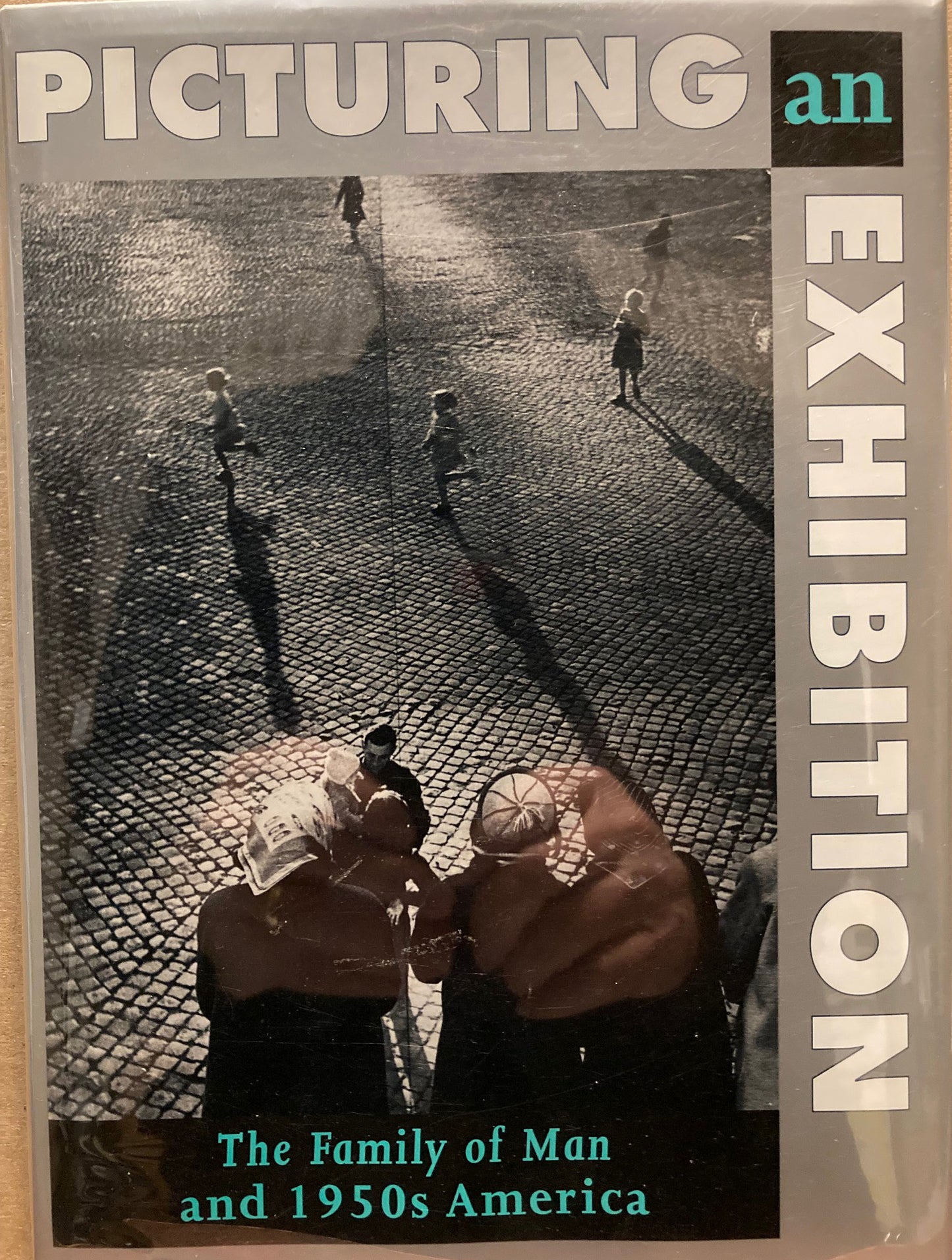
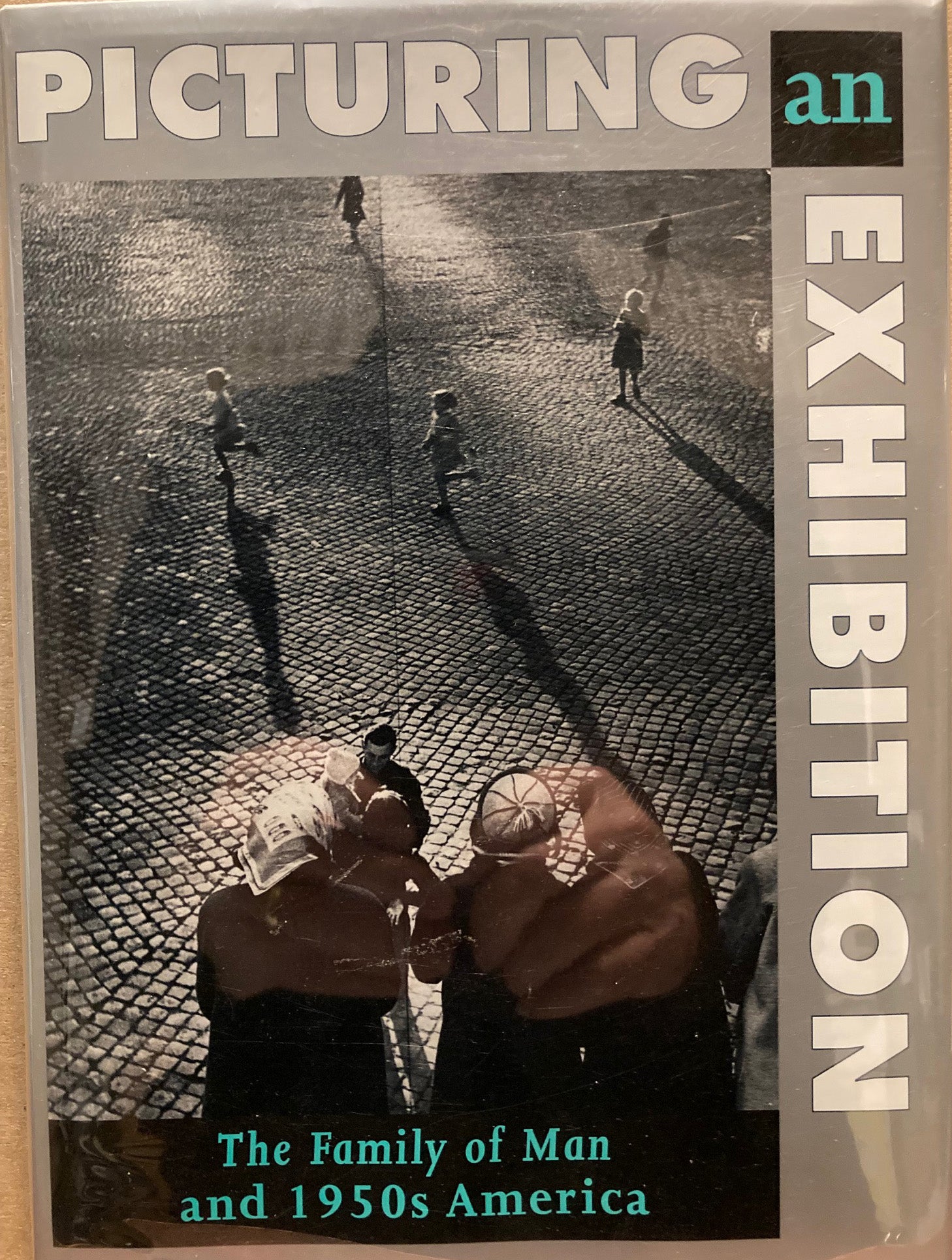
Steichen, Edward. Picturing an Exhibition: The Family of Man and 1950s America by Eric J. Sandeen.
Steichen, Edward. Picturing an Exhibition: The Family of Man and 1950s America by Eric J. Sandeen.
Couldn't load pickup availability
University of New Mexico Press, 1995. [Thorough, fascinating history of Steichen's famous Family of Man exhibition that opened at the Museum of Modern Art in 1955, traveled throughout the world, and was seen by nine million people.] 1st edition, fine with dust jacket. Issued at $35. Summary:
Picturing an Exhibition: The Family of Man and 1950s America (published in 1995 by the University of New Mexico Press) is a definitive cultural history and critical analysis written by Eric J. Sandeen. The book provides a thorough examination of The Family of Man, the monumental 1955 photographic exhibition curated by Edward Steichen for the Museum of Modern Art (MoMA), analyzing how it functioned as a powerful instrument of American domestic ideology and foreign policy during the Cold War.
Key Elements of the Work
-
The Exhibition as a Cultural Phenomenon: Sandeen contextualizes the sheer scale and unprecedented success of The Family of Man, which featured 503 photographs by 273 photographers from 68 countries. He explores how it captured the mid-century American public's imagination, drawing millions of viewers both at MoMA and through its massive, global touring iterations.
-
A Tool of Cold War Diplomacy: A central focus of the book is the political deployment of the exhibition by the United States Information Agency (USIA). Sandeen details how the federal government used the show's message of universal human brotherhood as a soft-power weapon, sending it behind the Iron Curtain (notably to Moscow in 1959) to project a benevolent, democratic, and consumer-rich image of Western capitalism.
-
The 1950s Domestic Paradigm: The text investigates how the exhibition mirrored the social anxieties and desires of post-WWII America. Sandeen argues that by organizing the photographs into universal life stages (birth, love, work, death), Steichen’s layout subtly reinforced 1950s American ideals: the supremacy of the nuclear family, traditional gender roles, and a consensus-driven society that smoothed over deep racial and economic inequalities.
-
Spatial and Architectural Rhetoric: Sandeen provides an insightful architectural analysis of the exhibition's original physical design, masterminded by architect Paul Rudolph. He explains how the immersive, walk-through layout—using giant murals, floating panels, and overhead displays—actively manipulated the viewer's physical movement and psychological response, transforming a collection of distinct photographs into a single, authored narrative.
Narrative Intent
The monograph functions as a critical deconstruction of a landmark moment in photographic history. By peeling back the layers of universal humanism championed by Steichen, Sandeen demonstrates that The Family of Man was not merely a passive celebration of photography, but a highly sophisticated ideological construction that actively shaped how mid-century Americans viewed themselves and how the United States asserted its cultural hegemony on the global stage.