Gary Saretzky Photo Books
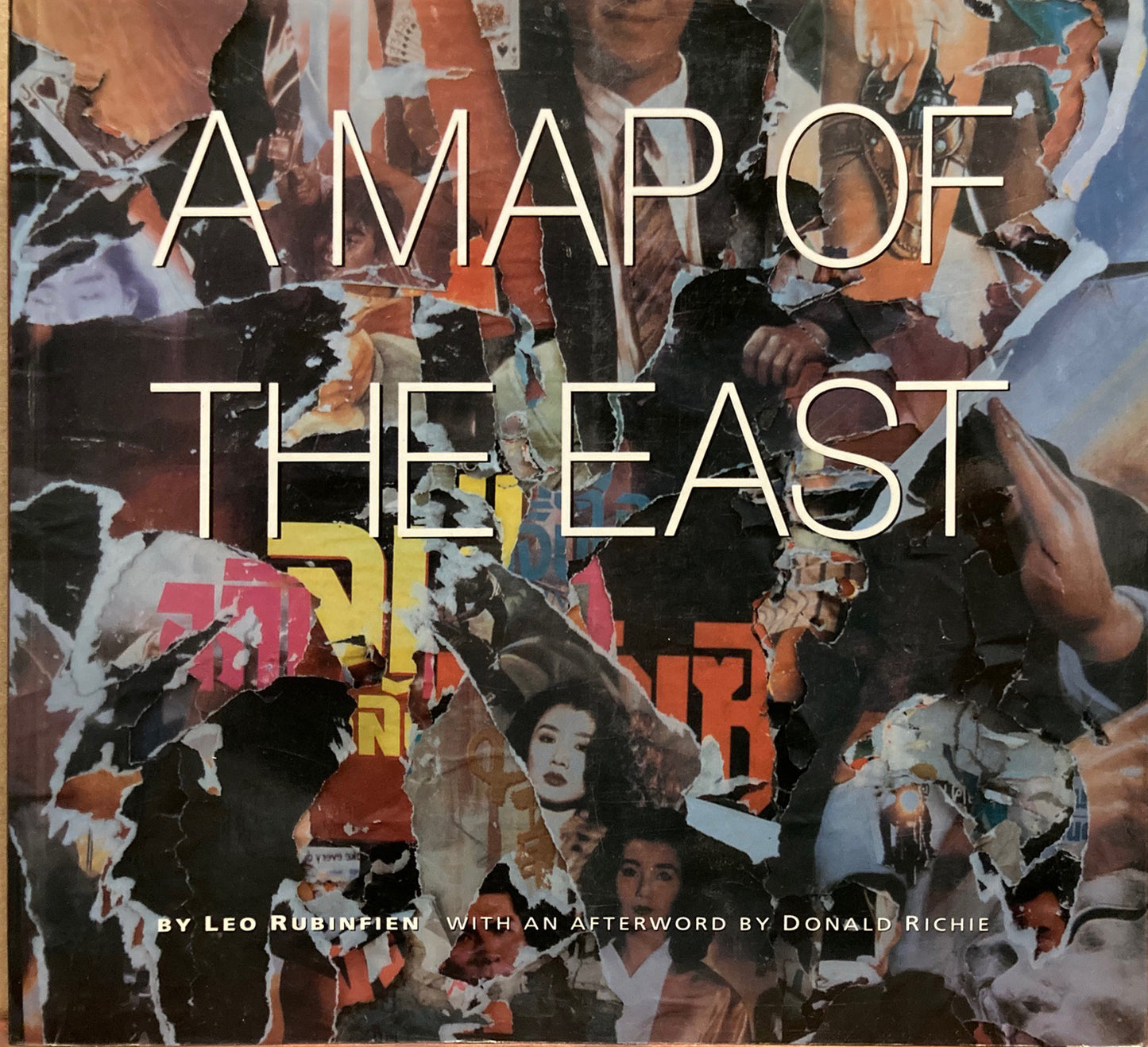
Rubinfien, Leo. A Map of the East by Leo Rubinfien.
Rubinfien, Leo. A Map of the East by Leo Rubinfien.
Couldn't load pickup availability
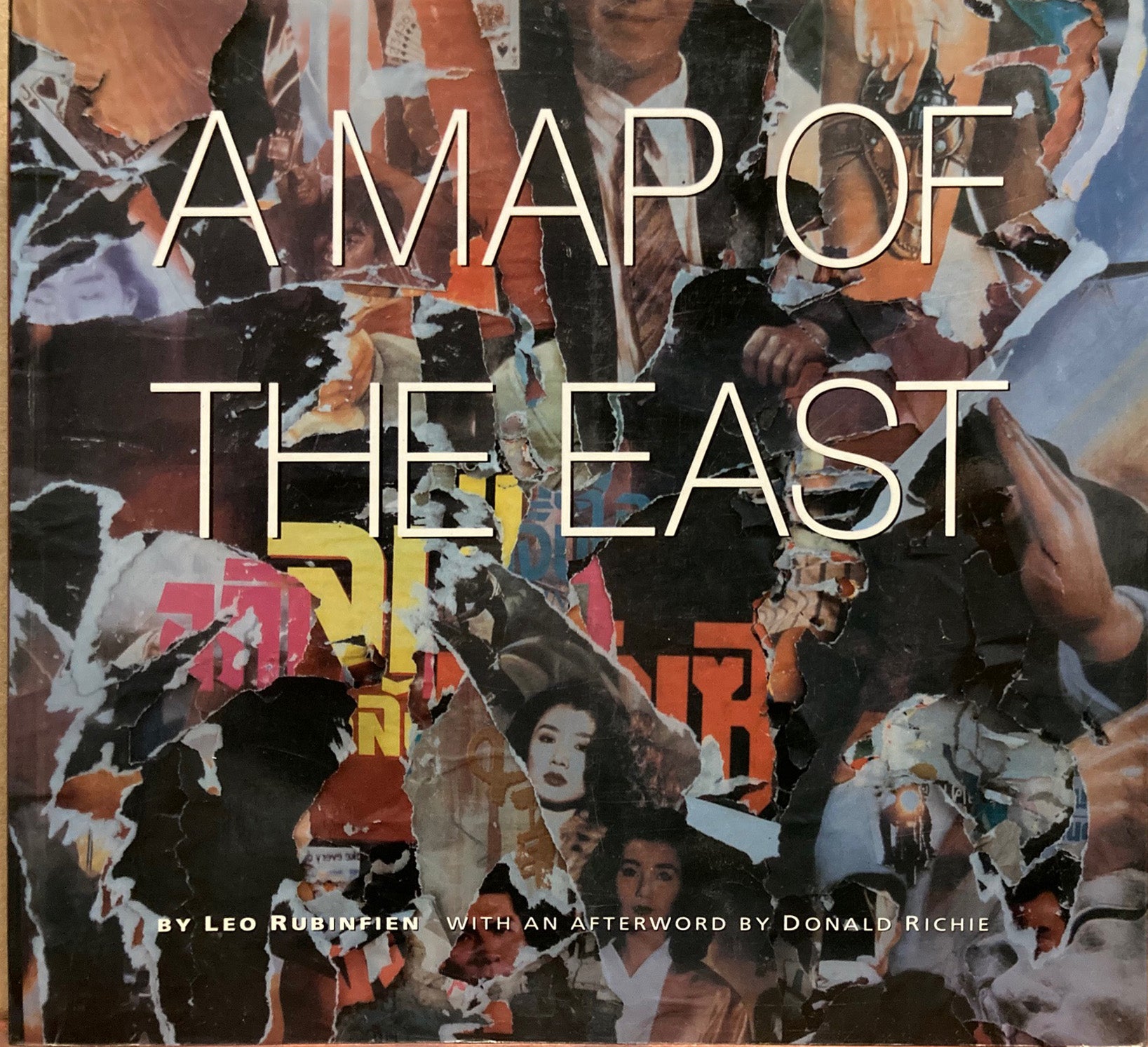
David R. Godine, 1992. Afterword by Donald Ritchie. [Photographs in Asia by Leo Rubinfien of Japan, China, Hong Kong, Thailand, Indonesia, India, and Borneo. Born in 1953, Rubinfien is a photographer and writer on photography based in New York City. He has had solo exhibitions at the National Museum of Modern Art, Tokyo, the Metropolitan Museum of Art, et al., and is a past Guggenheim Fellow.] 1st edition in stiff wraps, VG+ with small crimp on cover. Issued at $25. Summary:
A Map of the East by Leo Rubinfien is a highly acclaimed photobook and exhibition catalog published in 1992 in conjunction with his solo exhibition at the Metropolitan Museum of Art.
The Artistic Vision
The book compiles 107 vibrant color photographs taken between 1979 and 1987 across several Asian nations, including Japan, China, Thailand, Indonesia, Myanmar, the Philippines, and Vietnam. Having spent part of his childhood in Tokyo, Rubinfien returned to the region as an adult to document an era of frantic modernization and dizzying economic growth.
Core Themes
-
Hybrid Modernity: Rather than isolating traditions or creating cliché East-versus-West juxtapositions, Rubinfien embraces a "lively cultural mess." His frames present a seamless blend of traditional garments, skyscrapers, business suits, neon signs, and street clutter.
-
The Outsider's Perspective: Rubinfien captures the region through a deeply personal, lyrical lens. He consciously shoots as a Western observer, infusing his images with an ambivalent voice that balances tenderness for what is being lost to globalization with an appreciation for what endures.
-
Poetic Structure: Instead of a precise geographical atlas, the book functions as a subjective, emotional "map." The photos are arranged carefully by the artist like a sequence of poetic couplets to capture the mood, intimacy, and spirit of changing Asian societies.
Cultural Impact
The publication remains a landmark work in the "New Color" photography movement. It is celebrated for finding profound poetry in the chaotic, hybrid reality of contemporary Asia.