Gary Saretzky Photo Books
Pennsylvania. History of Photography in Pennsylvania. Special Issue of Pennsylvania History, 64:2 (Spring 1997).
Pennsylvania. History of Photography in Pennsylvania. Special Issue of Pennsylvania History, 64:2 (Spring 1997).
Couldn't load pickup availability
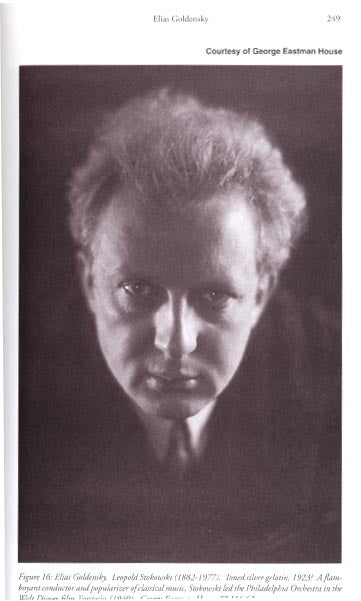
Edited by Linda A. Ries. [Includes articles on Marcus Aurelius Root, Francis L. Cooper (amateur), early Pittsburgh photographers, John F. Nice, Elias Goldensky, Thomas Eakins, early oil industry, Mifflin and Engle, Black daguerreotypist Glenalvin J. Goodridge, Julius Sachse, and the Raymond Holland Collection. Winner of the 1997 MARAC Arline Custer Award for publications.] Signed by Gary Saretzky, author of "Elias Goldensky: Wizard of Photography," about the Philadelphia portrait photographer. 356pp. Summary:
The Spring 1997 special issue of Pennsylvania History (Volume 64, No. 2), dedicated entirely to the History of Photography in Pennsylvania, explores how the state served as a vital incubator for photographic innovation, commercialization, and cultural expression from the 1830s through the twentieth century.
Key Themes & Historical Milestones
1. The Early Pioneers and Technological Innovation
The issue highlights Philadelphia as a premier center for early American photography. Following Louis Daguerre’s 1839 announcement, Pennsylvania scientists and mechanics immediately began duplicating and improving the process.
-
Robert Cornelius: Created what is widely considered the first intentional photographic self-portrait (and human portrait) in the world in October 1839.
-
The Langenheim Brothers: Based in Philadelphia, they pioneered the "Hyalotype" (glass photographic slides) and became the exclusive American licensees for William Henry Fox Talbot’s calotype process, bridging the gap between unique images and mass reproducibility.
2. Commercialization and the Portrait Boom
Articles trace the rapid evolution of photography from a scientific novelty into a booming urban industry. By the 1850s, opulent daguerreotype galleries lined Philadelphia’s Chestnut Street. The essays examine how the democratization of portraiture allowed everyday Pennsylvanians—across various socio-economic classes—to document their lives and construct their public identities.
3. Documentary and Industrial Photography
Given Pennsylvania's role as an industrial powerhouse, the issue delves into how photography intersected with labor, industry, and landscape.
-
Civil War and Beyond: Local photographers captured critical wartime efforts, troop movements, and medical photography at military hospitals.
-
Industrial Landscapes: Photographers documented the rapid expansion of Pennsylvania's coal mines, steel mills, and railroads, creating a visual record that served both corporate public relations and, later, progressive social reform efforts.
4. Amateur Clubs and Photo-Secession
The volume emphasizes that Pennsylvania was equally influential in establishing photography as a fine art. The Photographic Society of Philadelphia (founded in 1862) became one of the oldest and most influential amateur clubs in the country. This artistic ecosystem directly nurtured figures like Thomas Eakins—who utilized photography to inform his realist paintings—and paved the way for the Photo-Secession movement, which fought to elevate photography into the fine art museums.
Copies available:
- Fine with custom-made polyester protector.
- Very good copy available with rubbing on covers.
