Gary Saretzky Photo Books
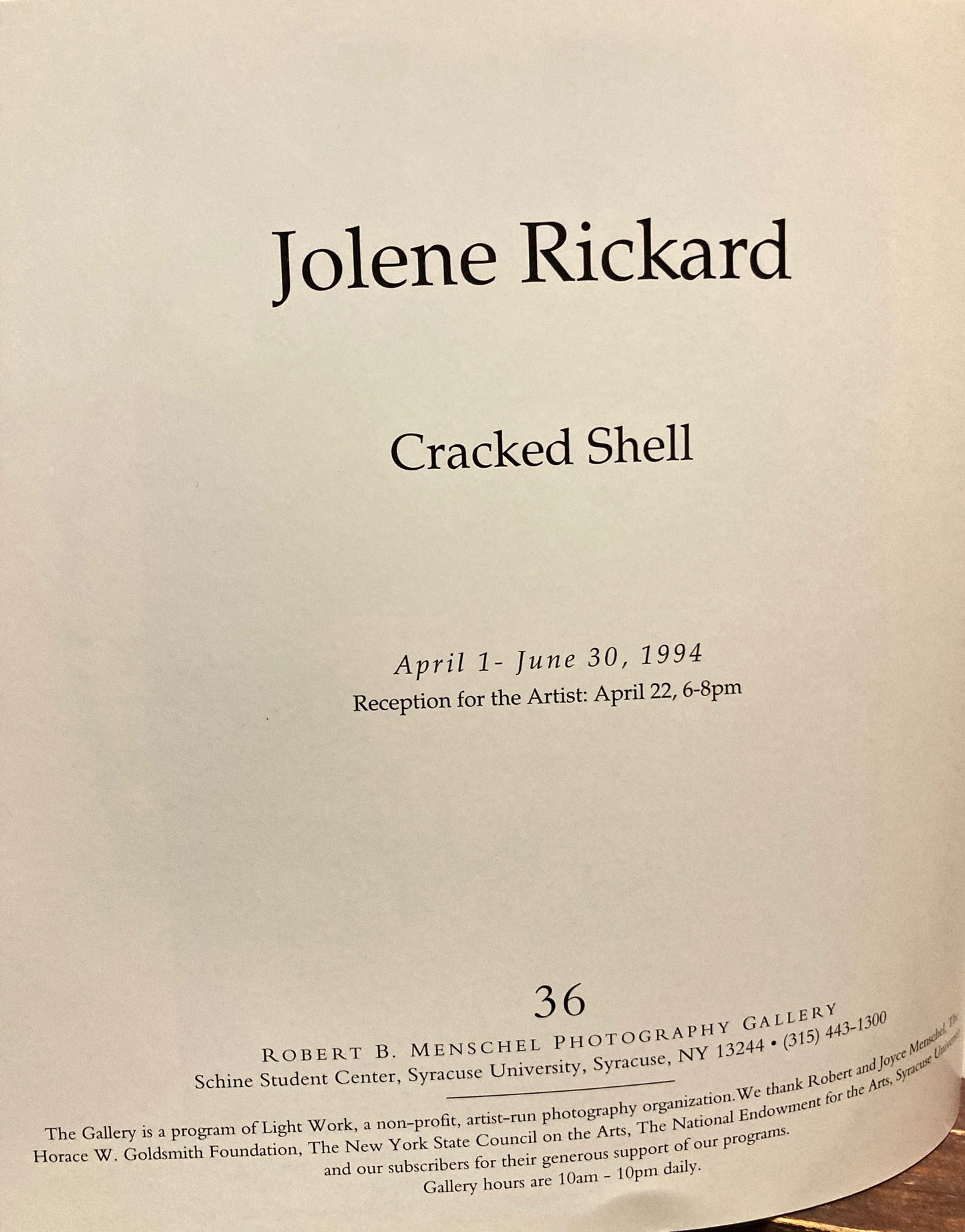
Rickard, Jolene. Jolene Rickard: Cracked Shell. April 1 - June 30, 1994.
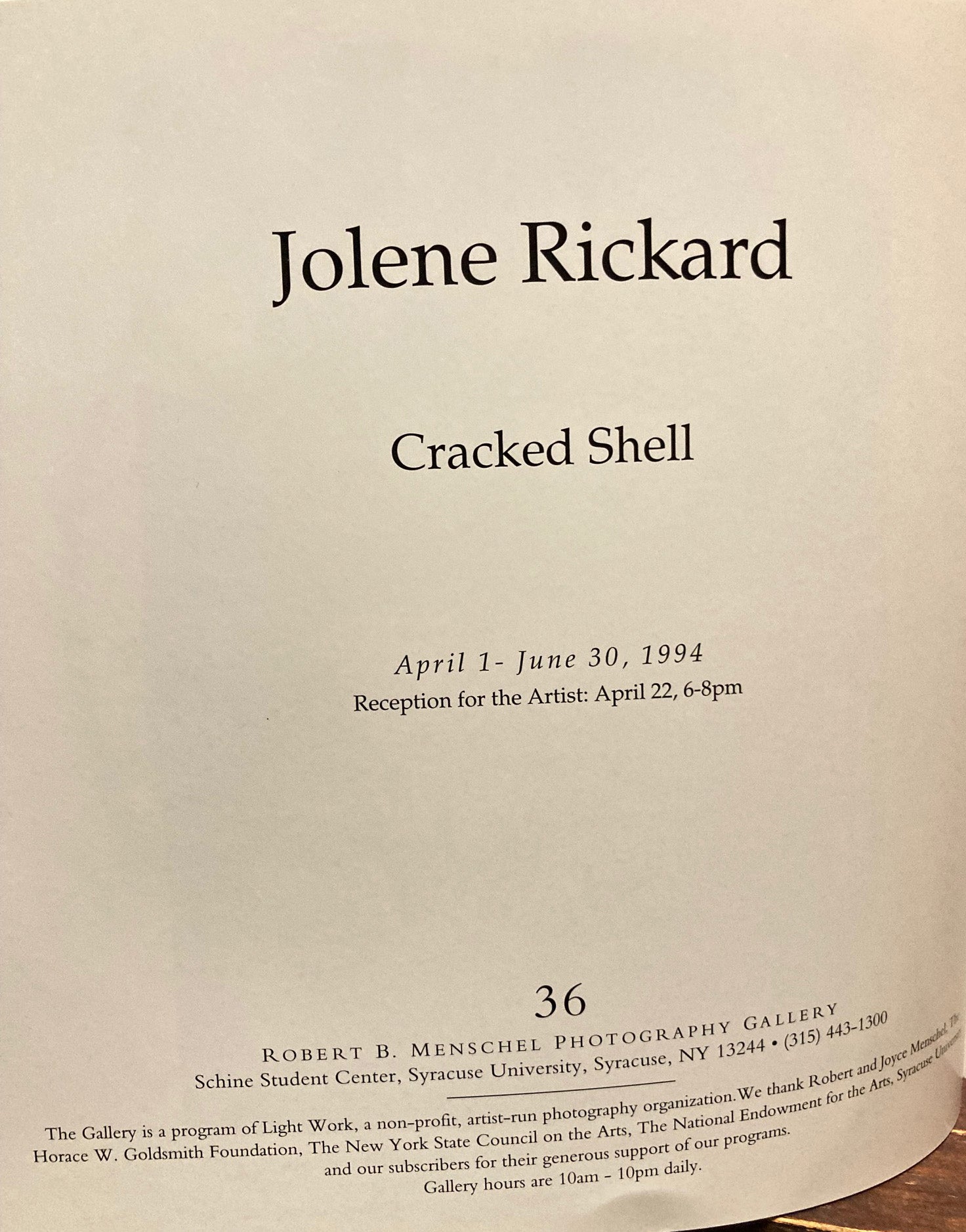
Rickard, Jolene. Jolene Rickard: Cracked Shell. April 1 - June 30, 1994.
Couldn't load pickup availability
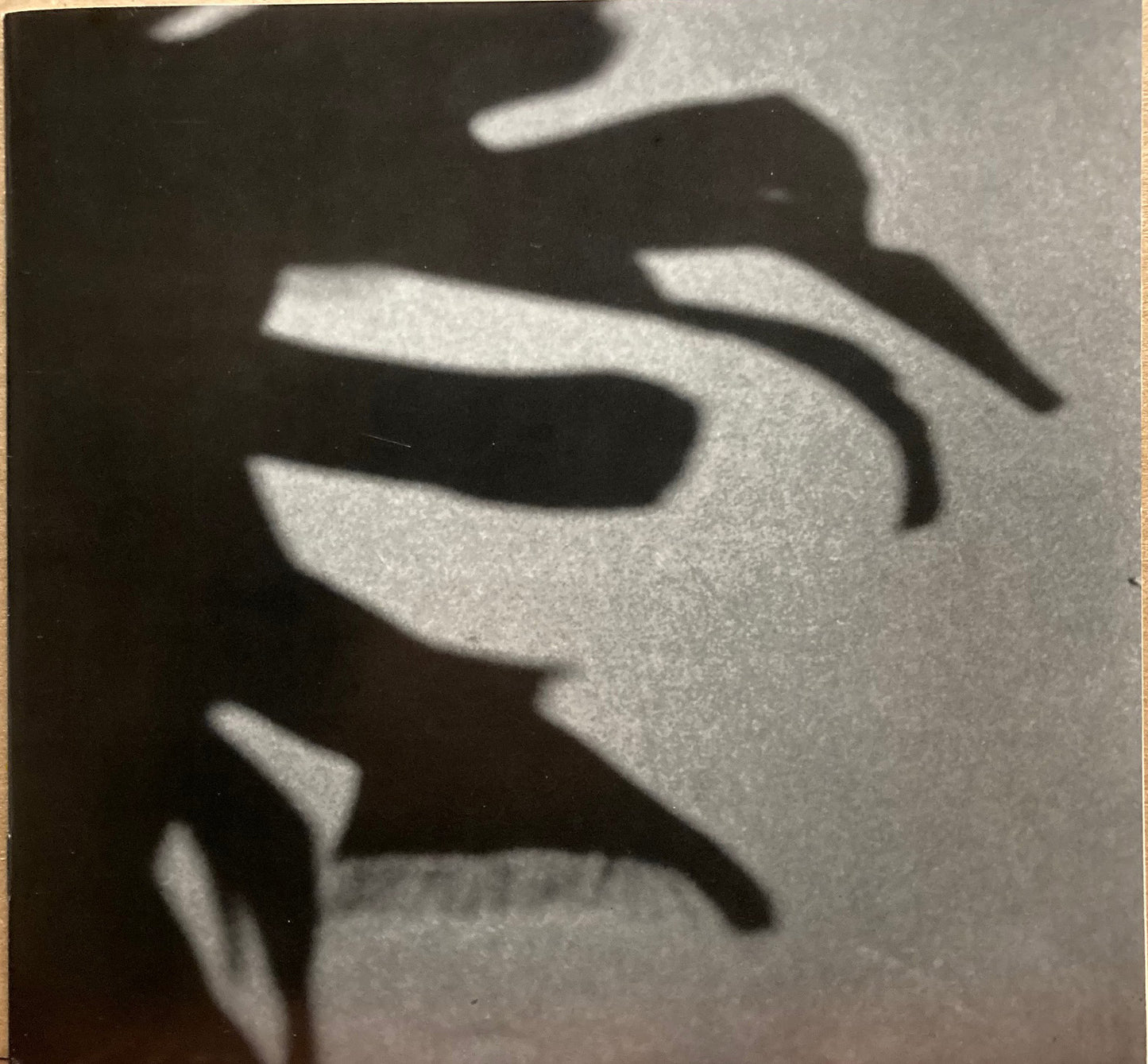
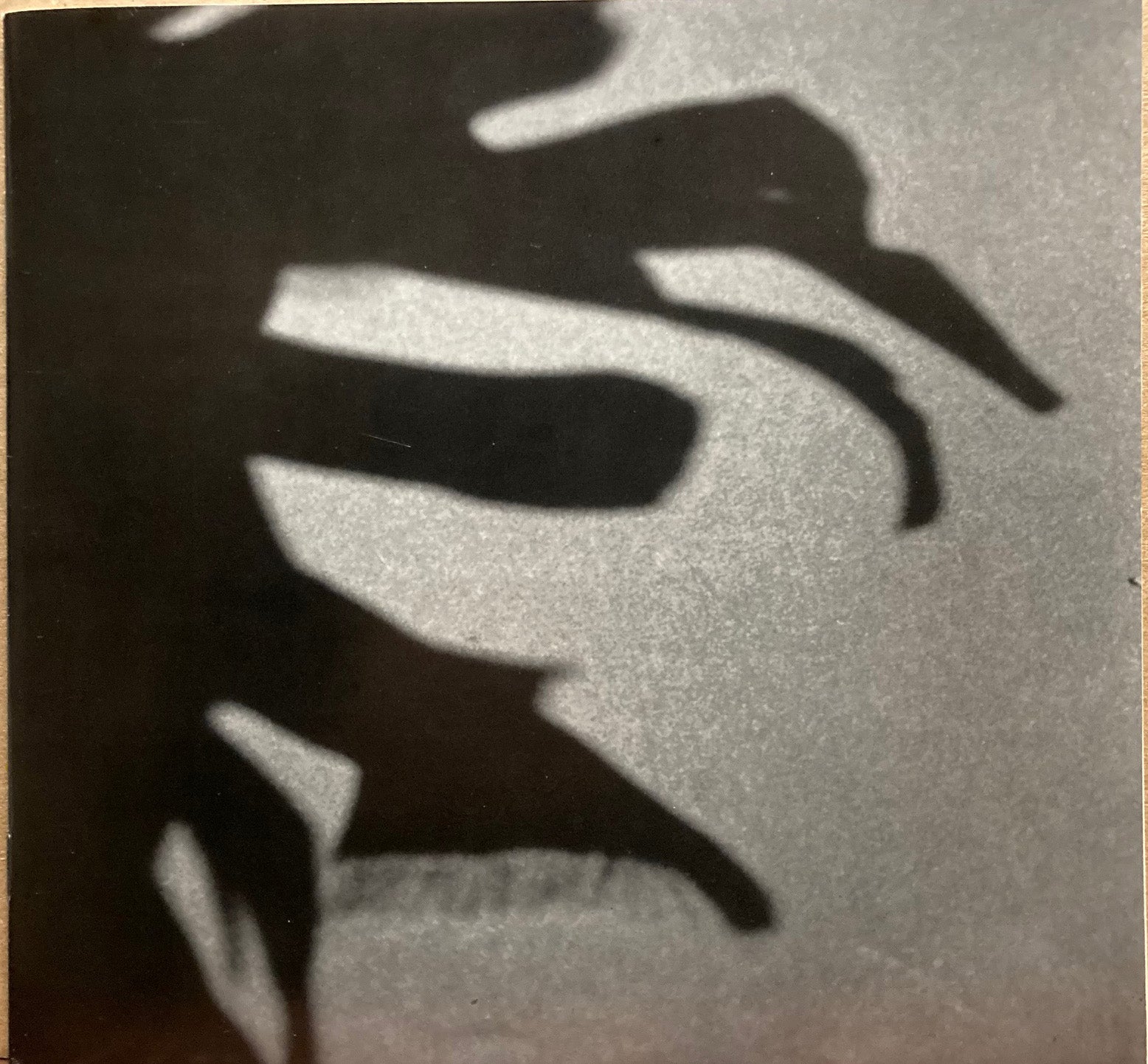
Exhibition catalog. No. 36, Robert B. Menschel Photography Gallery, Syracuse University. Essay by Amy Hufmagel. In this exhibit, Rickard, a turtle clan member of the Tuscarora Nation territories, photographs her "intuitive and spiritual interaction with land." Wraps, 20 pages, fine. Summary:
Jolene Rickard: Cracked Shell
Exhibition Catalog, April 1 - June 30, 1994
The exhibition catalog Jolene Rickard: Cracked Shell (published for her solo show running April 1 – June 30, 1994, at the Robert B. Menschel Photography Gallery, Syracuse University) serves as a visual and theoretical exploration of Indigenous sovereignty, environmental injustice, and cultural survival.
Rickard, a prominent Tuscarora artist, scholar, and member of the Turtle Clan, utilizes the 20-page catalog—featuring an essay by Amy Hufnagel (Assistant Director of Light Work) and 17 black-and-white and color plates—to document a deeply personal and political installation.
1. Land, Colonization, and Sovereignty
At the core of Cracked Shell is Rickard’s critique of how colonization inherently disrupts and devastates Indigenous ecosystems. Rather than presenting the land as a passive, aesthetic landscape, Rickard views it through a politically informed lens. Her photographs capture an "intuitive and spiritual interaction" with her home territories, framing the land as an active witness to structural trauma, treaty violations, and capitalist exploitation.
2. Environmental Injustice
The title Cracked Shell references the literal and symbolic state of her home territories and the larger Haudenosaunee (Iroquois) Confederacy. The catalog addresses the interdependencies between environmental degradation and ongoing colonial occupation. It directly challenges the romanticized, passive archetype of the "ecological Indian" by positioning Native communities not as nostalgic symbols of the past, but as intellectual leaders actively confronting modern industrial and environmental crises.
3. Deconstructing the "Embodied Encounter"
The catalog outlines how Rickard builds her photographic installations to force an active self-positioning from the viewer. By combining juxtaposed imagery—mixing traditional cultural signifiers, natural elements, and the stark intrusions of industrial modernity—she creates a layered narrative. The visuals do not offer easy, spiritual consolation for the viewer; instead, they demand a recognition of corporate accountability and the enduring resilience of the Tuscarora Nation.