Gary Saretzky Photo Books
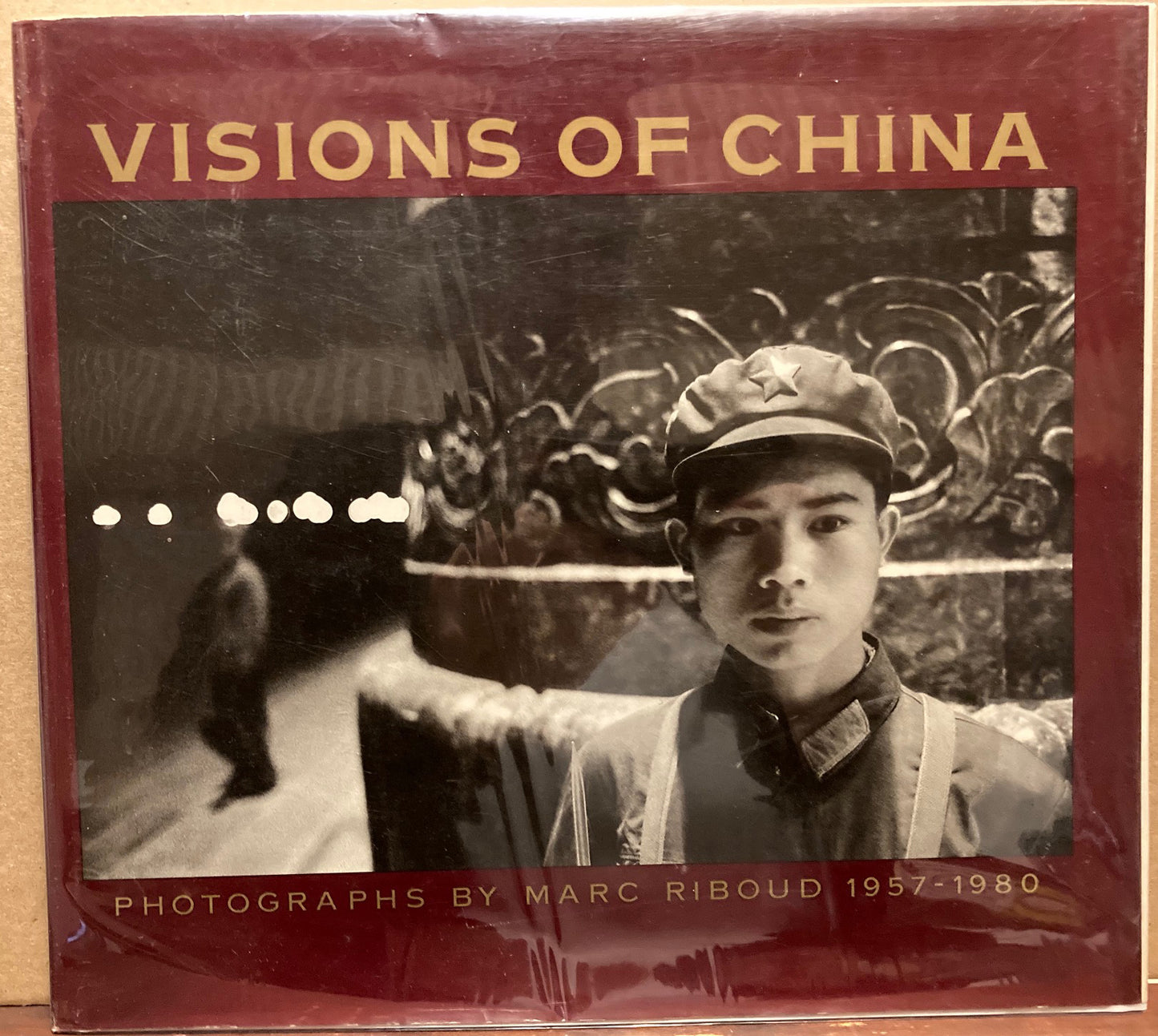
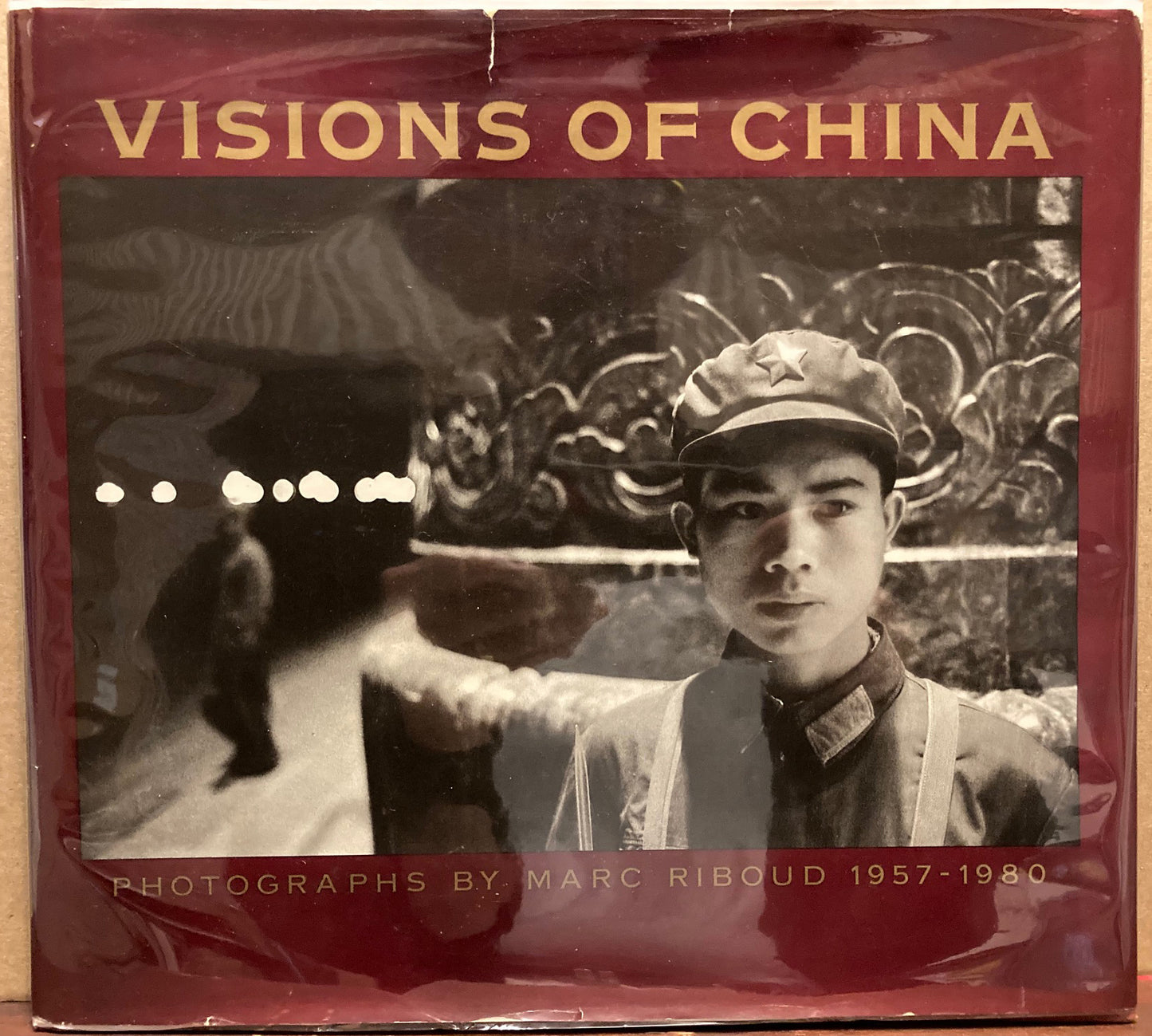
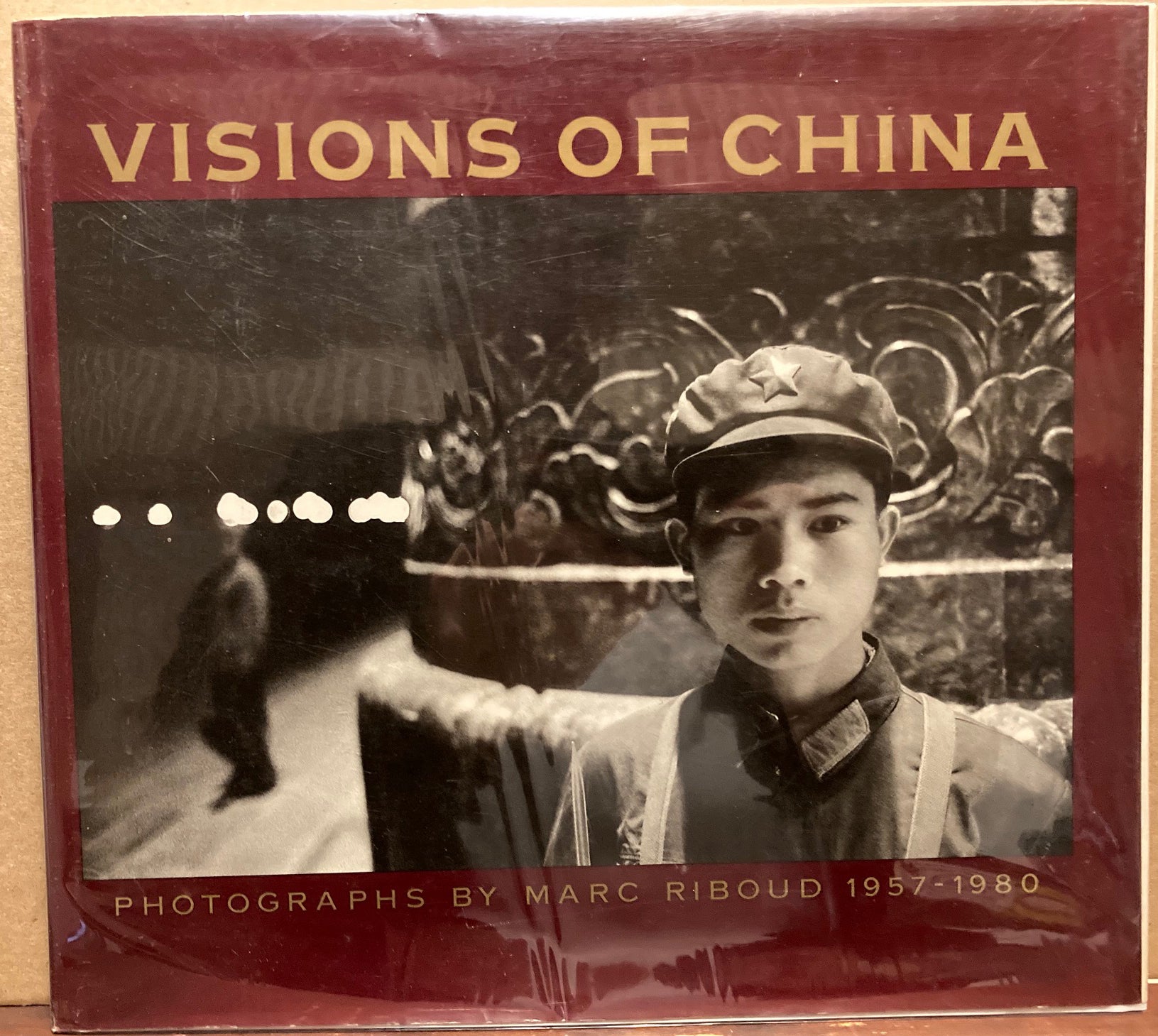
Riboud, Marc. Visions of China by Marc Riboud.
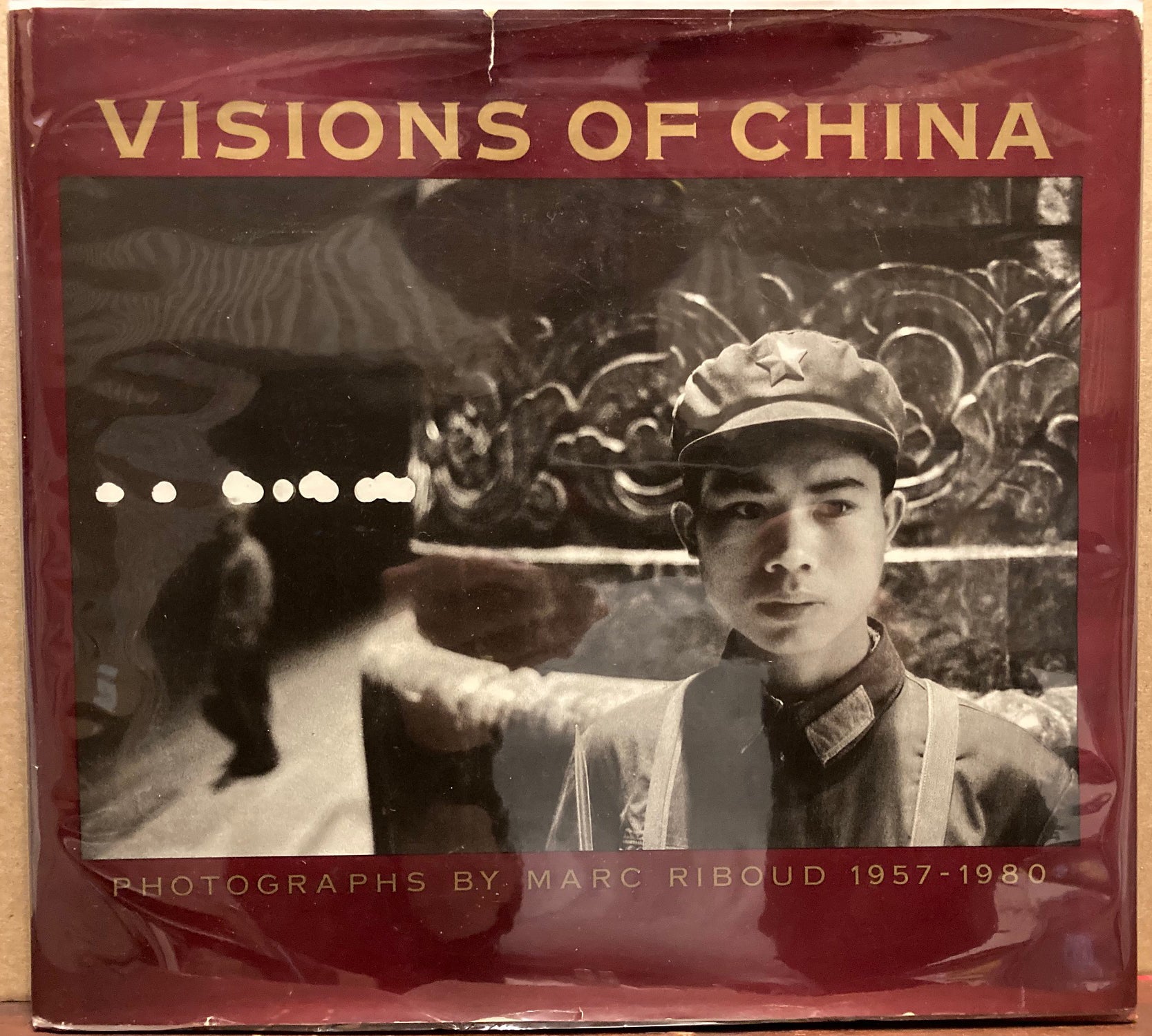
Riboud, Marc. Visions of China by Marc Riboud.
Couldn't load pickup availability
Pantheon, 1980. 1st U.S. ed. (Superb images, taken 1957-1980. French photographer Marc Riboud (1923-2016) is renowned for his books on the Far East: The Three Banners of China, Face of North Vietnam, Visions of China, and In China.) ISBN 0-394-51535-8. (Some incorrect ISBN numbers are in other bookseller listings.) Hardcover, bound in maroon cloth. Summary:
Visions of China: Photographs 1957–1980 (published by Pantheon Books in 1981) is a seminal photographic monograph by the acclaimed French photojournalist Marc Riboud. As one of the first Western photographers permitted to travel extensively throughout the People’s Republic of China after the 1949 revolution, Riboud’s work provides a rare, continuous visual record of a nation undergoing monumental political and social transformations.
Core Themes & Historical Scope
1. Chronicling Three Critical Eras
The monograph is structured around Riboud’s repeated trips to China over a quarter-century, capturing the country across distinctly different political epochs:
-
The Late 1950s: Images documenting the initial idealism and collective push of the Great Leap Forward.
-
The 1960s & 1970s: Striking scenes capturing the height of the Cultural Revolution, featuring red banners, massive public rallies, and omnipresent portraits of Mao Zedong.
-
The Post-Mao Transition: Photographs from the late 1970s and 1980 showing the beginnings of modernization, Western influence, and a gradual loosening of state restrictions.
2. The Humanist Approach
While Riboud documents major political shifts, his lens prioritizes the daily lives of everyday Chinese citizens. Rather than focusing solely on state propaganda and political theater, his black-and-white street photography captures street vendors, children playing, factory workers, and farmers in rural fields. His trademark humanist style highlights personal resilience, dignity, and cultural continuity beneath the surface of sweeping state directives.
3. Contrast of Tradition and Modernity
A recurring aesthetic thread throughout the book is the juxtaposition of ancient Chinese traditions with rapid industrialization. Riboud frequently frames his subjects to emphasize these clashes, such as traditional architecture juxtaposed against smoking factory chimneys, or citizens in traditional garb navigating cities increasingly dominated by industrial machinery and socialist-realist monuments.
Visions of China remains a cornerstone text in photojournalism and Asian studies. By offering a nuanced, empathetic, and long-form look behind the "Bamboo Curtain," Riboud's photographs challenged one-dimensional Western political assumptions of the era, providing a vital window into the evolving identity of modern China.
Copies available:
- Minor wear on price clipped protected dust jacket, otherwise fine.
- Closed tears at top of price clipped protected dust jacket, otherwise fine.