Gary Saretzky Photo Books
Purcell, Rosamond Wolff. Half-Life by Rosamond Wolff Purcell.
Purcell, Rosamond Wolff. Half-Life by Rosamond Wolff Purcell.
Couldn't load pickup availability
David R. Godine, 1980. 1st edition, fine in original red cloth with small remainder mark at bottom of text block near spine. Protected dust jacket is very good with some wear at extremities and a small scuff. Summary:
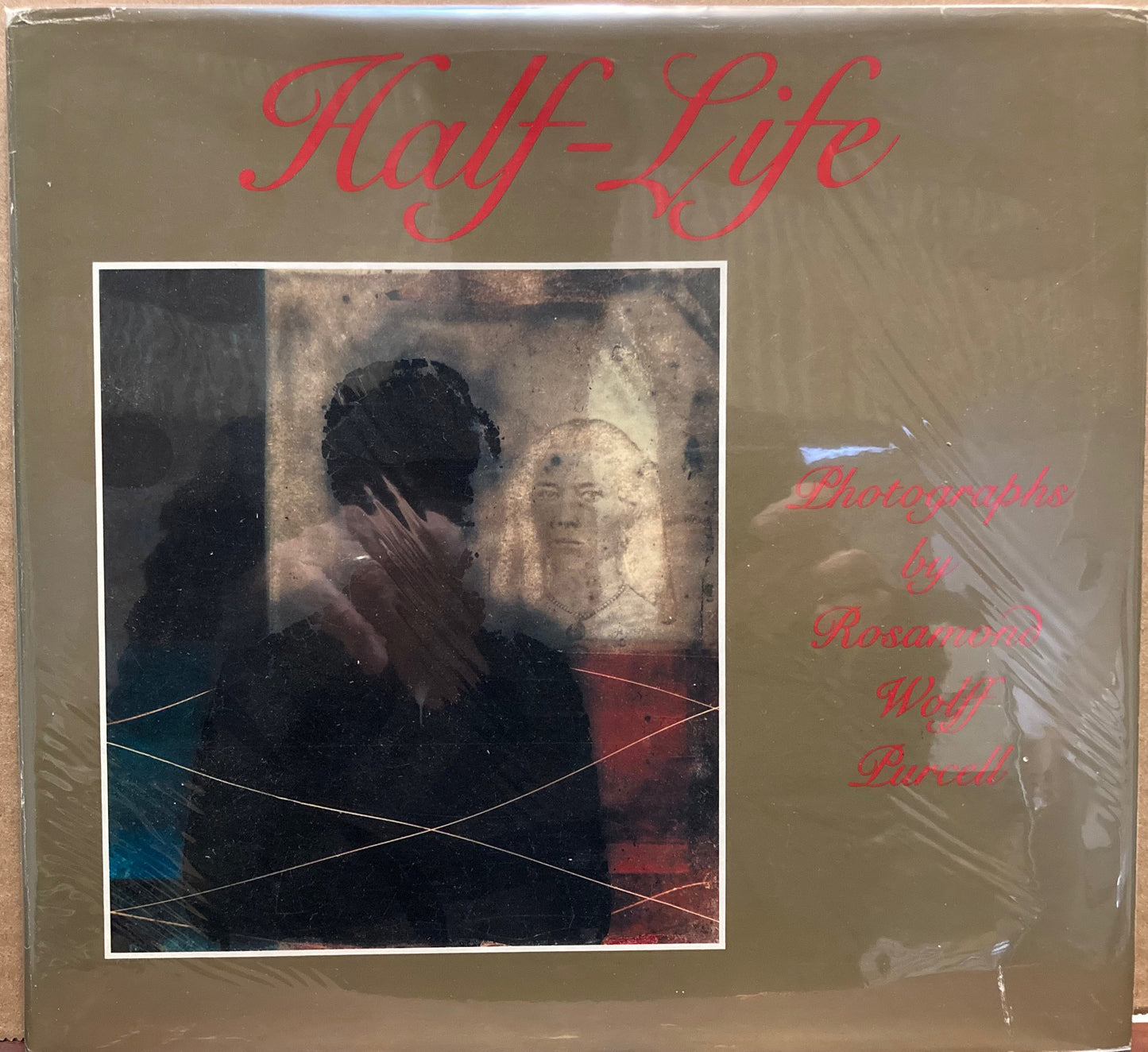
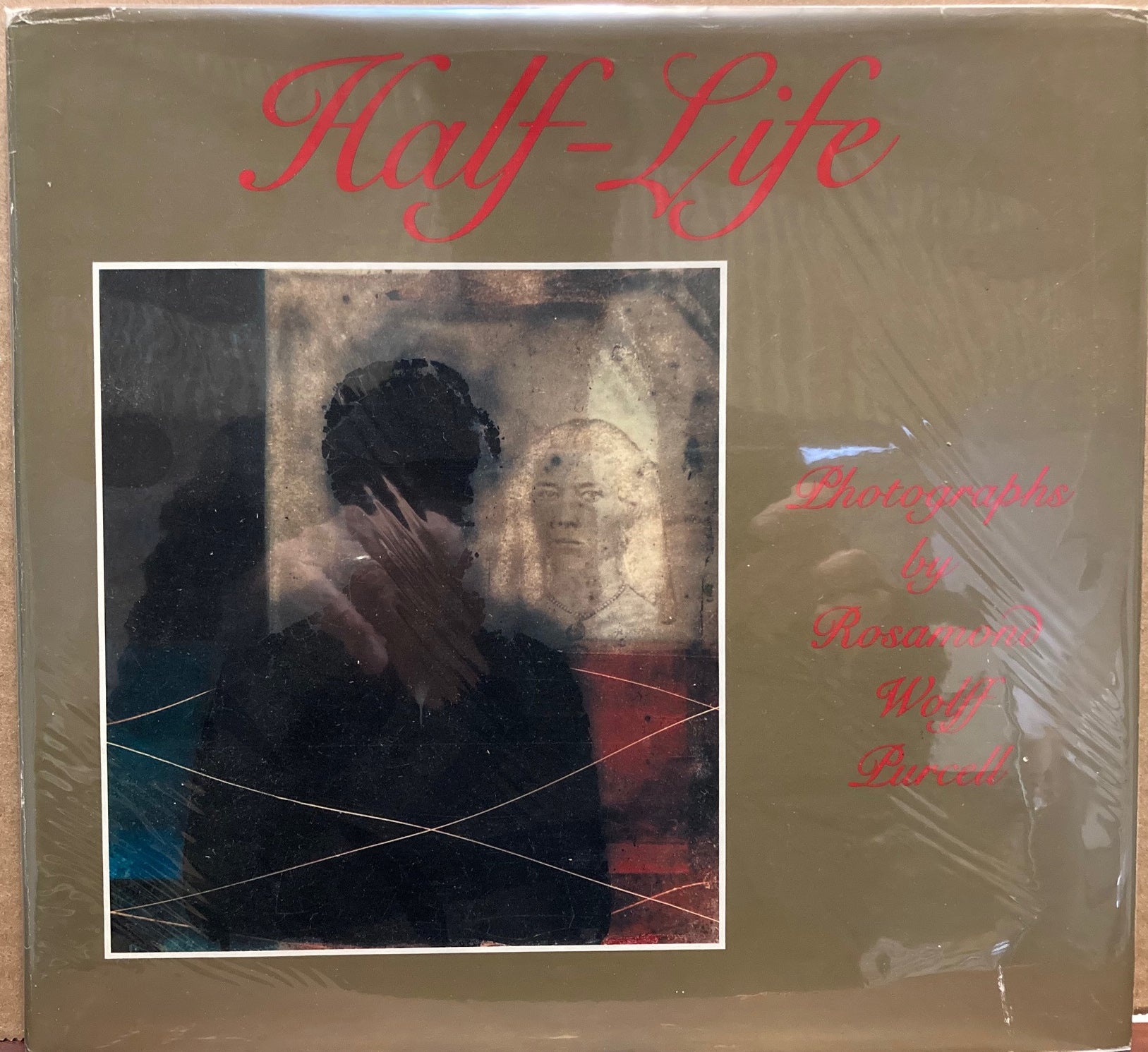
Half-Life: Photographs (published by David R. Godine in 1980) is the second major monograph by acclaimed American photographer Rosamond Wolff Purcell. The book features 32 full-color and 15 duotone plates that showcase her early mastery of Polaroid Land films, establishing her signature style of blending fine art, history, and the natural sciences.
Rather than relying on darkroom manipulation, the collection is celebrated for achieving complex optical effects directly in-camera.
Core Themes & Artistic Techniques
1. The Manipulation of Polaroid Film
The volume is highly regarded for its innovative exploration of the properties of contemporary Polaroid materials. Purcell exploits the unique color palette, immediate development feedback, and chemical textures of instantaneous film to construct a dreamlike, intermediate world on the threshold of reality and illusion.
2. Multi-Layered Visual Illusions
The defining characteristic of the photographs in Half-Life is their heavily layered appearance. Rather than utilizing double exposures, Purcell creates complex, multi-faceted arrangements by physically overlapping subjects with light-reflective, translucent, or mirrored surfaces. She frequently shoots through old glass or overlays historic ambrotype portraits with physical subjects, creating haunting, transparent composite imagery.
3. Merging the Organic and the Historical
A major thematic thread running through the publication is the surreal juxtaposition of human, botanical, and zoological elements. Purcell constructs intricate still lifes and portraits that place living or deceased men and women alongside preserved plants, roots, and organic matter, taxidermied animals, birds, and skeletal structures, and arcane medical specimens and exotic artifacts.
Half-Life marked a major milestone in Purcell's trajectory toward becoming a preeminent photographer of museum archives and natural history collections. By treating the camera lens as a tool for psychological and metaphorical exploration, the publication demonstrates how historical artifacts and natural specimens can be recontextualized to evoke deep collective memory, melancholy, and transience.