Gary Saretzky Photo Books
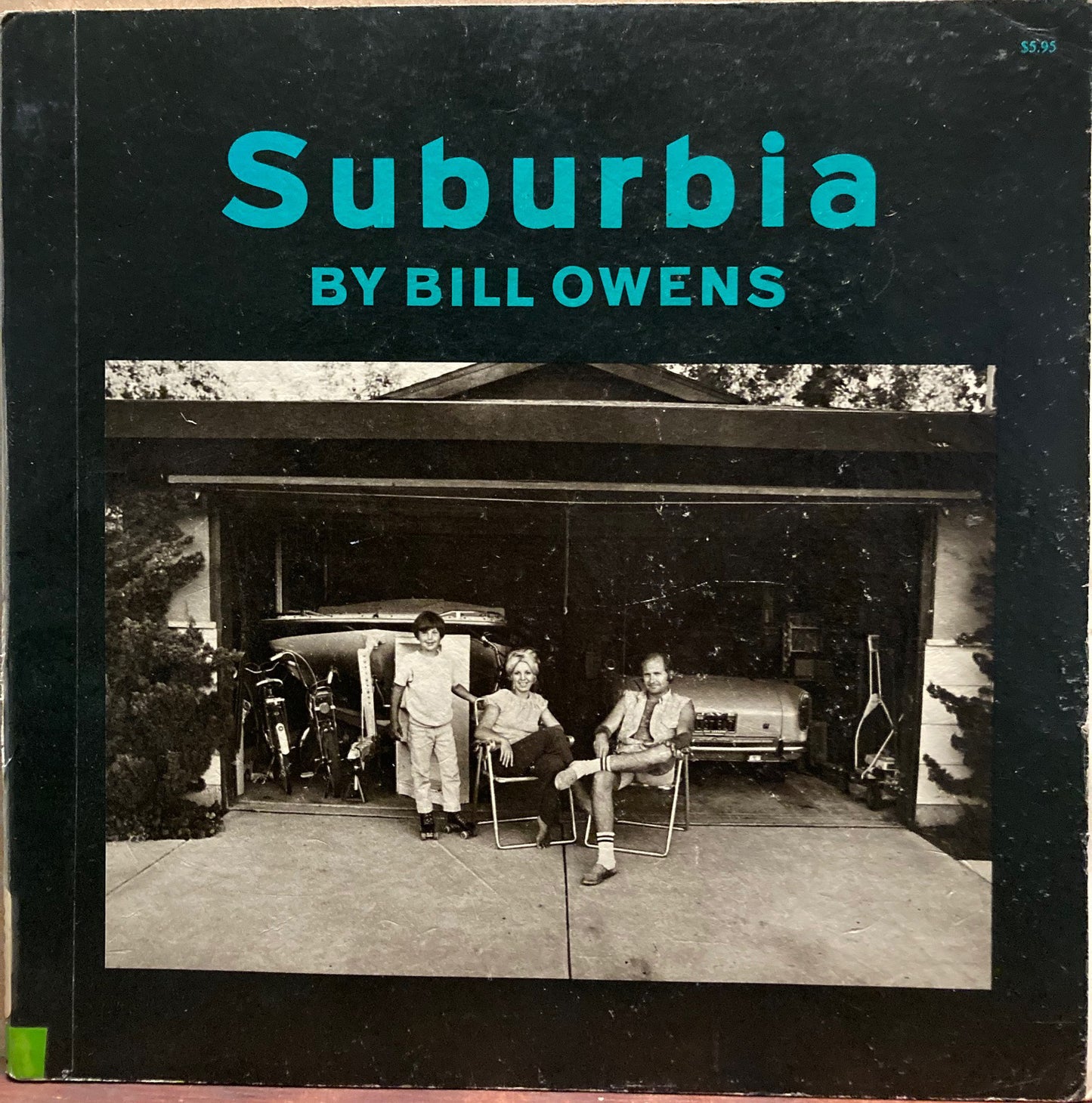
Owens, Bill. Suburbia by Bill Owens.
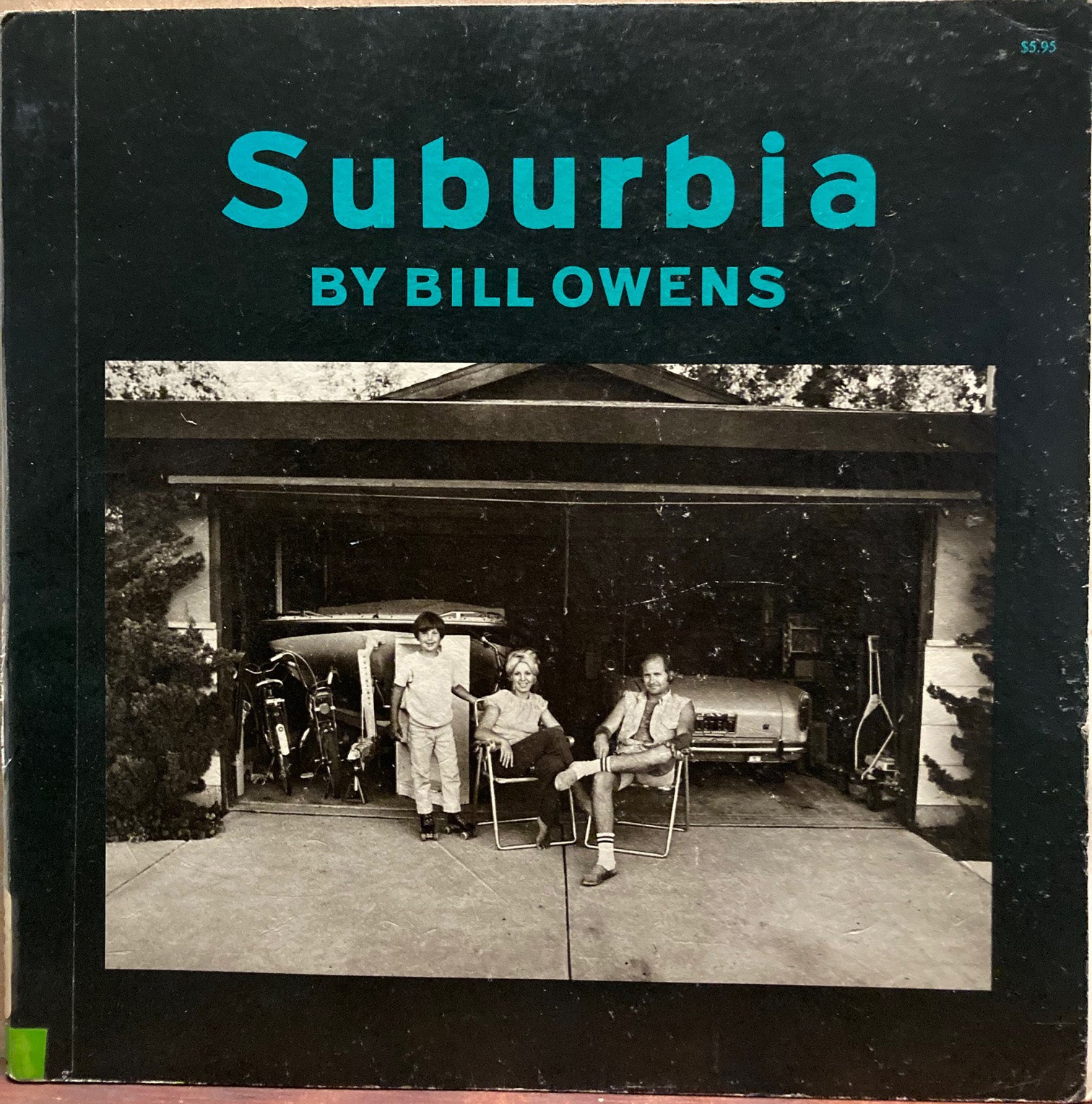
Owens, Bill. Suburbia by Bill Owens.
Couldn't load pickup availability
Straight Arrow Books, 1973, Softcover edition, 1st printing [December 1972]. This book of photographs taken in Livermore, California, has been recognized as a classic in its genre and a key publication of 1970s photography. Bill Owens was one of the first photographers to make suburban living his subject matter. Ex-library with spine label and clear library tape along spine. Good condition with shelf wear on edges and slight indentations on covers. Card pocket removed from rear cover. Listed in Roth, Book of 101 Photography Books. A good copy of a scarce and important book. Summary:
Suburbia (originally published in 1973 by Straight Arrow Books) is a landmark American documentary photography book by Bill Owens. Through a poignant combination of black-and-white images and candid quotes from his subjects, the monograph offers an intimate, humorous, and deeply authentic look at the post-World War II mass migration to the suburbs, focusing specifically on the planned communities of Livermore and Amador Valley, California.
Core Content & Conceptual Framework
1. An Inside Perspective on the American Dream
Unlike many contemporary urban critics who viewed suburban sprawl with open condescension, Owens approached his subjects as an insider and neighbor. Working as a local newspaper photographer, he gained unprecedented access to the living rooms, backyards, and daily rituals of middle-class families. The visual narrative chronicles the genuine pride, optimism, and material satisfaction of working-class people achieving homeownership, capturing the specific social milieu of the early 1970s.
2. The Material Landscape of Abundance
The core visual layout meticulously indexes the physical infrastructure and domestic consumer goods that defined suburban existence. Owens documents the homogenous tract housing developments, manicured lawns, cul-de-sacs, and newly minted shopping centers. Inside the homes, the camera focuses on the era's cutting-edge status symbols, including:
-
Tupperware Parties and Kitchen Gadgets: Homemakers interacting with modern appliances and plastic storage containers.
-
Backyard Culture: Men operating newly bought lawnmowers, family barbecues, and children playing in inflatable swimming pools.
-
The Garage and Driveway: The central role of the automobile, recreational vehicles, and organized storage shelves.
3. The Text-and-Image Dialogue
A defining structural element of Suburbia is the pairing of large-format photographs with direct, unedited quotes from the people pictured. These captions provide critical psychological context, revealing a complex mix of simple contentment, consumerist anxiety, and existential boredom. Statements regarding the joy of having a built-in dishwasher or the stress of maintaining a perfect green lawn transform the book from a simple photo album into a profound work of visual sociology.
Suburbia remains one of the most influential American photobooks of the late 20th century, completely redefining the genre of social documentary photography. By treating tract-home culture with a perfect balance of gentle irony and deep empathy, Owens captured the exact moment the suburban lifestyle became the dominant cultural identity of the United States.