Gary Saretzky Photo Books
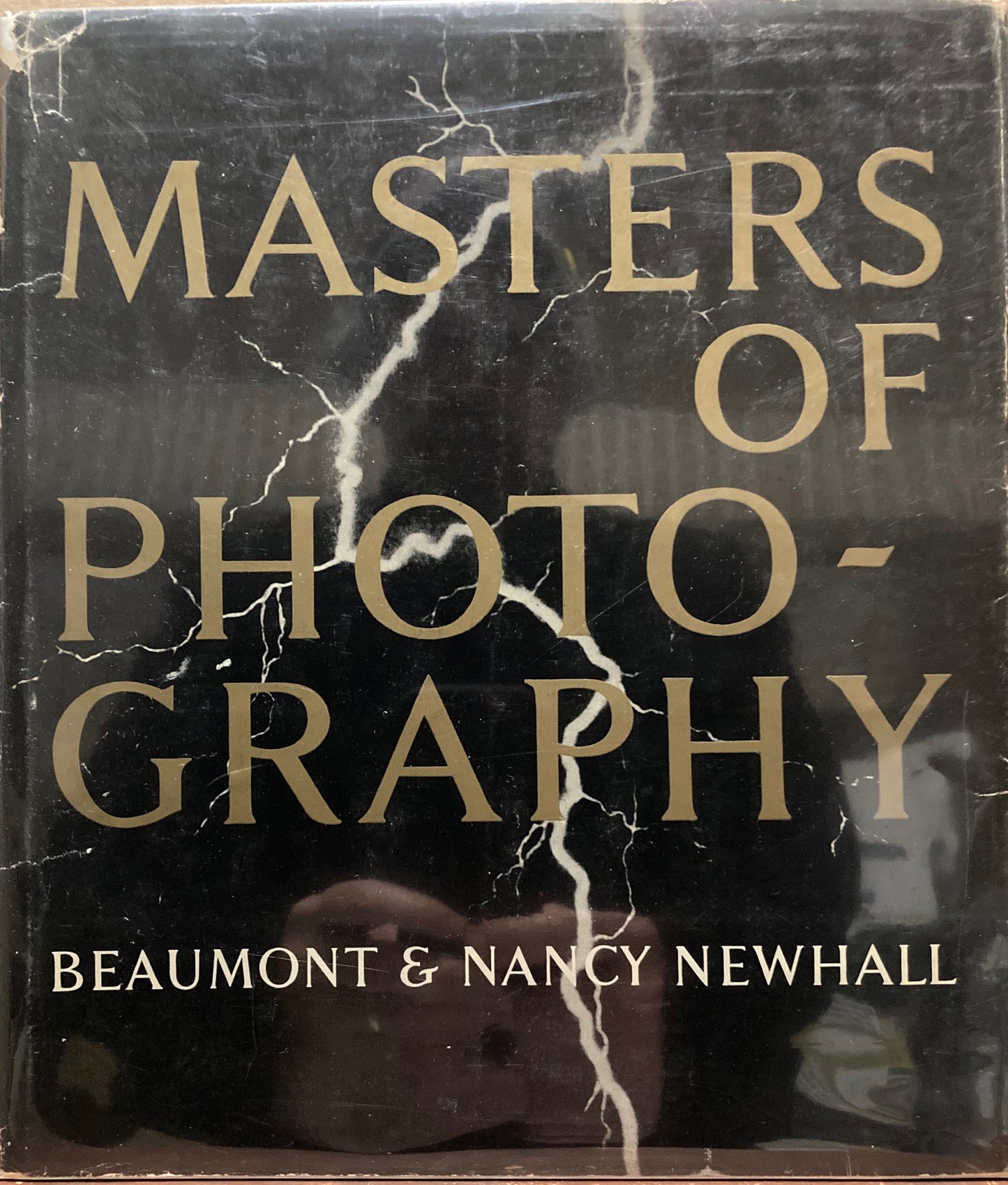
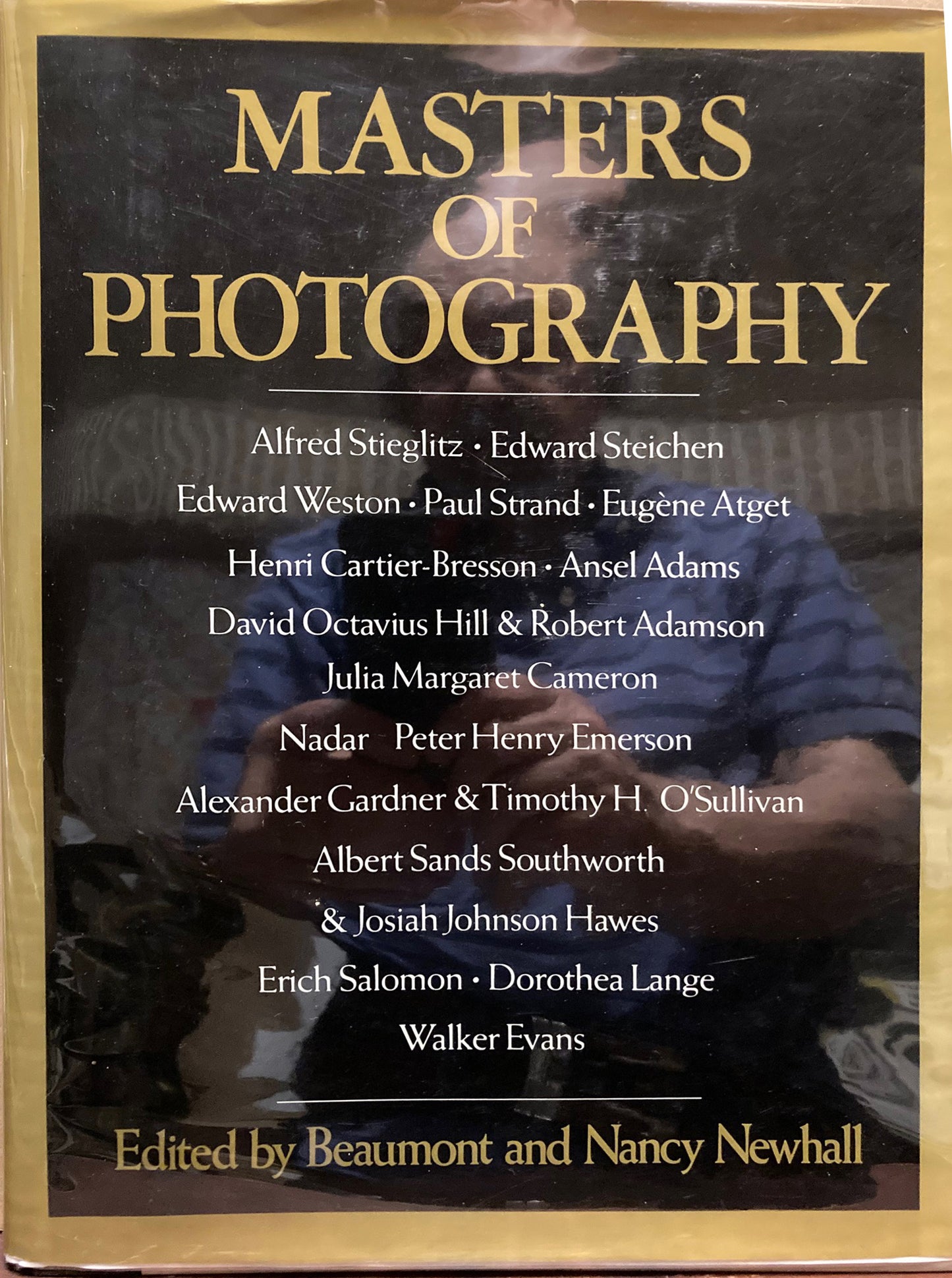
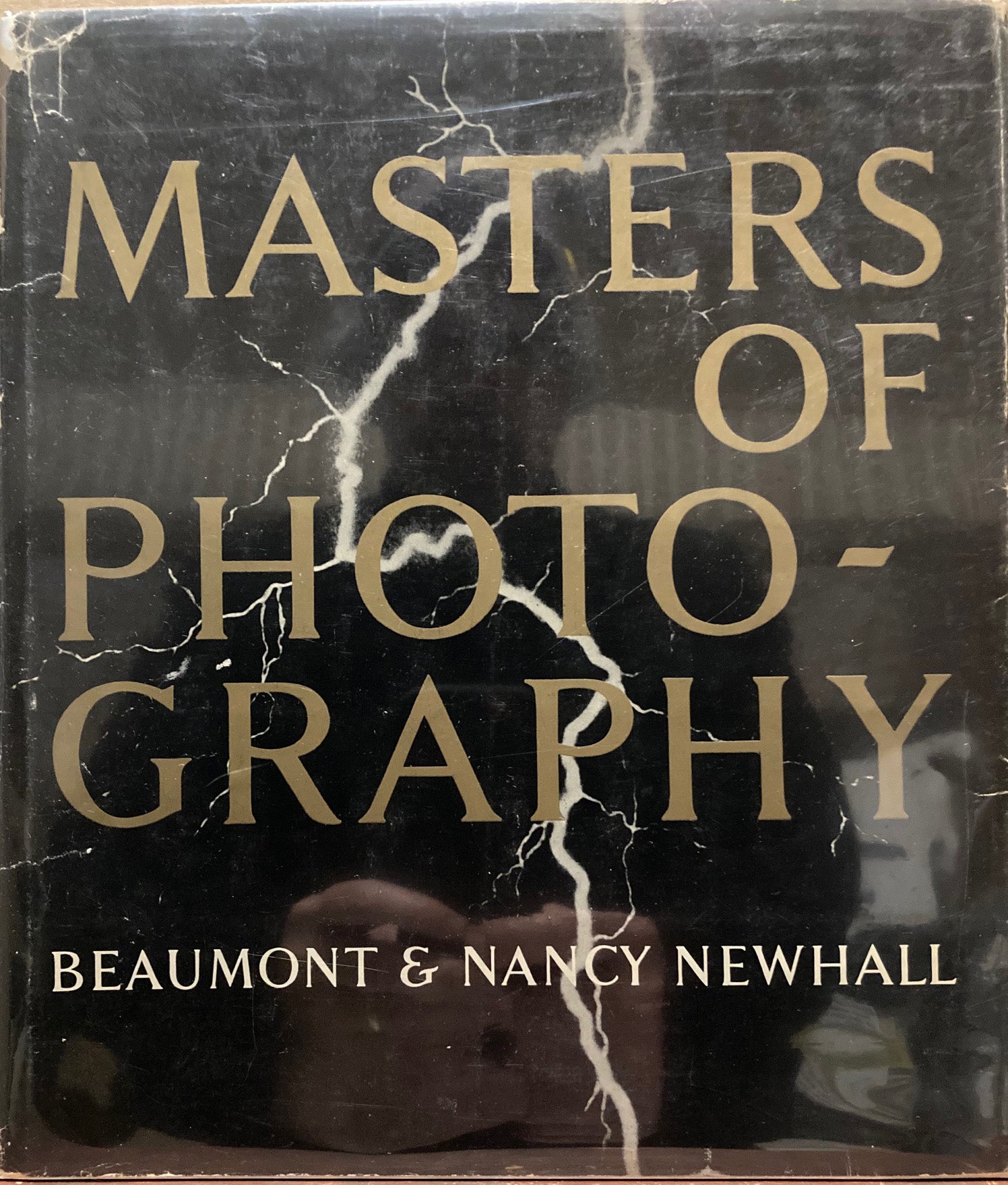
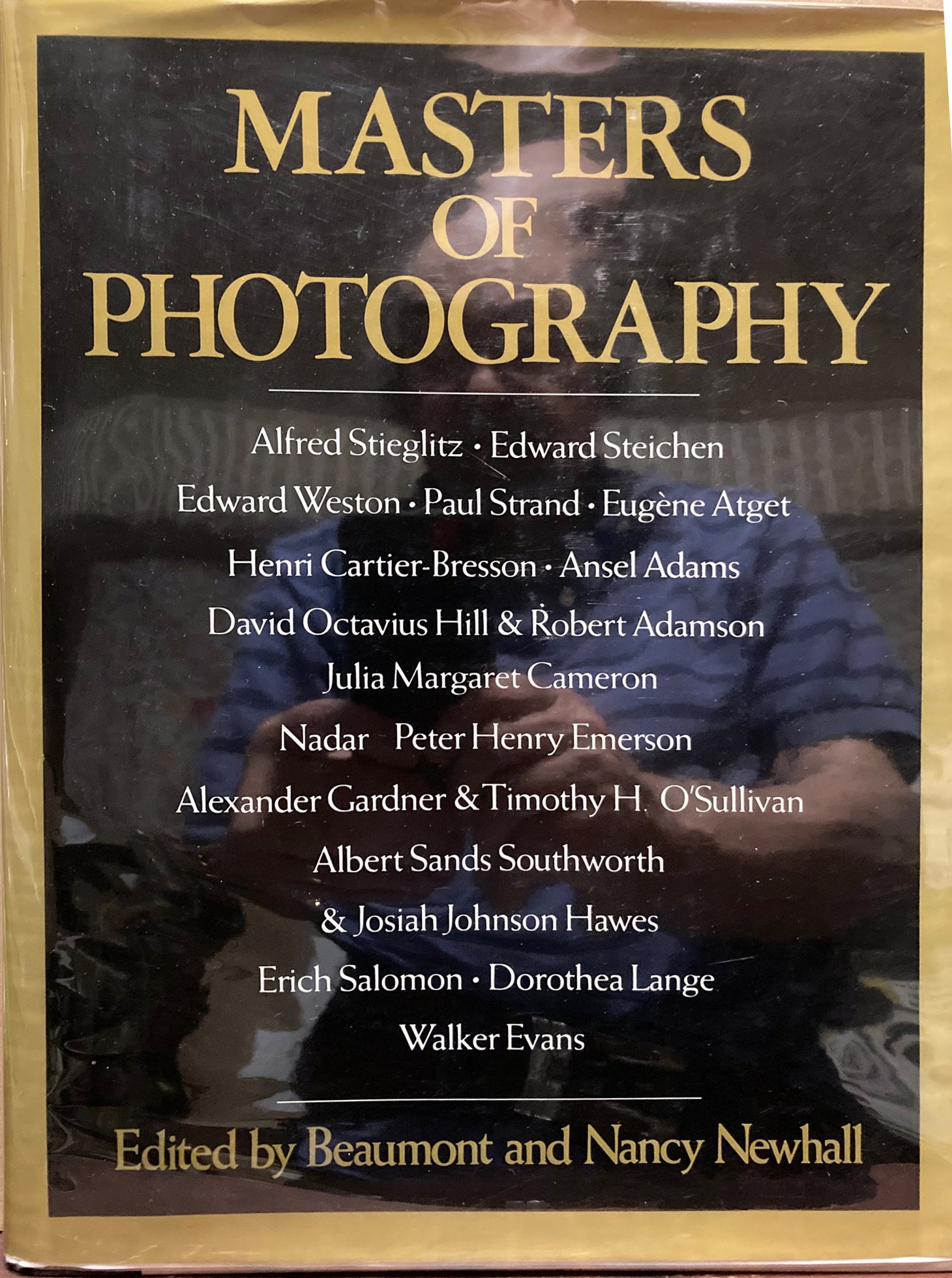
Newhall, Beaumont and Nancy Newhall. Masters of Photography by Beaumont and Nancy Newhall.
Newhall, Beaumont and Nancy Newhall. Masters of Photography by Beaumont and Nancy Newhall.
Couldn't load pickup availability
Barziller, 1958. 1st edition. [Includes Hill and Adamson, Southworth and Hawes, Julia Margaret Cameron, Timothy O'Sullivan, Alexander Gardner, Alfred Stieglitz, Edward Steichen, Eugene Atget, Paul Strand, Edward Weston, Erich Salomon, Dorothea Lange.] Better reproduction quality than the reprint. Summary:
Masters of Photography (published in 1958 by George Braziller, Inc.) is a monumental, 192-page anthology co-authored by the legendary husband-and-wife team of Beaumont Newhall, the first director of the International Museum of Photography at George Eastman House, and Nancy Newhall, the distinguished critic and curator. Featuring over 150 meticulously reproduced graphic plates, this landmark publication serves as a comprehensive historical overview designed to define the canon of photography as a mature and autonomous fine art form.
Core Content & Historical Framework
1. The Codification of the Photographic Canon
The primary objective of the volume is the formal codification of photography’s early history by centralizing its most influential pioneers. The Newhalls structure the book chronologically, dedicating individual chapters to nineteen specific "masters" who elevated the medium above mere mechanical utility. The curated timeline spans more than a century of visual evolution, starting with 19th-century innovators like David Octavius Hill and Robert Adamson, moving through Julia Margaret Cameron, and continuing through early 20th-century titans such as Alfred Stieglitz, Edward Steichen, Eugène Atget, and Paul Strand.
2. The Battle for Straight Photography and Purism
A major conceptual thread running through the biographies and selected plates is the promotion of "straight photography"—the purist artistic philosophy that values sharp focus, unmanipulated negatives, and a direct exploitation of the camera's inherent characteristics. The authors champion artists who rejected the romantic, blurry, and painterly imitations of the Pictorialist movement. The book places immense emphasis on the sharp-focus modernism of Edward Weston, Ansel Adams, and Walker Evans, celebrating their ability to reveal the world with clinical clarity and profound formal beauty.
3. Humanism and the Rise of the Documentary Eye
Beyond formal purism, the anthology traces the dramatic mid-century shift toward social humanism and international photojournalism. The Newhalls expand their artistic framework to include masters who used the camera as a precise instrument for social commentary and psychological truth. This transition is documented through the inclusion of definitive portfolios from Lewis Hine, Dorothea Lange, Henri Cartier-Bresson, and Brassaï, analyzing how these photographers captured the spontaneous, fleeting rhythms of public life and the shared vulnerabilities of the human condition.
4. Technical Biography and Critical Pairing
The structural layout of the book reflects the authors' pioneering work in visual literacy, utilizing full-page exhibition-quality plates paired with concise, authoritative text. Each chapter combines a detailed technical biography—outlining the specific cameras, chemical processes, and printing preferences of the master—with critical analysis of their aesthetic philosophies. This systematic approach demystifies the artistic process, demonstrating to a mid-century public how technological mastery directly informed the creation of enduring cultural icons.
Published during a critical decade when major museums were still hesitant to validate photography alongside painting and sculpture, Masters of Photography stands as a foundational textbook of photographic history. By combining Beaumont's rigorous academic scholarship with Nancy's poetic criticism and editorial eye, this volume successfully institutionalized a definitive artistic hierarchy that shaped museum curation, academic instruction, and public appreciation of the medium for generations.
- Fine 1st edition 1958 with edge torn and chipped dust jacket.
- Also available, Park Lane reprint, 1981. Fine with near fine dust jacket.