Gary Saretzky Photo Books
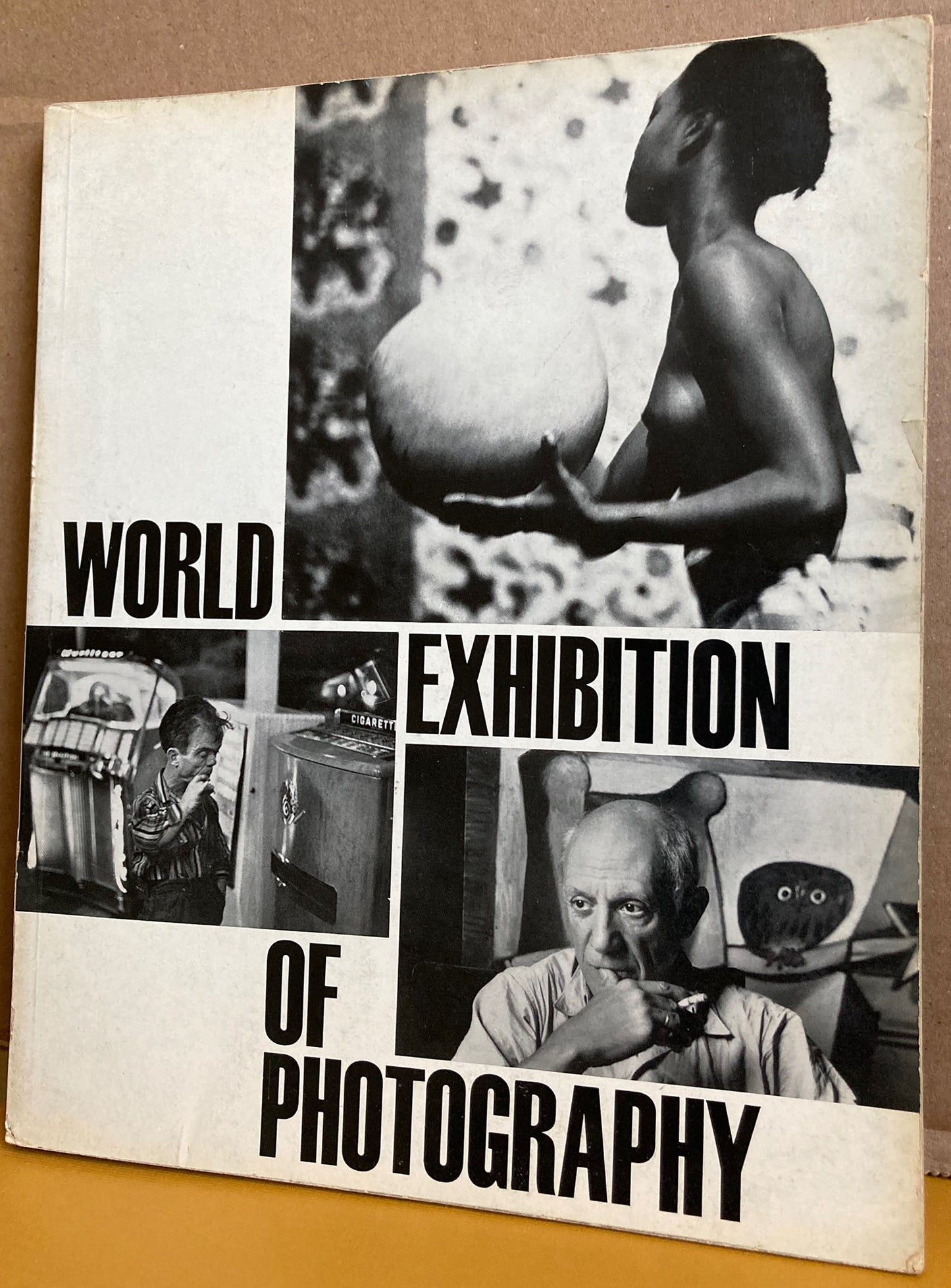
World Exhibition of Photography . . . on the Theme, What Is Man? Exhibition Catalog.
World Exhibition of Photography . . . on the Theme, What Is Man? Exhibition Catalog.
受取状況を読み込めませんでした
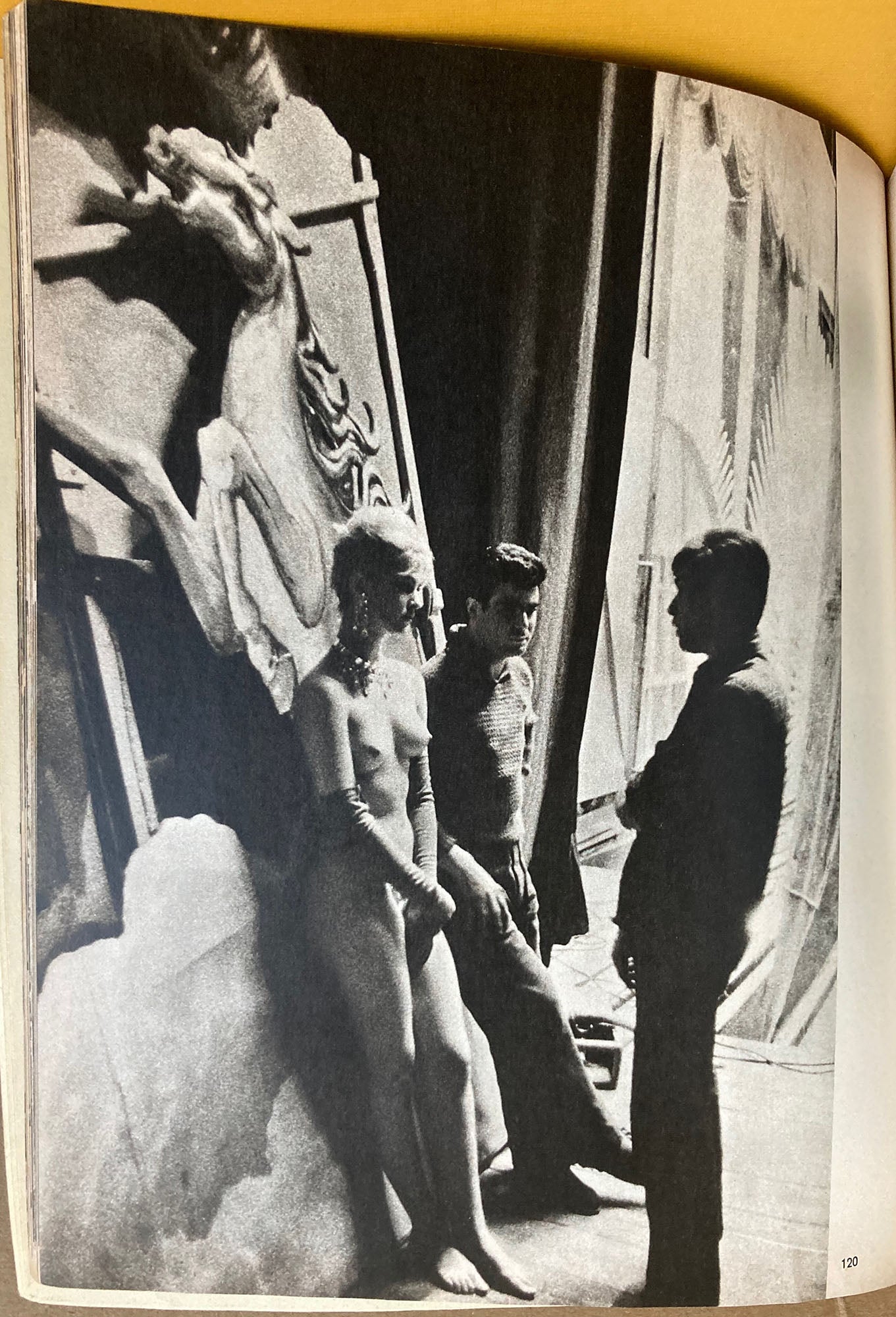
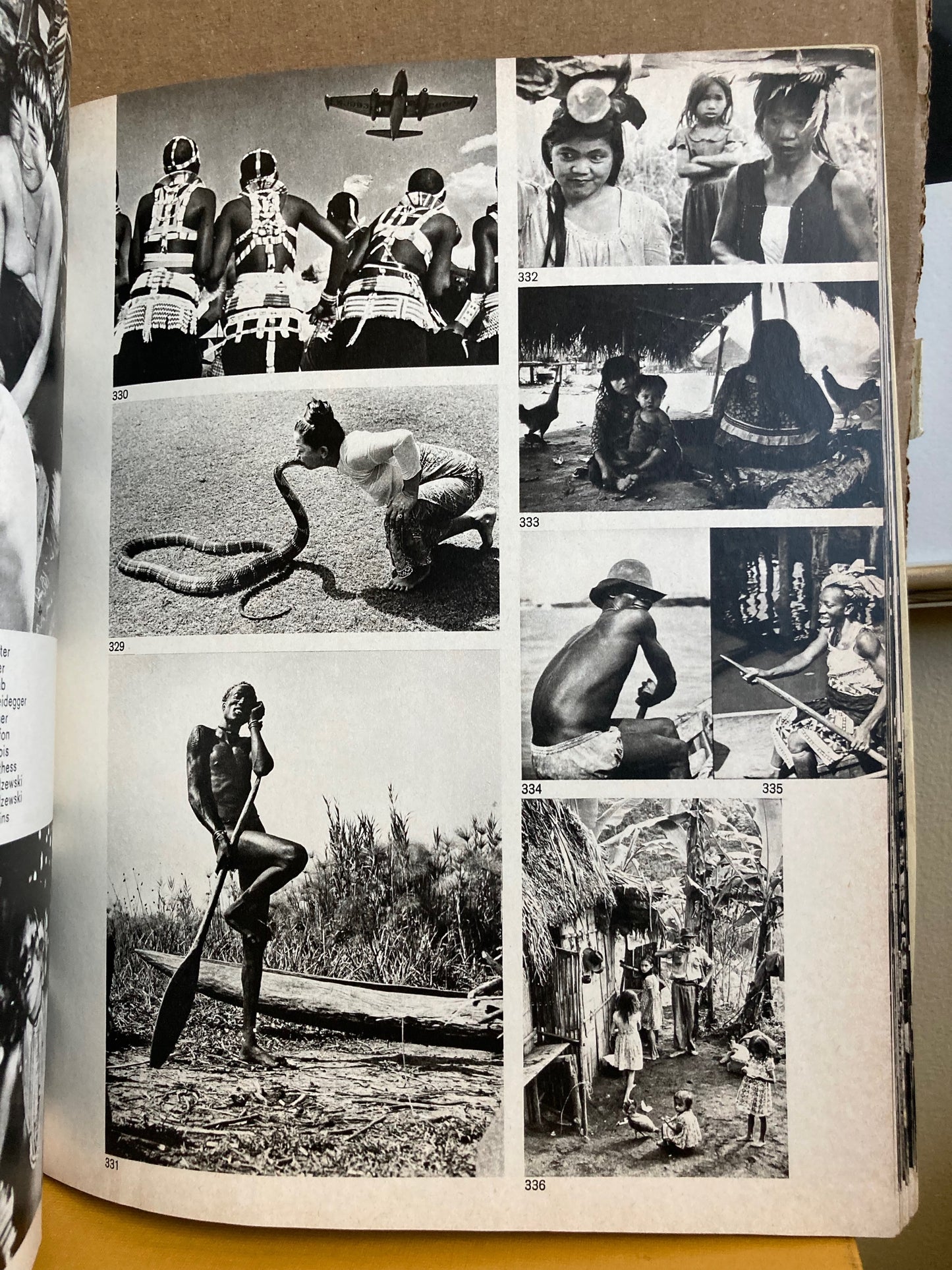
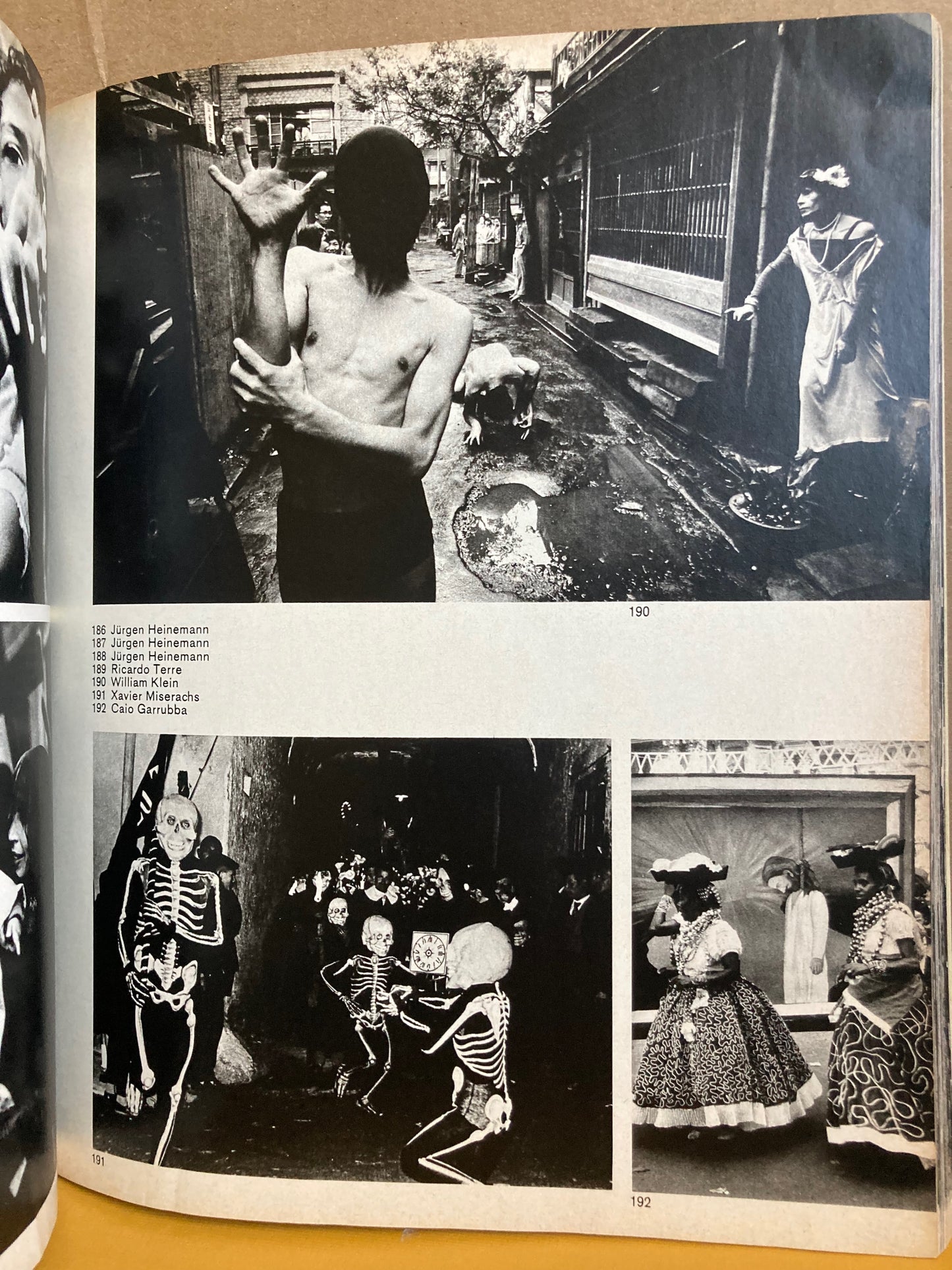
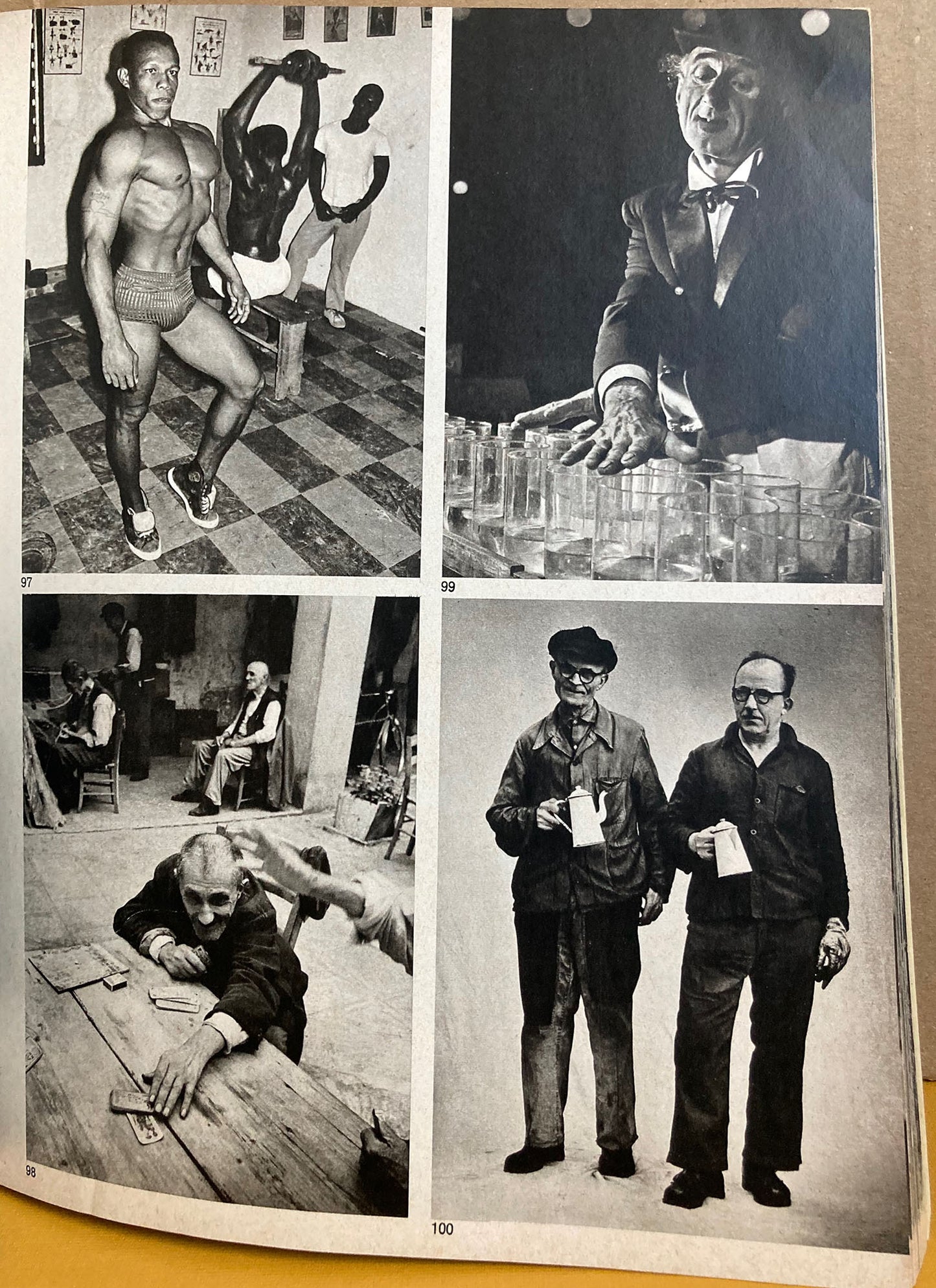
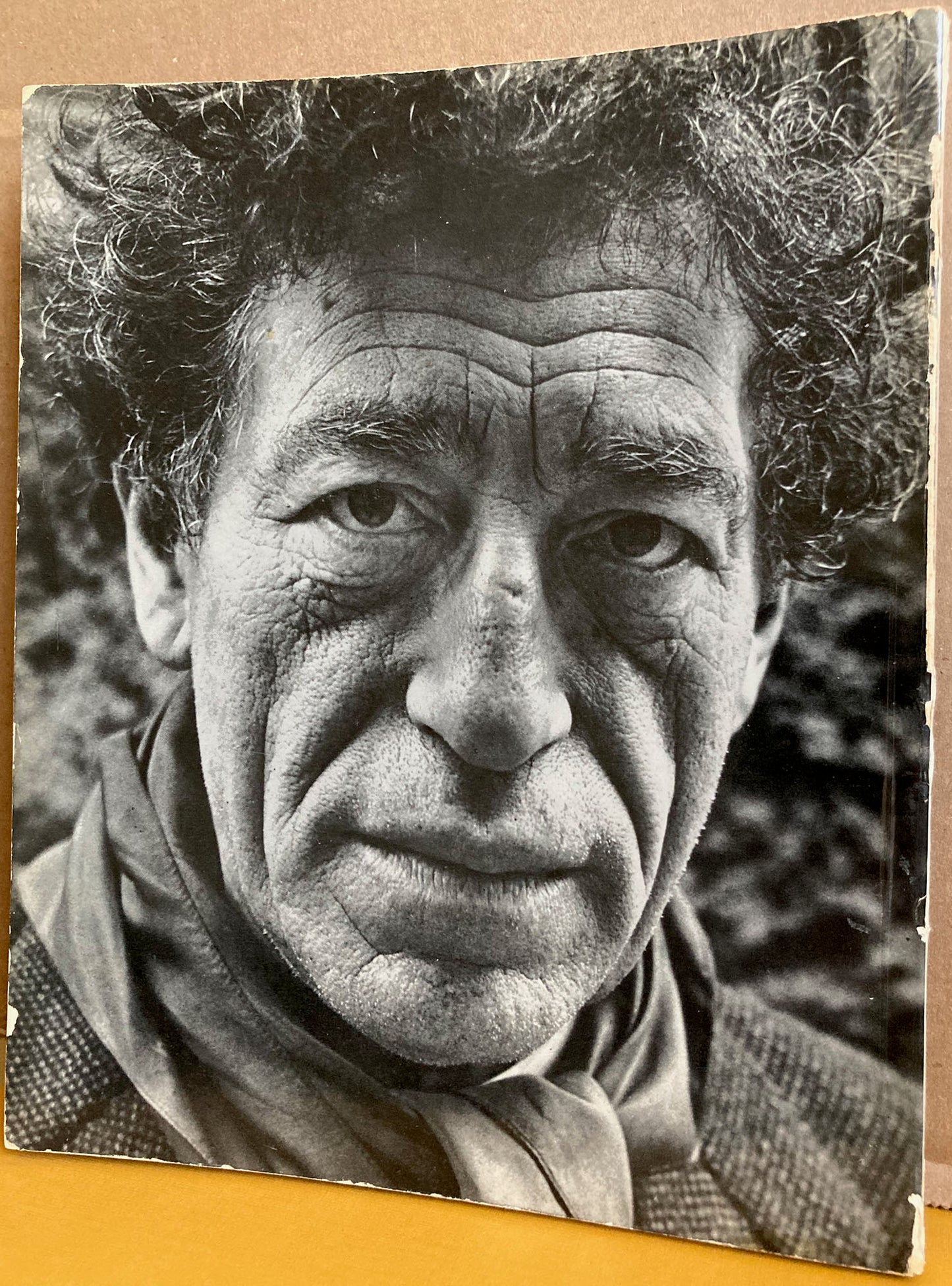
Verlag Henri Nannen, 1964. Texts by Henrich Böll and Karl Pawek. Wraps, spine chipped where tape removed, otherwise near very good with some edge wear. Custom made 4-mil polyester jacket. Also issued in a German edition. Concept very similar to the earlier The Family of Man exhibition. 555 black and white photos by 264 photographers from 30 countries. Photographers include Claudia Andujar, David Attie, Peter Basch, Cecil Beaton, Renate Bein, French Berko, Werner Bischof, Edouard Boubat, Breitenbach, Sonya Bullaty, Robert Capa, Henri Cartier-Bresson, J. Ph. Charbonnier, Lucien Clergue, Ralph Crane, Bruce Davidson, Robert Doisneau, Eliot Elisofon, Ed van der Elsken, Andreas Feininger, Leonard Freed, Toni Frissell, Mario Giacomelli, Ernst Haas, Hiroshi Hamada, Rudi Herzog, Ken Heyman, Thomas Höpker, Frank Horvat, Eikoh Hose, Pierre Jahan, Yale Joel, Yousuf Karsh, Aart Klein, William Klein, Jacque-Henri Lartigue, Herbert List, Angelo Romeo, Jan Lukas, Michael Martone, Wayne Miller, Charles Moore, Stefan Moses, Gordon Parks, Fulvio Roiter, Erich Salomon, David Seymour, Jeanloup Sieff, W. Suschitzky, Suzanne Szasz, Roger Schall, Emil Schulthess, Otto Steinert, Wolf Strache, Bob Willoughby, Rolf Winquist, Pia Zanetti, et al. Surprisingly uncommon. See sample photos. Summary:
World Exhibition of Photography . . . on the Theme, What Is Man? (edited by Karl Pawek, with texts by Heinrich Böll) is a 1964 exhibition catalogue documenting a global photography exhibition that asked a simple but profound question: “What is man?” The book reproduced all 555 black-and-white photographs selected from more than 20,000 submissions by a jury representing 264 photographers from 30 countries.
The photographs are arranged not as a documentary record of world events but as visual essays grouped into thematic sequences that explore the human condition—life and death, work and play, suffering and joy, identity and culture—through varied cultural and social lenses. The catalogue reflects the exhibition’s ambitious attempt to probe human experience across geographic and political boundaries, inspired in part by the earlier influential photography exhibition The Family of Man but with a more confrontational and sociological stance. Rather than presenting idealized unity, Pawek’s thematic groupings often juxtapose contrasting images to provoke reflection on race, inequality, conflict, and shared existential questions.
Textual contributions—such as essays by Böll—provide literary and philosophical framing, emphasizing photography’s capacity to reveal not only what people do but what they are. The book captures both the diversity of photographic approaches and an expansive, sometimes challenging, inquiry into humanity during the mid-20th century. Here is a comparison between The Family of Man and World Exhibition of Photography - What Is Man?
1. Curatorial Vision and Tone
The Family of Man (1955)
Curated by Edward Steichen for Museum of Modern Art, it presented a sweeping humanist message: despite cultural differences, people everywhere share fundamental experiences—birth, love, work, family, death. Its tone is optimistic and unifying, especially in the early Cold War context. The exhibition aimed to promote international understanding and emotional solidarity.
World Exhibition of Photography – What Is Man? (1964)
Organized by Karl Pawek, with essays by Heinrich Böll, it asked a more philosophical—and more unsettling—question. Rather than assuming shared harmony, it probes contradictions: alienation, inequality, violence, modern mass society, and existential uncertainty. Its tone is more analytical, sometimes confrontational.
Key Difference:
Steichen’s exhibition asserts human unity. Pawek’s project questions what humanity actually is in a fractured modern world.
2. Structure and Presentation
The Family of Man
-
Highly theatrical installation design.
-
Images arranged in flowing, emotionally structured sequences.
-
Minimal text—photographs carry the message.
-
Strong narrative arc from birth to death.
What Is Man?
-
Presented in book form as a comprehensive exhibition catalogue.
-
Organized into thematic groupings, but often through juxtaposition rather than smooth narrative.
-
Text essays provide philosophical framing.
-
Less sentimental sequencing; more visual tension.
Key Difference:
The Family of Man guides viewers toward emotional identification. What Is Man? encourages critical reflection and comparison.