Gary Saretzky Photo Books
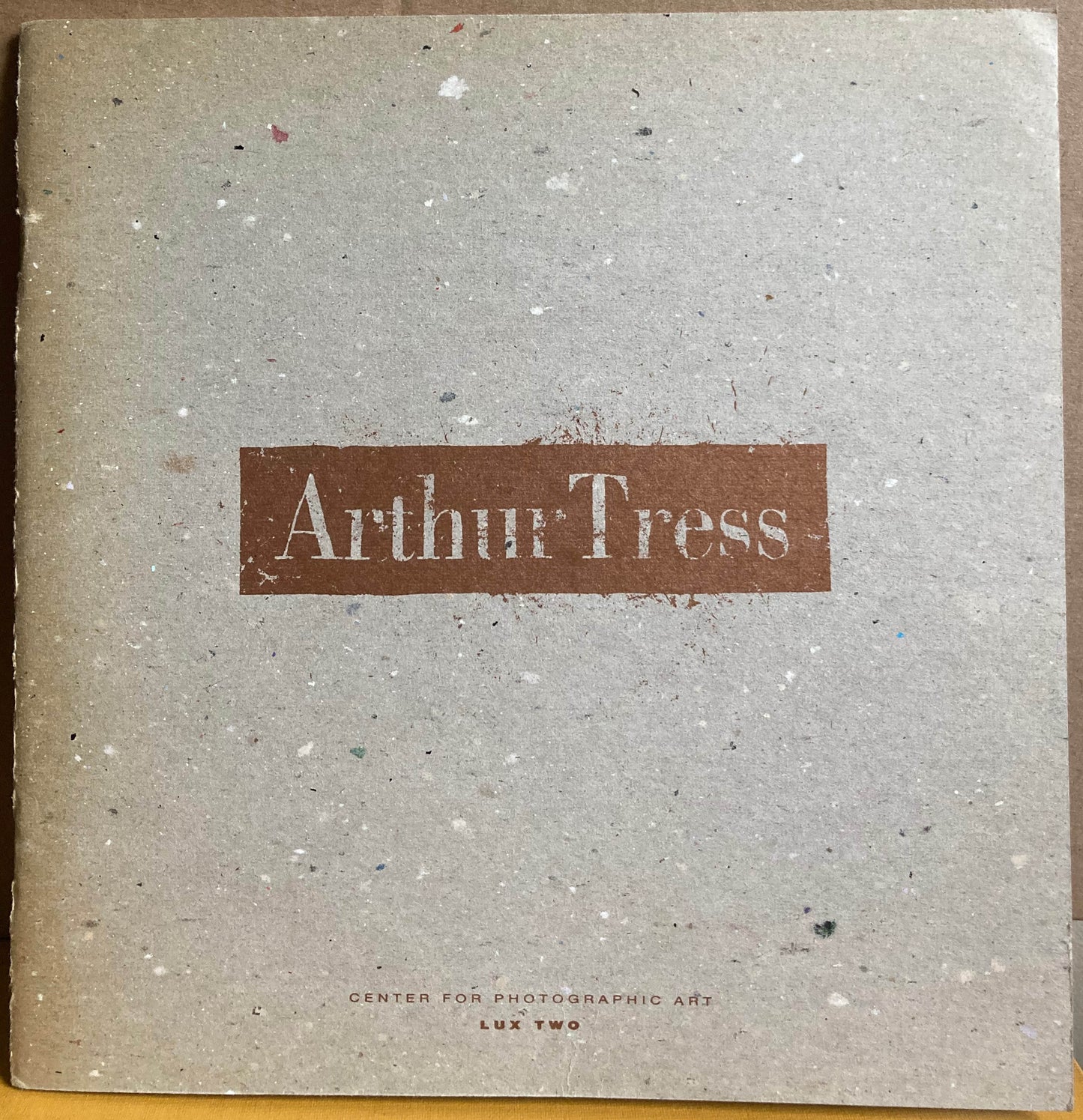
Tress, Arthur. Arthur Tress. Center for Photographic Art. Lux Two. Exhibition Catalog.
Tress, Arthur. Arthur Tress. Center for Photographic Art. Lux Two. Exhibition Catalog.
受取状況を読み込めませんでした
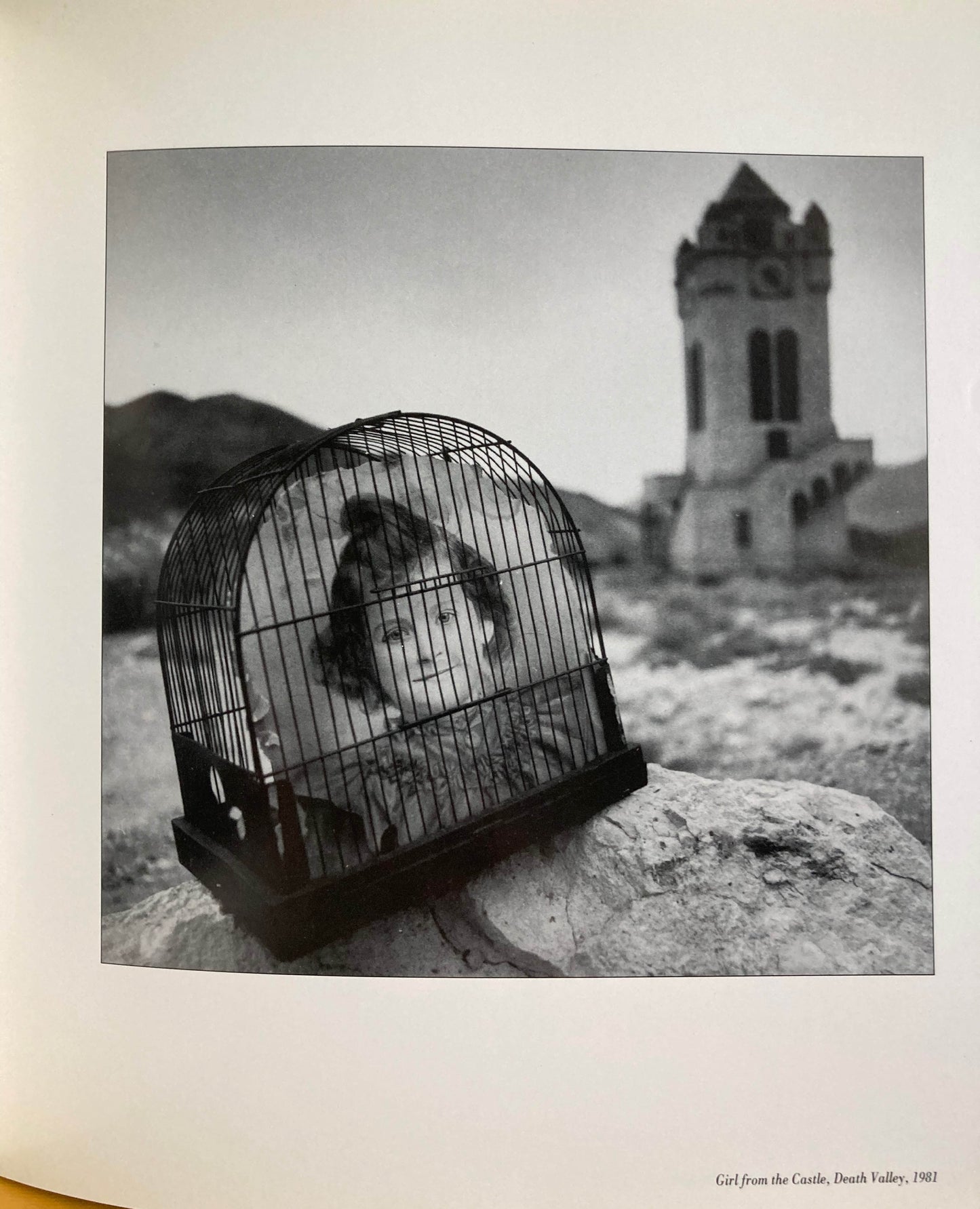
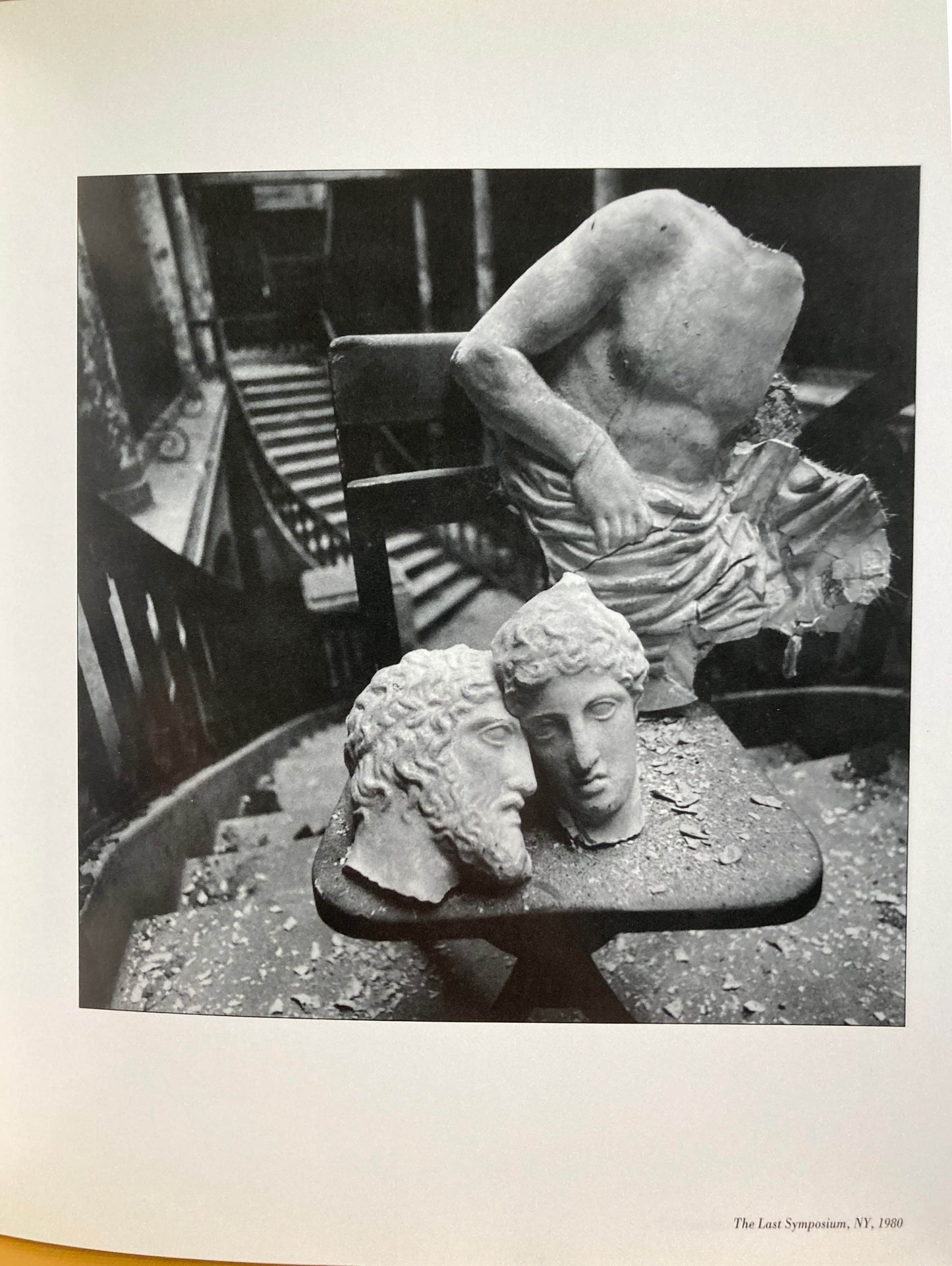
Center for Photographic Art, 1993. Introduction by Michel Tournier. Includes 24 well-reproduced dream-like photographs by Arthur Tress. Stapled wraps, darkened along spine and with a slight crimp at upper right of cover and pages. Very good. Summary:
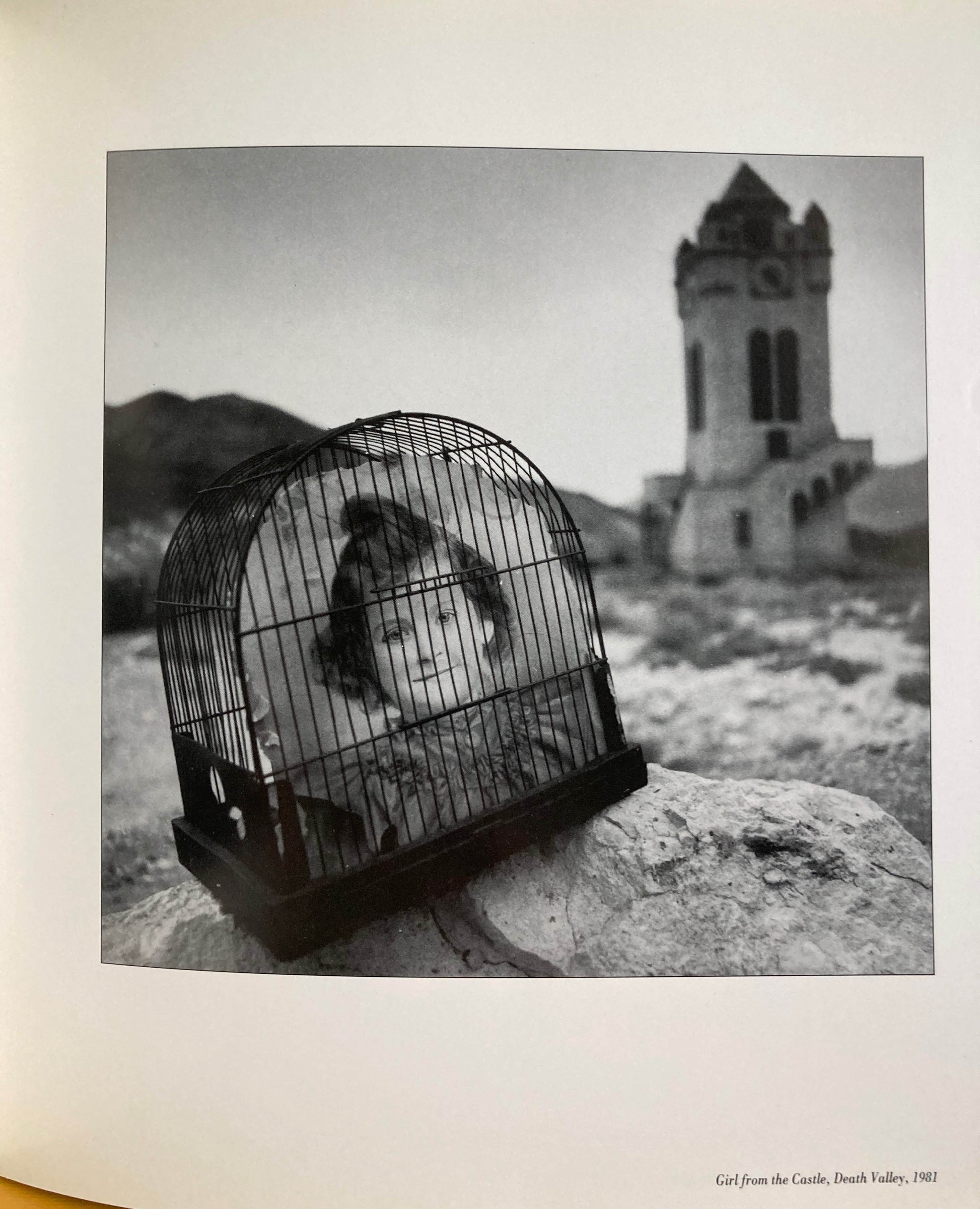
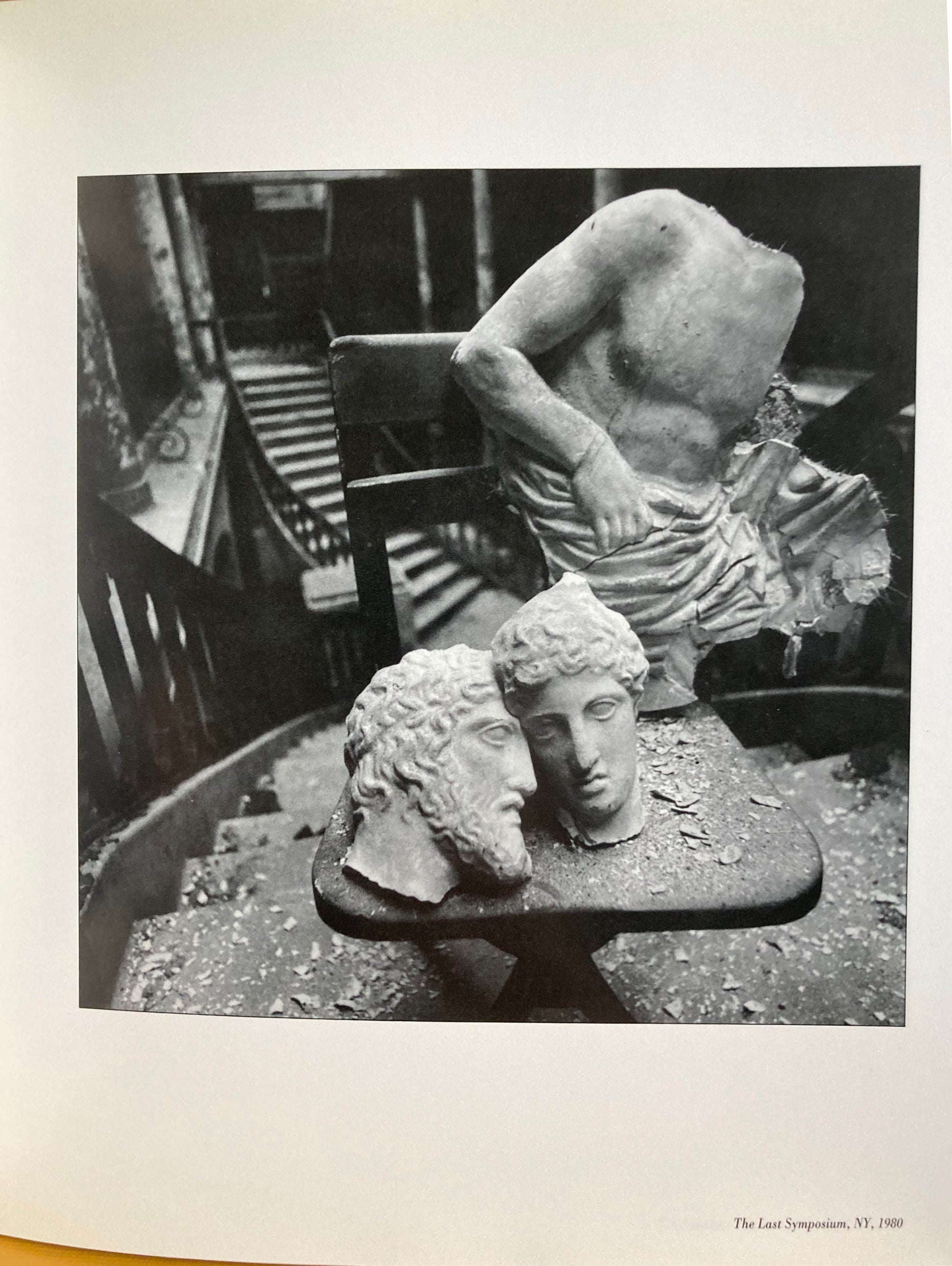
Arthur Tress (2001), published as part of the Lux series (Volume Two) by the Center for Photographic Art in Carmel, California, is an elegant monograph that captures the surrealist and narrative mastery of one of America’s most imaginative photographers. This volume focuses on Tress’s ability to blend documentary realism with the "theater of the mind," creating images that feel like staged fever dreams or rediscovered myths.
Core Themes and Creative Philosophy
-
The "Directorial" Mode: Tress is a pioneer of "staged" photography. Rather than waiting for a moment to happen, he actively constructs it, using real locations—often dilapidated or industrial—to act out the psychological dramas of his subjects.
-
The "Dream Collector" Heritage: The book reflects his career-long interest in Jungian archetypes and childhood dreams. Tress is famous for asking children to describe their nightmares and then collaborating with them to photograph those fears, blurring the line between the internal psyche and the external world.
-
The Magic of the Mundane: A major theme in this collection is the transformation of everyday objects (a chair, a bird, a tea set) into "talismanic" items through light, shadow, and unexpected juxtaposition.
Visual and Technical Style
-
High-Contrast Surrealism: Tress’s work in this volume is characterized by theatricality. He utilizes strong, directional light to create deep, "noire" shadows that isolate his subjects, giving them a monumental and often unsettling presence.
-
Cinematic Composition: Tress often uses a square format (Hasselblad) to create balanced, yet tension-filled compositions. His technique is sharp and forensic, which paradoxically makes his surreal subjects feel even more disturbingly real.
- Arthur Tress (born 1940) is an influential American photographer known for his surreal, staged photo-narratives, psychological portraits, and groundbreaking explorations of human subconsciousness and queer identity. Born in Brooklyn, New York, Tress developed an early interest in photography documenting abandoned buildings and amusement parks before studying fine arts at Bard College and traveling extensively through Asia, Africa, and Europe. In the late 1960s, transitioning from social documentary work for the Smithsonian Institution to a highly personal "staged photo-fabrication" style, he created his landmark 1972 series The Dream Collector, in which he interviewed children about their night terrors and fantasies, translating their dreams into haunting, theatrical visual metaphors. Throughout the 1970s and 1980s, Tress pushed the boundaries of photographic taboo with provocative series exploring eroticism, male intimacy, and personal mythology (Facing Up, Machinisations), while later experimenting with color film, found-object tabletop assemblages, and fish-eye lenses. With works held in major museum collections nationwide—including the Metropolitan Museum of Art and the Getty Museum—Tress remains a seminal figure in bridging surrealist theater and fine art photography.