Gary Saretzky Photo Books
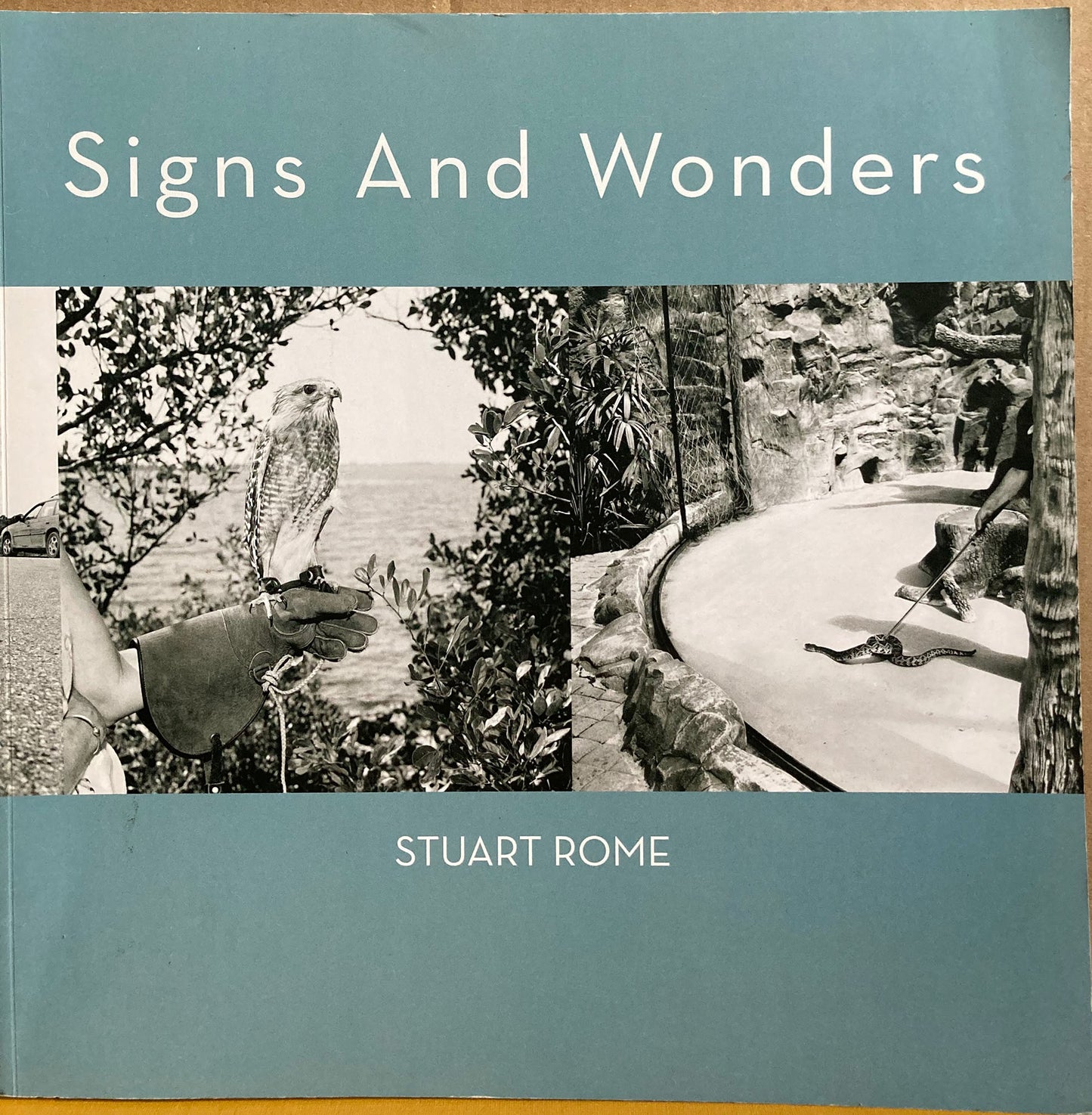
Rome, Stuart. Signs and Wonders by Stuart Rome. Essay by George Slade.
Rome, Stuart. Signs and Wonders by Stuart Rome. Essay by George Slade.
受取状況を読み込めませんでした
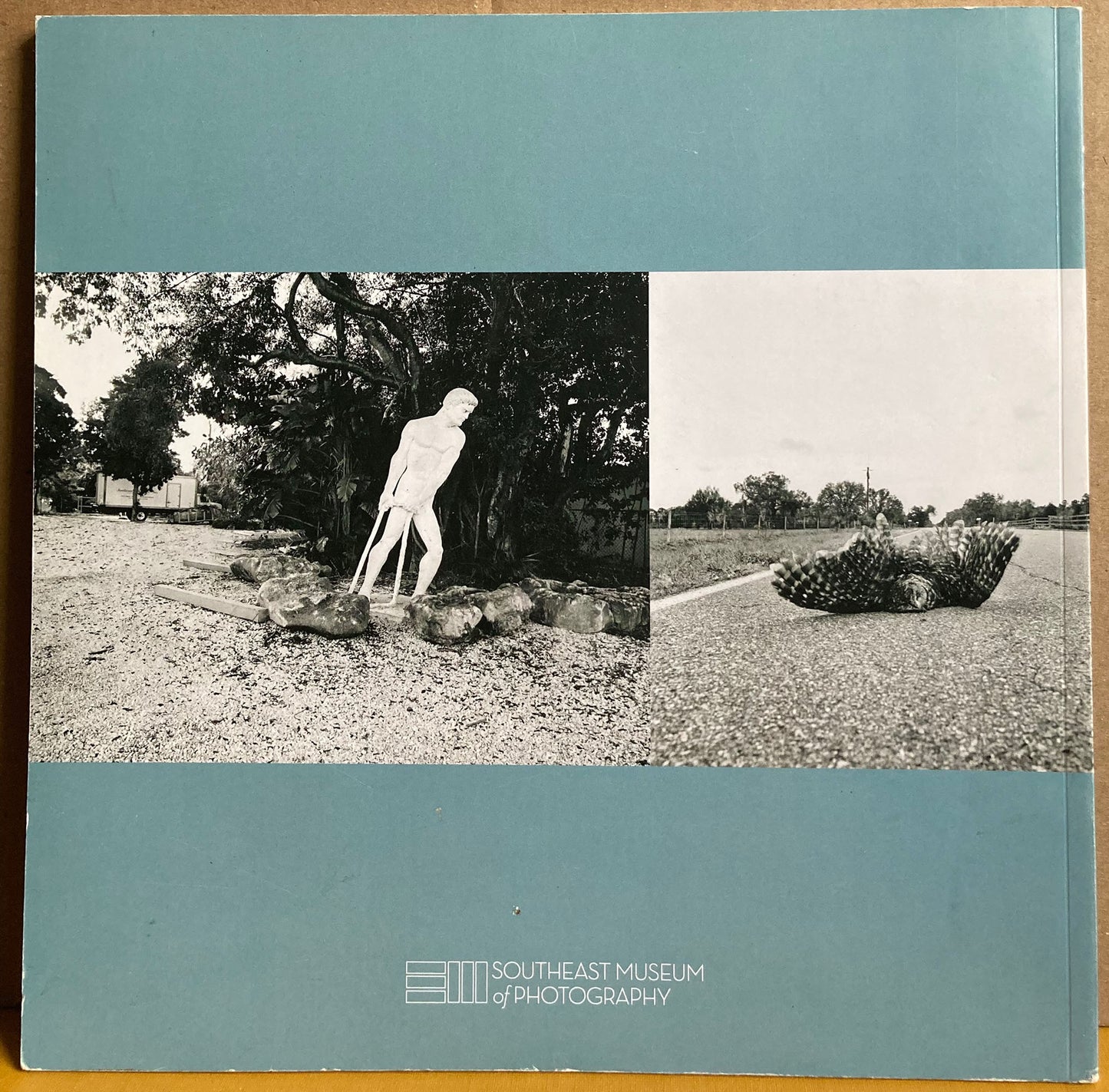
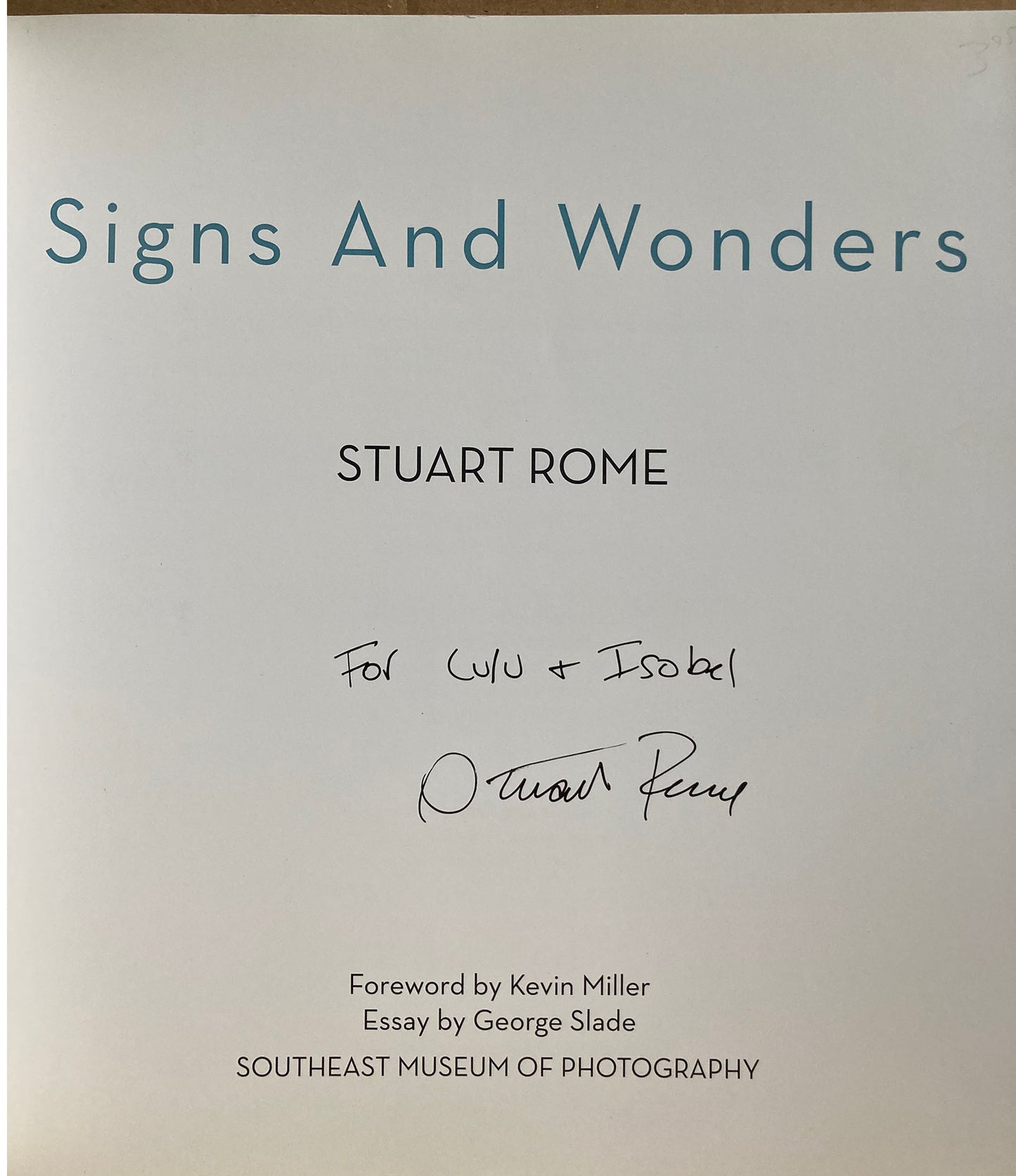
Southeast Museum of Photography, 2011. Wraps, near fine, 56 pages, SIGNED and inscribed on title page. Photographer Stuart Rome, based in Philadelphia, was commissioned by the Southeast Museum of Photography to produce these landscape photographs in Florida over a three-year period, working closely with Kevin Miller, the Director of the museum who here contributes the Foreword. Rome's photographs are in a number of major museum collections and he has had many one-person exhibits at prestigious galleries. A biography is included on the last page of this book. Uncommon, especially signed. Summary:
Signs and Wonders (2011) by Stuart Rome, featuring an insightful essay by George Slade, is a mesmerizing photographic exploration of the prehistoric and the primeval. Rome spent years documenting the vast, ancient landscapes and petroglyphs of the American Southwest and the Galápagos Islands, creating a visual dialogue between the "signs" left by ancient humans and the "wonders" of the natural world.
Core Themes and Narrative
-
The Deep Time Connection: Rome’s work collapses the distance between the ancient past and the present. He focuses on the enduring presence of petroglyphs (rock carvings) and the strange, sculptural forms of ancient trees and volcanic rock, suggesting a shared "language" between the earth and its early inhabitants.
-
Nature as Artist: A central theme is the idea that nature itself is a creator of symbols. Rome photographs twisted roots, weathered stone, and shifting shadows in a way that suggests they are intentional "signs," mirroring the man-made carvings found nearby.
-
The "Liminal" Space: George Slade’s essay contextualizes Rome’s work within the tradition of landscape photography, arguing that these images exist in a "liminal" space—somewhere between objective documentation and a deeply spiritual, subjective experience of the wilderness.
Visual and Technical Style
-
Luminous Monochrome: Rome uses a rich, high-contrast black-and-white style that emphasizes texture and form. The silver-gelatin prints possess a "metallic" glow, making the ancient stone and bark look almost like cast iron or burnished silver.
-
Scale and Ambiguity: Rome often avoids the traditional "horizon line," choosing instead to zoom in on patterns and surfaces. This creates a sense of disorientation, where a small patch of lichen or a massive rock face carries the same monumental weight.
- Stuart Rome (born 1953) is an American fine art photographer and educator celebrated for his evocative black-and-white landscape studies, anthropological documentations, and deep exploration of the spiritual connection between human culture and the natural world. Raised in Connecticut, Rome studied under John Pfahl while earning his BFA at the Rochester Institute of Technology before completing an MFA at Arizona State University. His early career focused on color photography and anthropological field projects, photographing Mayan antiquities, indigenous rituals in Haiti and Indonesia, and ancient trance practices. This immersion in tribal patterning and pantheistic traditions eventually transformed his work into large-format, high-contrast black-and-white landscape studies of forest interiors and ancient trees. In 1985, Rome founded the undergraduate photography program at Drexel University in Philadelphia, serving as a dedicated professor for over three decades until retiring as Professor Emeritus in 2019. Awarded a John Simon Guggenheim Fellowship in 2015 for Oculus—a striking series shot looking upward from inside hollowed-out ancient redwoods and sequoias—Rome’s work has been featured in major monographs such as Forest (2005) and is represented in permanent collections including the George Eastman Museum, the Los Angeles County Museum of Art, and the Philadelphia Museum of Art.