Gary Saretzky Photo Books
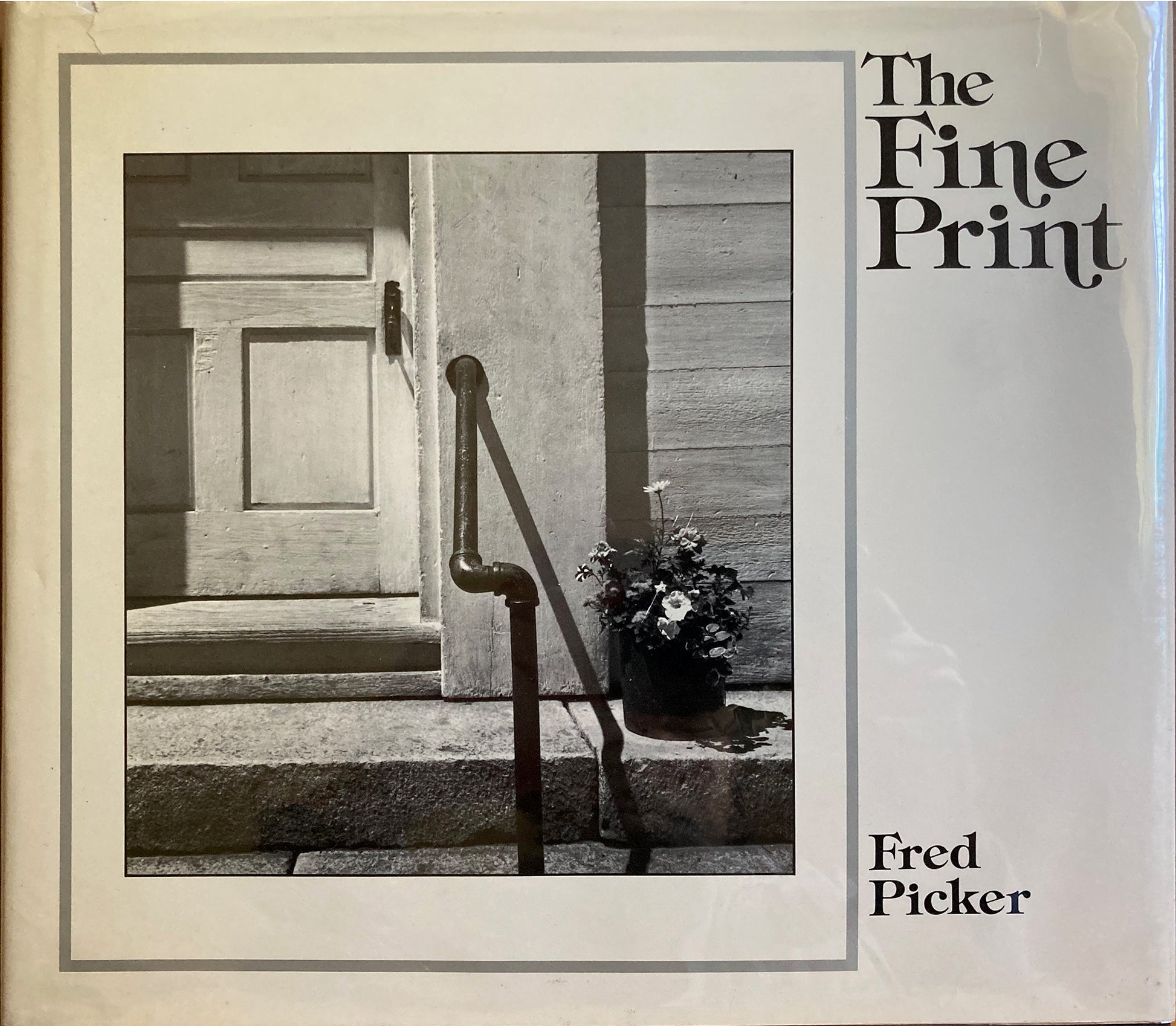
Picker, Fred. The Fine Print by Fred Picker.
Picker, Fred. The Fine Print by Fred Picker.
受取状況を読み込めませんでした
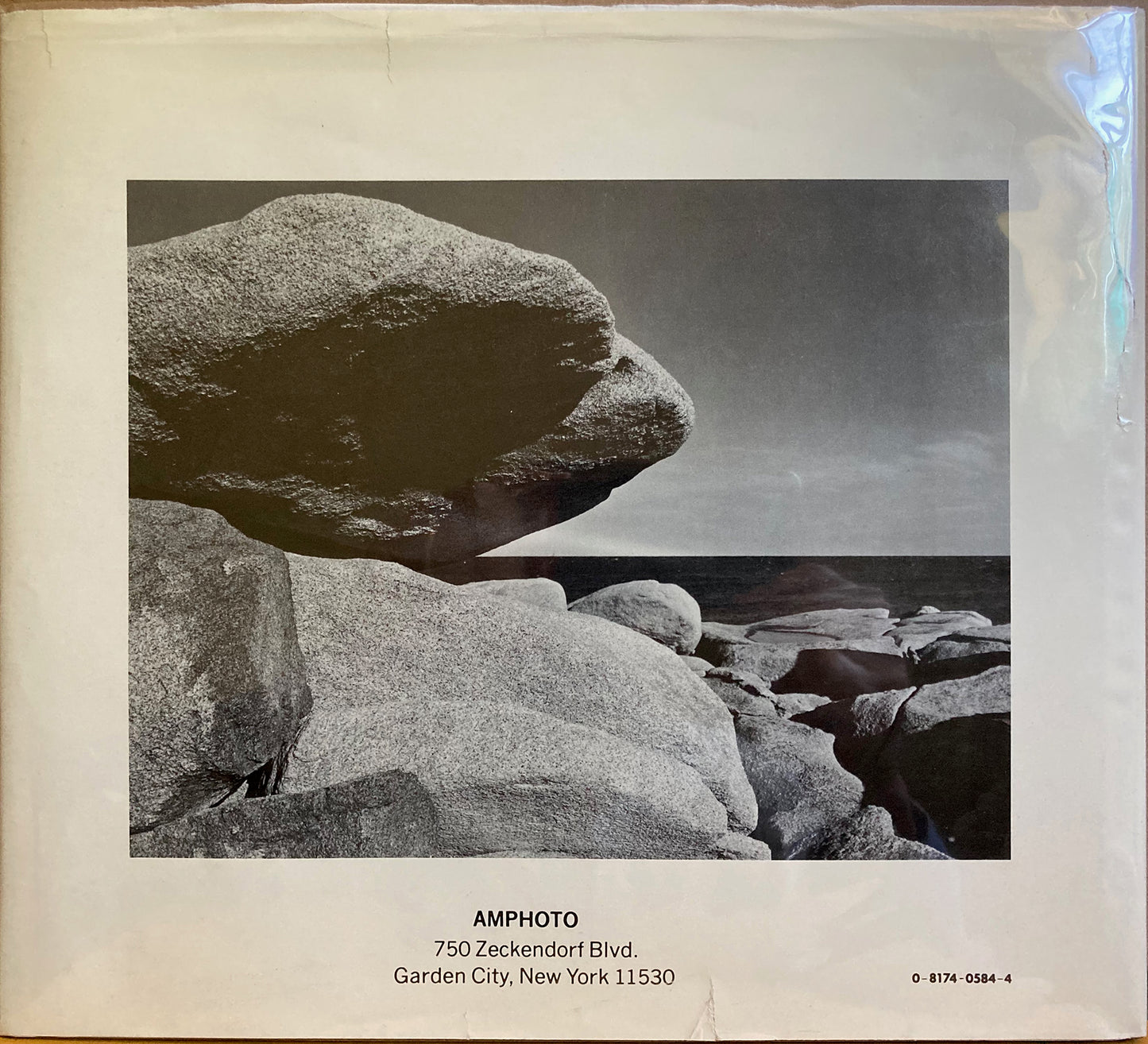
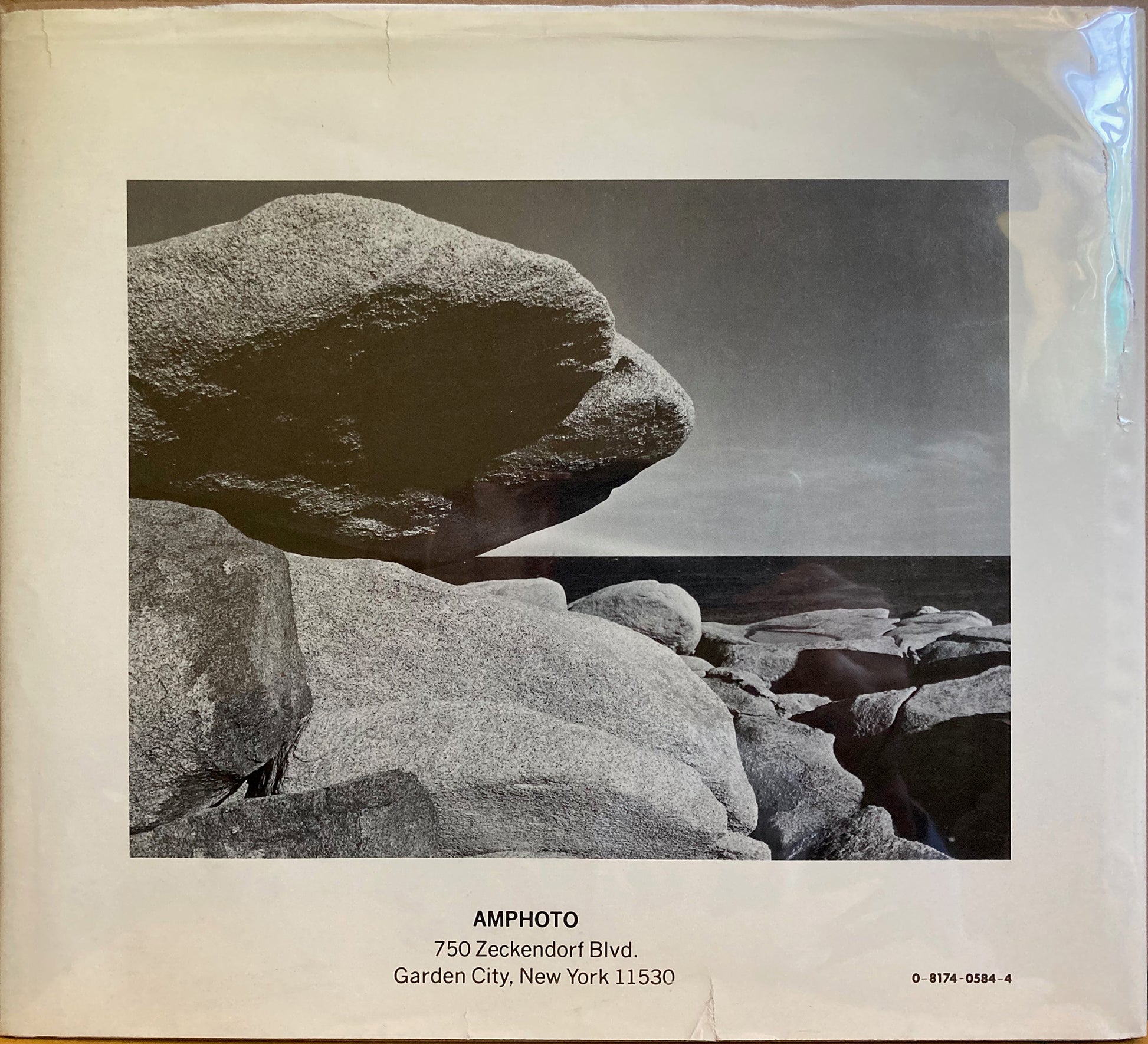
Amphoto, 1978. Third Printing. 160 pages. Hardcover, near fine, with near very good protected dust jacket with several closed edge tears not affecting cover images. 75 full page black and white photos by Picker printed in duotone, with Picker’s text on facing pages. Back of the book provides technical information. In the tradition of Ansel Adams, Picker’s landscape and other photos depict Easter Island (on which he published a book, Rapa Nui), California, Connecticut, Maine, Massachusetts, New Hampshire, New York, Vermont, and other places. An advocate of the Zone System, Picker authored the textbook, Zone VI Workshop, one of the most popular instructional books on analog photography, and was renowned for his photograph print washers and other Zone VI products. Note: reflections in pictures below are from dust jacket protector. Summary:
The Fine Print (1975) by Fred Picker is a seminal technical manual and aesthetic manifesto dedicated to the mastery of the black-and-white silver gelatin print. A disciple of the "Zone System" tradition, Picker wrote the book to demystify the complex chemistry of the darkroom, providing a clear, disciplined "workflow" for photographers seeking a professional, high-fidelity finish.
Core Themes and Technical Philosophy
-
The Craft of the Print: Picker argues that a photograph is not finished until it is a physical print. He emphasizes that "fine" printing is not about artistic flair, but about technical control—understanding exactly how a specific paper, developer, and exposure time will react to a negative.
-
Simplification of the Zone System: While based on the complex math of Ansel Adams, Picker’s approach is pragmatically "results-oriented." He focuses on "Minimum Time for Maximum Black"—a calibration technique to ensure the paper’s full tonal range is utilized.
-
The "Straight" Aesthetic: The book champions a clean, unmanipulated look. Picker believed that if the "pre-visualization" and exposure were handled correctly in the field, the darkroom work should be a precise execution of that initial vision.
Visual and Instructional Style
-
Comparative Learning: The book is useful for its use of "side-by-side" comparisons. Picker shows multiple versions of the same image—one "average" and one "fine"—to train the reader’s eye to see subtle differences in shadow detail and highlight brilliance.
-
The Zone VI Influence: The book serves as a philosophical companion to Picker’s Zone VI Studios, the company he founded to manufacture high-end large-format cameras and cold-light enlargers designed to achieve the "perfect" tonal finish.
- Fred Picker (1927–2002) was an American photographer, educator, author, and entrepreneur who made significant contributions to large-format black-and-white photography and darkroom craftsmanship. A passionate advocate for simplifying the technical aspects of the medium, Picker focused on making the craft accessible so photographers could dedicate their energy to artistic vision and composition. In 1973, he founded Zone VI Studios in Vermont, where he designed, manufactured, and sold specialized field cameras, darkroom equipment, and accessories, alongside publishing the widely read Zone VI Newsletter. He authored influential instructional books—most notably The Zone VI Workshopand The Fine Print—as well as photographic monographs including Rapa Nui: Easter Island and An Iceland Portfolio. Serving on the board of directors for Ansel Adams's Friends of Photography and consulting for corporations like Polaroid, Picker influenced generations of fine art photographers before selling Zone VI Studios in the 1990s.