Gary Saretzky Photo Books
Palu, Louie. Cage Call by Louie Palu. Photos of Canadian mining industry.
Palu, Louie. Cage Call by Louie Palu. Photos of Canadian mining industry.
受取状況を読み込めませんでした
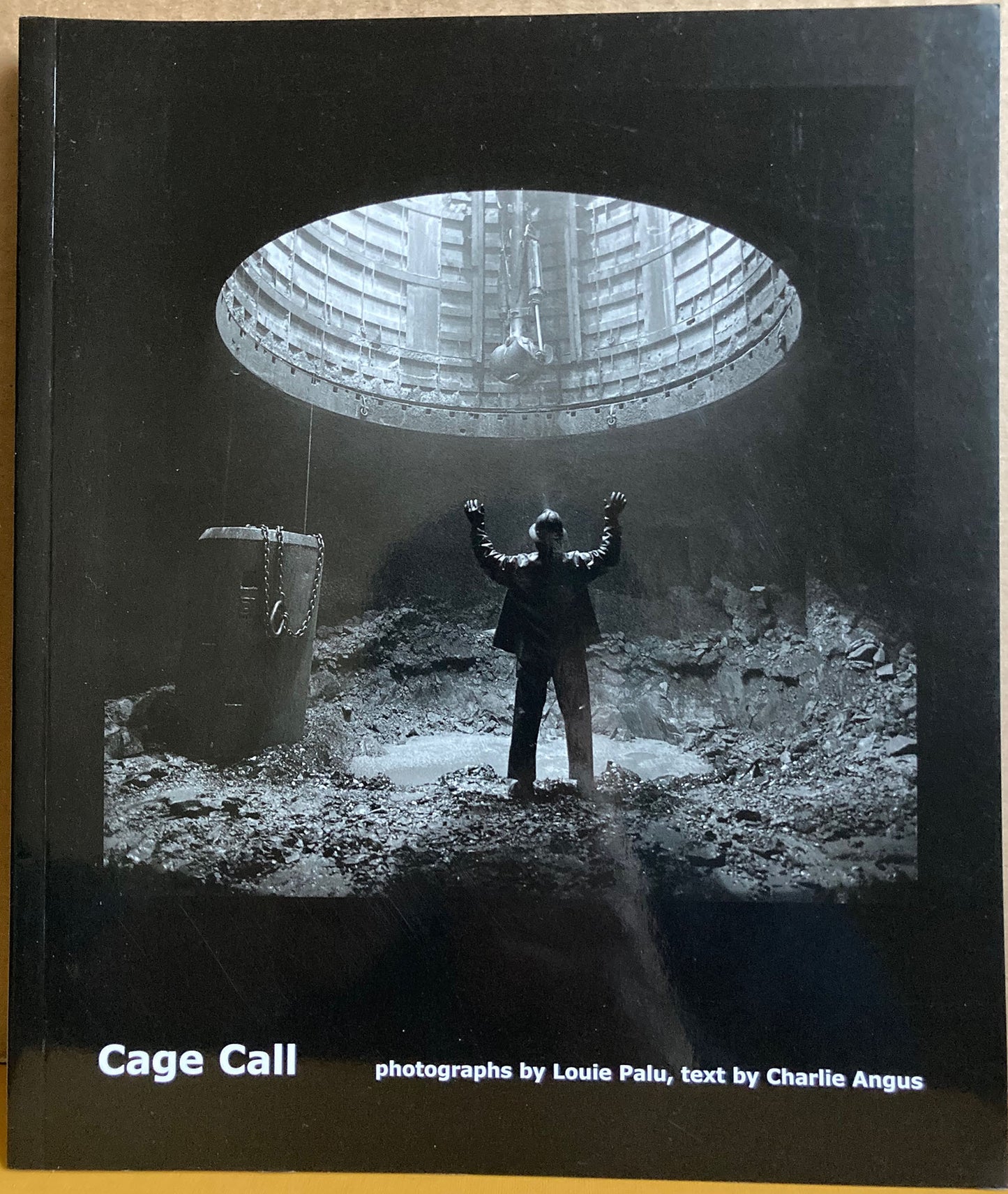
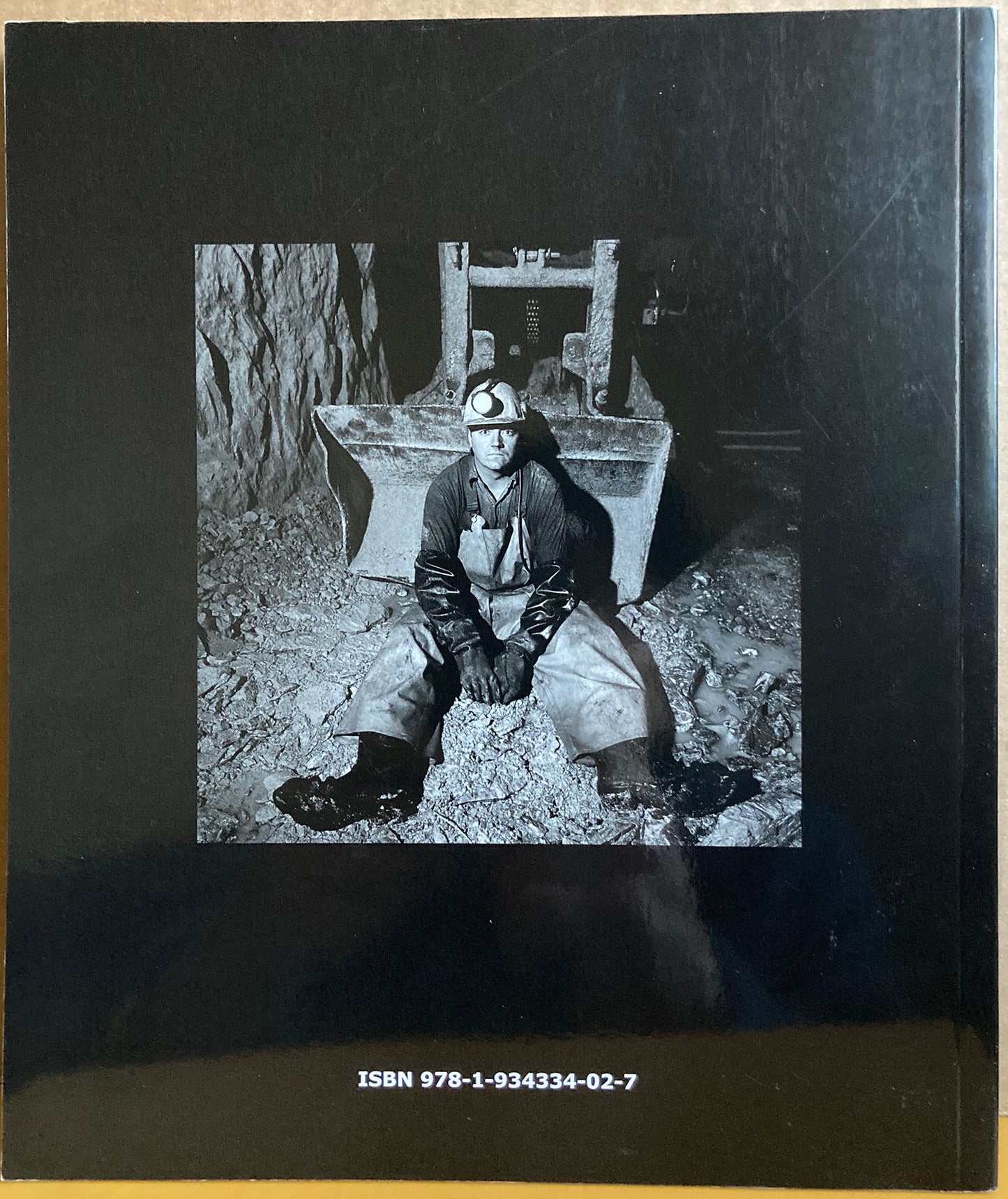
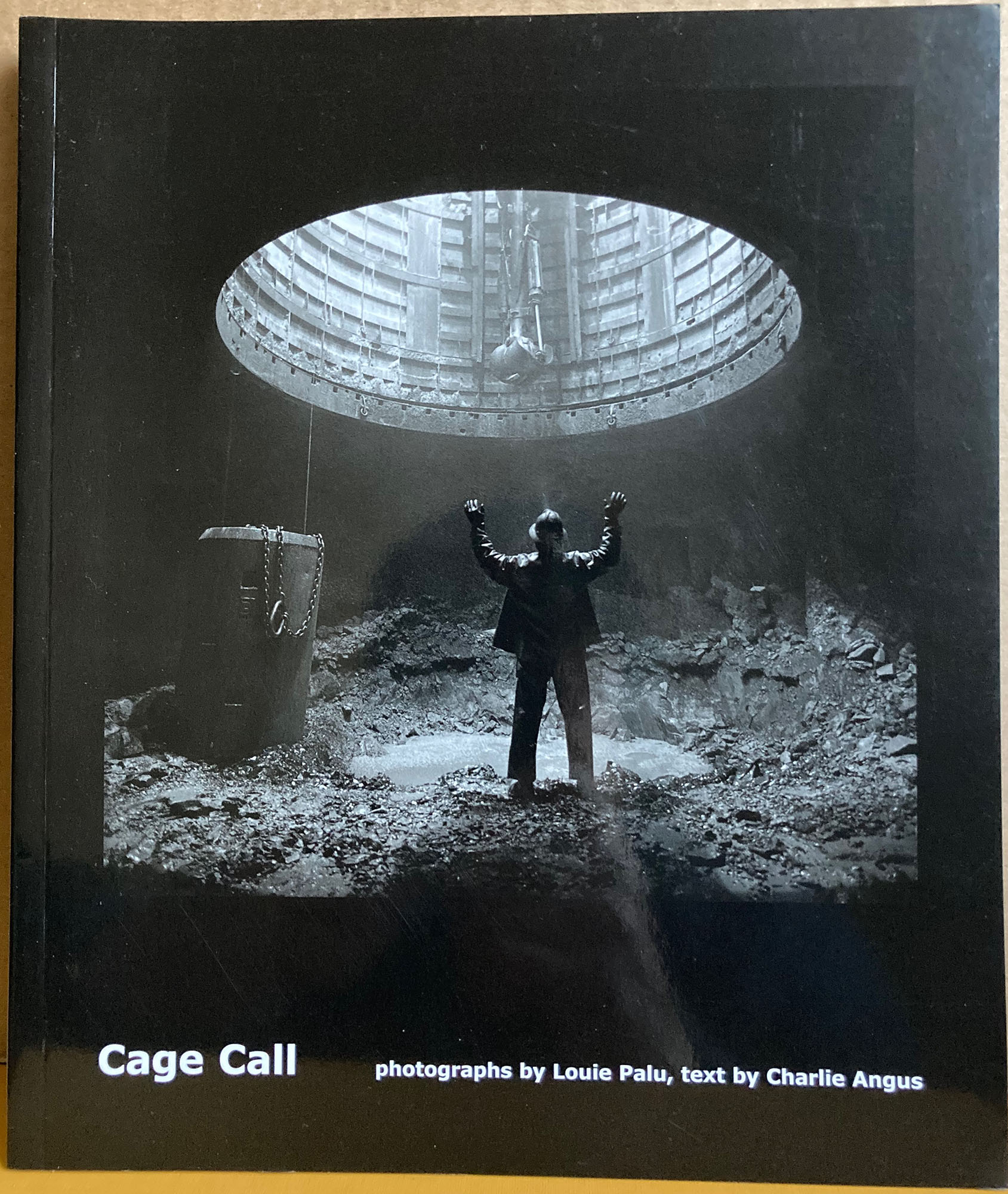
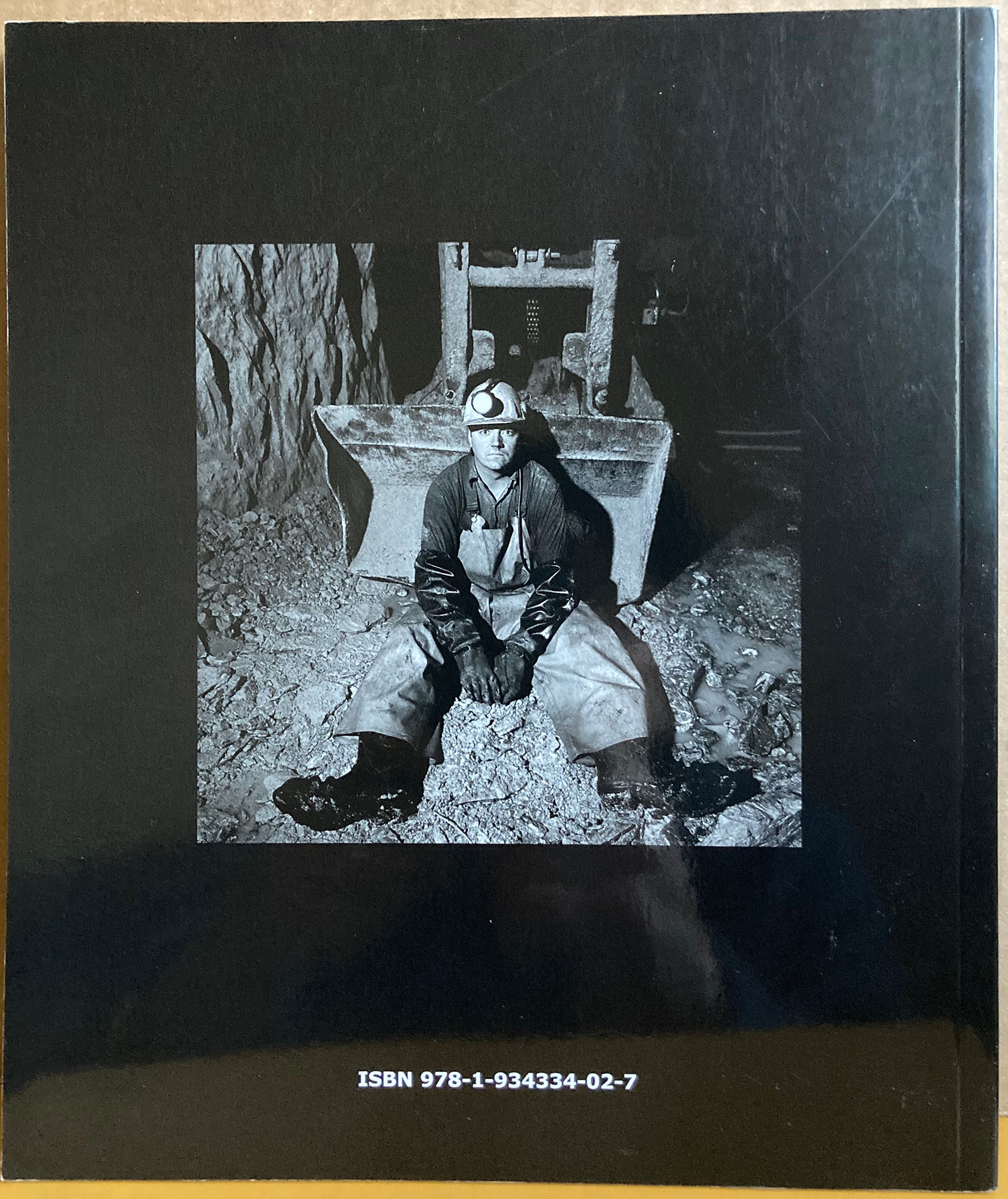
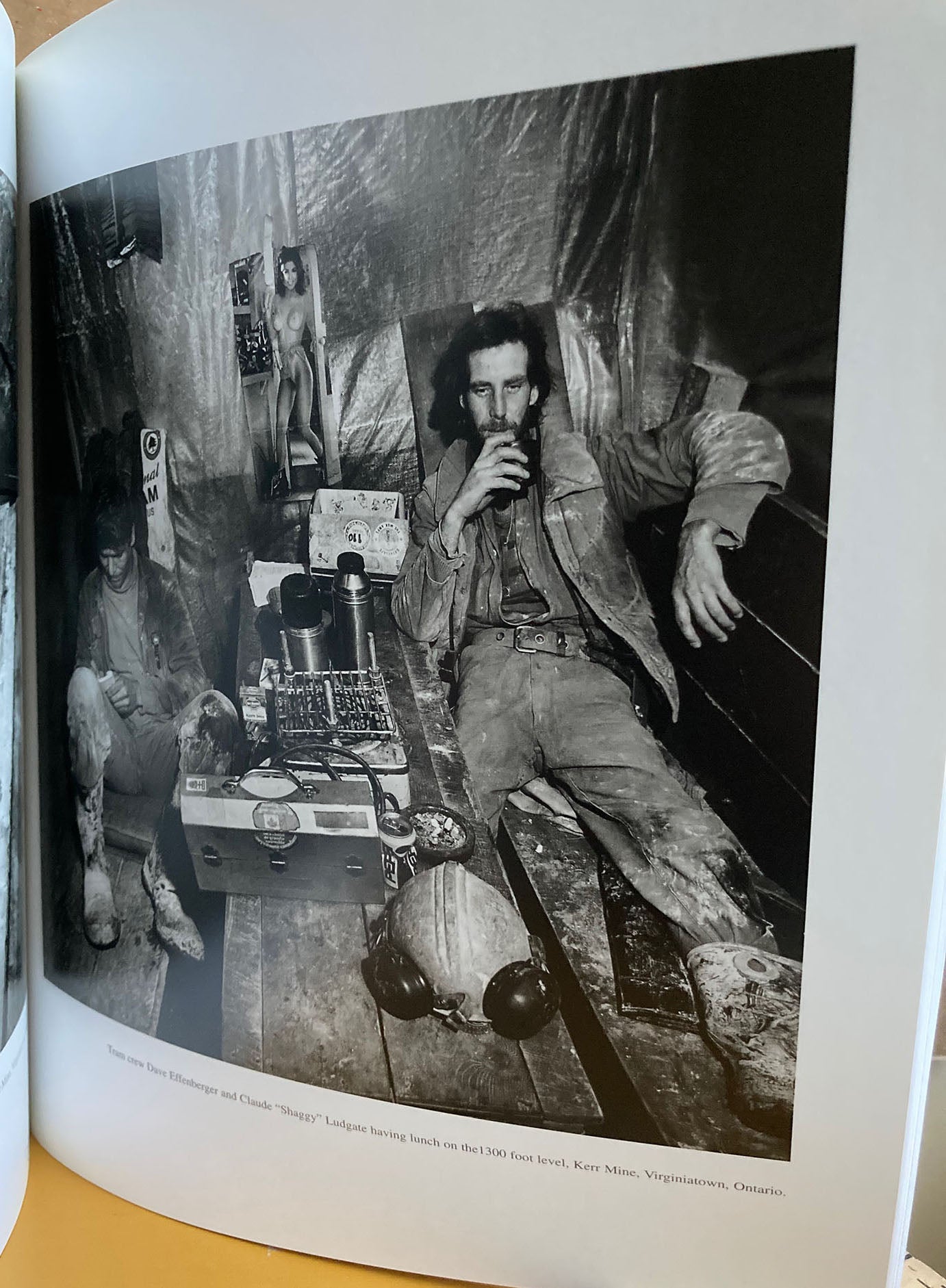
photolucida, 2007. First edition, wraps, as issued, fine, almost like new with very slight shelf wear on back cover. Text by Charlie Angus. 64 pages. This book is the result of research and photography of the mining industry in Northeastern Ontario and Northwestern Quebec, Canada, from 1991 to 2003. The photographs by Louie Palu depict miners at home and at work, plus a few images of their environment. Included are excerpts from interviews with miners but most of the book consists of black-and-white photographs, one to a page. One of three monographs awarded by photolucida, Critical Mass, by 200 jurors. The other awards for monographs went to Hiroshi Watanabe and Sage Sohier. Summary:
Cage Call: Life and Death in the Hard Rock Mining Belt (2007), by Louie Palu with essays and interviews by Charlie Angus, is a powerful documentary photography book that presents more than a decade of immersive visual and narrative work exploring mining communities in northeastern Ontario and northwestern Quebec, Canada. It stems from 12 years of on-the-ground documentary research undertaken from 1991 to 2003, culminating in this compelling photographic monograph.
Photographic Narrative
The book’s core is a series of striking black-and-white photographs by Palu that capture the daily realities of life and labor in the hard-rock mining belt. Beginning with images of miners deep underground—silhouetted figures working in extreme darkness and confined spaces—the work conveys both the intensity of industrial labor and the eerie, almost abstract beauty of mine interiors. Palu’s careful use of light and composition evokes the oppressive environment, while also dignifying the individuals who work and live within it.
Human Stories and Context
As the sequence unfolds, the book gradually shifts focus to the miners as people—showing them above ground in moments of camaraderie, family life, and community interaction. Through this progression, Cage Call moves from documenting physical labor to giving emotional and psychological presence to its subjects. The images implicitly address the inherent dangers and precarity of mining work, revealing people who can be vibrant and whole in one moment and permanently injured in the next.
Textual Elements
Interspersed with the photographs are essays, interviews, and contextual writing by Charlie Angus that deepen the viewer’s understanding of the social, economic, and historical dimensions of mining life. These texts provide firsthand reflections and personal testimonies from miners and community members, anchoring the visual material in lived experience and giving voice to individuals often unseen in mainstream narratives about industrial labor.
Themes and Impact
Cage Call is not just a documentary record but a meditation on work, risk, community, and the often invisible extractive industries that underpin much of modern society. By juxtaposing stark industrial imagery with intimate personal moments, the book highlights both the physical brutality of mining and the humanity of those who undertake it. Through its combination of evocative photography and thoughtful writing, the volume enriches our understanding of mining culture and the broader implications of resource extraction.
Louie Palu (b. 1968) is a Canadian documentary photographer, filmmaker, and photojournalist recognized for his raw, unvarnished coverage of conflict, human rights abuses, and sociopolitical issues. Born in Toronto, he graduated from the Ontario College of Art and Design in 1991 and interned under documentary master Mary Ellen Mark. Palu built his early career documenting labor and industrial communities, culminating in a 12-year study of hard-rock mining towns featured in his book Cage Call: Life and Death in the Hard Rock Mining Belt (2007). Over his multi-decade career—including a stint as staff photographer for The Globe and Mail—Palu has covered high-risk long-term assignments, including combat operations in Afghanistan, the Mexican drug war, detention facilities at Guantanamo Bay, the public health toll of asbestos exposure, US political instability surrounding the January 6 Capitol attack, and militarization in the Arctic. Known for combining direct, unembellished photojournalism with innovative visual conceptualizations, he co-directed the acclaimed documentary feature Kandahar Journals (2015) and published monographs such as Front Towards Enemy (2017) and A Field Guide to Asbestos (2019). A recipient of a Guggenheim Fellowship, an Arnold Newman Prize, and multiple World Press Photo awards, Palu has had his work exhibited internationally and acquired by institutions including the National Gallery of Art, the Smithsonian National Museum of American History, and the Museum of Fine Arts, Houston.