Gary Saretzky Photo Books
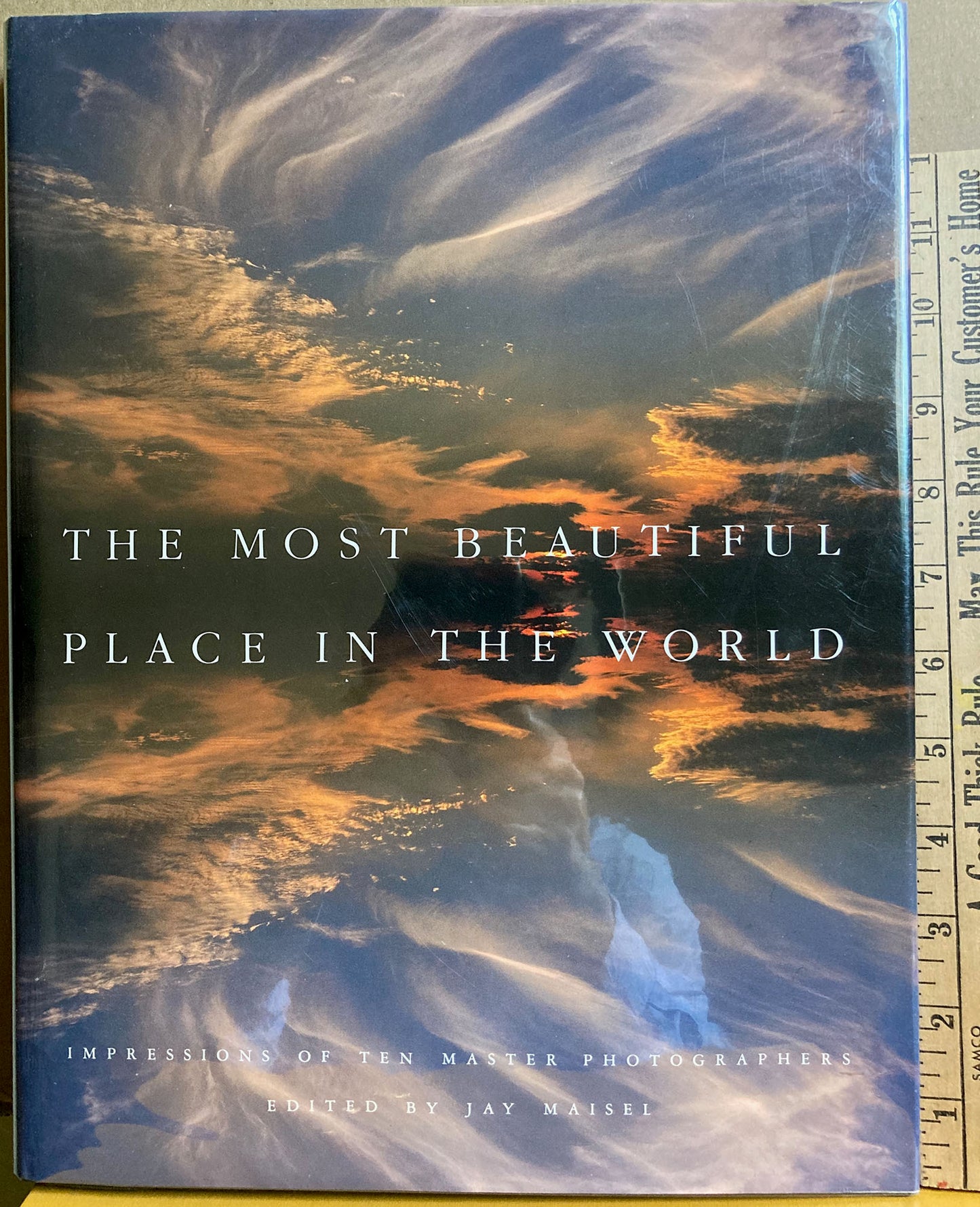
Maisel, Jay. The Most Beautiful Place in the World: Impressions by Master Photographers, edited by Jay Maisel.
Maisel, Jay. The Most Beautiful Place in the World: Impressions by Master Photographers, edited by Jay Maisel.
受取状況を読み込めませんでした
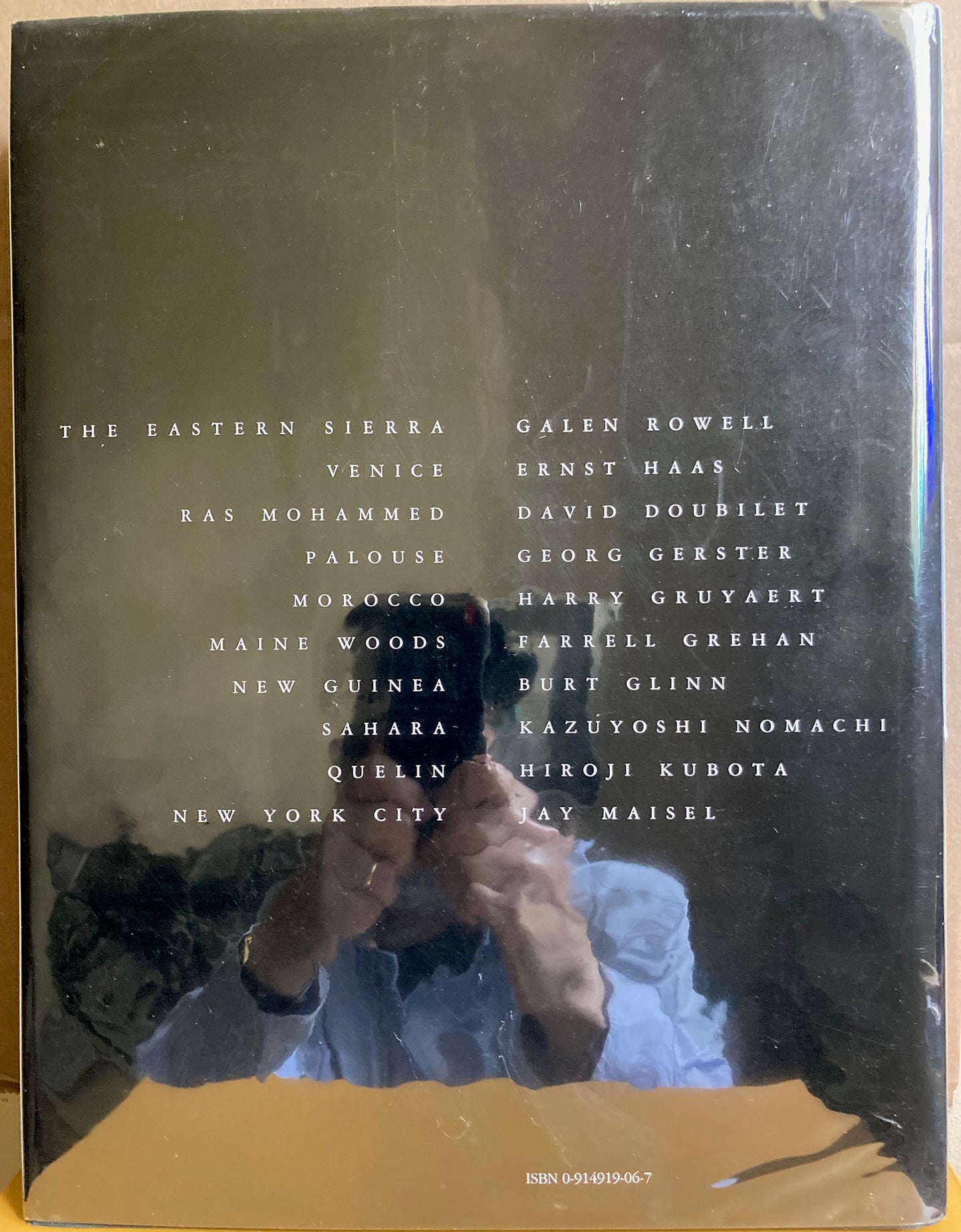
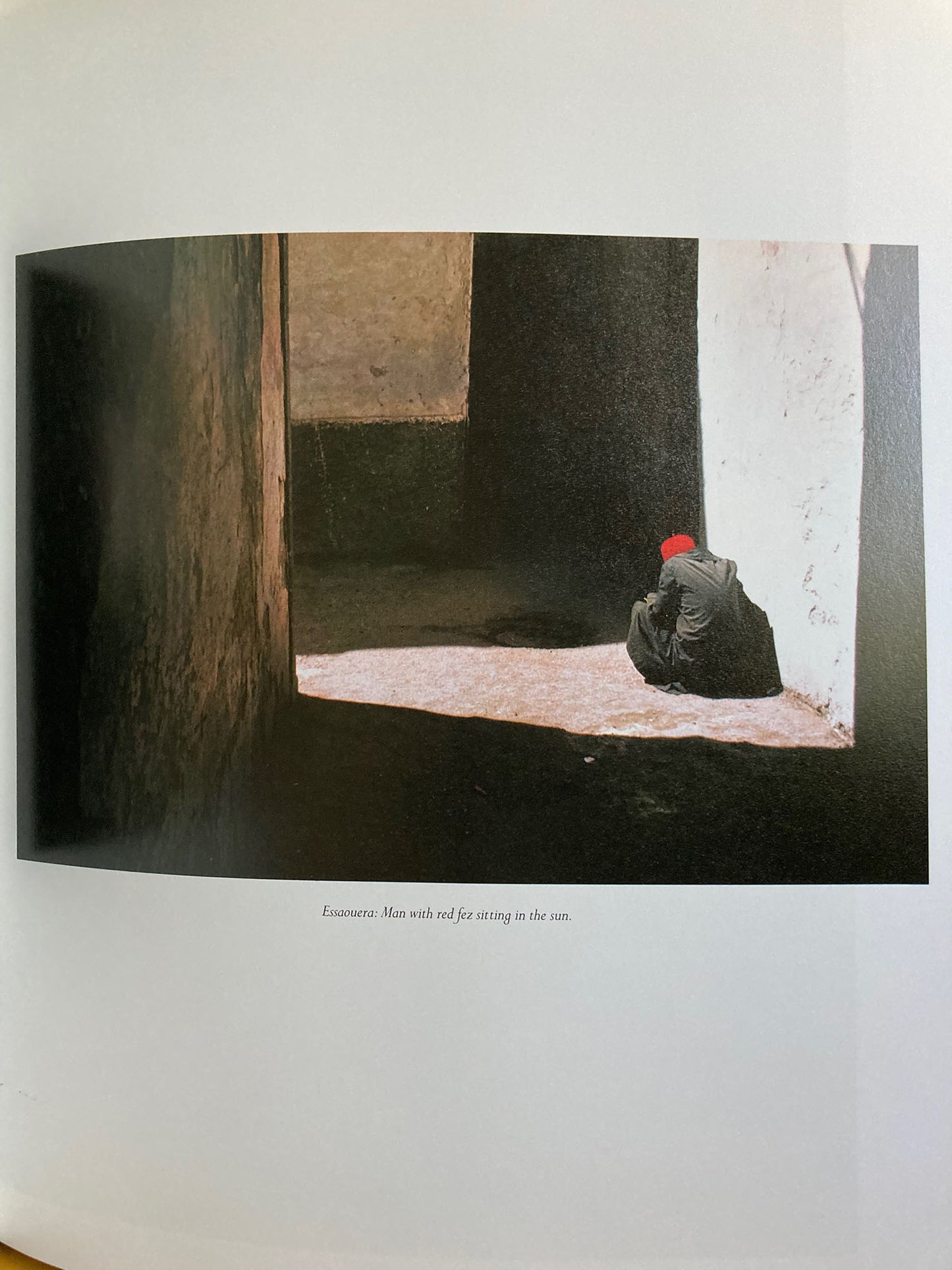
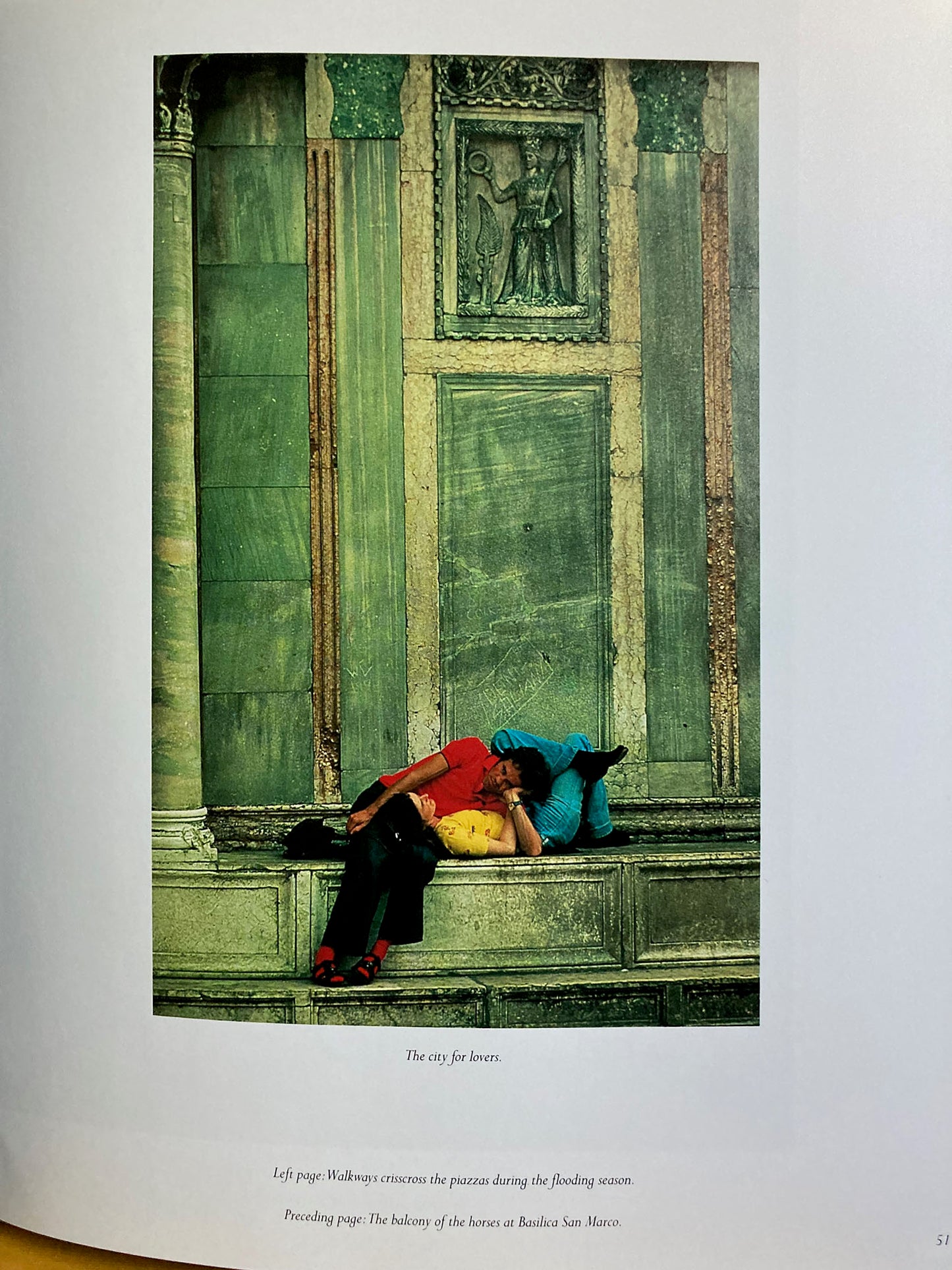
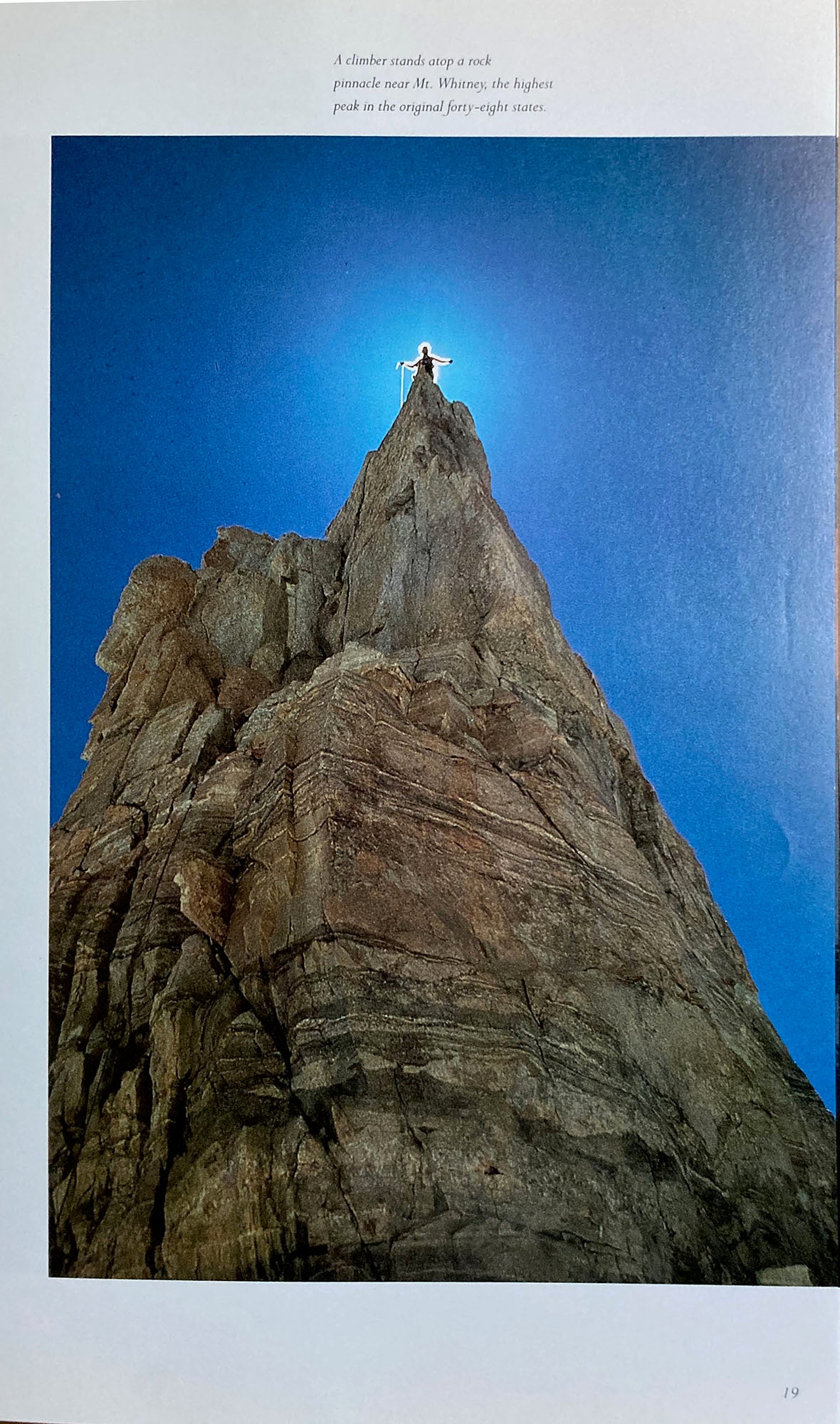
Friendly Press, 1986. Hardcover with protected dust jacket, ex-library. Faint rubber stamp on top of text block. Card pocket neatly removed from rear flyleaf. A few words written inside back cover, otherwise fine. Two short indented lines on back cover of dust jacket, otherwise fine with no spine label. Binding sound. Large format 13 1/4 x 10 1/2 inches. Heavy book. An attractive copy for bookshelf or coffee table. Photographs in color by renowned photographers and subjects: Galen Rowell - Eastern Sierra; Ernst Haas - Venice; David Doubilet - Ras Mohammed; Georg Gerster - Palouse; Harry Gruyaert - Morocco; Farrell Grehan - Maine Woods; Burt Glinn - New Guinea; Kazuyoshi Nomachi - Sahara; Hiroji Kubota - Quelin; Jay Maisel - New York City. Photographers provide an introduction to their portfolios. 254 pages, including section in back with photos of the photographers and biographies. Summary:
The Most Beautiful Place in the World (1986), edited by the legendary color photographer Jay Maisel, is a celebrated anthology that challenges the definition of "beauty" through the eyes of ten world-renowned photographers. Rather than a tourist's guide to scenic vistas, the book is a philosophical and visual exploration of how a master's "eye" can transform a specific location into a definitive personal truth.
Core Themes and Artistic Vision
-
The Subjective "Beautiful": Maisel’s central premise is that beauty is not an inherent quality of a place, but a result of the photographer's connection to it. The book asks each contributor to document the one place that resonates most deeply with their aesthetic soul.
-
Global Diversity: The locations range from the expectedly majestic to the surprisingly mundane, including but not limited to:
-
Galen Rowell on the high-altitude light of the Himalayas.
-
Ernst Haas on the vibrant, blurred energy of Venice.
-
Burt Glinn on the ancient, spiritual stillness of Kyoto.
-
Jay Maisel himself on the rhythmic, industrial geometry of Lower Manhattan.
-
-
Personal Impressions: Each photo essay is accompanied by a first-person narrative, detailing the technical and emotional "impressions" that led to the final images.
Visual and Technical Style
-
Masters of Color: Published during the peak of high-fidelity color photography, the book constitutes a masterclass in the use of color aesthetics. It emphasizes saturated palettes, "Golden Hour" lighting, and the "Extra Finish" of professional large and medium-format transparency film.
-
Graphic Composition: The images are characterized by strong "graphic" elements—clean lines, bold shapes, and a sophisticated use of negative space that aligns with the Maisel tradition of visual impact.