Gary Saretzky Photo Books
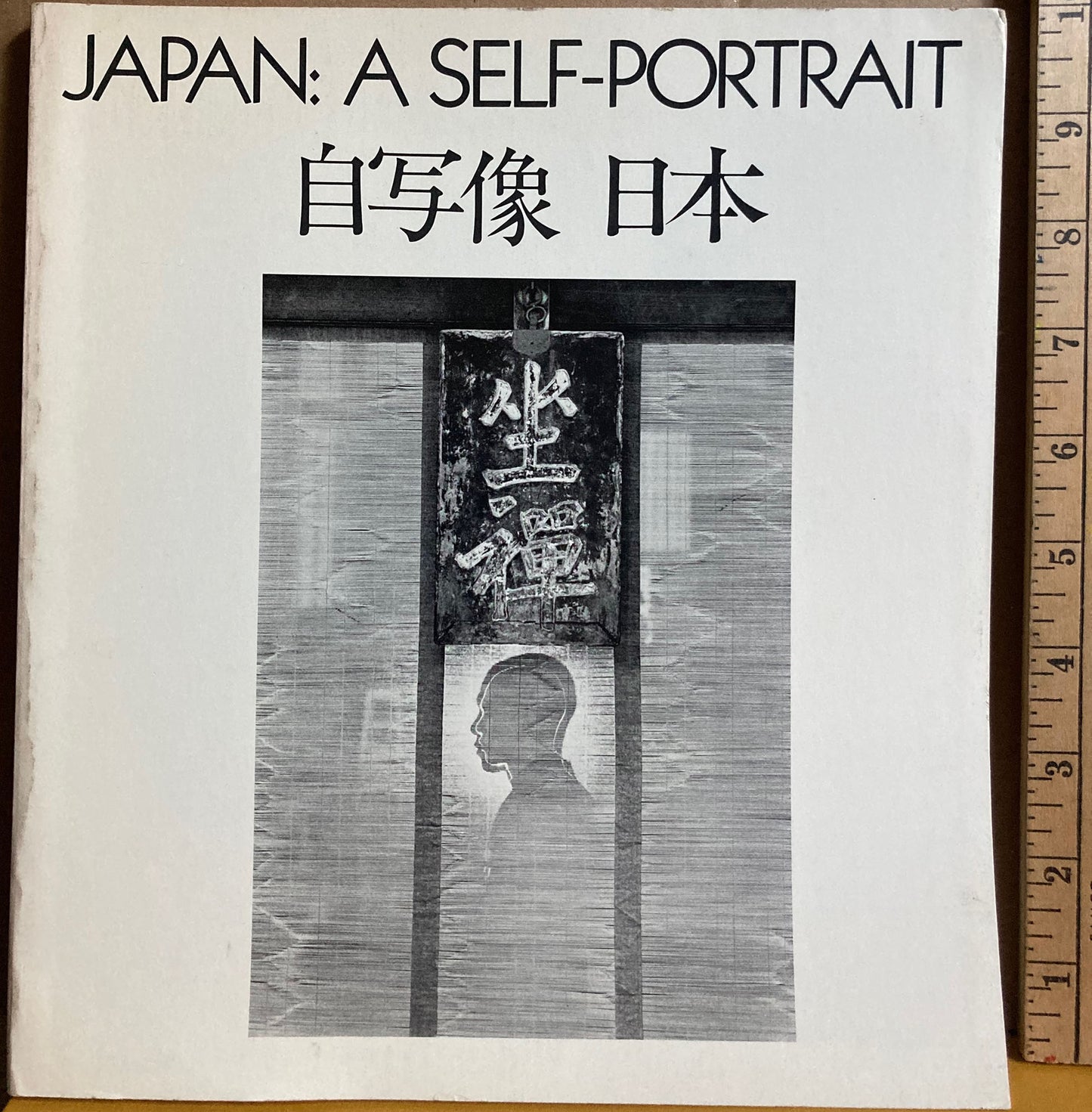
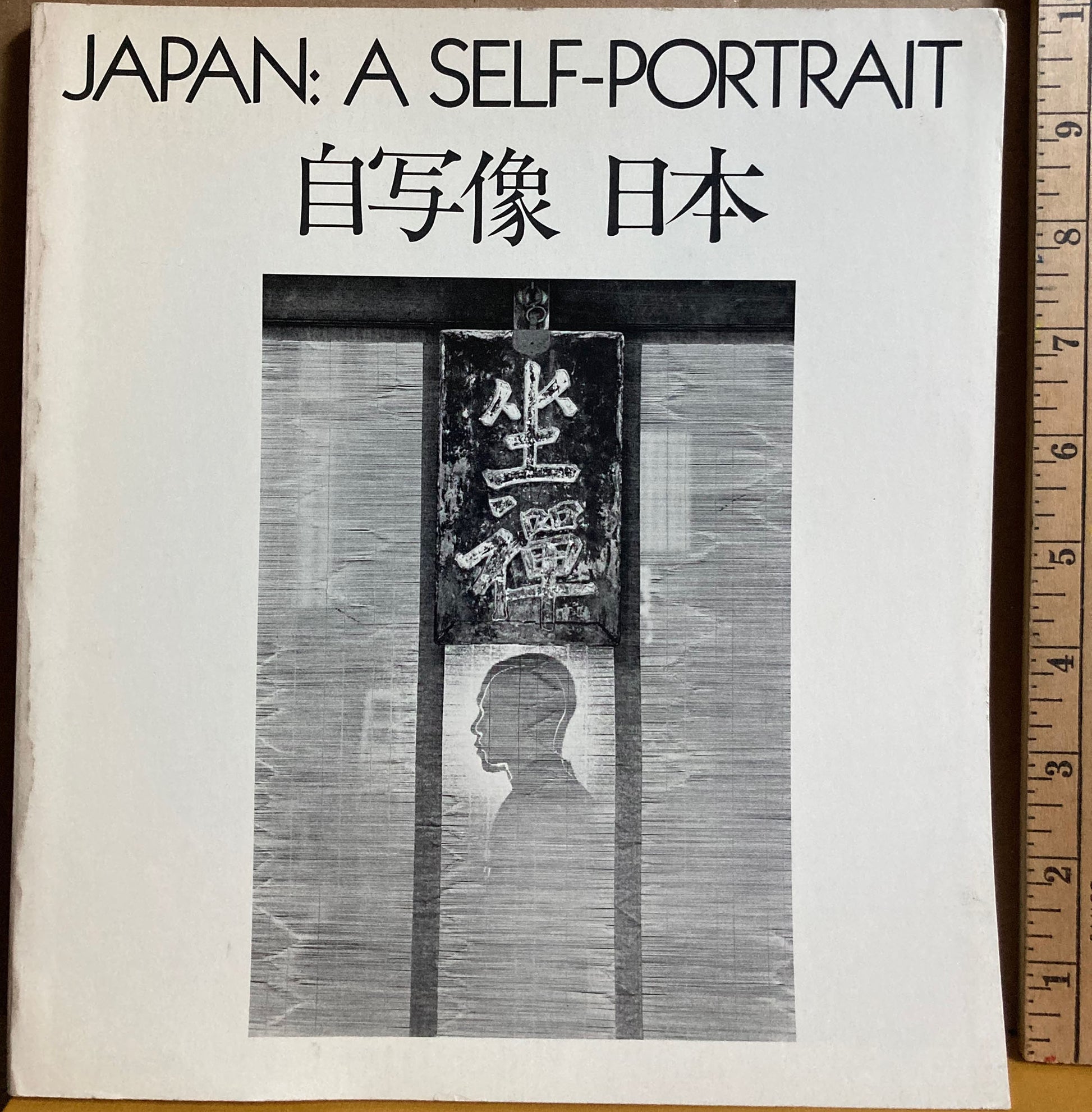
Japan: A Self-Portrait. Exhibition April-May 1979 organized by Cornell Capa.
Japan: A Self-Portrait. Exhibition April-May 1979 organized by Cornell Capa.
受取状況を読み込めませんでした
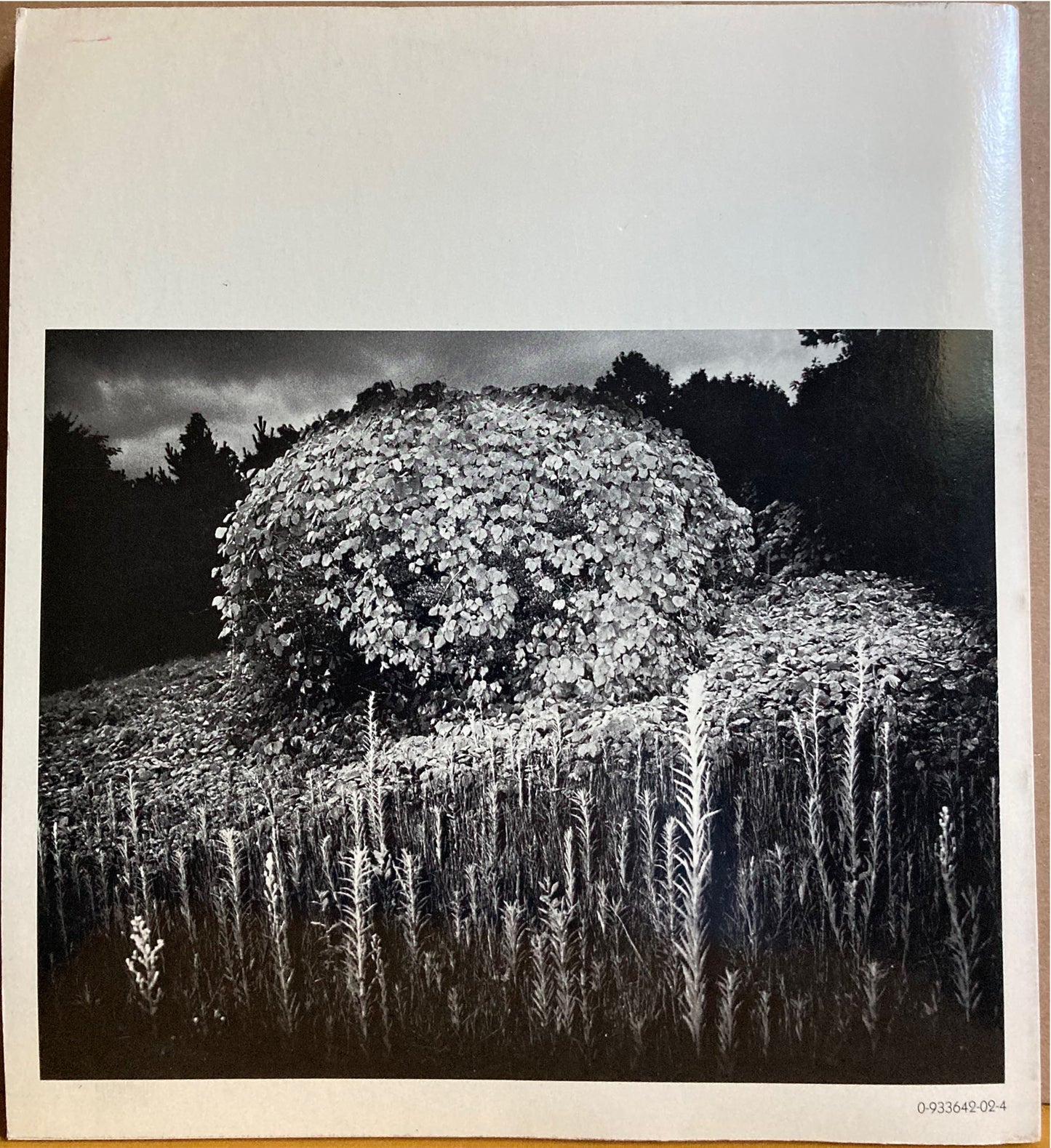
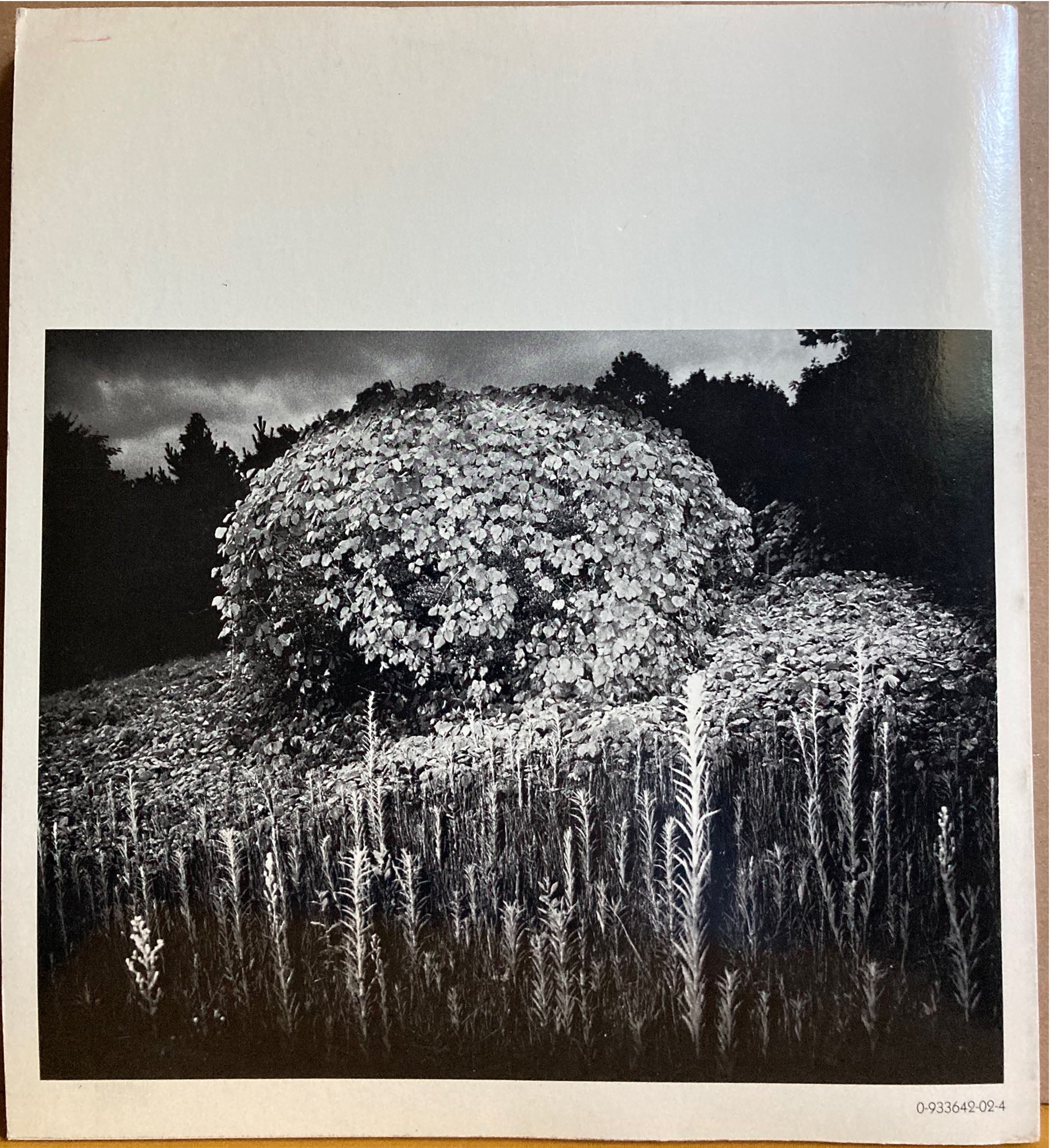
International Center of Photography, 1979. Texts by Shoji Yamagishi, Carnell Capa, and Taeko Tomioka. First edition in illustrated wraps, prepared to accompany an exhibition at the International Center of Photography in New York. 144 pages with black and white photographs of varied subject matter, including nude women, in Japan, by noted photographers each of whom has a distinctive style. Very good plus with small spots of wear at extremities. Photographers: Ikko Narahara; Jun Morinaga; Masahisa Fukase; Hiroshi Hamaya; Kikuji Kawada; Shomei Tomatsu; Taiji Arita; Daido Moriyama; Nobuyoshi Araki; Miyako Ishiuchi; Kishin Shinoyama; Haruo Tomiyama; Shoji Ueda; Issei Suda; Ryoji Akiyama; Shinzo Hanabusa; Hiromi Tsuchida; Gasho Yamamura; Hiroshi Yamazaki. Back of the book provides photos of the photographers with biographical information. Summary:
Japan: A Self-Portrait is a landmark photography collection and exhibition catalog that debuted at the International Center of Photography (ICP) in 1979. Organized by ICP founder Cornell Capa, the project was a deliberate attempt to showcase Japan through the eyes of its own masters rather than through a Western lens.
Core Themes and Significance
-
The "Self-Portrait" Concept: At a time when Western perceptions of Japan were often filtered through travelogues or war reporting, Capa curated this exhibition to allow 19 Japanese photographers to define their own national identity.
-
Post-War Transformation: The imagery spans the period from the 1940s to the late 1970s, capturing the jarring transition from the devastation of World War II to the rapid "Economic Miracle" and urbanization of the late 20th century.
-
The "Provoke" Influence: The book highlights the stylistic shift in Japanese photography—moving from traditional pictorialism to the raw, high-contrast, and grainy (are-bure-poker) style popularized by the influential magazine Provoke.
Featured Photographers
The collection includes some of the most influential figures in Japanese history, including:
-
Daido Moriyama: Known for his gritty, street-level views of urban alienation.
-
Shomei Tomatsu: Famous for his powerful documentation of the social and physical scars of the atomic bombings.
-
Eikoh Hosoe: Noted for his surreal, avant-garde portraits and explorations of the human body.
-
Hiroshi Hamaya: Who focused on the traditional customs and harsh rural life of the "back coast" of Japan.
Critical Legacy
The 1979 exhibition was instrumental in introducing Japanese Modernism to the American public. It challenged the "exotic" stereotypes of Japan, replacing them with a complex, often dark, and deeply introspective look at a society grappling with its own rapid modernization and lost traditions.