Gary Saretzky Photo Books
Italy. The Rome I Love. Photographs by Patrice Molinard. Text by Georges Pillement.
Italy. The Rome I Love. Photographs by Patrice Molinard. Text by Georges Pillement.
受取状況を読み込めませんでした
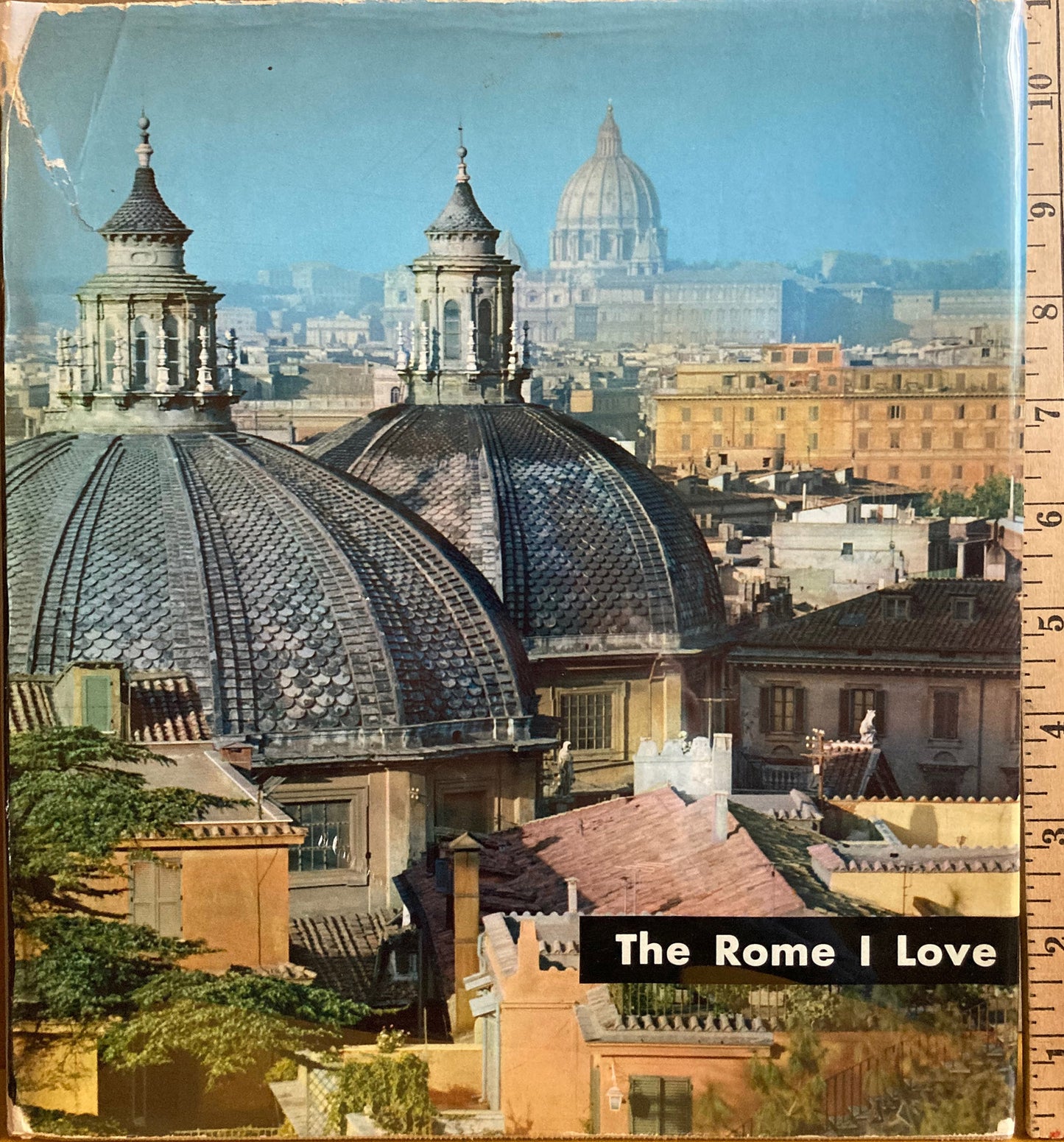
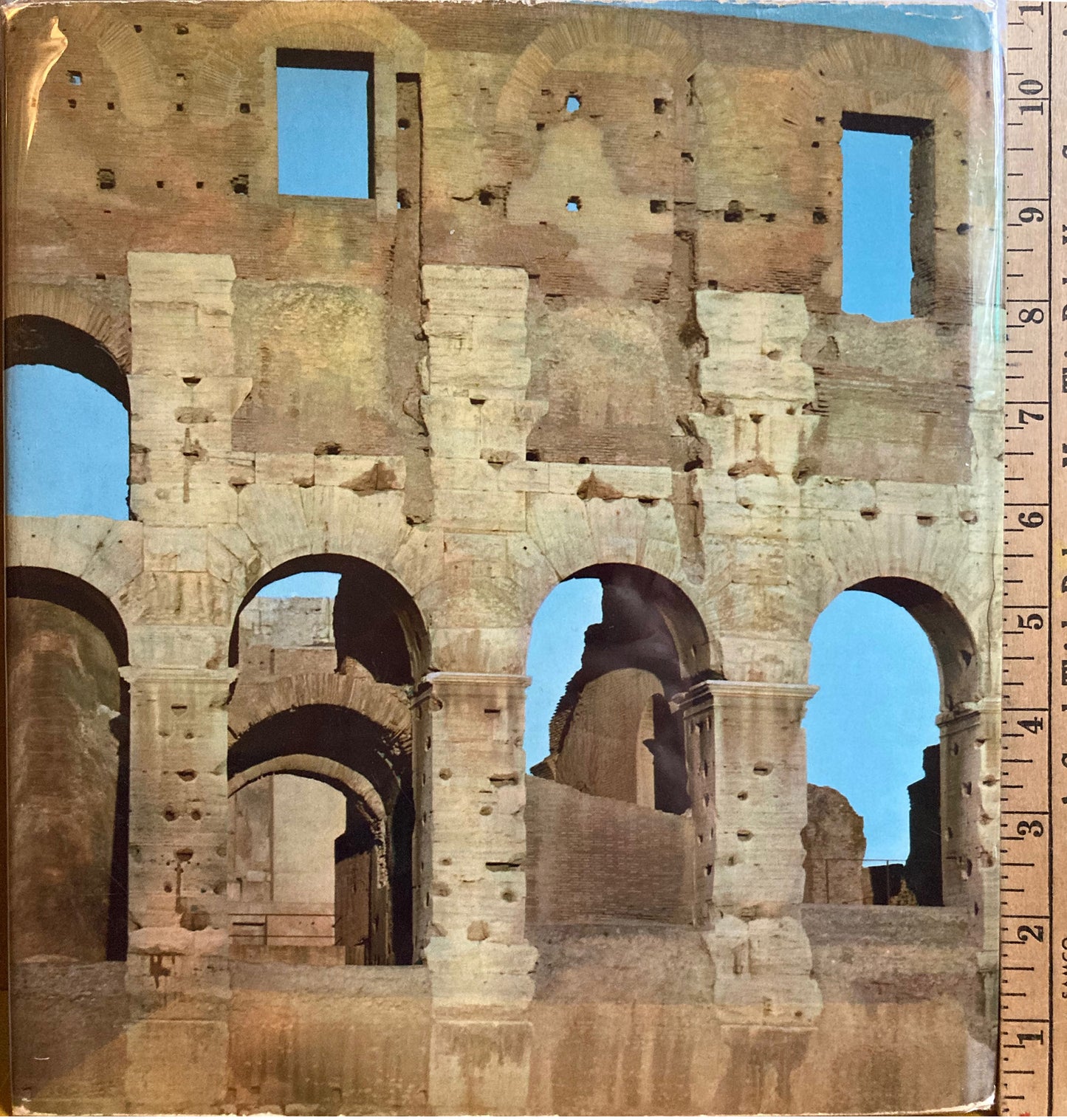
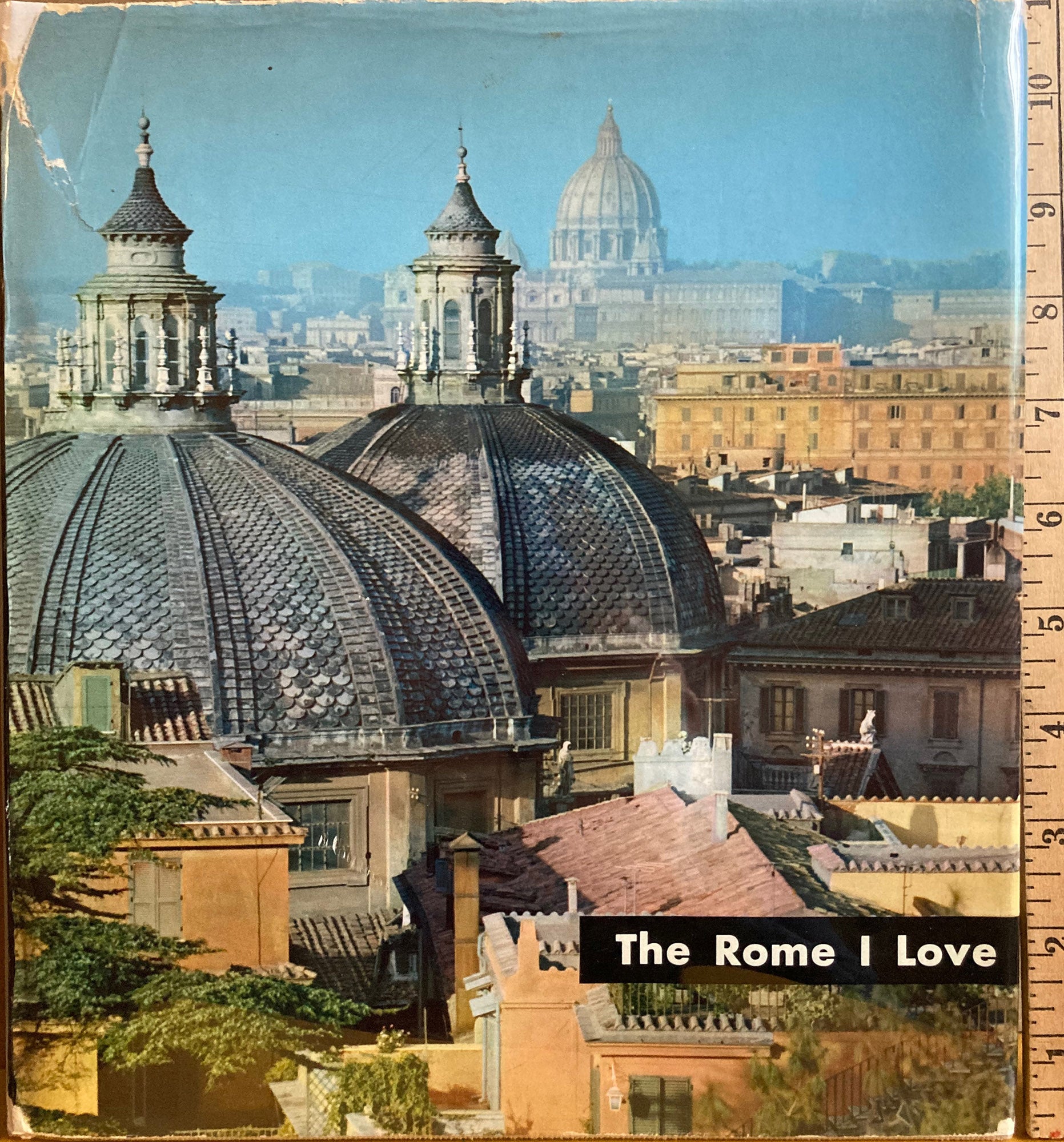
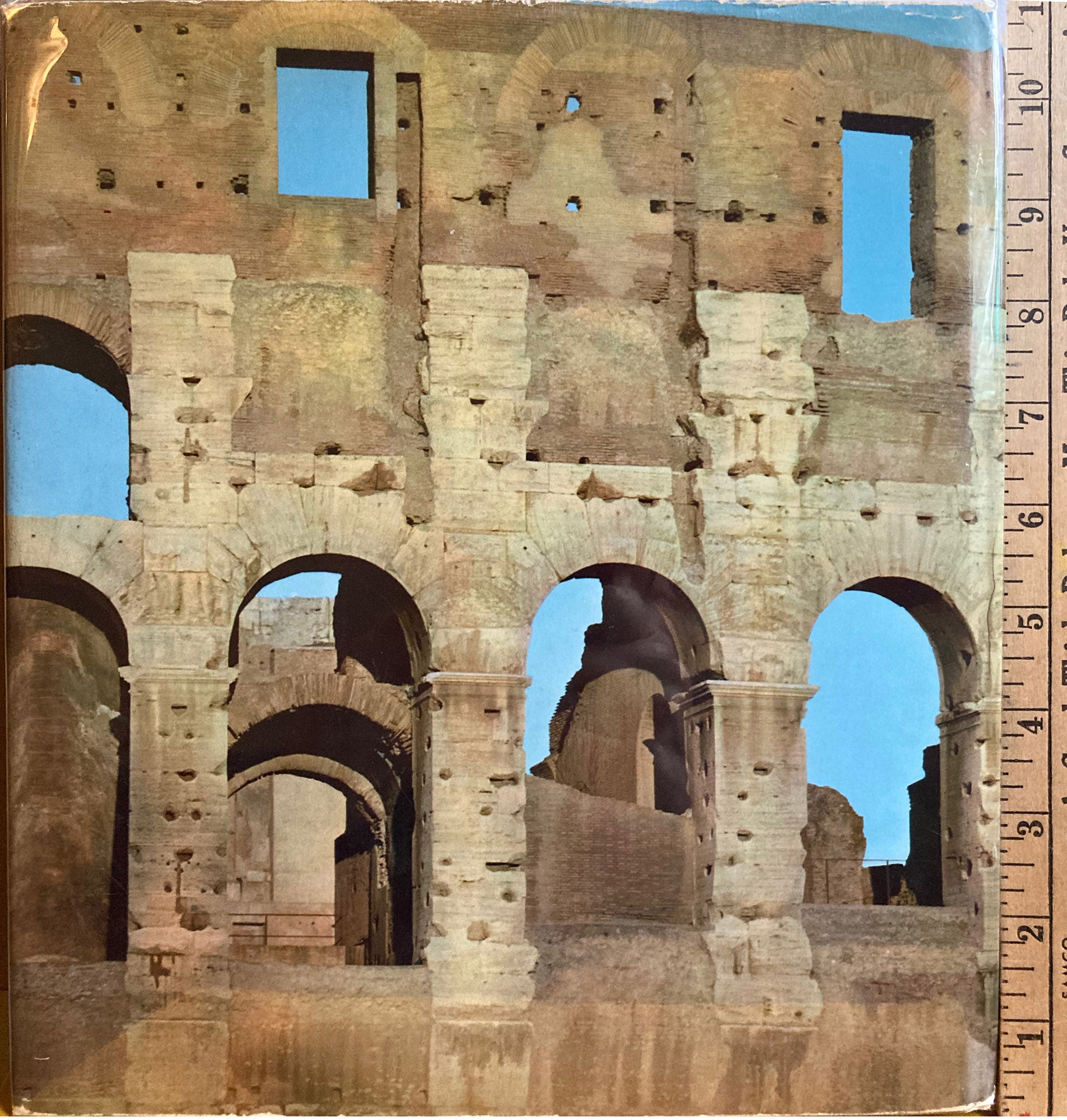
Tudor, 1958. Introduction by Jean Giono. Titles by Félicien Marceau. Unpaginated. Hardcover in white cloth with protected chipped and torn dust jacket. Binding is sound, heavy weight pages clean with edges starting to age tone. Photographs by Patrice Molinard in both black-and white and color of well known buildings, monuments, and sculpture in Rome, Italy, as well as charming everyday street scenes. Many illustrations are full page. Includes chronology of Roman history from circa 1000 B.C. to 1957. This book is often found without a dust jacket. See photos accompanying this listing. Summary:
The Rome I Love (1960) is a quintessential mid-century photographic "love letter" to the Eternal City. Part of the acclaimed "I Love" series, the book pairs the atmospheric, high-contrast photography of Patrice Molinard with a romantic yet historically informative narrative by Georges Pillement. It captures Rome at a pivotal moment—balancing its ancient ruins with the chic, bustling energy of the Dolce Vita era.
Core Themes and Narrative
-
The Living Ruin: Pillement’s text rejects the idea of Rome as a museum. Instead, he presents the city as a palimpsest where Baroque fountains, Renaissance palaces, and Roman forums are integrated into the daily, "high-performance" chaos of modern Italian life.
-
The "Spirit of Place" (Genius Loci): The book focuses on the specific sensory details of Rome—the "apricot" light on the walls of Trastevere, the sound of Vespas echoing off cobblestones, and the architectural theater of the Piazza Navona.
-
Catholic Grandeur: A significant portion is dedicated to the Vatican and the sacred geometry of St. Peter’s, framing the city’s religious heritage as its permanent, stabilizing backbone.
Visual and Technical Notes
-
The "Cinematic" Finish: Patrice Molinard’s photography is heavily influenced by Italian Neorealist cinema. He uses dramatic shadows and "low-angle" perspectives that make the city’s architecture feel like a theatrical set.
-
Texture and Sunlight: The images are characterized for their tactile quality. Molinard captures the "rough-hewn" finish of ancient travertine stone and the slick, reflective surfaces of rain-washed streets, creating a visual depth that feels almost three-dimensional.
- Patrice Molinard (1922–2002) was a French photographer, director, and set photographer renowned for his evocative black-and-white visual explorations of post-war Paris and his contributions to mid-century French cinema. Beginning his career in film in the late 1940s, Molinard served as still photographer on Georges Franju’s celebrated avant-garde documentary Le Sang des bêtes (Blood of the Beasts, 1949), establishing a reputation for capturing gritty, atmospheric realism. He achieved enduring literary and photographic acclaim through his collaboration with writer Jean-Paul Clébert on the seminal photobook Paris Insolite (Unknown Paris, 1954), contributing 115 original photogravure illustrations that documented the subterranean alleys, fleamarkets, homeless subcultures, and forgotten pockets of the French capital. Praised by the Surrealists and influential to the early Situationists for its psycho-geographical mapping of urban margins, Molinard's work combined documentary precision with a poetically haunting noir sensibility. Throughout the subsequent decades, he continued to navigate between fine art street photography, architectural travel studies, and film direction, securing a unique place in the canon of 20th-century French humanist and avant-garde visual documentation.