商品情報にスキップ
1 1

Gary Saretzky Photo Books

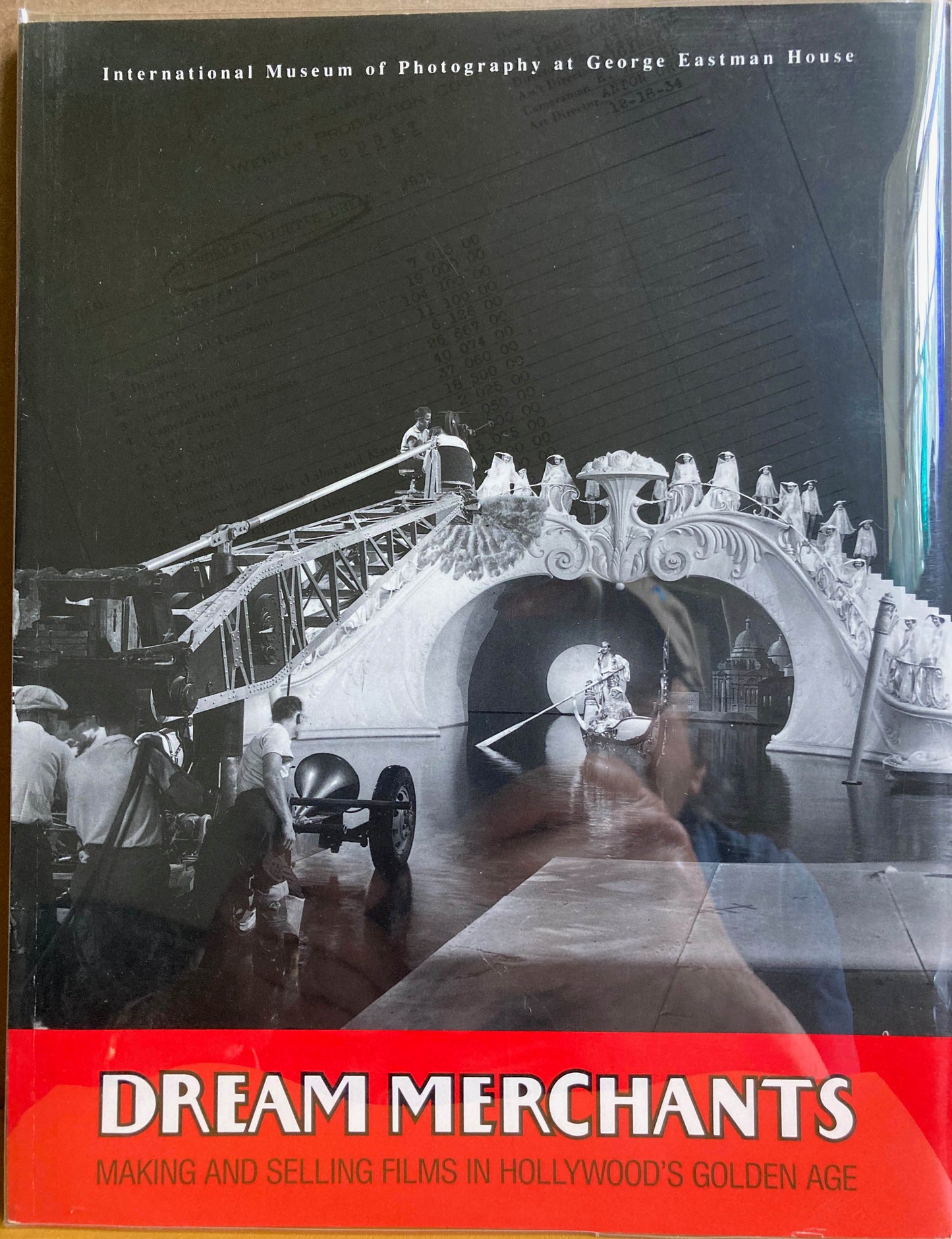
Hollywood. Dream Merchants: Making and Selling Films in Hollywood's Golden Age by Jan-Christopher Horak.

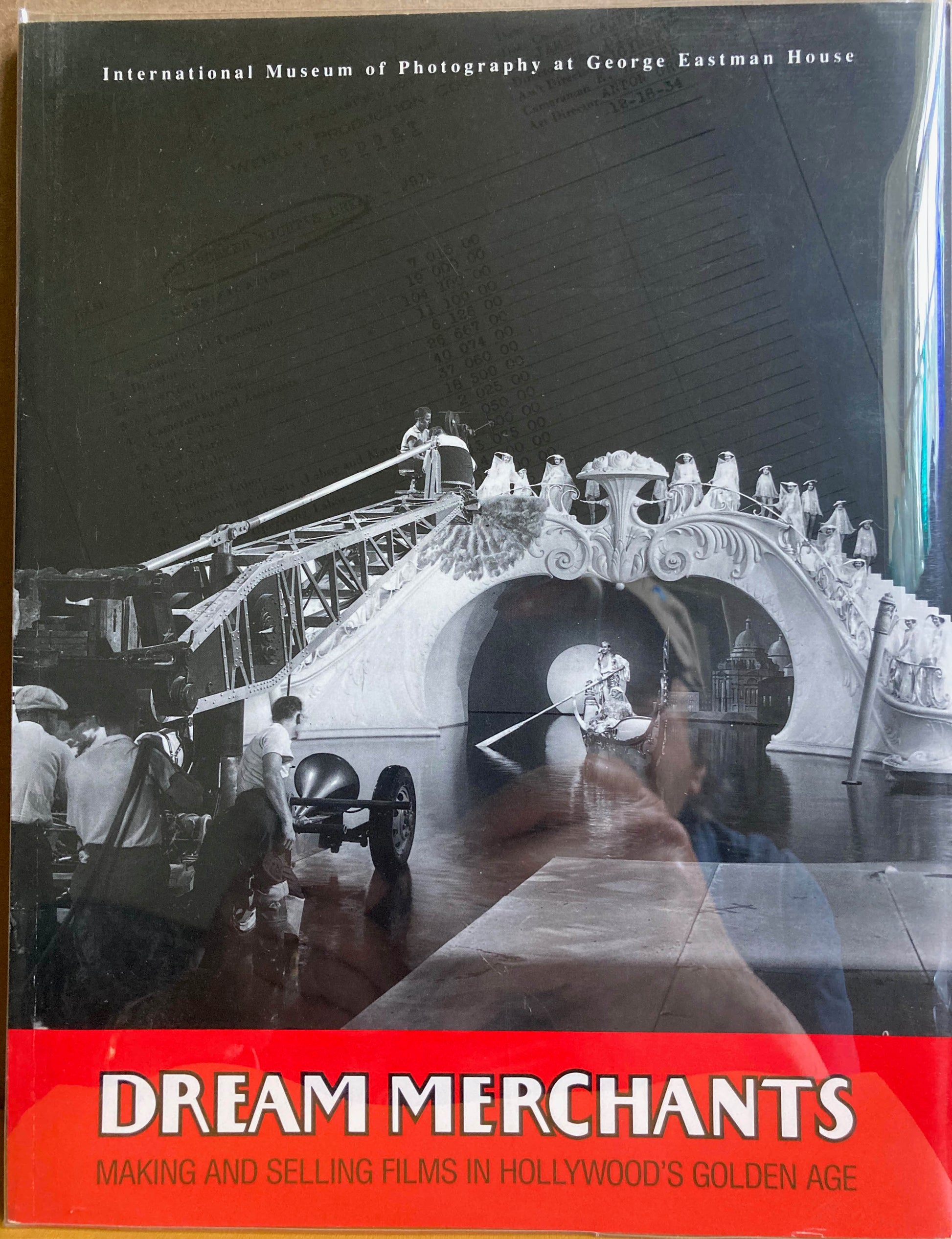
Hollywood. Dream Merchants: Making and Selling Films in Hollywood's Golden Age by Jan-Christopher Horak.

通常価格 $25.00 USD
通常価格 セール価格 $25.00 USD
セール 売り切れ
配送料はチェックアウト時に計算されます。

International Museum of Photography at George Eastman House, 1989. Like new in wraps with custom-made 4-mil polyester clear jacket.  79 pages.  Exhibition catalog with essay and numerous black-and-white illustrations from the exhibition’s 250 items, which are listed in the back of the book with a bibliography. The exhibition toured in 1989 and 1990. Summary:

Published in 1989 by the George Eastman House, Dream Merchants: Making and Selling Films in Hollywood's Golden Age by Jan-Christopher Horak is a scholarly exploration of the industrial and promotional machinery behind the American film studio system.

The book was originally produced as a substantial exhibition catalog to accompany a traveling exhibit featuring materials from the Warner Bros. Archive, which is housed at the International Museum of Photography at George Eastman House.


Core Focus & Objective

Horak, a renowned film historian and former director of the UCLA Film & Television Archive, examines Hollywood not just as a creative hub, but as a sophisticated industrial factory. The text focuses on the "dream merchants"—the moguls, marketing departments, and studio heads—who successfully commodified glamour and narrative.

Key Themes

  • The Business of "Make-Believe": The book deconstructs how the major studios (specifically Warner Bros.) manufactured a consistent brand of entertainment, balancing artistic output with hardline economic imperatives.

  • Promotional Culture: A significant portion of the work is dedicated to film marketing. It analyzes how posters, press kits, and star-building campaigns were used to "sell" a film to the public long before they entered the theater.

  • Archival Preservation: By utilizing the Warner Bros. collection, Horak highlights the importance of preserving corporate and production records (scripts, production stills, and internal memos) to understand the true history of cinema.

  • The "Studio Look": The text discusses how specific studios developed distinct visual and narrative styles (e.g., the gritty, urban realism often associated with Warner Bros. in the 1930s) as a result of their centralized production methods.

Format and Features

  • Visual Documentation: As an exhibition catalog, it is heavily illustrated with rare black-and-white photographs, candid "behind-the-scenes" shots, and reproductions of promotional materials that are rarely seen by the general public.

  • Scholarly Essay: The book is anchored by a deep critical essay by Horak that provides the historical context for the 250+ items featured in the original exhibition.

Significance

Dream Merchants is highly valued by film historians for its focus on the labor and commerce of Hollywood. It serves as a reminder that the "Golden Age" was built as much by accountants and advertising agents as it was by directors and movie stars.


詳細を表示する