Gary Saretzky Photo Books
History of Photography. The History of Photography 1685–1914 From the Camera Obscura to the Beginning of the Modern Era
History of Photography. The History of Photography 1685–1914 From the Camera Obscura to the Beginning of the Modern Era
受取状況を読み込めませんでした
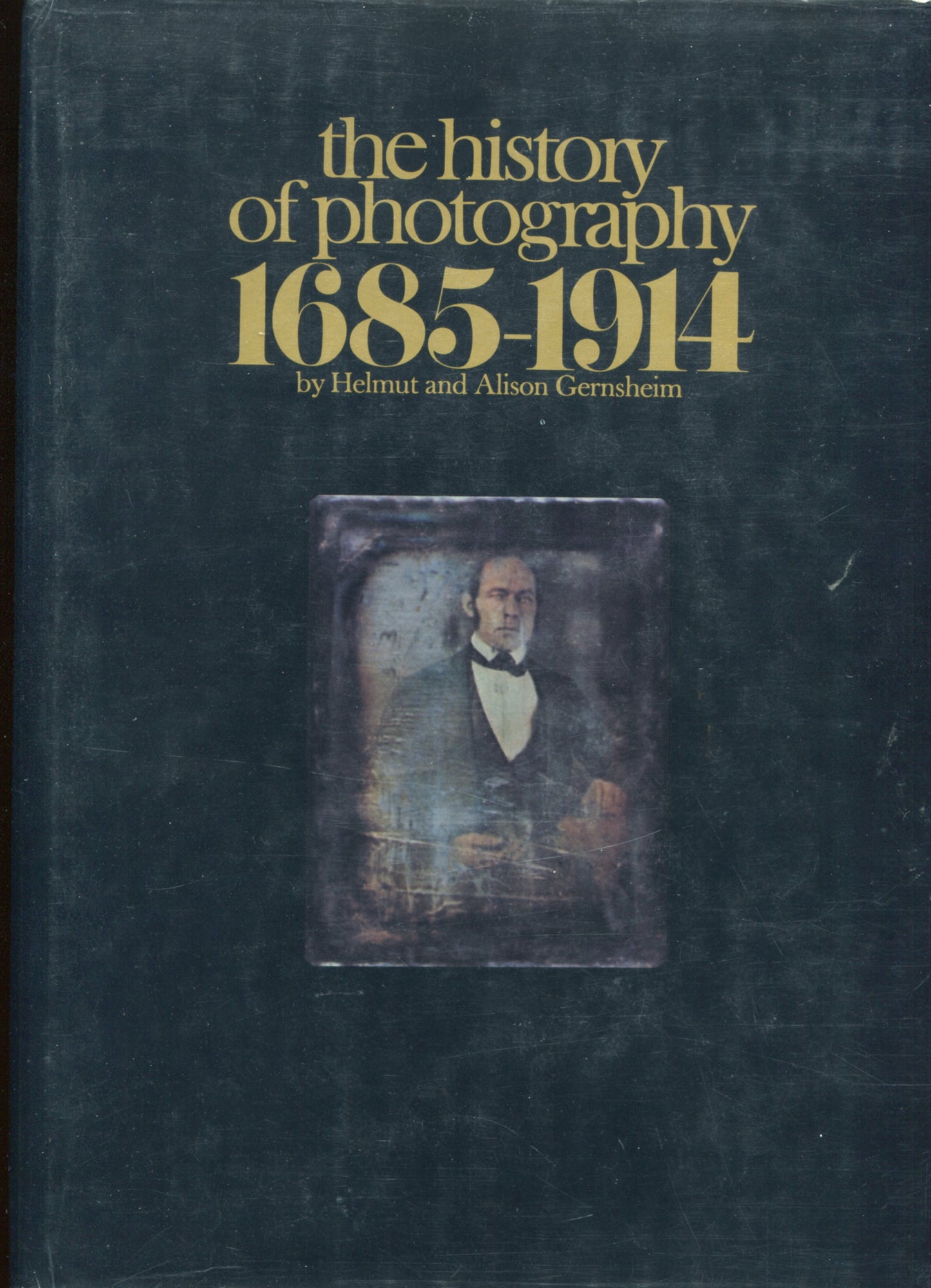
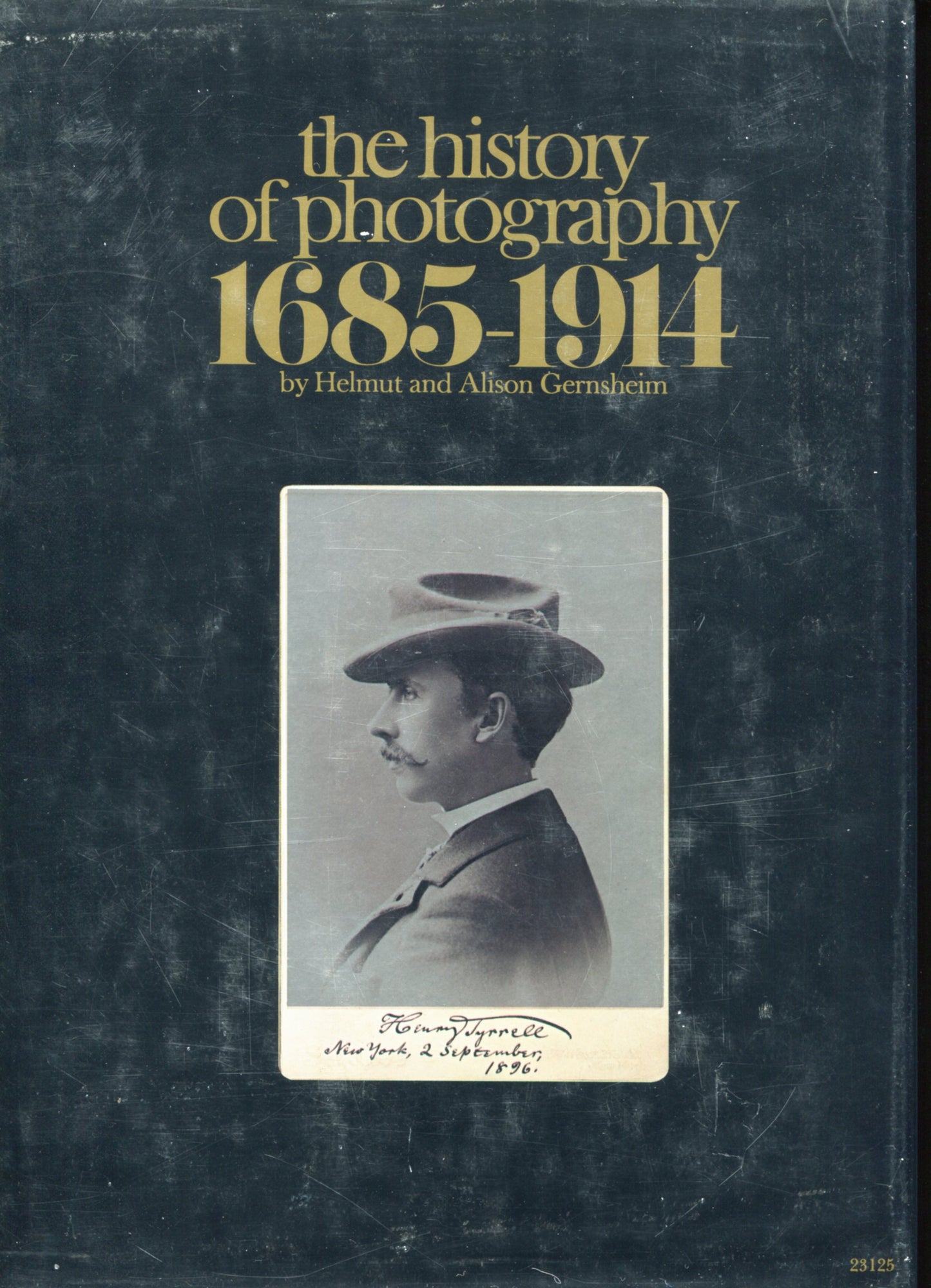
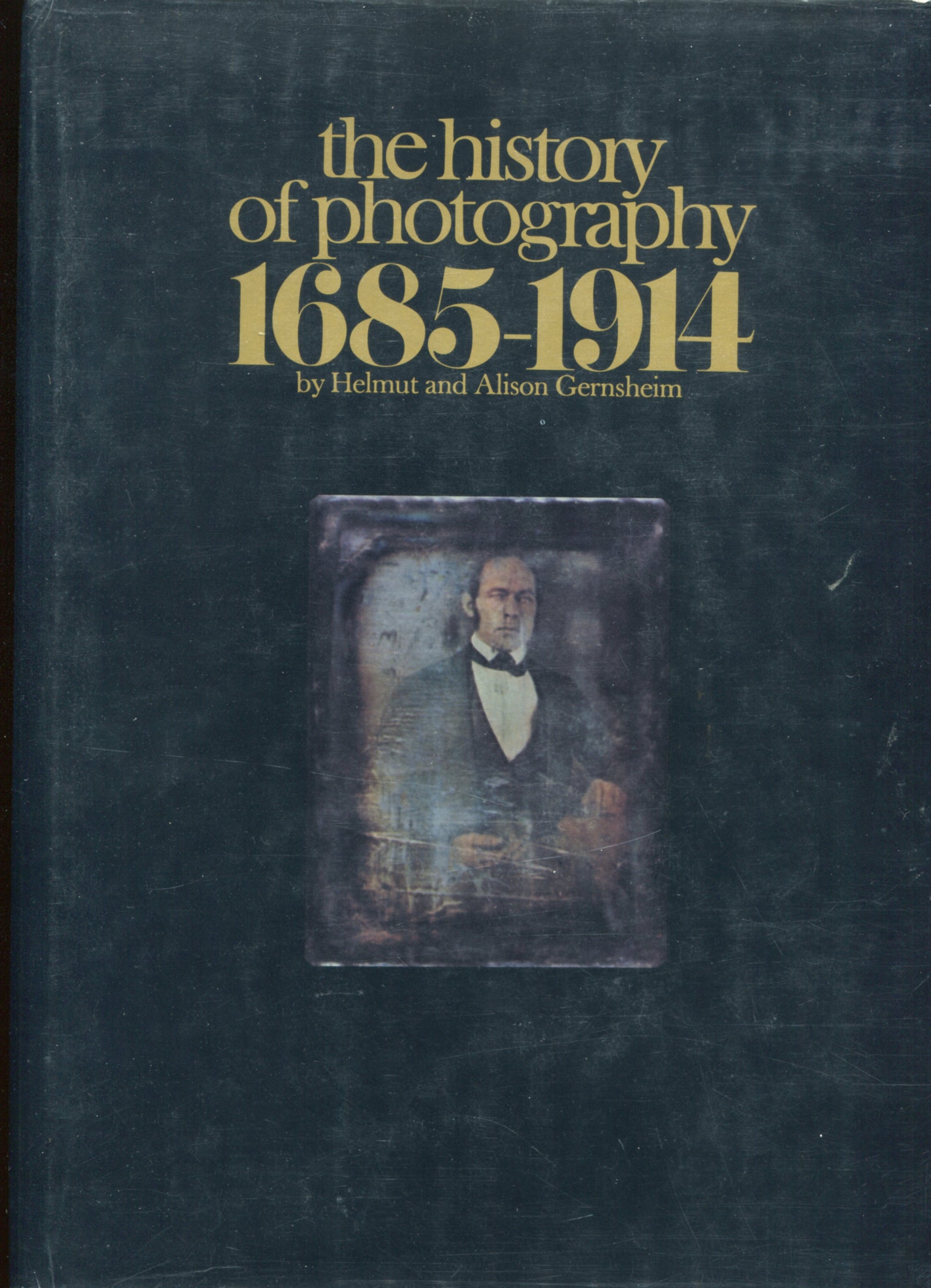
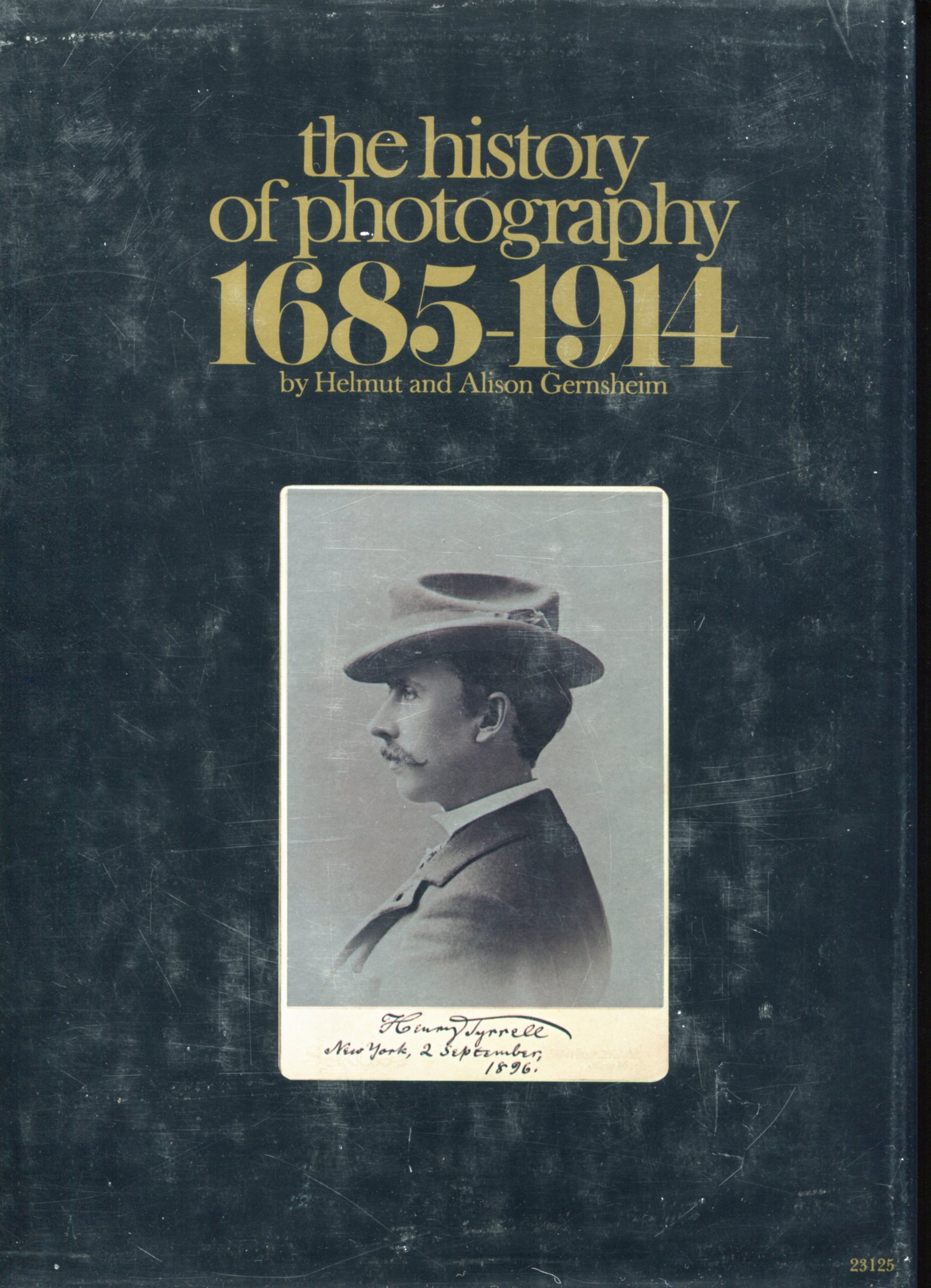
by Helmut and Alison Gernsheim. McGraw-Hill Book Company, 1969. 1st U.S. edition, also issued in the same year by Thames & Hudson in the U.K. Essential reference. This massive 599-page book, distributed exclusively by Aperture, provides a wealth of detailed information gathered by the authors over many years of research and collecting. Illustrated with 390 photographs and engravings. Sections, most with several chapters, on The Prehistory of Photography, The Invention of Photography, The Early Years of Photography, The Collodion Period, The Gelatine Period, Some Applications of Photography, The Evolution of Colour Photography, and Photography and the Printed Page. With extensive bibliography, appendices, sources for illustrations, and detailed index. Hardcover, black cloth, very good with small spots of shelf wear at bottom corners, edges of pages slightly age toned, with near fine protected dust jacket that is not price clipped. Signed by previous owner on f.f.e.p., otherwise no marks. Scans of book below were made with dust jacket protector on book. Not issued with ISBN number because those numbers had not yet come into use. Summary:
Published in 1969 as a revised and expanded edition of their seminal 1955 work, The History of Photography 1685–1914 by Helmut and Alison Gernsheim remains one of the most authoritative and comprehensive accounts of the medium’s evolution. The Gernsheims, who were pioneering collectors and historians, treat photography as both a scientific achievement and a burgeoning art form.
Core Narrative: From Pre-history to Modernity
The book’s timeline begins significantly earlier than the typical 1839 start date, tracing the optical and chemical foundations of the medium.
-
The Pre-Photographic Era (1685–1839): The authors detail the development of the Camera Obscura and the early experiments of figures like Johann Heinrich Schulze. They argue that the "invention" of photography was a slow convergence of optics and chemistry rather than a single "eureka" moment.
-
The Pioneers: A massive portion of the book is dedicated to the competing processes of Nicéphore Niépce (who produced the world's first permanent photograph, discovered by the Gernsheims in 1952), Louis Daguerre, and Henry Fox Talbot.
Key Thematic Sections
The Gernsheims organize the history into distinct technological and social "ages":
-
The Age of the Daguerreotype: The rise of commercial portraiture and the unique, mirror-like "miracle" of the silvered plate.
-
The Collodion Era: The transition to the wet-plate process, which allowed for reproducibility (the negative/positive system) but required a portable darkroom for travel.
-
The Rise of Popular Photography: The development of the gelatin dry plate and, eventually, the Kodak camera, which democratized the medium and moved it out of the hands of specialists.
-
Artistic Aspirations: The book tracks the tension between "straight" documentation and Pictorialism, where photographers sought to mimic the aesthetics of painting to gain acceptance in the fine art world.
Significance of the 1969 Edition
This edition is noted for its massive physical scale and depth of research.
-
Visual Documentation: It contains hundreds of high-quality plates, many of which came from the Gernsheims' own world-class collection (now housed at the Harry Ransom Center).
-
The 1914 Cutoff: By ending at the start of World War I, the authors argue that the "modern era" began when photography shifted away from the cumbersome techniques of the 19th century toward the fast, handheld, and mass-media-driven aesthetic of the 20th century.
Legacy
"Photography is the only language that can be understood anywhere in the world." — Helmut Gernsheim
The Gernsheims are credited with professionalizing the study of photographic history. This book moved the discourse away from casual anecdotes toward a rigorous, academic framework that accounts for technical invention, social impact, and aesthetic theory in equal measure. It remains a primary reference for any serious study of 19th-century visual culture.