Gary Saretzky Photo Books
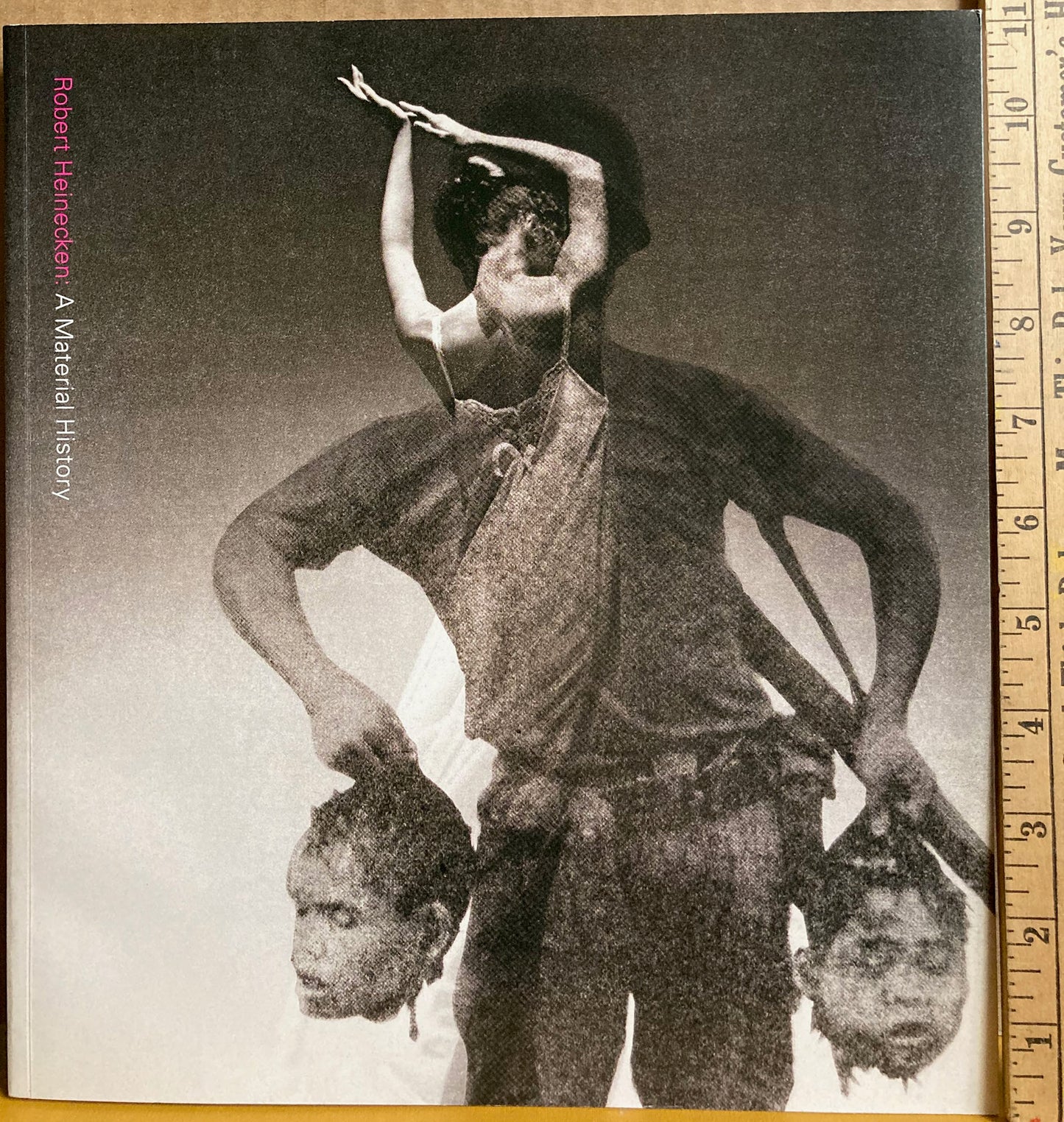
Heinecken, Robert. Robert Heinecken: A Material History.
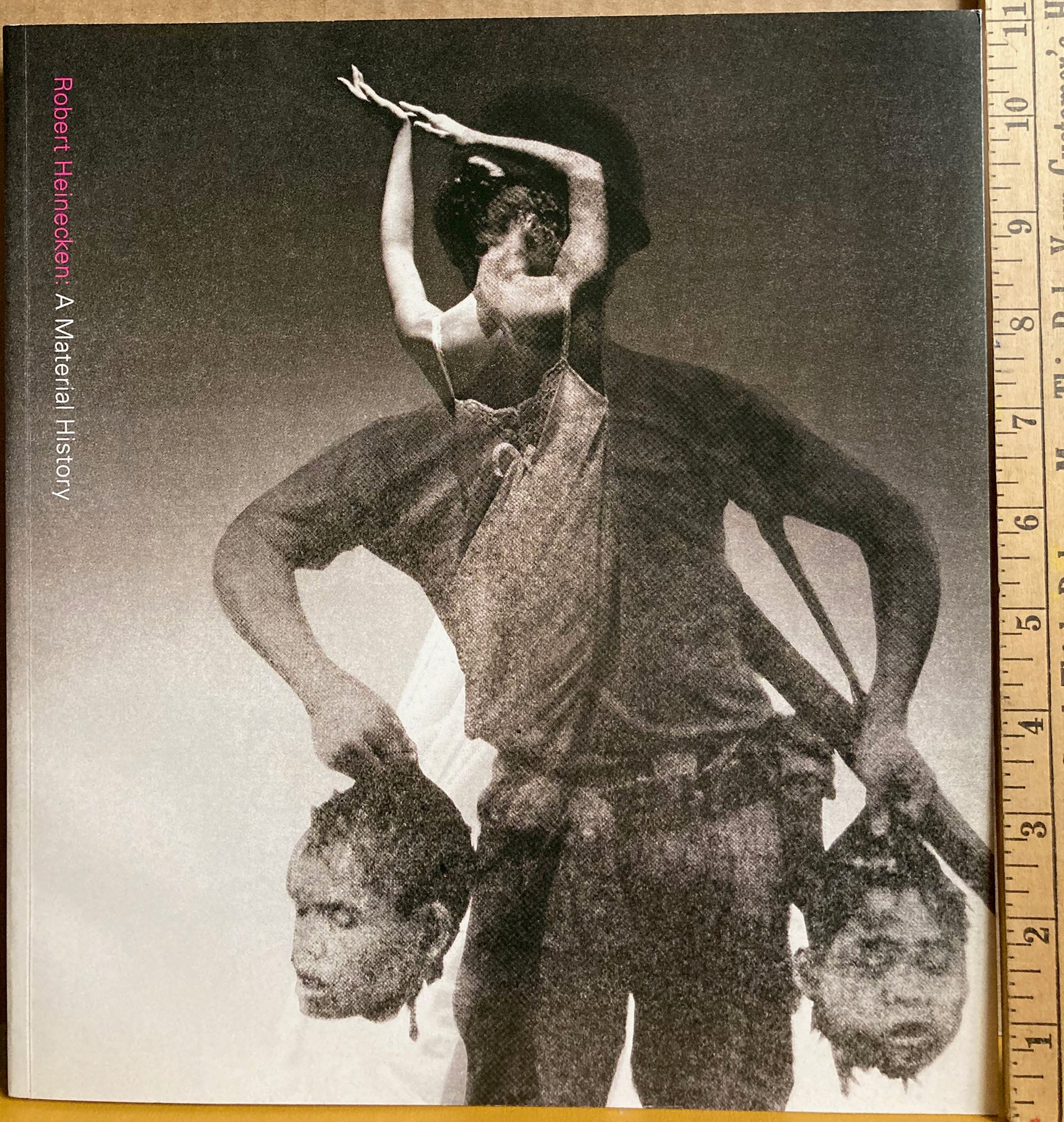
Heinecken, Robert. Robert Heinecken: A Material History.
受取状況を読み込めませんでした
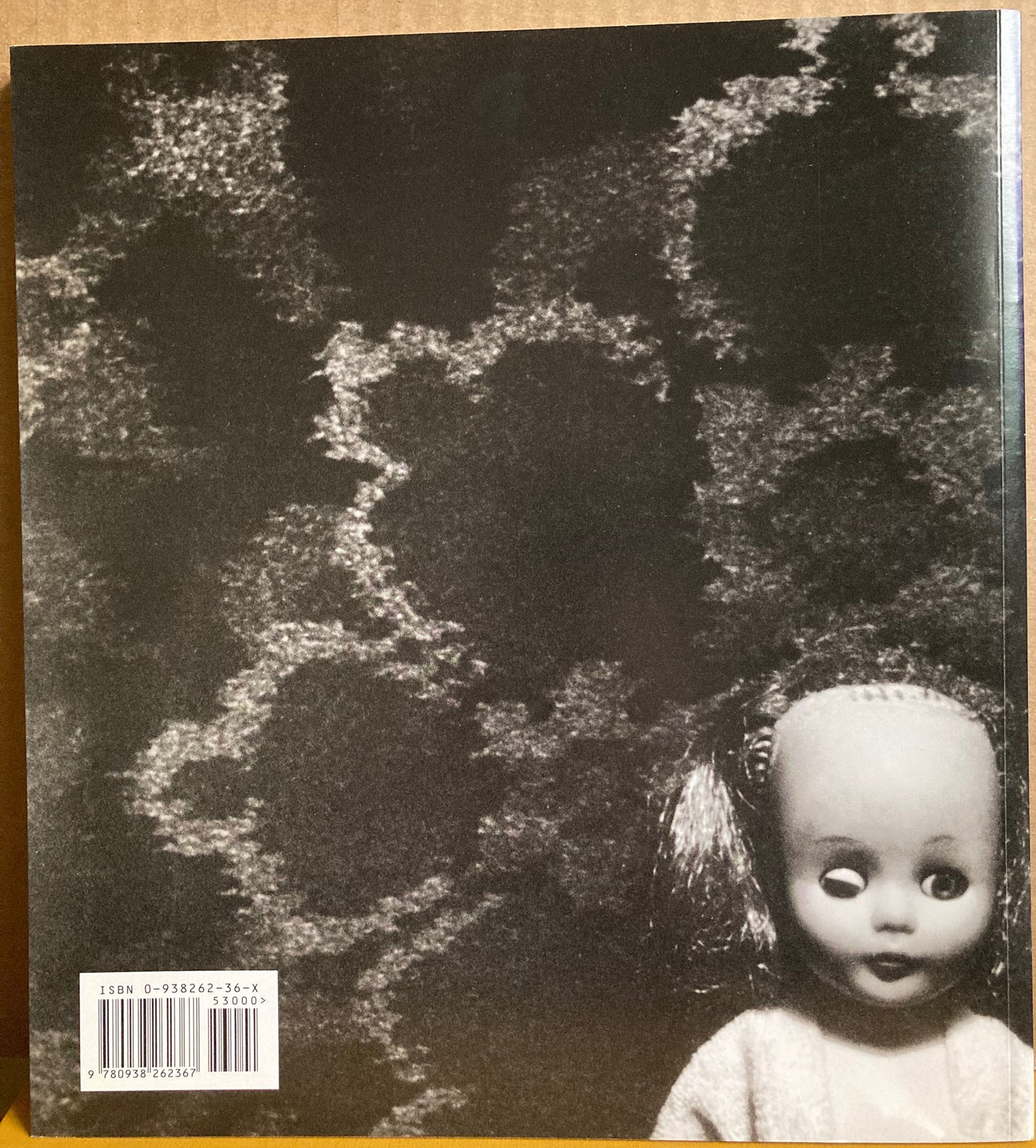
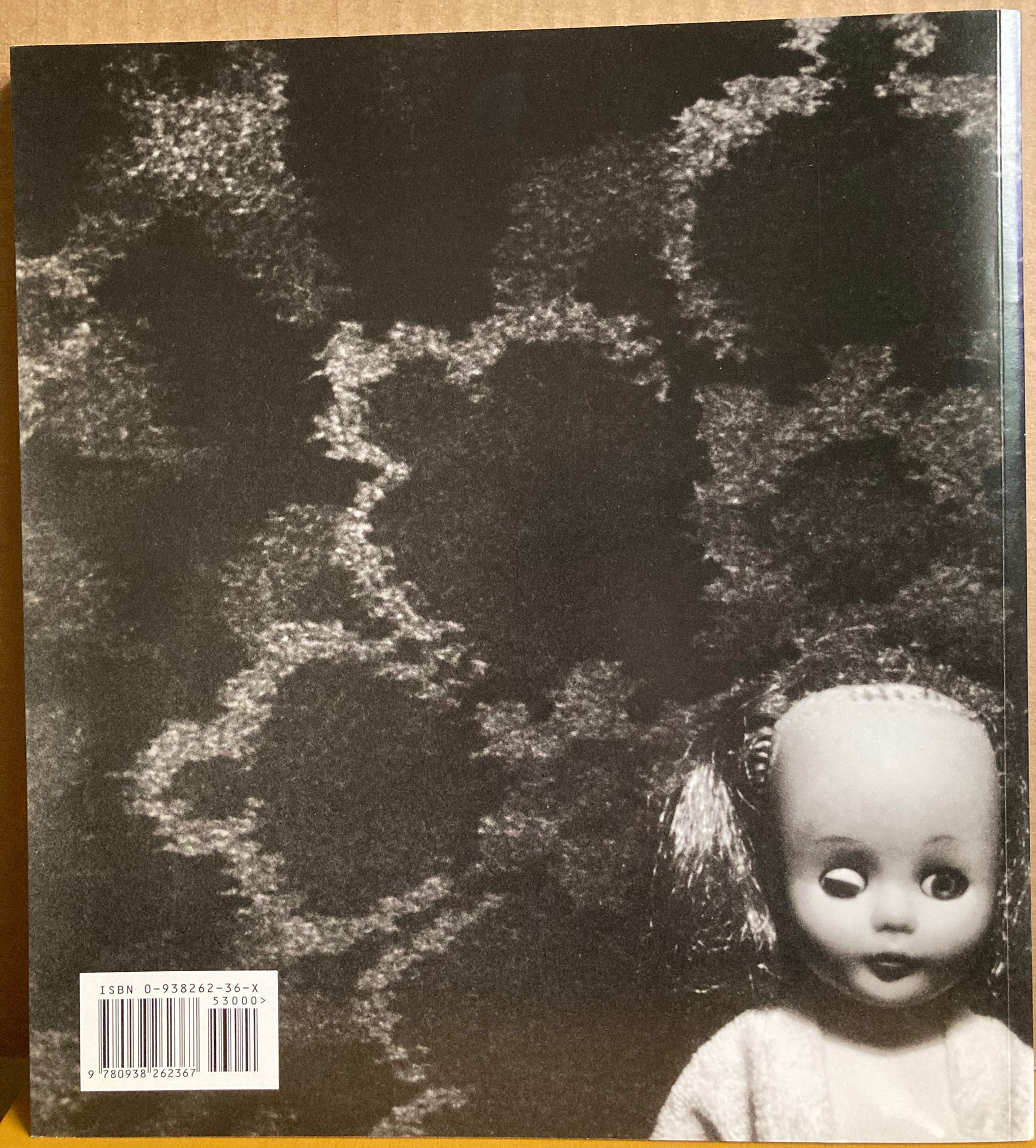
Center for Creative Photography, 2003. First edition, stiff illustrated wraps, as issued. Fine. 112 pages. With texts by Mark Alice Durant, Amy Rule, and Roxane Ramos. A retrospective survey of Heineken’s art photography practice, including but not limited to montages made from printing through girlie magazine pages. Summary:
Robert Heinecken: A Material History (2003) is a comprehensive illustrated study of the experimental art and photographic practice of Robert Heinecken—an influential American artist who challenged traditional definitions of photography. Published by the Center for Creative Photography, the book brings together images of his work alongside essays by Mark Alice Durant, Amy Rule, and Roxane Ramos, offering both visual documentation and critical context for one of the most provocative figures in late-20th-century picture-making.
📘 Overview and Themes
-
Artist and Medium: Heinecken (1931–2006) described himself as a “para-photographer” because he often worked beside or beyond conventional photography, treating photographs not simply as images but as material objects to be manipulated, recontextualized, and interrogated.
-
Experimental Techniques: The book traces his diverse methods — including collage, montage, photograms, photolithography, and assemblage — demonstrating how he appropriated found imagery from magazines, newspapers, television, and advertising to critique media representations and explore the constructed nature of visual culture.
-
Body of Work: Through numerous color and black-and-white plates, the volume showcases key series such as layered magazine works, reworked periodicals, double-sided photograms, video-derived images, and other hybrid picture-objects that blur boundaries between photography, sculpture, and conceptual art.
-
Critical Perspective: Essays within the book contextualize Heinecken’s practice within the broader history of photographic experimentation and conceptual art, unpacking his playful yet rigorous engagement with mass-media imagery and his interrogation of viewer expectations.
-
Legacy: By treating images as malleable material, Heinecken’s work anticipated later artistic strategies of appropriation and media critique and helped expand understandings of what photography could be in a post-modern age.
In short, Robert Heinecken: A Material History offers an essential survey of an artist who pushed the boundaries of photography into the realm of conceptual and material art. It documents his inventive techniques, provocative use of found imagery, and enduring impact on contemporary visual culture.
Robert Heinecken (1931–2006) was an American artist, pioneer of conceptual photography, and self-described "para-photographer" who redefined the medium by manipulating existing mass-media imagery rather than taking traditional photographs with a camera. Born in Denver, Colorado, Heinecken served as a U.S. Marine Corps fighter pilot before earning his B.A. and M.F.A. from the University of California, Los Angeles (UCLA), where he founded the university’s renowned graduate photography program in 1964. Influenced by Dada, Pop art, and Surrealism, he gained international notoriety for using appropriation, photograms, darkroom manipulation, film contact prints, collage, and photographic sculpture to critique American consumerism, pornography, mass media, and the Vietnam War. His celebrated works—such as his Are You Rea photogram series (1964–1968) and his guerilla "subversives" inserted back into commercial newsstands—deconstructed the persuasive mechanics of advertising and television news long before the digital age. A founding member of the Society for Photographic Education (SPE) and a major influence on postmodern artists and the Pictures Generation, Heinecken was honored with a retrospective at the Museum of Modern Art in 2014, securing his legacy as one of the most radical visual iconoclasts in 20th-century American art.