Gary Saretzky Photo Books
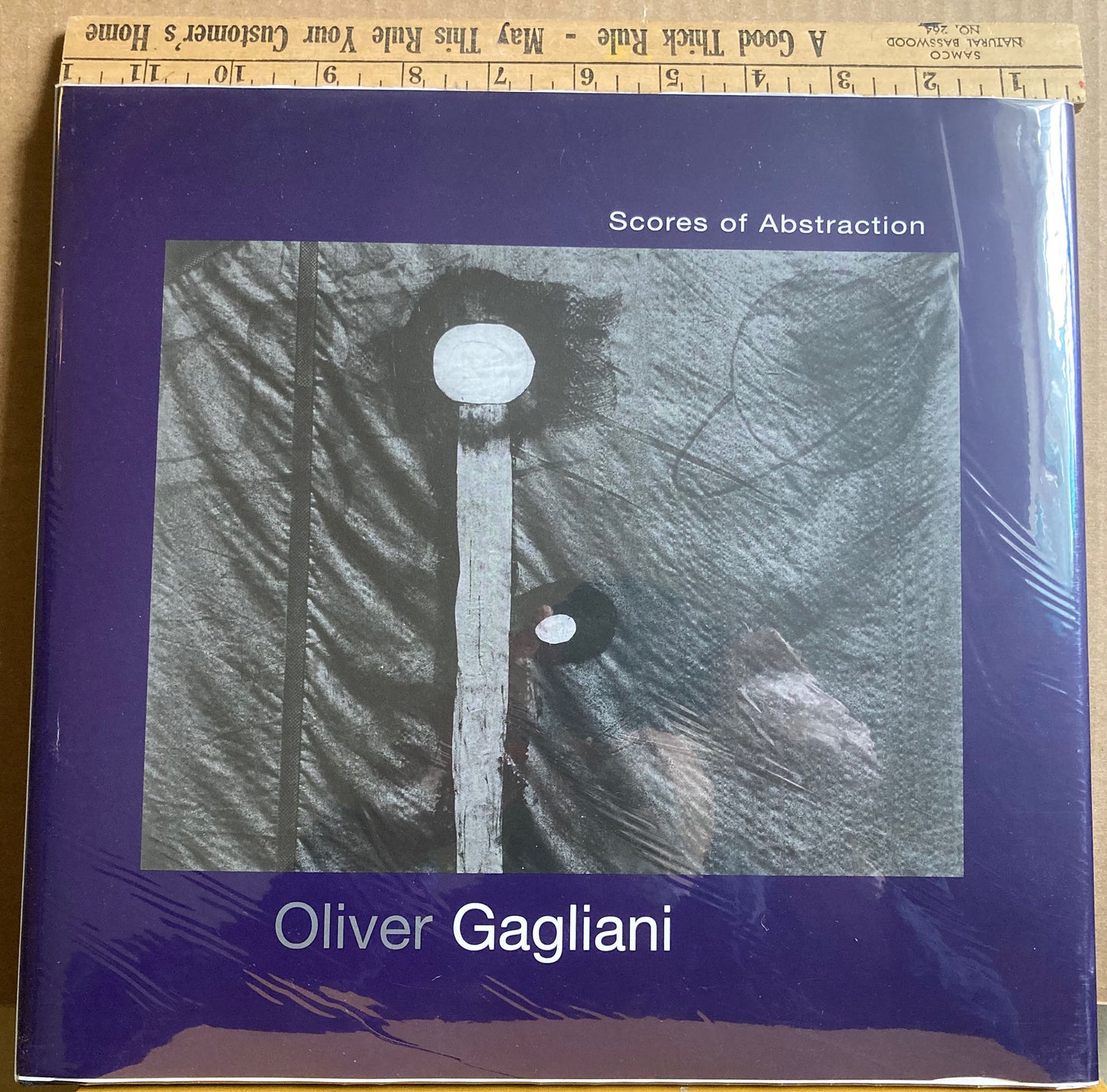
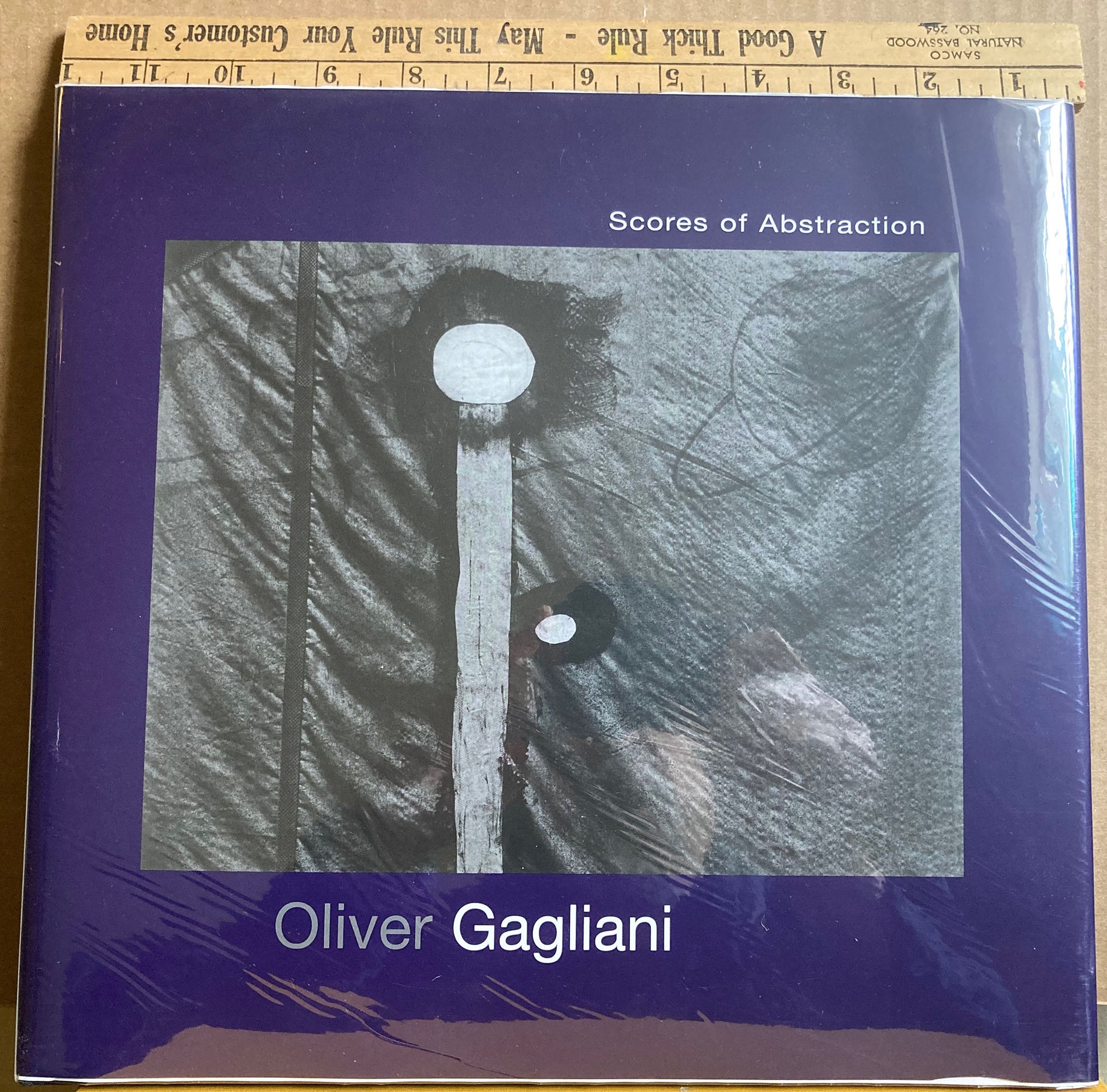
Gagliani, Oliver. Oliver Gagliani: Scores of Abstraction, Lux VI. Photographs by Oliver Gagliani.
Gagliani, Oliver. Oliver Gagliani: Scores of Abstraction, Lux VI. Photographs by Oliver Gagliani.
受取状況を読み込めませんでした
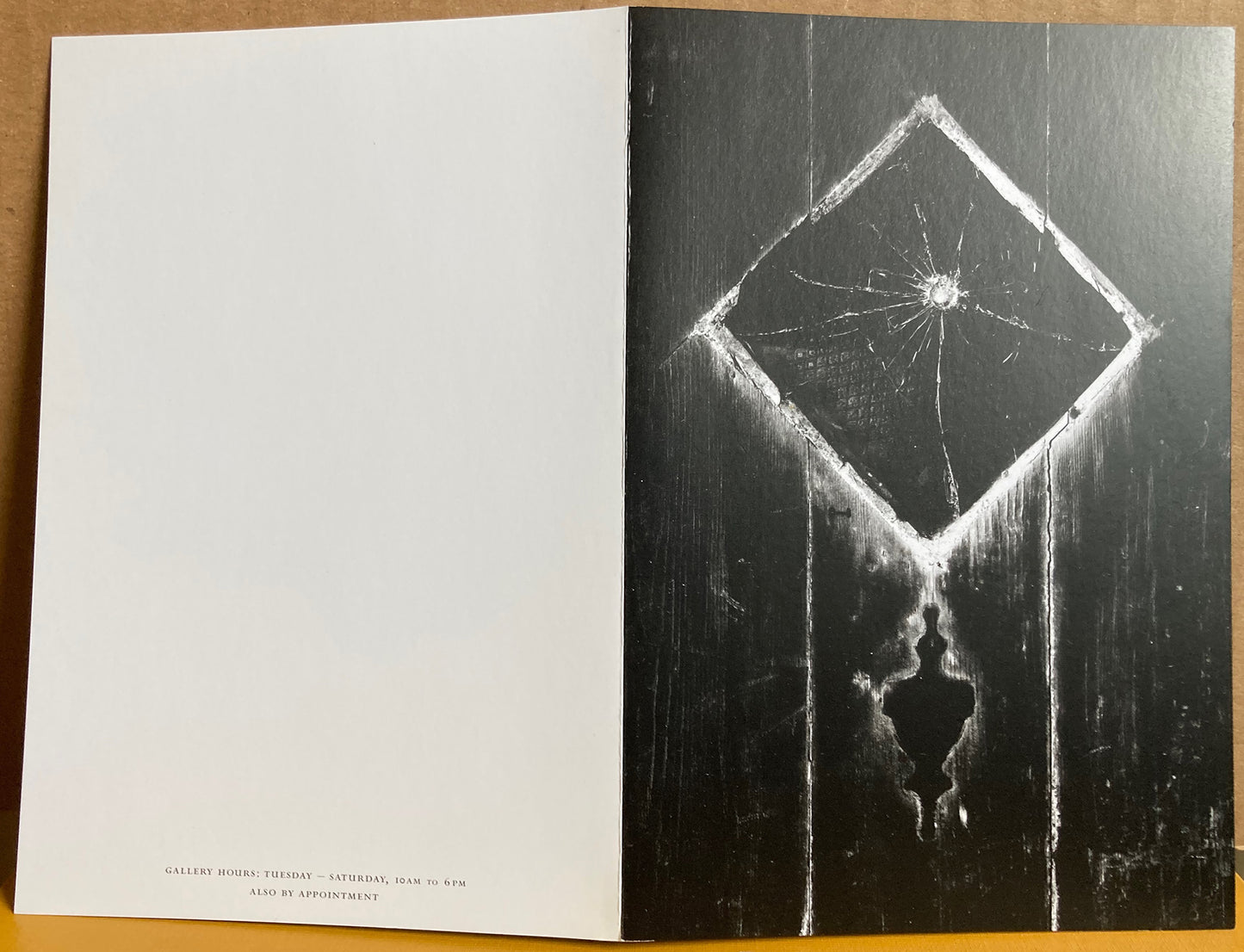
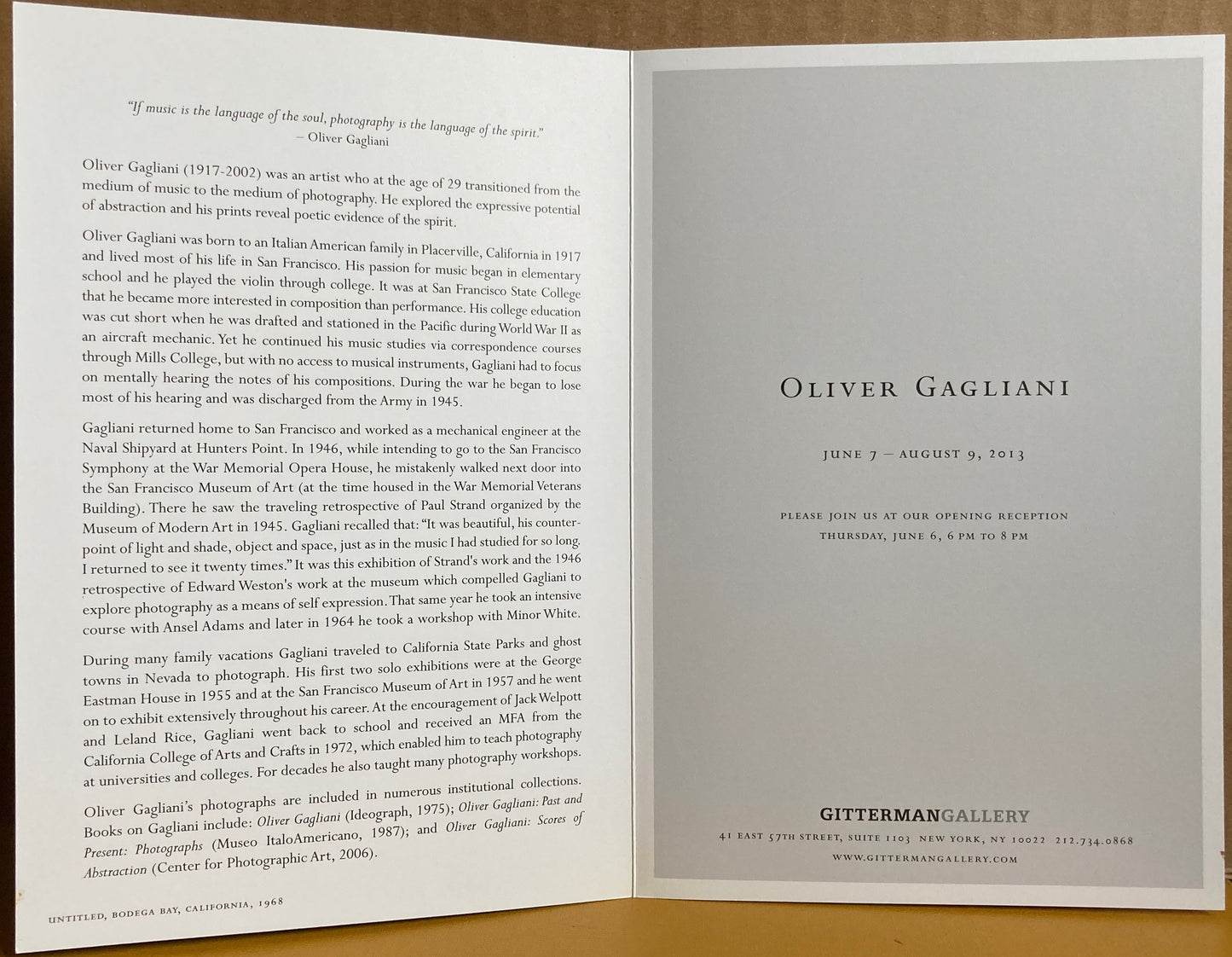
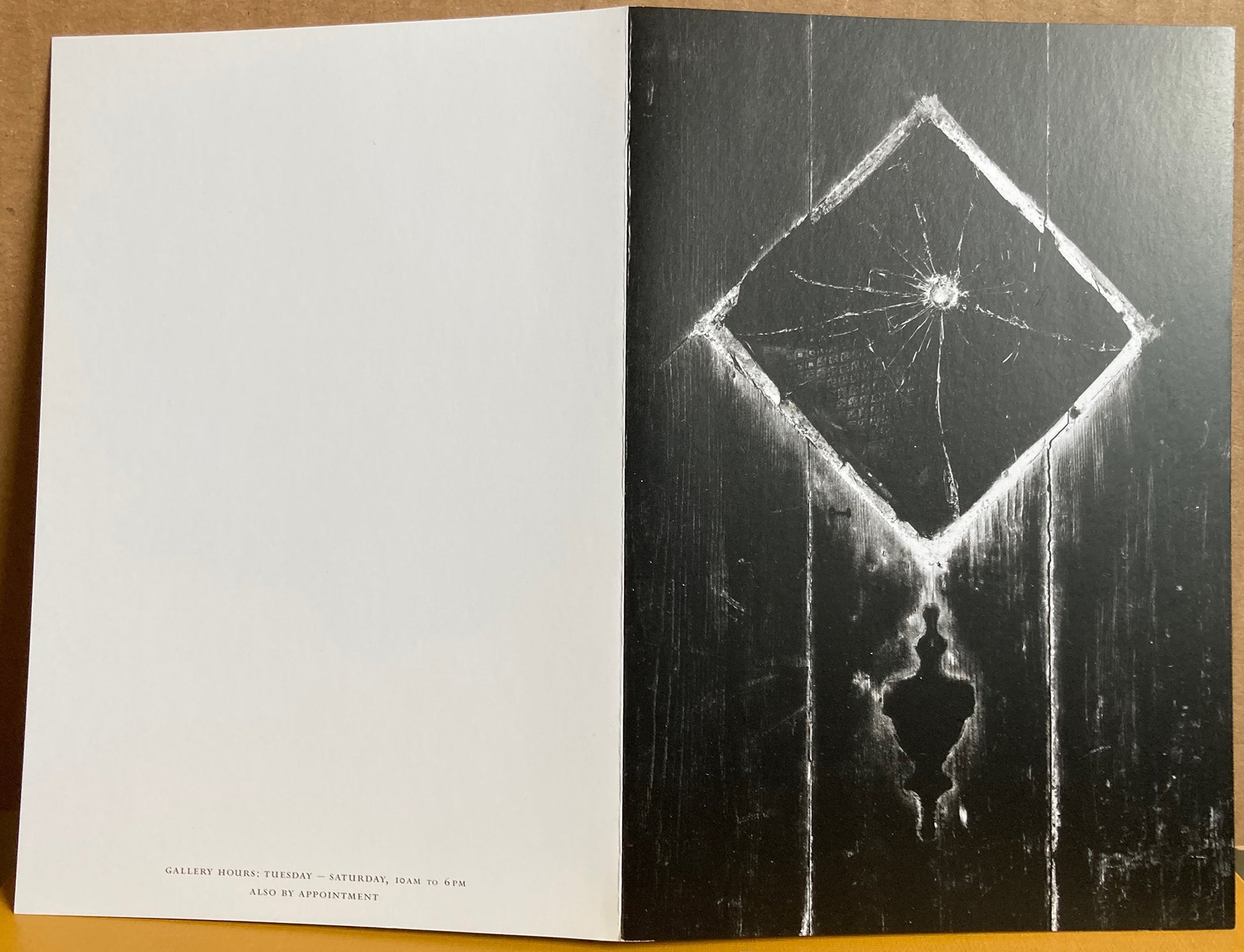
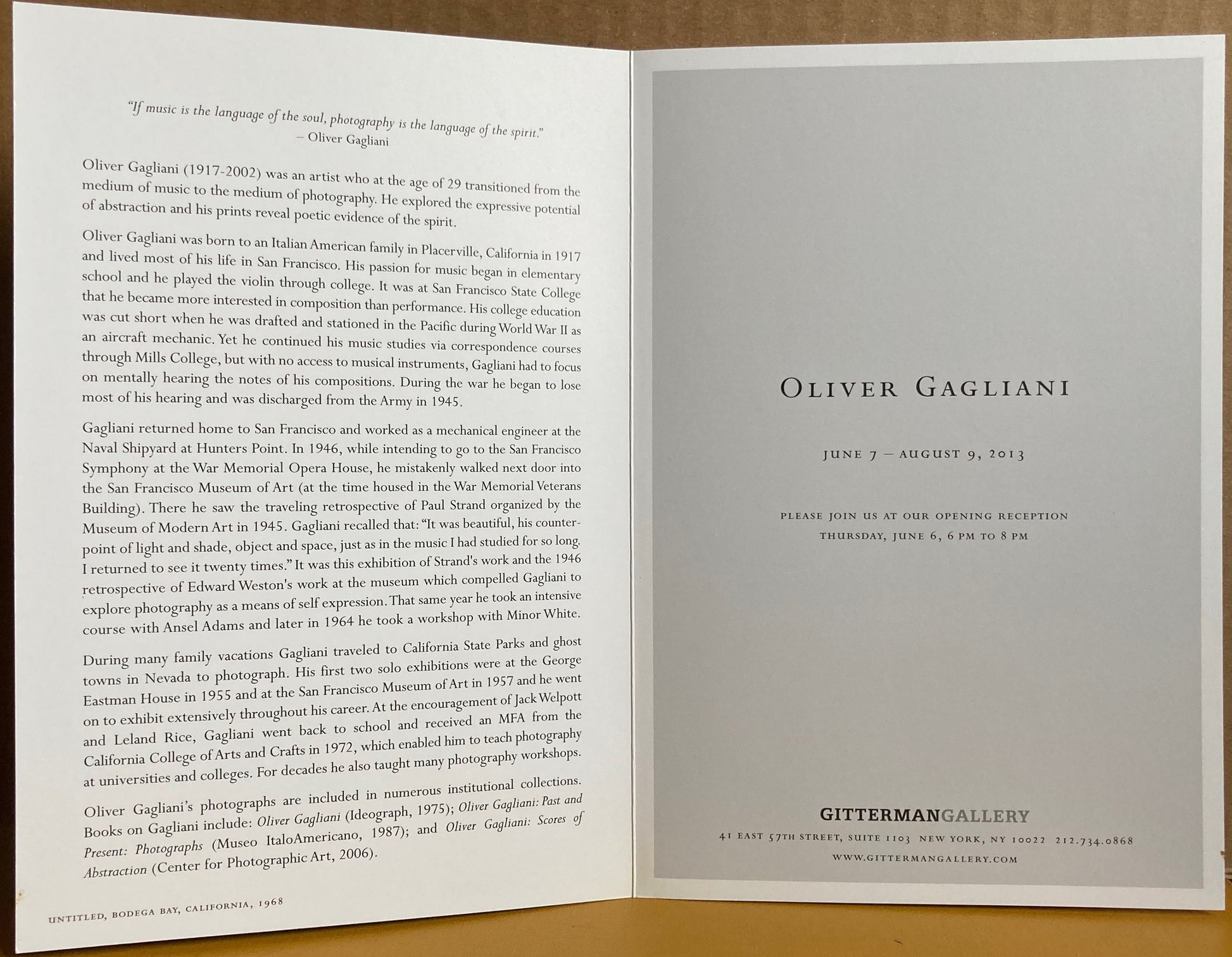
Center for Photographic Art, 2006. Hardcover with protected dust jacket. Fine, like new. First edition. Introduction by Leland Rice. Afterword by Dennis High. With Gutterman Gallery, New York, 2013 exhibition handout laid in. 52 pages with abstract black and white photographs by Gagliani. Oliver Lewis Gagliani (1917 – 2002) was an American photographer and educator. He was a master of large format photography, darkroom technique, and the Zone System. Gagliani was an active photographer in the San Francisco Bay Area from 1948 until 2002. He studied under and worked with some of the most renowned photographers of the 20th century such as Ansel Adams, Minor White, Paul Caponigro, Cole Weston, Paul Strand, and Ruth Bernhard. Summary:
Oliver Gagliani: Scores of Abstraction (part of the Lux series, volume VI) is a focused photography book showcasing the compelling abstract work of American photographer Oliver Gagliani. Published in 2006 by the Center for Photographic Art, the book was produced in conjunction with an exhibition of the artist’s work and gathers a curated selection of black-and-white photographic prints that exemplify Gagliani’s unique approach to abstraction in photography.
Rather than documenting straightforward subjects, Gagliani’s images transform ordinary scenes, textures, and forms into striking abstract compositions. Using masterful control of lighting, composition, and the darkroom print process, he reveals unexpected patterns of tone, shape, and texture that challenge viewers to look beyond literal representation and engage with photography as a visual language of mood and form.
The title Scores of Abstraction reflects Gagliani’s deep interest in the musical qualities of imagery—where rhythm, contrast, and tonal “phrasing” play as significant a role as the subject matter itself. His abstract photographs often require the viewer to slow down and reconsider how light, shadow, and material surfaces interact, turning seemingly mundane objects into poetic visual studies.
With an introduction by Leland Rice and an afterword by Dennis High, the book serves both as a showcase of Gagliani’s later work and as an invitation to explore how mid-20th-century photographic abstraction can expand our perception of ordinary visual experience.
Oliver Gagliani (1917–2002) was an American fine-art photographer, educator, and master of large-format photography, darkroom technique, and the Zone System. Born in Placerville, California, Gagliani originally trained as a violinist before suffering severe hearing loss during his World War II military service, prompting him to pivot to visual art after viewing a transformative 1946 Paul Strand exhibition at the San Francisco Museum of Art. He went on to study alongside mid-century masters like Ansel Adams and Minor White, earning an M.F.A. from the California College of Arts and Crafts in 1973. Known for his precise control of light and tonal values, Gagliani built a poetic body of work marked by exquisite spatial compositions, abstractions, and haunting monochrome landscapes of southwestern ghost towns and historical architecture. A dedicated teacher who influenced generations of photographers through long-running printmaking workshops in Virginia City, Nevada, Gagliani exhibited at institutions like the George Eastman House and the San Francisco Museum of Art, leaving behind an archive housed at the Center for Creative Photography.