Gary Saretzky Photo Books
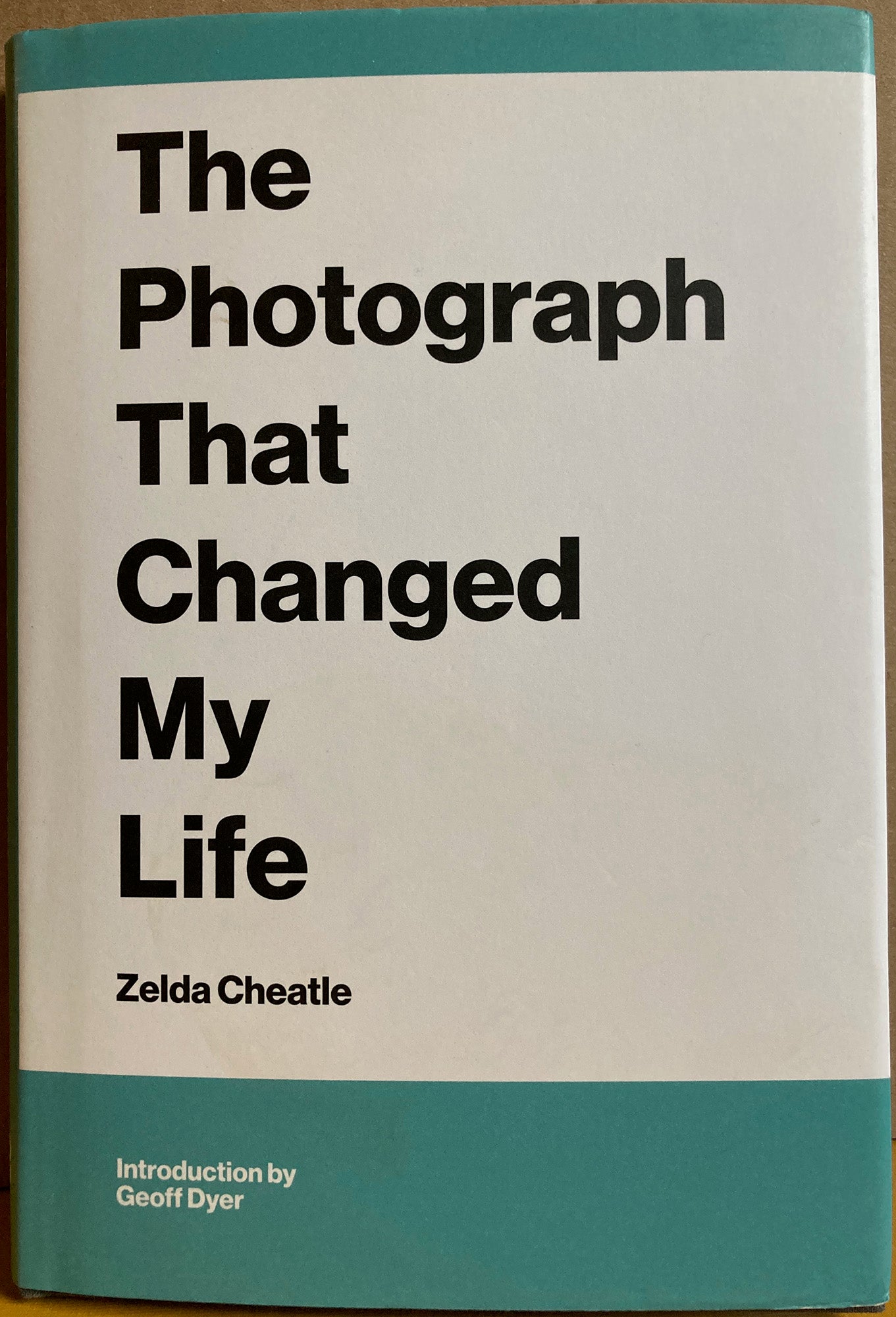
Criticism. The Photograph That Changed My Life, edited by Zelda Cheatle. Introduction by Geoff Dyer.
Criticism. The Photograph That Changed My Life, edited by Zelda Cheatle. Introduction by Geoff Dyer.
受取状況を読み込めませんでした
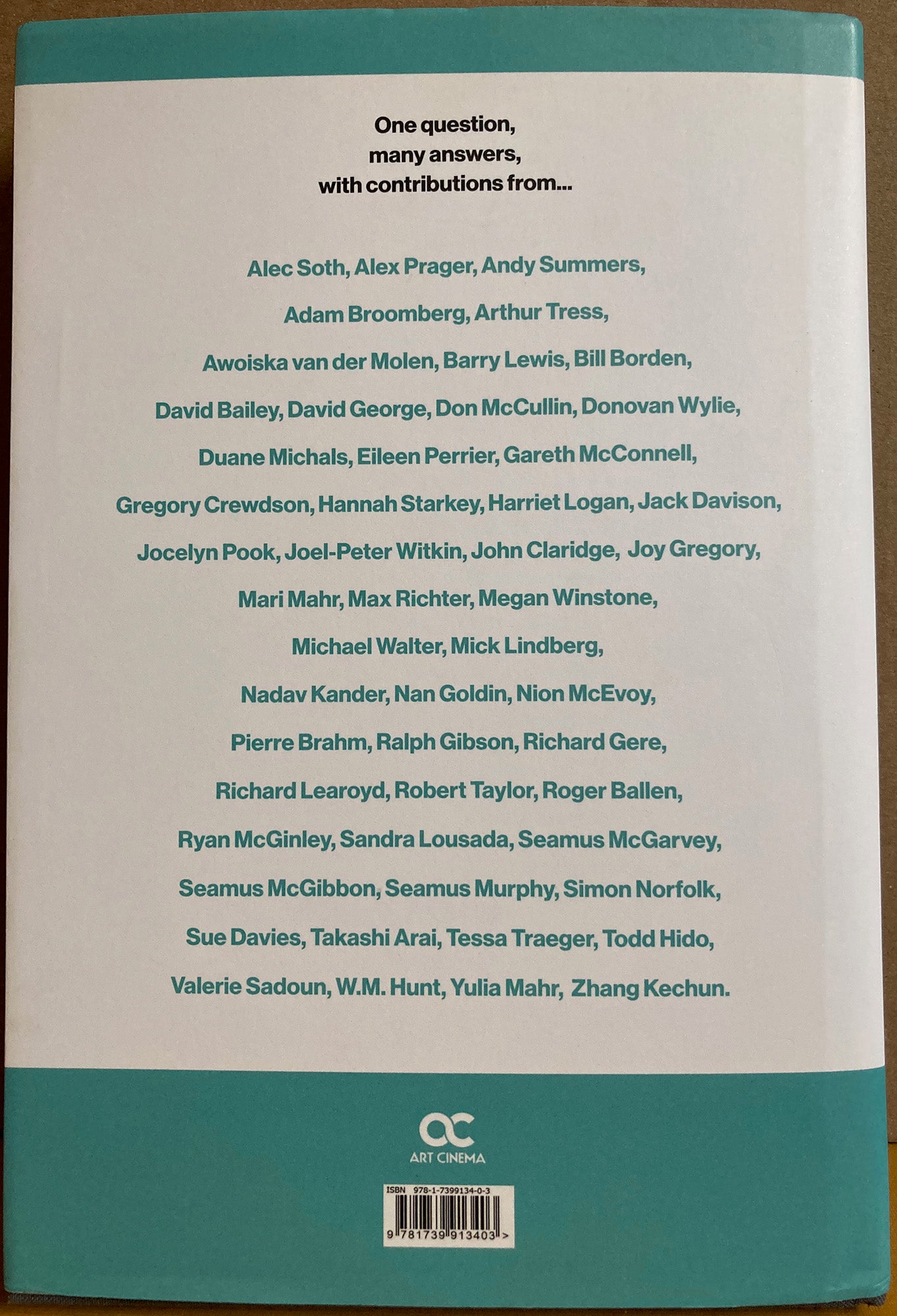
Art Cinema, 2021. Like new hard cover with dust jacket. Photographs paired with comments by 51 people, most of whom are well known photographers such as Alec Soth, Arthur Tress, David Bailey, Duane Michals, Gregory Crewdson, Joel-Peter Witkin, Nan Goldin, Ralph Gibson, Sue Davies, and Todd Hido. The photographs vary from classics by well known masters such as Eugene Atget, Bill Brandt, Lucien Clergue, Walker Evans, Philippe Halsman, Andre Kertesz, Dorothea Lange, Eugene Richards, Alfred Stieglitz, Bruce Davidson, Edward Weston, Emmet Gowin, Alex Webb, and Frederick Sommer, to family photos and others. Summary:
The Photograph That Changed My Life (2021), edited by renowned curator Zelda Cheatle with an insightful introduction by Geoff Dyer, is a compelling anthology of personal testimony. The book gathers 50 influential figures from the world of photography—including practitioners, curators, and critics—and asks each to select a single image that acted as a "catalyst" for their creative or professional trajectory.
Core Themes and Narrative
-
The "Punctum" of a Life: Following Roland Barthes’ concept, the book explores how a single visual encounter can alter a person's perception of reality. It moves beyond technical analysis to focus on the emotional and intellectual "shock" of the image.
-
Diverse Perspectives: The selections range from iconic masterpieces (like those of Henri Cartier-Bresson or Diane Arbus) to obscure family snapshots or news photos. This diversity demonstrates that "greatness" in photography is often a subjective, highly personal interaction.
-
Narrative as Context: Each contributor provides a short essay explaining the why. These texts reveal that a photograph's power often lies in its timing—the specific moment it enters a viewer’s life to provide an answer or pose a new question.
Visual and Technical Notes
-
An Eclectic Compilation: Because the book is a compilation, the visual style varies wildly from page to page. It serves as a laboratory of styles, contrasting the grain of street photography with the polished surfaces of fine-art portraiture.
-
The Curator’s Eye: Cheatle’s layout in the book itself is one of restraint and clarity. By allowing each image to breathe alongside its testimonial, she emphasizes the photograph as an autonomous object capable of changing a human fate.
