Gary Saretzky Photo Books
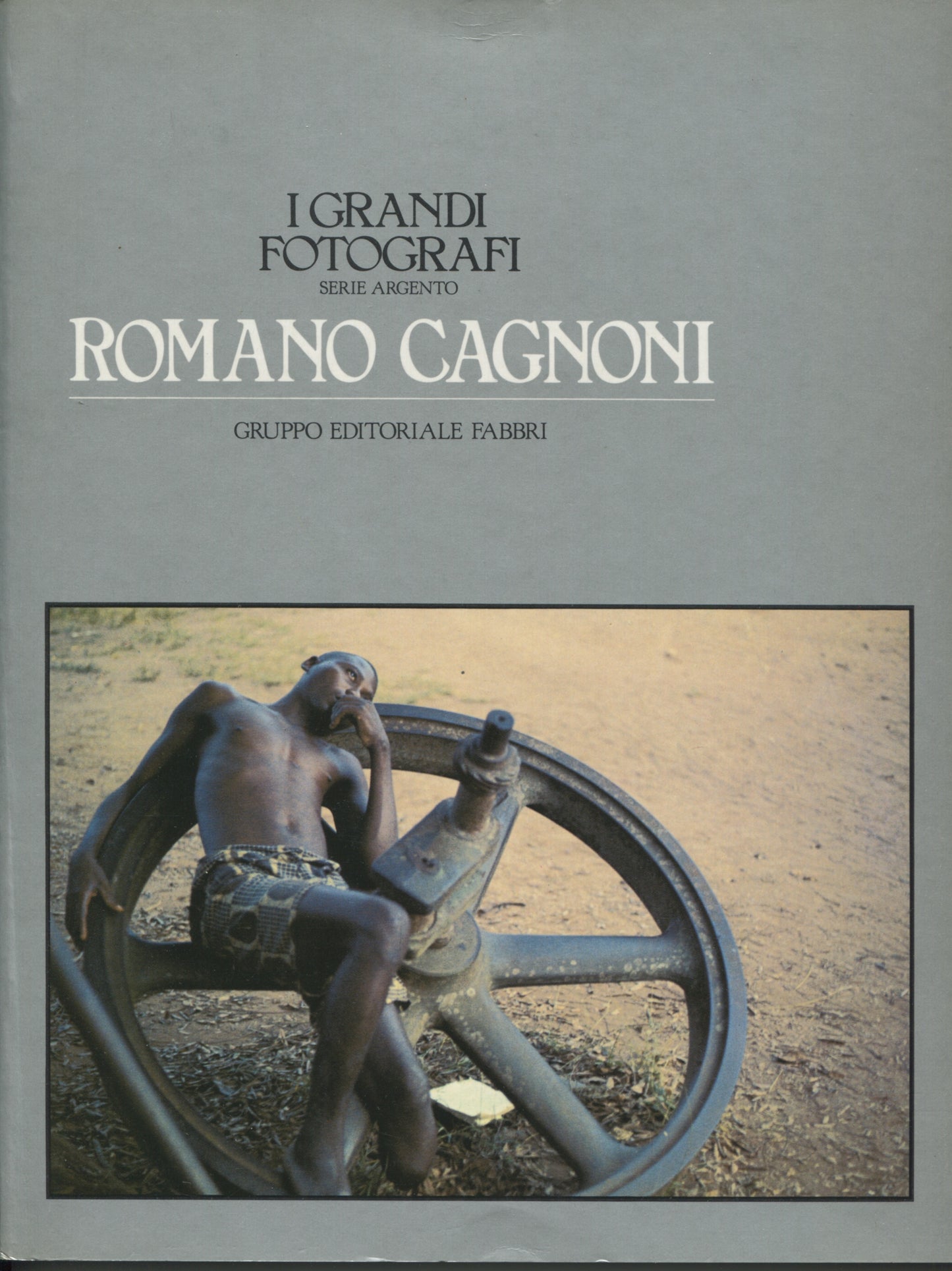
Cagnoni, Romano. Romano Cagnoni. I Grandi Fotografi. Gruppo Editoriale Fabbri, 1983.
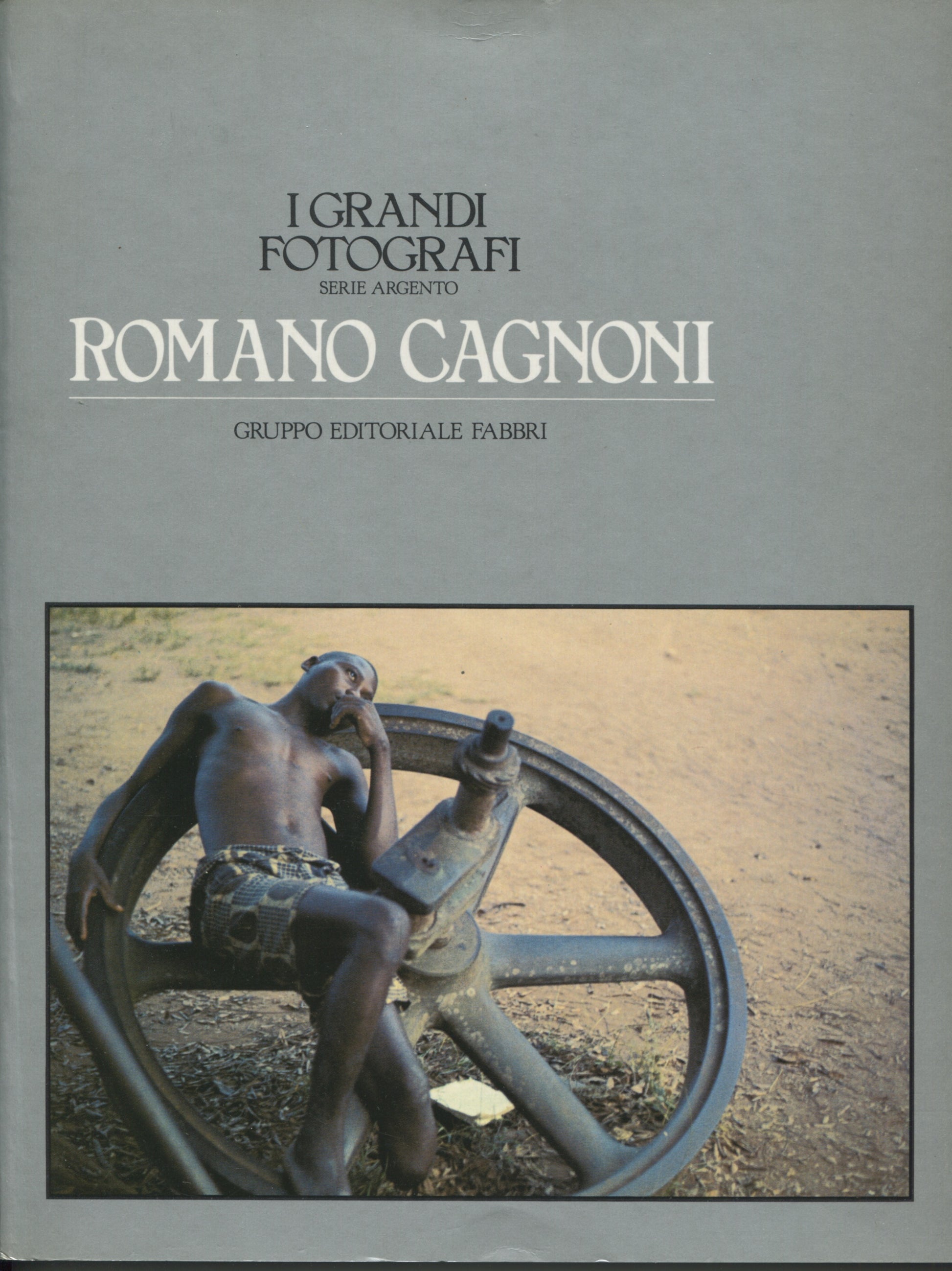
Cagnoni, Romano. Romano Cagnoni. I Grandi Fotografi. Gruppo Editoriale Fabbri, 1983.
受取状況を読み込めませんでした
Text in Italian by Attilio Colombo and Bruno Segre. Stiff glossy wraps. Photographs in black-and-white and color by Cagnoni in New Guinea, Argentina, London, Afghanistan, Biafra, Addis Ababa, North Vietnam, et al. The compositional style of some of his black-and-white photographs reminds me of William Klein. Cagnoni, who was born in Italy in 1935, previously published seven books before this one. Includes biography, bibliography, and list of exhibitions. Near fine, with slight bump top front edge. No ISBN number. Summary:
Romano Cagnoni: I Grandi Fotografi (1983) is an essential volume in the prestigious Fabbri series that documents the career of one of the most significant photojournalists of the 20th century. Known for his "Front-Line Intellectualism," Romano Cagnoni moved beyond simple news gathering to create a visual language that analyzed the mechanics of war, politics, and social upheaval with the precision of a surgeon.
Core Themes and Narrative
-
The "Equidistant" Witness: The book explores Cagnoni’s ability to remain an "objective operator" in highly charged environments. He became world-famous for his coverage of the Nigerian Civil War (Biafra), where he was the first Western photographer to cross into the besieged territory, documenting the struggle with a "High-Performance" moral clarity.
-
Political Iconography: A major theme is the study of power. Cagnoni’s portraits of world leaders (such as Ho Chi Minh or Elizabeth II) are not mere publicity shots; the book frames them as "Mechanical Portraits" that reveal the structural weight of the offices they hold.
-
The Aesthetic of the Event: Cagnoni rejected the "messy" look of traditional war photography. He argued that the more chaotic the subject, the more formal and controlled the photographic composition should be.
Visual and Technical Notes
-
Style: Cagnoni’s work is characterized by an extraordinary depth of field and sharp, dramatic lighting. Even in the mud of a trench or the humidity of a jungle, his photos remain clean and descriptive, refusing to hide behind the "Artistic Blur" of some of his contemporaries.
-
Structural Framing: The volume highlights his use of wide-angle lenses that emphasize the scale of the history being made.
- Romano Cagnoni (1935–2018) was a acclaimed Italian photojournalist recognized as one of the 20th century's most daring independent war photographers. Born in Pietrasanta, Tuscany, Cagnoni moved to London in 1958, where he began a prolific career contributing to prominent international publications including Life, The Sunday Times, and Picture Post. Widely known for his courage and technical precision, he was often the first non-communist photojournalist permitted behind front lines, documenting landmark conflicts in North Vietnam, the Nigerian Civil War in Biafra, the Soviet–Afghan War, and the Yugoslav Wars. His work earned him numerous prestigious awards, including the Overseas Press Club award, establishing him as a pivotal figure in modern documentary photography.