Gary Saretzky Photo Books
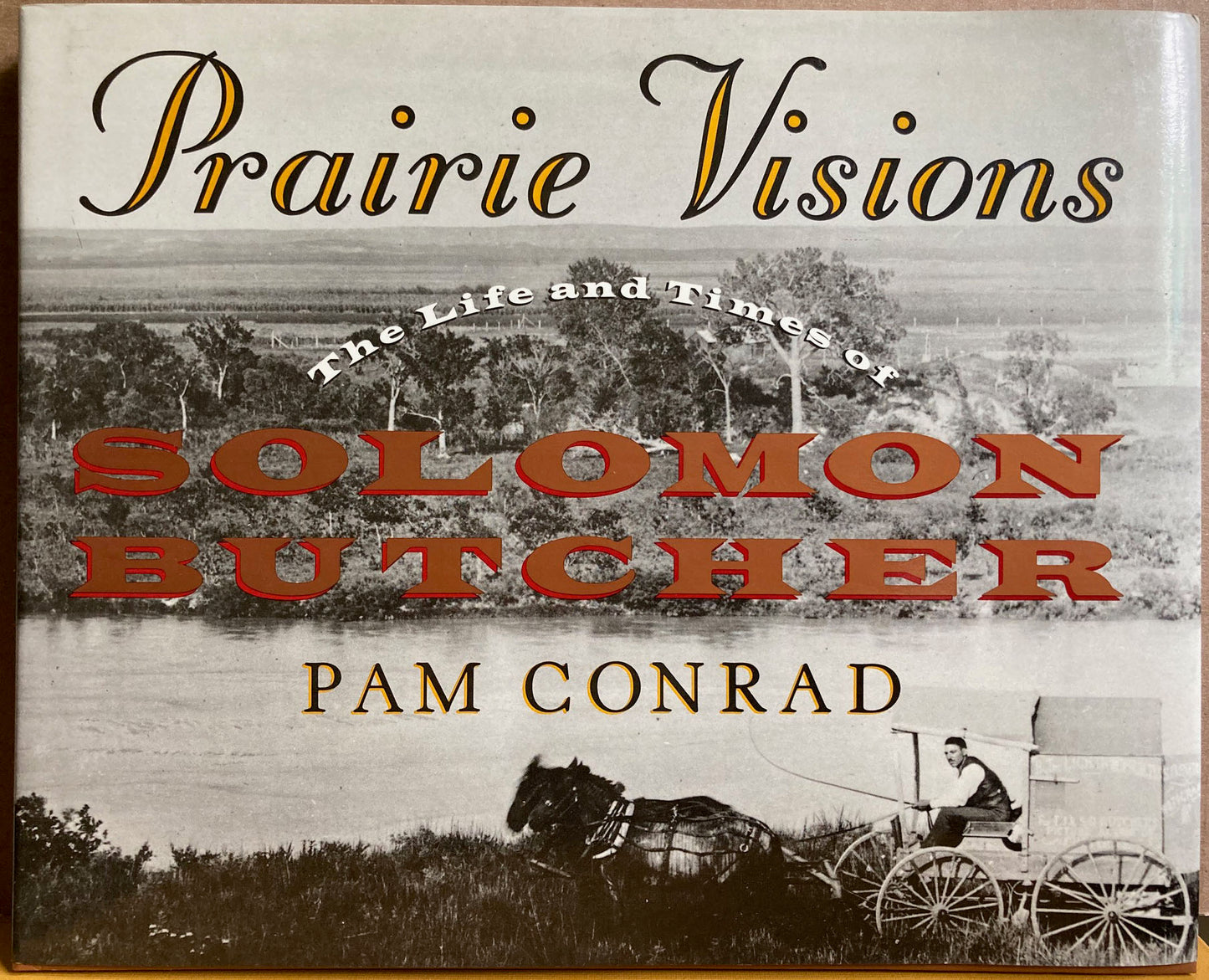
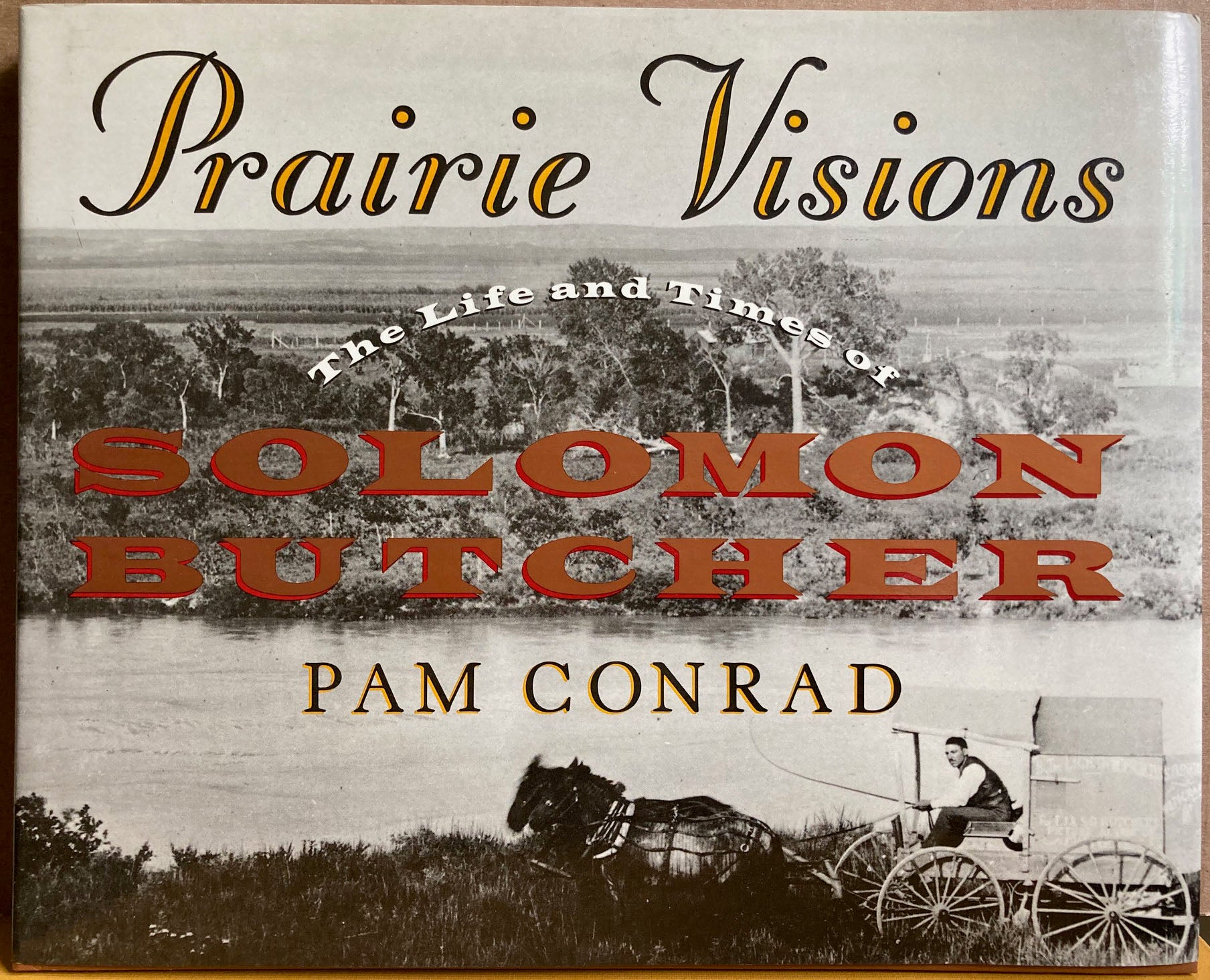
Butcher, Solomon. Prairie Visions: The Life and Times of Solomon Butcher by Pam Conrad.
Butcher, Solomon. Prairie Visions: The Life and Times of Solomon Butcher by Pam Conrad.
受取状況を読み込めませんでした
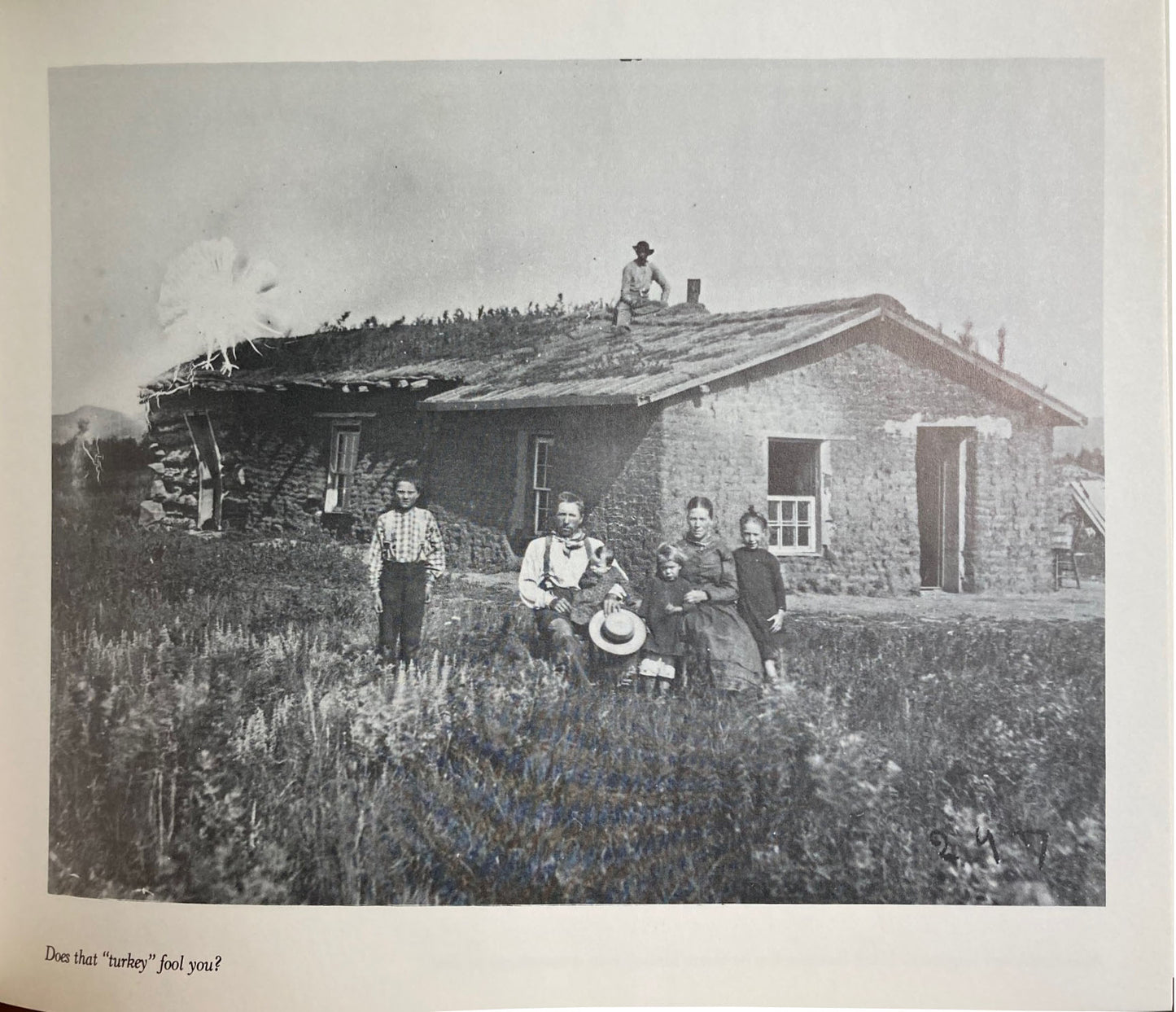
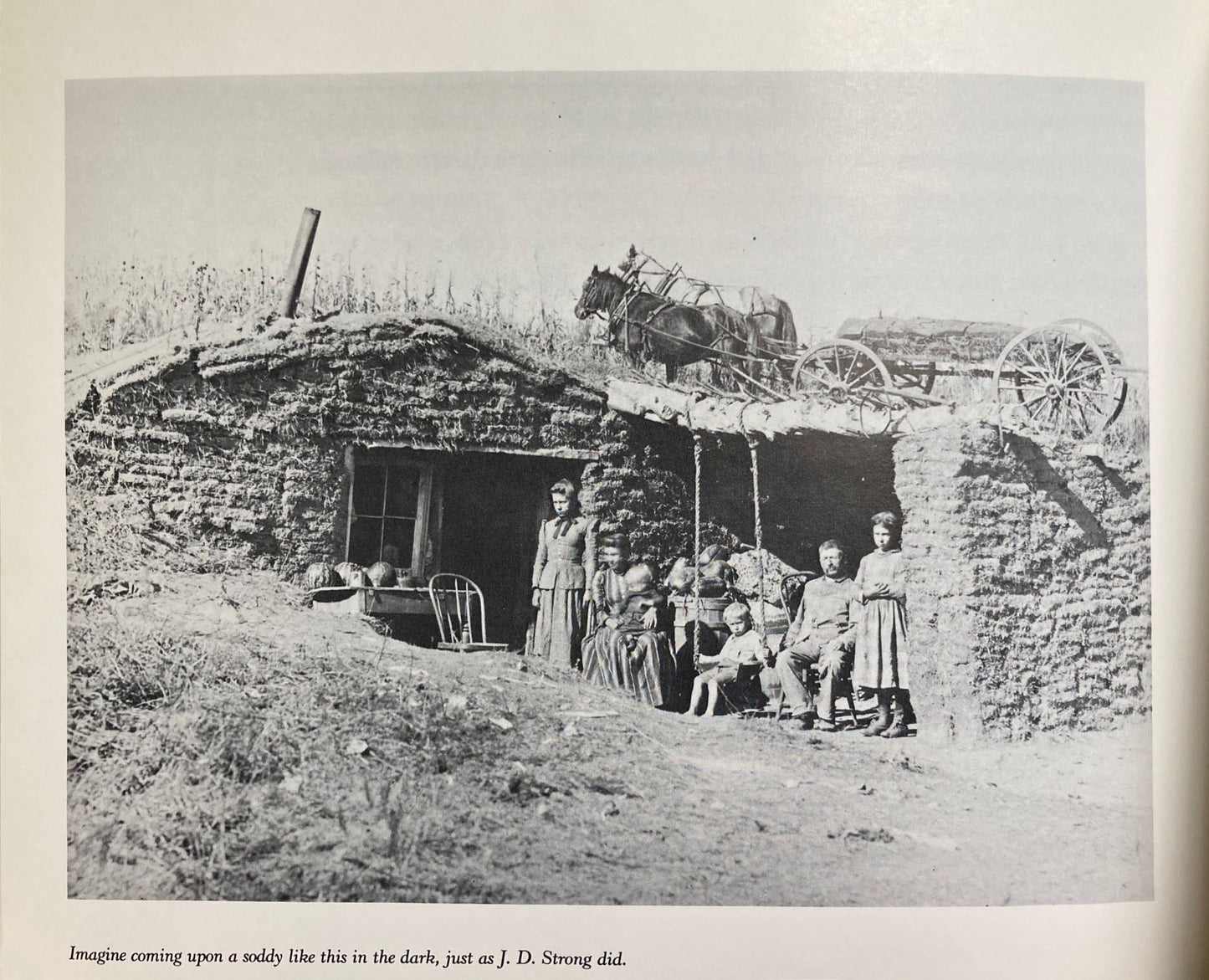
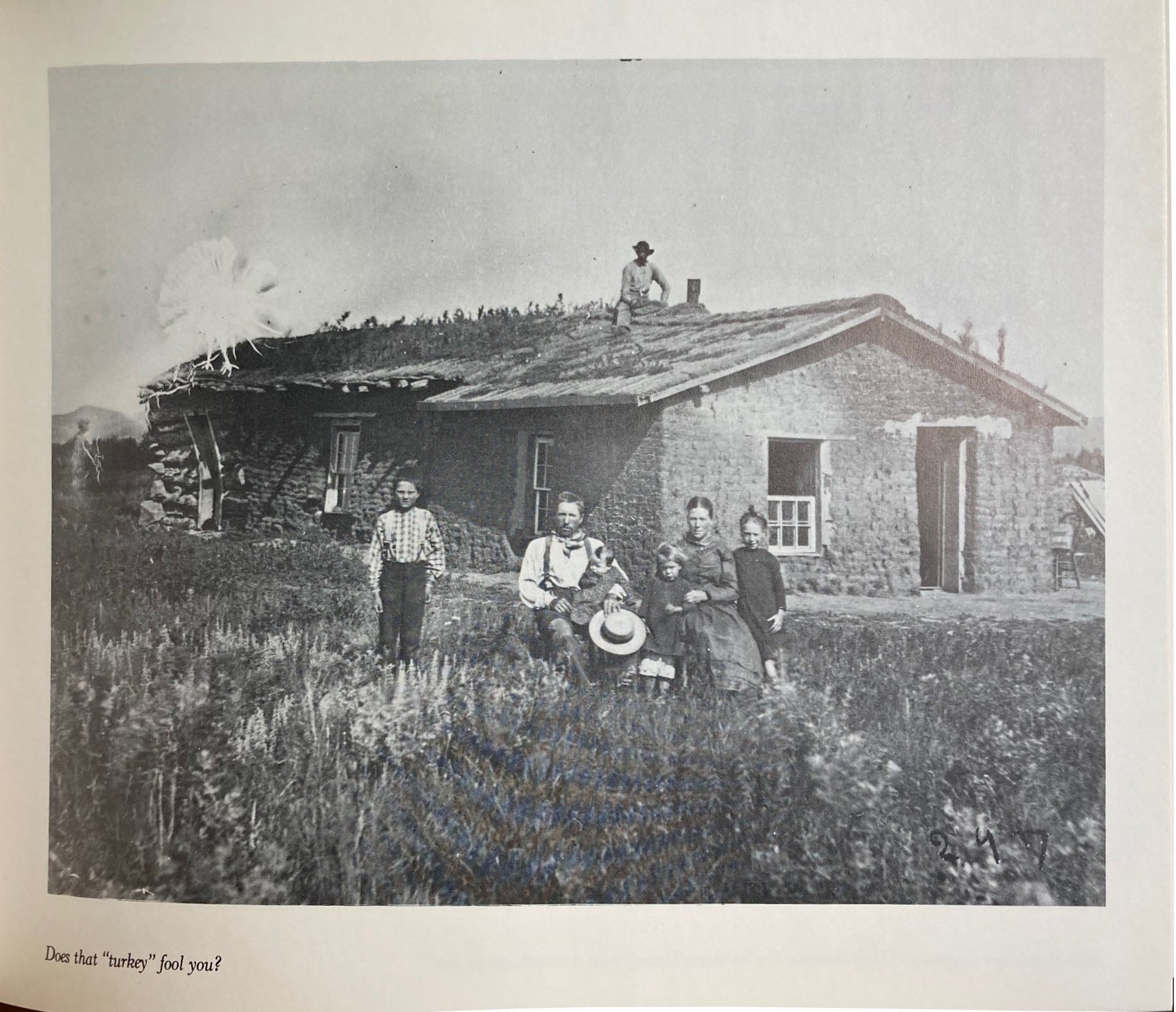
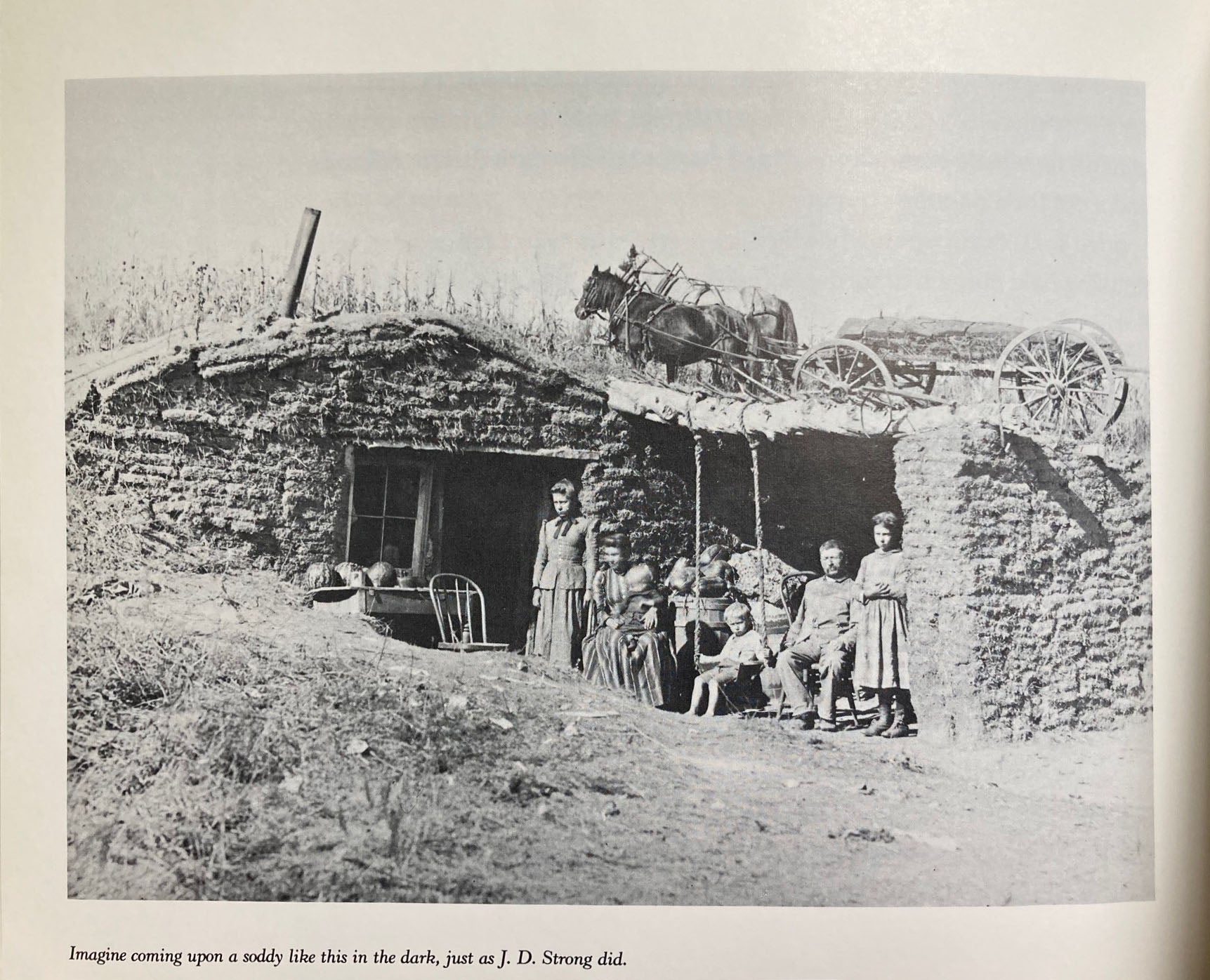
HarperCollins, 1991. Hardcover with protected dust jacket, like new. Stated 1st edition, 1st printing. Solomon Butcher recorded images of rural Nebraska around 1900 as an itinerant photographer, depicting both white and African American families living in sod farmhouses. Quite a few of these photos show families in front of their houses, sometimes with their horses nearby. The entertaining text provides stories about the life of these pioneers and is written at the young adult level but certainly can be enjoyed by older readers. Summary:
Prairie Visions: The Life and Times of Solomon Butcher (1991) is a compelling biography and social history written by Pam Conrad. It chronicles the life of an itinerant photographer who dedicated himself to documenting the pioneer era of Custer County, Nebraska, at the turn of the 20th century.
Core Narrative and Subject
The book tells the true story of Solomon Butcher, a man described as part-artist and part-visionary, who realized that the "Sod House" era of the American frontier was rapidly vanishing.
-
The Mission: Butcher traveled across the Nebraska plains in a wagon, convincing settlers to pose for portraits in front of their sod houses. His goal was to create a complete photographic history of the county.
-
The "Soddies": The book is famous for its inclusion of Butcher's stark, unsmiling photographs of pioneer families. These "careworn" portraits often feature the families’ most prized possessions—ranging from pianos to prize cattle—brought out onto the dirt in front of their earthen homes to demonstrate their progress and dignity.
-
Historical Preservation: Conrad details Butcher's struggle to keep his massive collection of glass-plate negatives intact, a feat of preservation that nearly failed several times due to poverty and accidents.
Artistic and Literary Style
Pam Conrad, also known for her historical fiction like Prairie Songs, uses a "chatty" and accessible narrative style aimed at younger readers (ages 10 and up), but with enough depth for adult interest.
-
Oral History: The text is interspersed with the actual stories and anecdotes Butcher collected from the settlers he photographed, providing a rare "voice" to the faces in the pictures.
-
Visual Storytelling: The book functions as a gallery of Butcher’s work. The layout emphasizes the relationship between the written history of the frontier and the visual evidence captured on film.
- Significance: The book serves as a vital companion to frontier literature, offering a literal face to the pioneers of the Great Plains and celebrating the man who had the foresight to record their "American Dream" before it disappeared.
Summary: Prairie Visions is a unique blend of biography and documentary photography. It honors Solomon Butcher’s legacy as the "accidental" historian of the Nebraska prairie, whose stubborn dedication saved the visual memory of the sod-house pioneers from being lost to time.
Solomon D. Butcher (1856–1927) was an itinerant American photographer celebrated for compiling the premier visual archive of late-19th-century Great Plains pioneer life and sod-house homesteaders in Nebraska. Born in West Virginia, Butcher moved west with his family in 1880 to claim a homestead in Custer County, Nebraska, but quickly abandoned farming to open the county’s first photography studio in a makeshift sod building. Recognizing the historic transformation underway, he embarked on an ambitious multi-decade project in 1886 to produce a photographic history of the region, traveling across the prairie in a custom horse-drawn darkroom wagon to shoot large-format glass-plate negatives of pioneer families posing outside their sod houses alongside their prized possessions, farm machinery, and livestock. His meticulously detailed dry-plate glass negatives captured the raw physical realities, social ambitions, and rugged environment of western settlement, culminating in his landmark 1901 volume Pioneer History of Custer County, Nebraska. Containing over 3,000 glass plates preserved by the Nebraska State Historical Society, Butcher’s vast collection remains an invaluable, definitive visual record of the Great Plains homesteading era and American frontier culture.