Gary Saretzky Photo Books
Burden, Shirley. Chairs. Text and photographs by Shirley Burden.
Burden, Shirley. Chairs. Text and photographs by Shirley Burden.
受取状況を読み込めませんでした
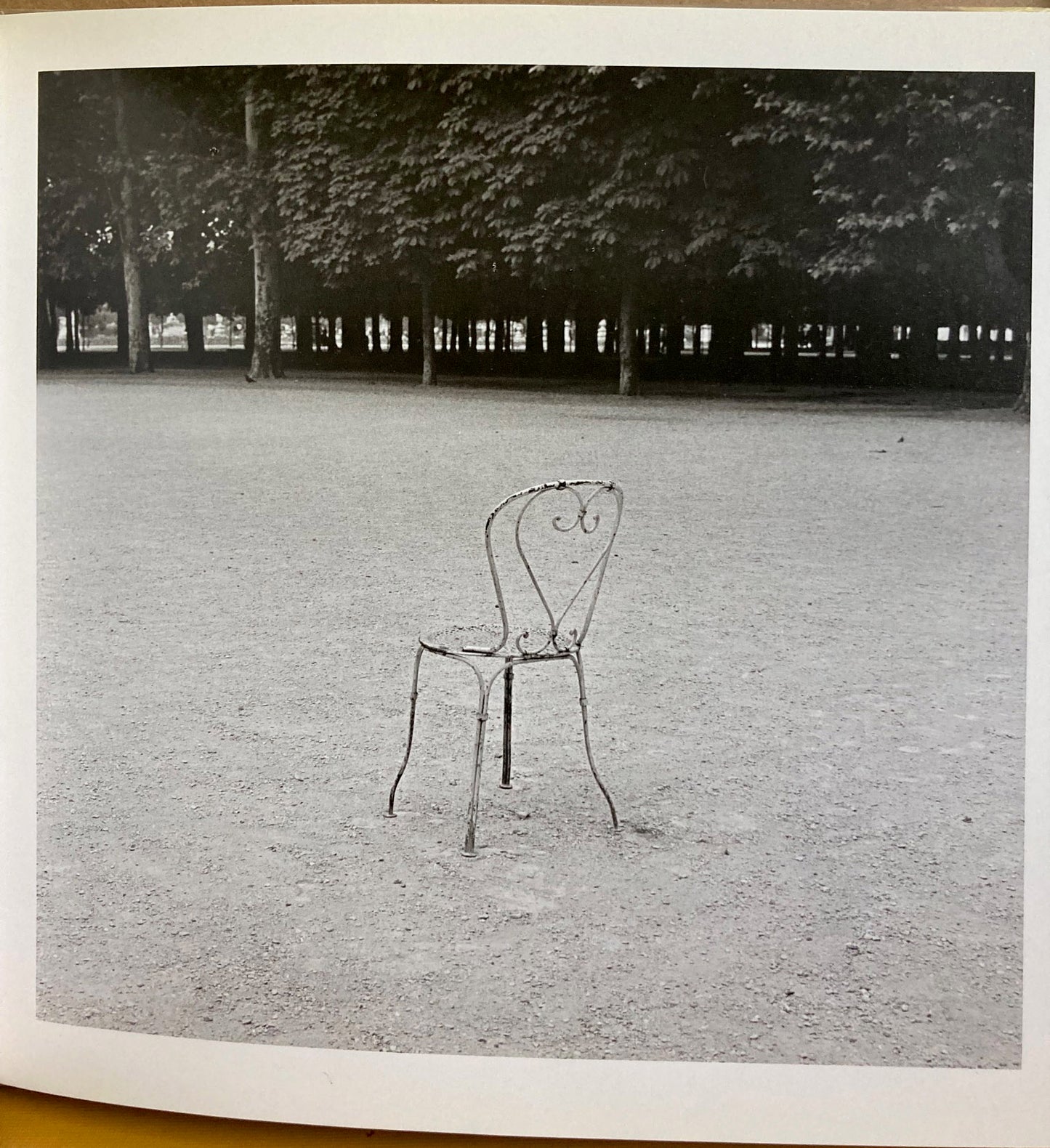
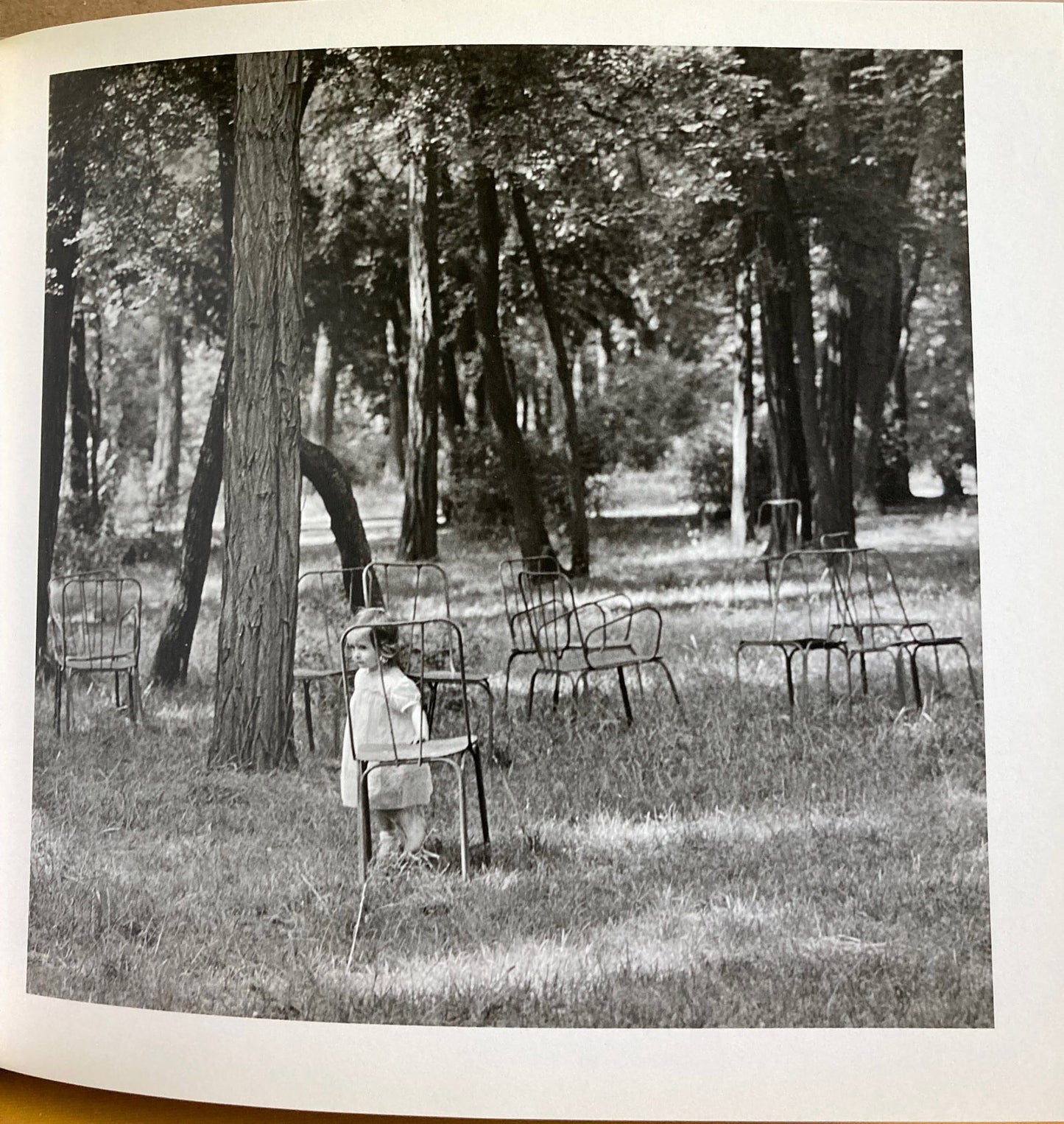
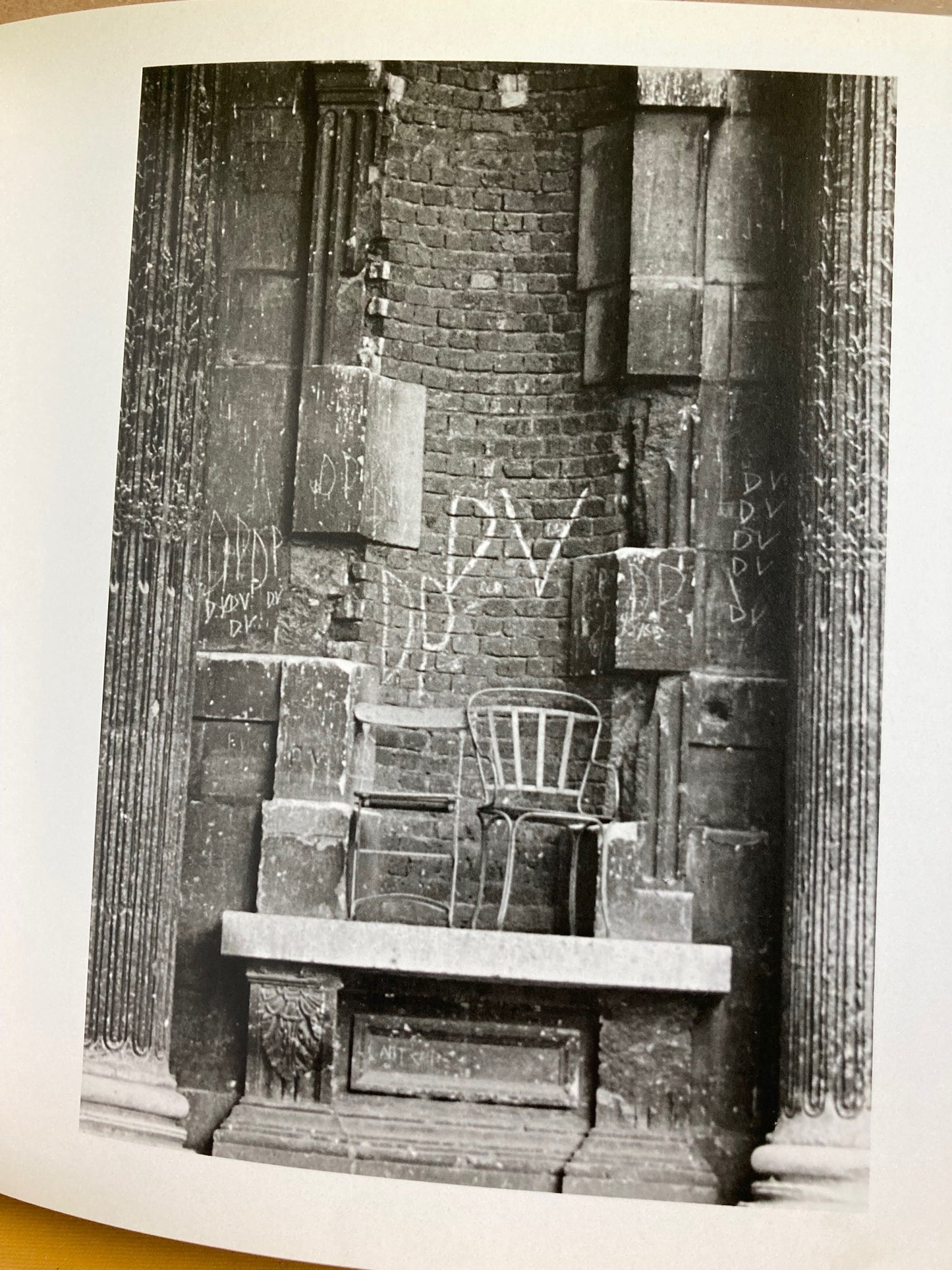
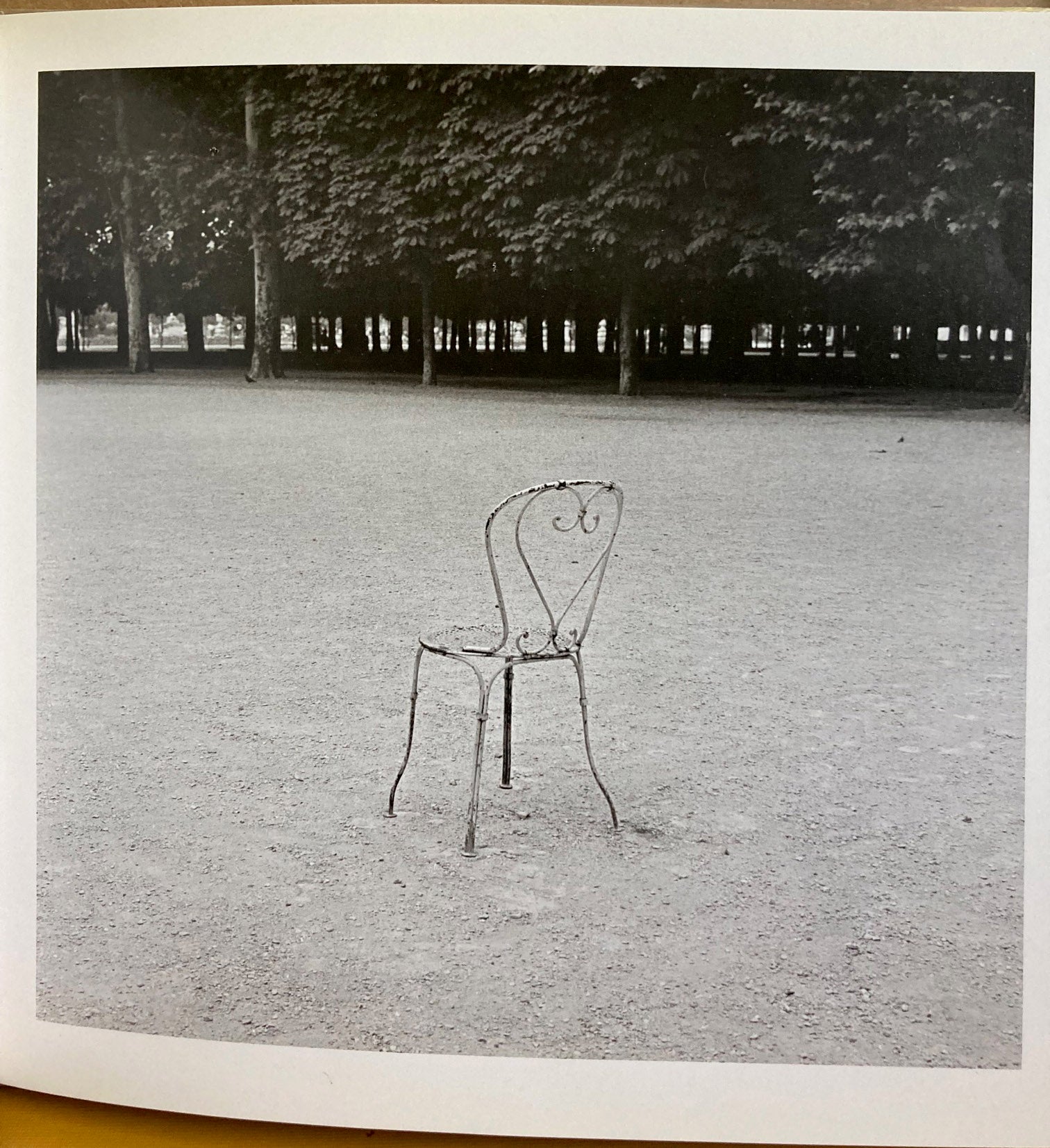
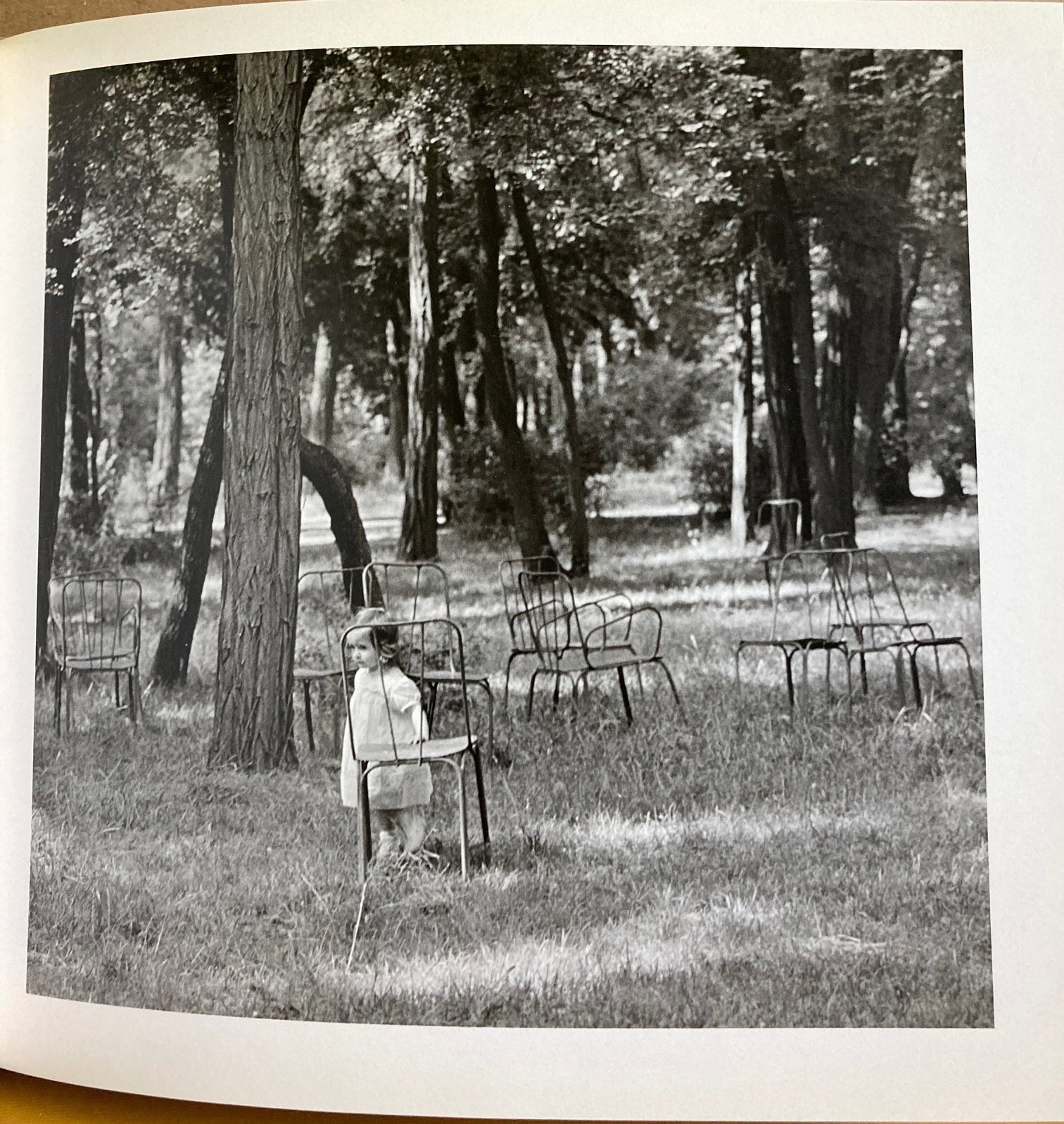
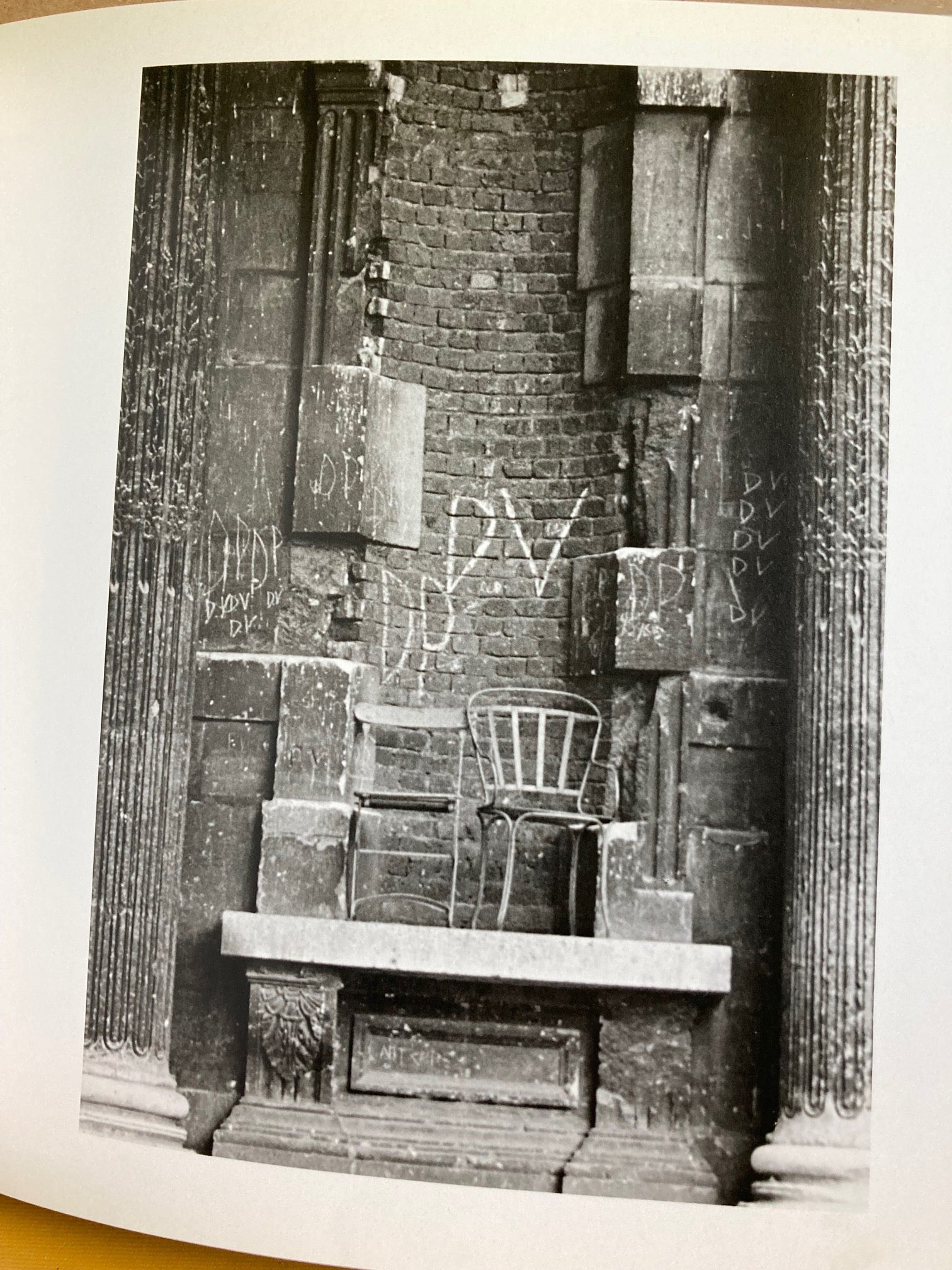
Aperture, 1985. Hardcover in cloth with protected dust jacket. Near fine/fine. Black-and-white photographs of Paris, mostly of chairs. In the text, Burden tells about going to Paris, noticing the chairs in the Bois, and then switches to the voice of a chair commenting on the other chairs and the people who sit on them. Another charming book by the photographer and filmmaker who had a long association with Aperture. Summary:
Chairs (1985) is a poetic, minimalist monograph by Shirley Burden, a photographer known for his spiritual and contemplative approach to the medium. The book is a "Visual Meditation" that uses the image of the empty chair as a profound metaphor for human presence, absence, and the passage of time.
Core Themes and Narrative
-
The "Portrait" of Absence: Burden treats chairs as sentient beings. The narrative suggests that an empty chair is never truly empty—it retains the "residue" of those who sat in it. It is a study of the "Ghost in the Furniture."
-
Universal Utility: The book spans a vast social range, from the ornate thrones of European cathedrals to the humble wooden stools of rural cottages. Burden explores the chair as a "Common Denominator" of human civilization.
-
Spiritual Stillness: Like his earlier work on the shrine at Lourdes, Chairs is deeply quiet. It encourages the viewer to slow down and find the "extraordinary in the ordinary," elevating a utilitarian object to a symbol of rest and contemplation.
Visual and Technical Notes, Bio
-
Style: Burden’s photography is celebrated for its soft, ethereal light. His "finish" avoids the harsh, industrial contrast of modernism, opting instead for a silvery, tonal range that makes the wood and fabric of the chairs seem to glow from within.
-
Compositional Simplicity: By isolating the chair against simple backgrounds, Burden strips away the "noise" of the world, focusing the viewer’s eye on the chairs.
- Shirley Carter Burden (1908–1989) was an influential American photographer, author, and patron of the arts known for his contemplative visual studies and steadfast support of fine art photography. Born into the prominent Vanderbilt family in New York City, Burden initially worked in the motion picture industry—collaborating with figures like Edward Steichen and radio producer film projects—before turning to documentary fine art photography in the 1940s. Studying under Minor White, he developed a quiet, intimate style focused on architectural heritage, religious sites, and social landscapes, producing notable photographic books such as God Is My Life (1960) and I Wonder Why (1963). Beyond his own creative output, Burden made enduring institutional contributions as a longtime trustee of the Museum of Modern Art (MoMA), chairman of its Photography Committee, and a generous benefactor to the Aperture Foundation, helping establish photography as a recognized fine art medium in 20th-century America.