Gary Saretzky Photo Books
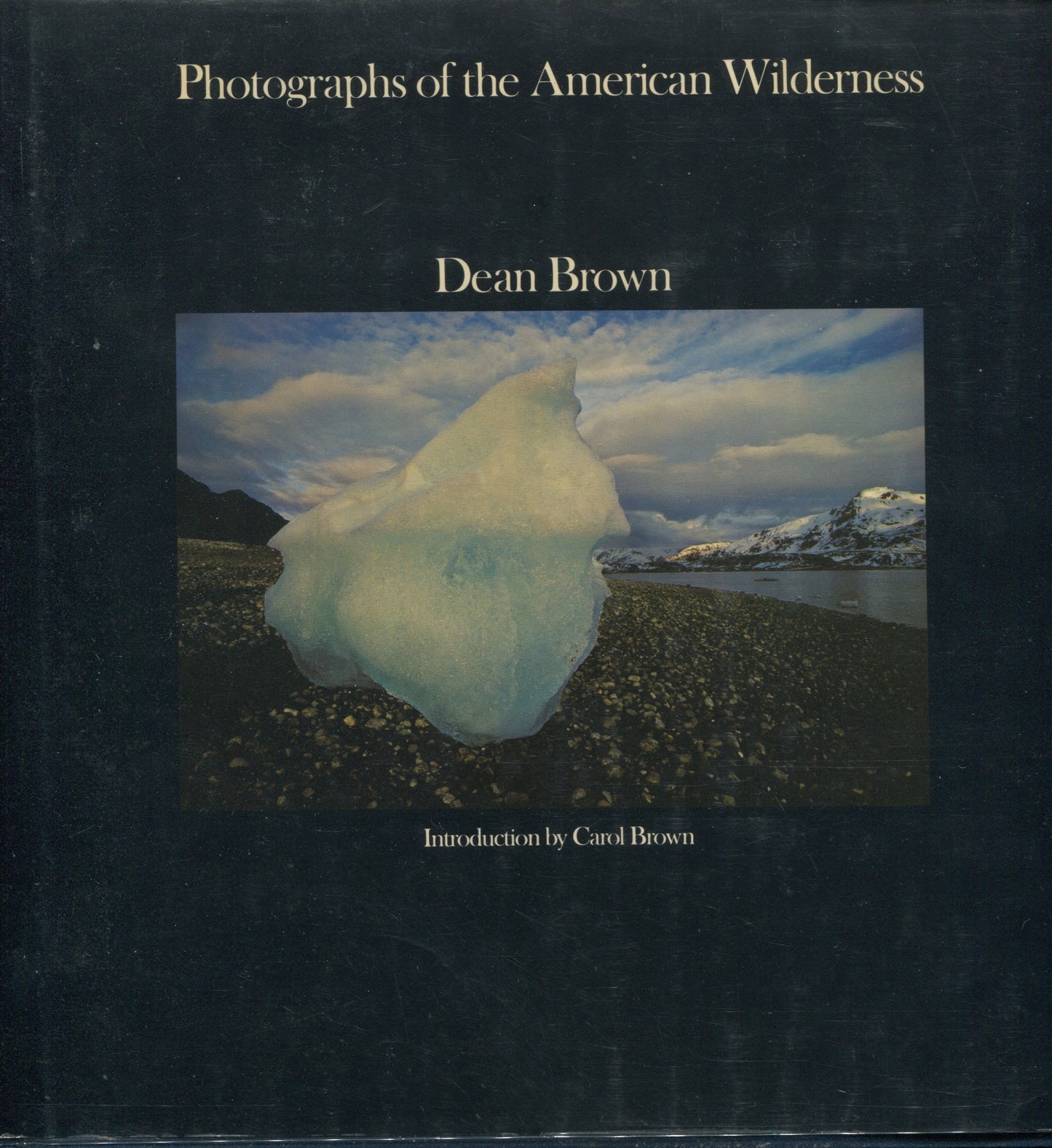
Brown, Dean. Photographs of the American Wilderness by Dean Brown.
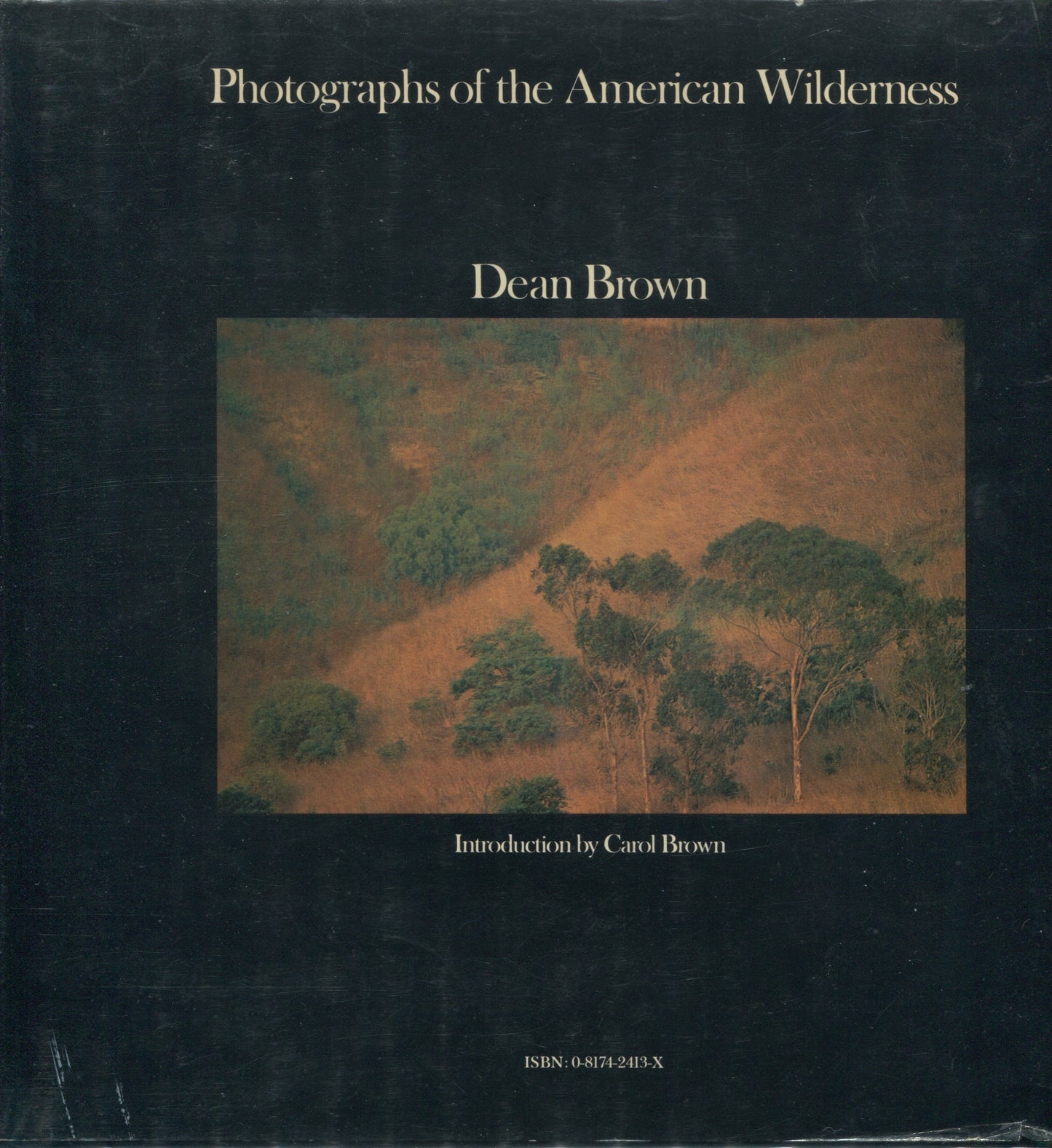
Brown, Dean. Photographs of the American Wilderness by Dean Brown.
受取状況を読み込めませんでした
Introduction by Carol Brown. AMPHOTO, 1976. Hardcover, fine in black cloth with protected very good price-clipped dust jacket that has a few spots of wear at extremities. Born in Virginia in 1936, Dean Brown was also a professional musician. He became a full-time free lance photographer in 1967 and for six years traveled with his wife Carol to the Southwest, Alaska, New York, New Hampshire, Texas, and California. His work appeared in numerous publications. While on assignment for Time-Life in 1973, he fell while climbing a cliff in bad weather in order to get a better shot of a waterfall at Table Mountain in the White Mountains, New Hampshire, and soon died from his injuries. This book includes 48 of his color landscape photographs, including his last of Table Mountain.
Dean Brown (1936–1973) was an American fine-art photographer and master of the dye-transfer process, celebrated for his intimate, meticulously composed color wilderness landscapes and expressive documentary portraits. A polymath who initially studied linguistics at Cornell University before earning a master’s degree in musicology from New York University, Brown gave up a career in academics in 1967 to pursue photography full-time. He initially gained acclaim for black-and-white portraiture, opera house studies, and his high-contrast Martin Luther King Funeral series before a 1969 trip to the American Southwest inspired him to focus on the natural world. Utilizing a 35mm tripod-mounted camera with small apertures, wide-angle lenses, and laborious, hand-made dye-transfer prints, Brown captured complex, subtle variations of light and form across North American wildlands, often publishing his photo-essays in Time-Life Books and major editorial magazines. Tragically, his prolific career was cut short when he died at age thirty-six from injuries sustained in a fall while on a wilderness assignment in New Hampshire's White Mountains. His legacy as a pioneer of color landscape photography is preserved in his posthumous monograph, Photographs of the American Wilderness (1976), and in the permanent collections of the Center for Creative Photography and the Whitney Museum of American Art.
Photographs of the American Wilderness (1976) is a posthumous tribute to the work of Dean Brown (1936–1973), a photographer who, in his short career, became a master of the dye-transfer process and a poet of the natural world. Published by Amphoto, the book serves as both a portfolio of his finest landscapes and a memorial to his artistic philosophy.
Core Content and Vision
The book documents Brown's extensive travels through the most remote regions of the United States, including the High Sierras, the desert Southwest, and the Alaskan wilderness.
-
The "Intimate" Landscape: Unlike the monumental, grand-scale vistas of Ansel Adams, Brown’s work often focused on the subtle, quiet details of the wilderness—the patterns of ice, the color of a single pool of water, or the soft light filtering through a forest.
-
The Dye-Transfer Mastery: The volume is celebrated for its exceptional color fidelity. Brown utilized the complex dye-transfer process, which allowed him an unprecedented level of control over color saturation and contrast, resulting in images that feel both hyper-realistic and dreamlike.
Artistic Style
Dean Brown’s approach was defined by a deep, almost spiritual reverence for the land.
-
Subtle Palette: He avoided the garish, over-saturated "postcard" colors often seen in commercial nature photography, opting instead for a palette of earthy tones, misty greys, and luminous pastels.
-
Compositional Elegance: His images are characterized by a formal balance and a sense of stillness. He often photographed in low light or "flat" weather conditions (fog, rain, or twilight) to emphasize form and mood over dramatic shadows.
Key Information
-
Published: 1976 by Amphoto (American Photographic Book Publishing Co.).
-
Introduction: Features an introduction by his wife, Carol Brown, who provided the biographical context for his work following his tragic death in a fall while on a photographic expedition in New Hampshire.
-
Format: Includes 40 high-quality color plates that remain some of the finest examples of 1970s wilderness photography.
Summary: Photographs of the American Wilderness is a quiet, profound celebration of the natural world. It stands as a landmark in color landscape photography, proving that the wilderness could be captured with the same intellectual and formal rigor previously reserved for black-and-white masters.