Gary Saretzky Photo Books
Boogie. Belgrade Belongs to Me by Boogie. First Edition.
Boogie. Belgrade Belongs to Me by Boogie. First Edition.
受取状況を読み込めませんでした
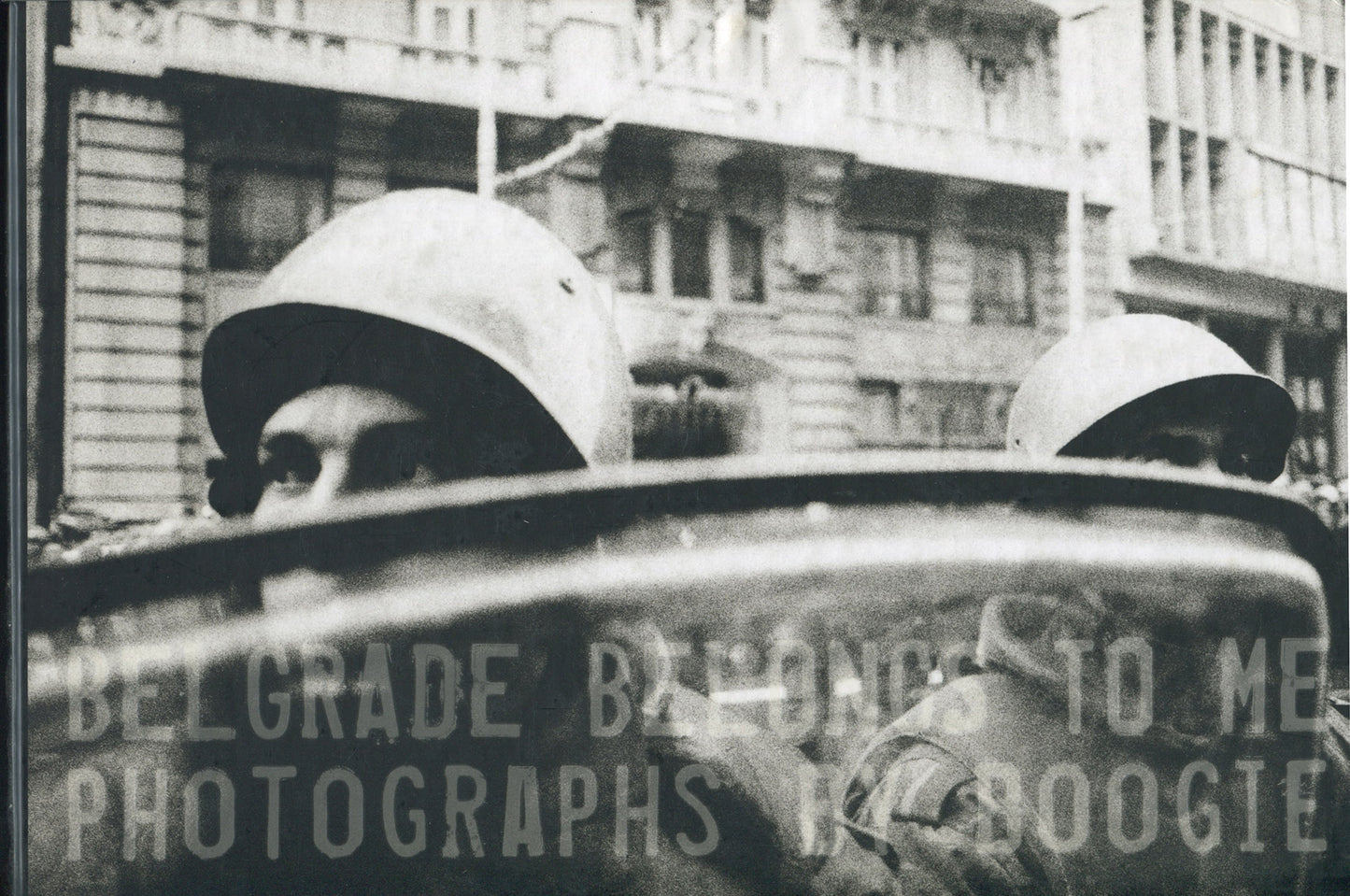
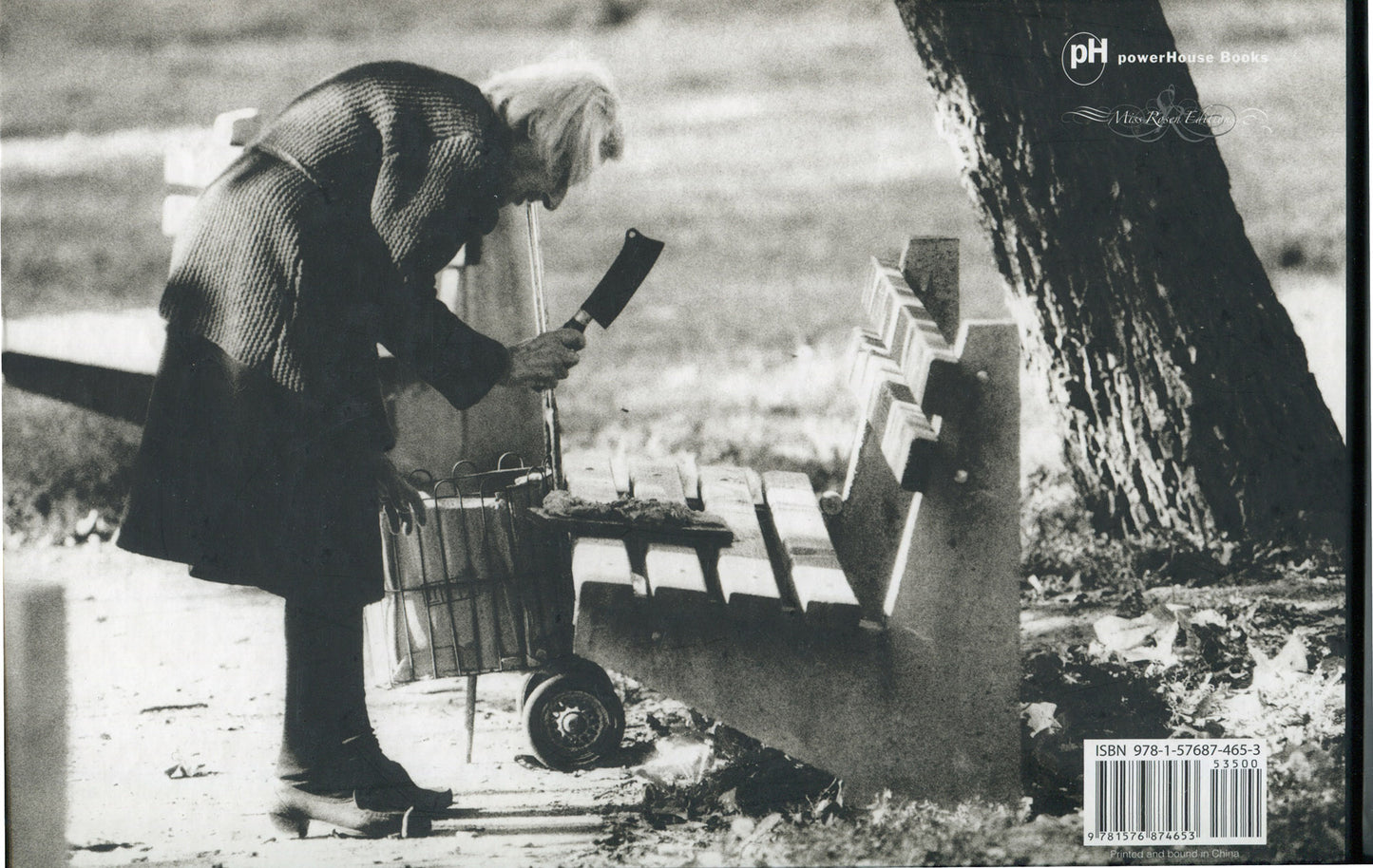
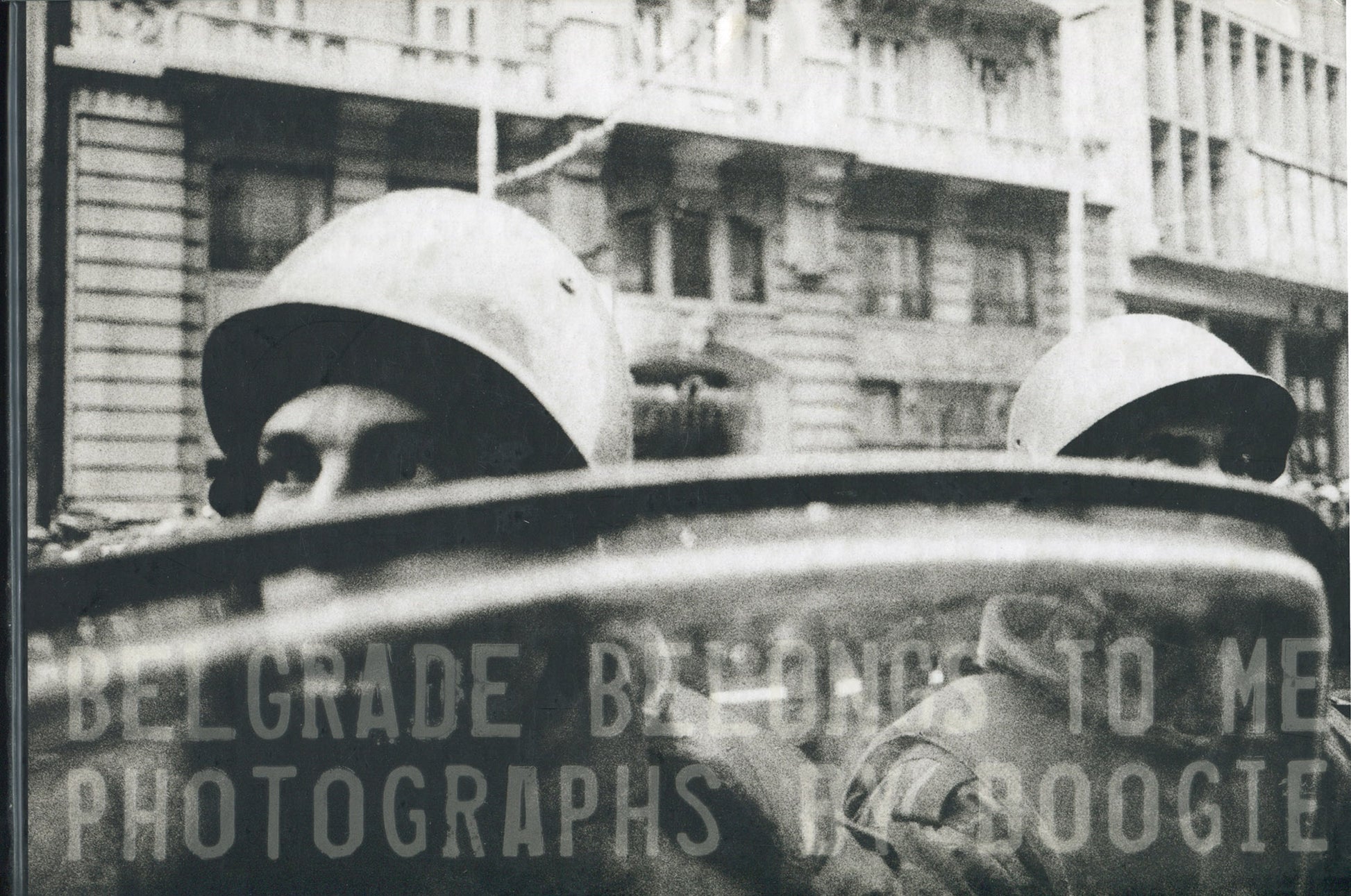
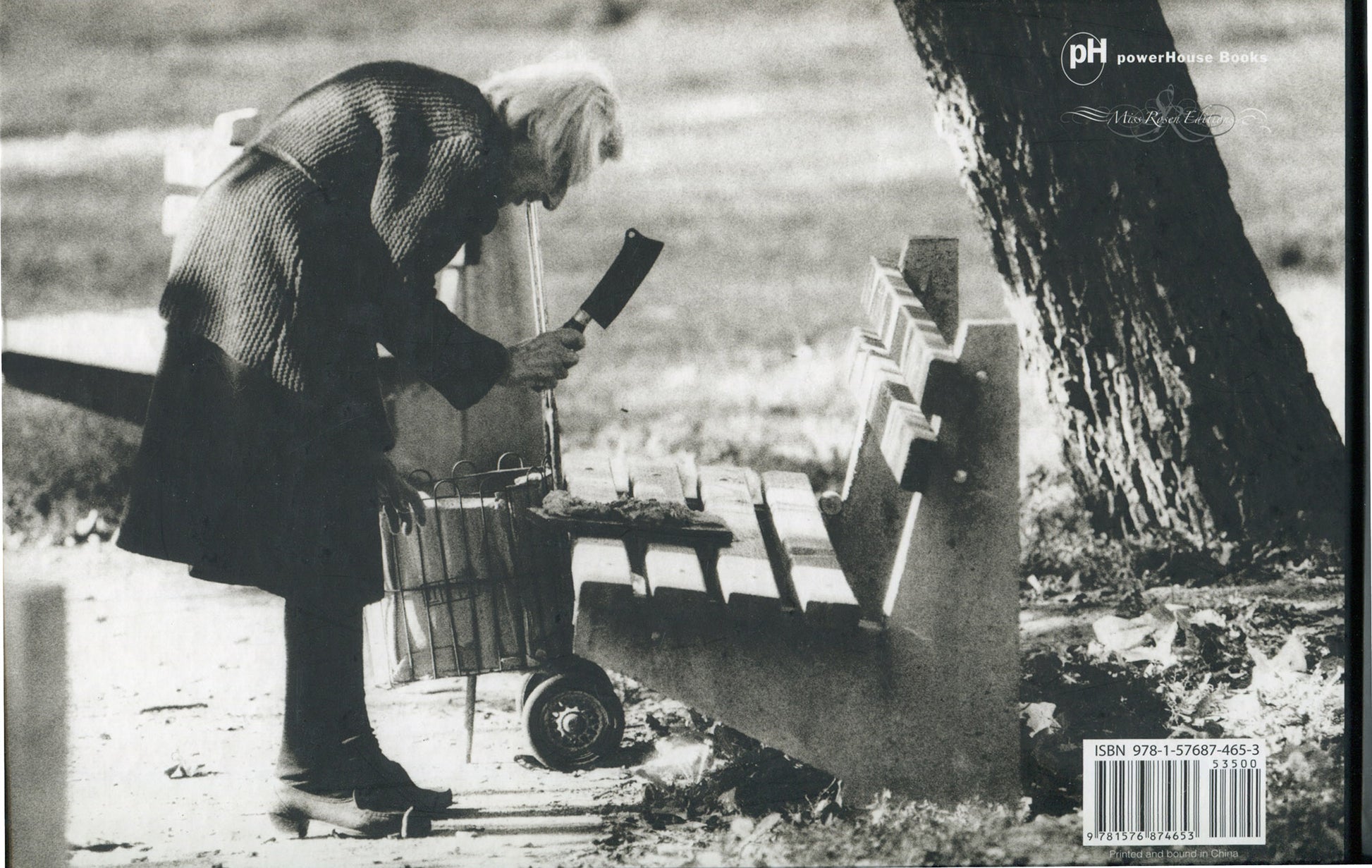
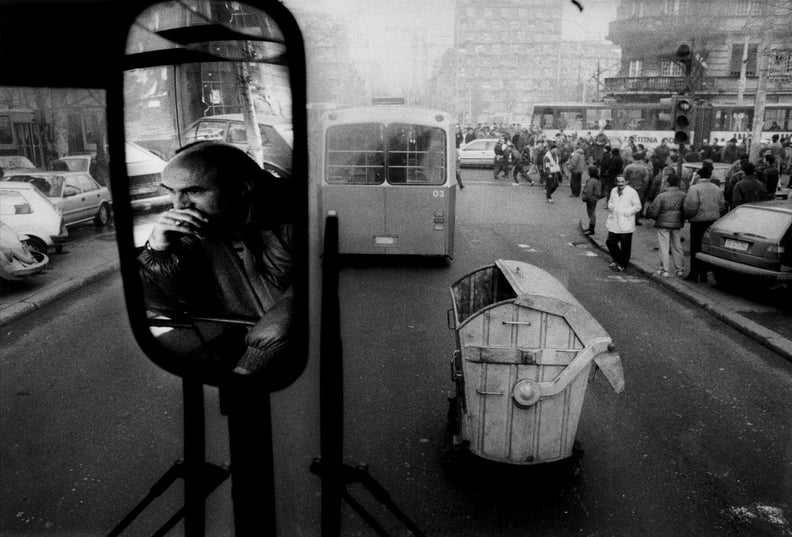
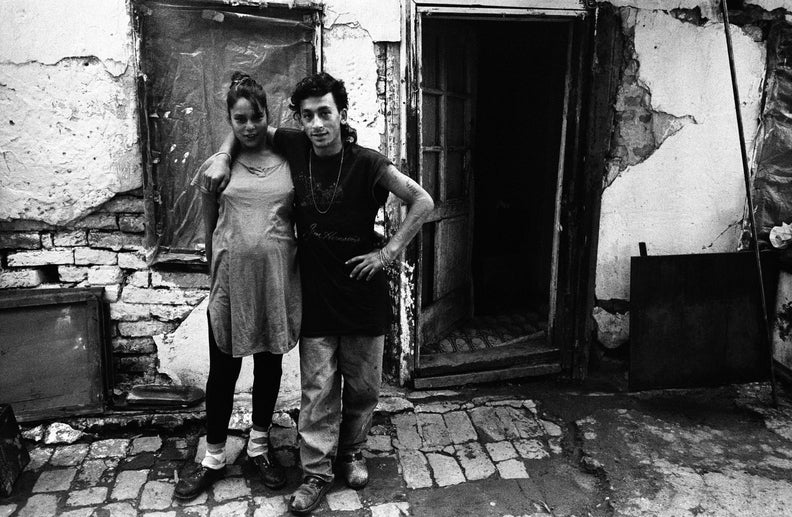
powerHouse, 2008. First edition, first printing. Hardcover in illustrated boards. Not issued with dust jacket. 12 x 7.75 inches, 120 pages, 110 duotone photographs. Near fine with minor rubbing. Custom made 4-mil clear polyester jacket. Gritty photographs, mostly street photography, made between 1996 and 2006 in Serbia by the Brooklyn-based photographer.
"Born and raised in Belgrade, Serbia, Boogie began
photographing rebellion and unrest during the civil war
that ravaged his country during the 1990s. Growing up in
a war-torn country defined Boogie’s style and attraction to
the darker side of human existence. His archives reveal
undeniable evidence of the evils that erode the urban space
and unite humanity in the despair of impoverished lives.
Belgrade Belongs to Me, his third powerHouse Book, shows
the city from the inside as the former Yugoslavia began its
rapid disintegration into war and the slow resurrection of a
people who have fought for centuries for their survival.
Boogie does not spare the spectator any social taboos, as
he documents the daily struggles of the marginalized people
whose lives he infiltrates completely, taking us deep into
worlds traditionally closed to outsiders. Whether documenting
neo-Nazis or gypsies, police or protesters, or the working class
people of Belgrade, Boogie’s work reflects his respect for his
subjects, defying the glamorized stereotypes of urban life and
revealing the phantoms that haunt the modern metropolis." (Publisher)
Here is another summary:
Belgrade Belongs to Me (2009), the raw and visceral first-edition monograph by the Serbian-born photographer Boogie(Vladimir Milivojevich), is a homecoming document of staggering intensity. After gaining fame for documenting the street life of Brooklyn, Boogie returned to his native Belgrade to record the grit, the weariness, and the defiant energy of a city still reeling from the aftermath of war, sanctions, and political upheaval.
Core Themes and Narrative
-
The Intimate Outsider: Boogie photographs his home city with the dual perspective of a native and a stranger. He captures a Belgrade that is "bleeding and beautiful," focusing on the marginalized: skinheads, protesters, junkies, and the everyday citizens navigating the "gray zones" of a post-conflict society.
-
The Architecture of Tension: The book portrays Belgrade as a city of scars. The crumbling "Socialist Modernist" apartment blocks and graffiti-strewn streets aren't just backgrounds; they are active characters that reflect the psychological state of the inhabitants.
-
Defiance Amidst Decay: Despite the poverty and darkness, the title Belgrade Belongs to Me suggests an act of reclamation. It is a portrait of survival, where the "belonging" is found in the shared struggle of the urban landscape.
Visual and Technical "Finish"
-
The "Grainy" Realism: Boogie’s aesthetic is defined by a harsh, high-contrast black-and-white "finish." He embraces film grain and "unpolished" framing to mirror the jagged reality of the streets. This is "Available Light" used to expose the shadows of a society in transition.
-
The "Snapshot" of Violence: His work often carries a sense of immediate danger or voyeurism. The photos feel like "accidental" encounters caught in a split second, stripping away any "Professional Finish" in favor of pure, kinetic truth.
- Boogie (born Vladimir Milivojević, 1969) is a Serbian-born street and documentary photographer internationally renowned for his gritty, uncompromising black-and-white portraits of urban subcultures, gang life, addiction, and marginal violence. Born and raised in Belgrade, Boogie began capturing the civil unrest and economic collapse surrounding the Yugoslav Wars in the 1990s, developing a raw, immersion-style aesthetic using small 35mm film cameras. After winning a green card lottery, he relocated to New York City in 1998, where he gained unprecedented access to crime-ridden housing projects in Brooklyn, documenting gang members, drug dealers, and heroin addicts with stark, non-judgmental intimacy. His seminal 2006 photobook, IT’S ALL GOOD, launched him to global prominence and established his reputation for pushing into dangerous, hidden corners of society. Boogie has since expanded his lens to subcultures around the world—including football hooligans in São Paulo, gang territories in Kingston, Jamaica, and street life in Tokyo and Moscow—while balancing his fine-art monographs with high-profile commercial campaigns for brands like Nike, Puma, and HBO.