Gary Saretzky Photo Books
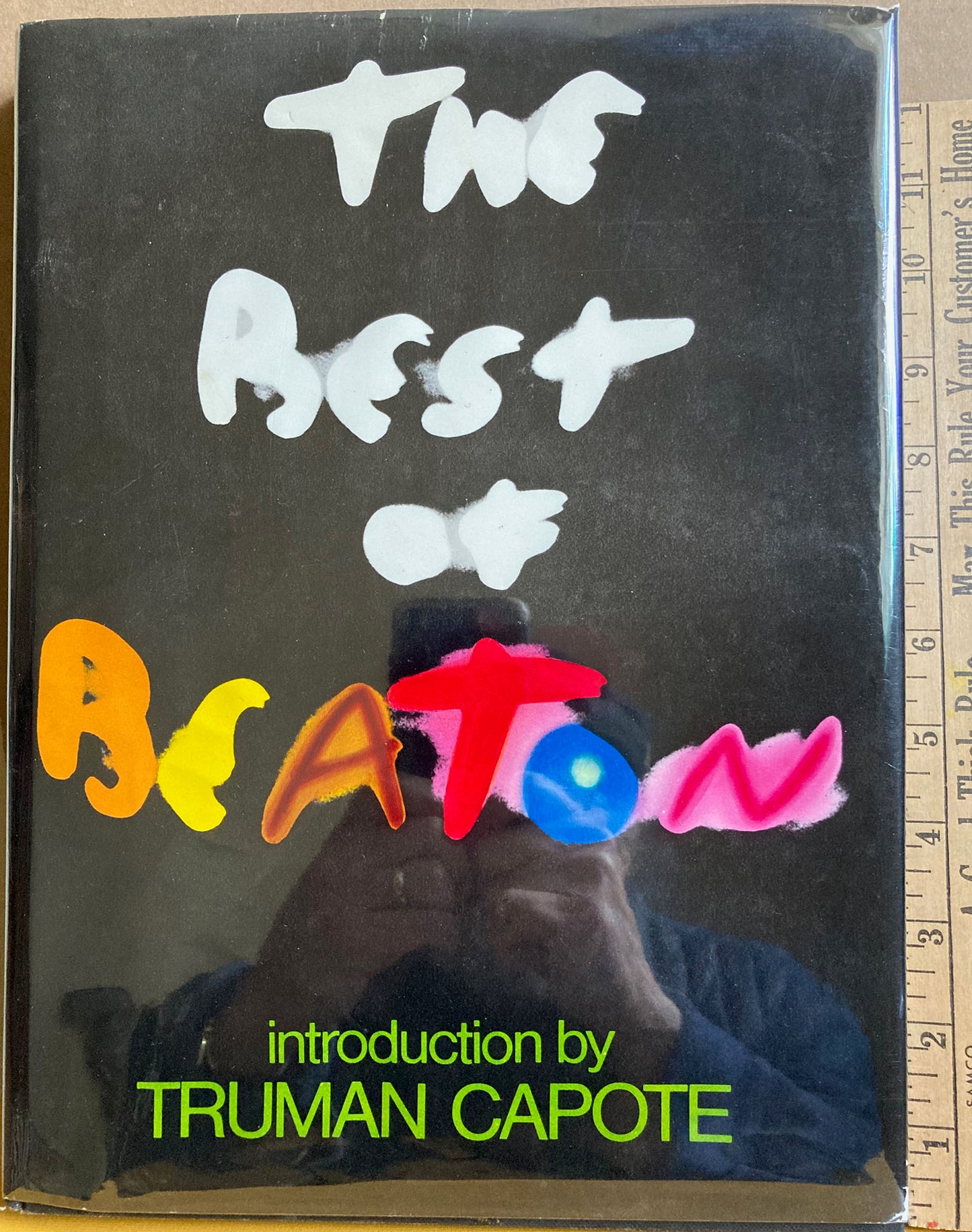
Beaton, Cecil. The Best of Beaton. Photographs by Cecil Beaton with introduction by Truman Capote.
Beaton, Cecil. The Best of Beaton. Photographs by Cecil Beaton with introduction by Truman Capote.
受取状況を読み込めませんでした
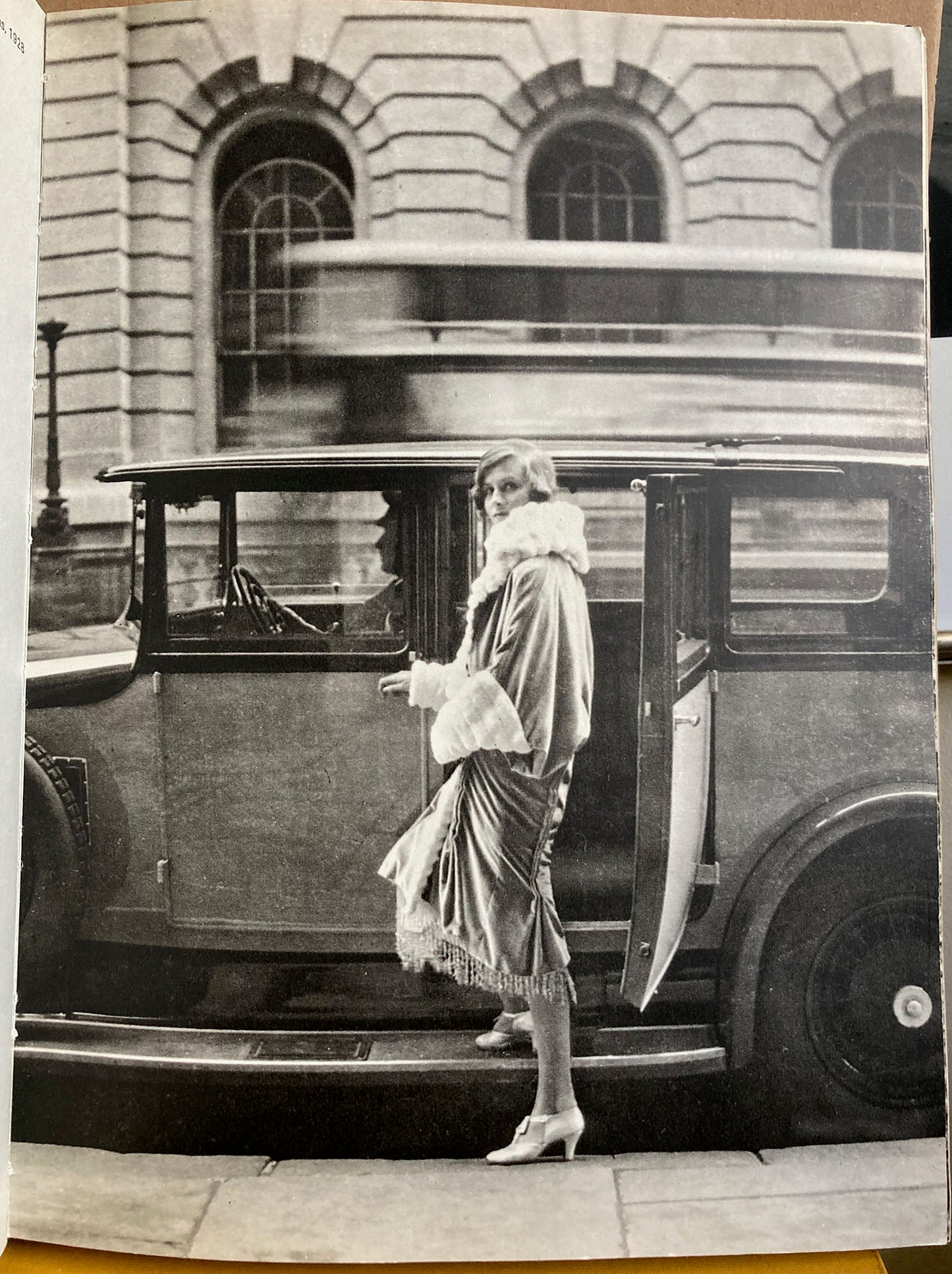
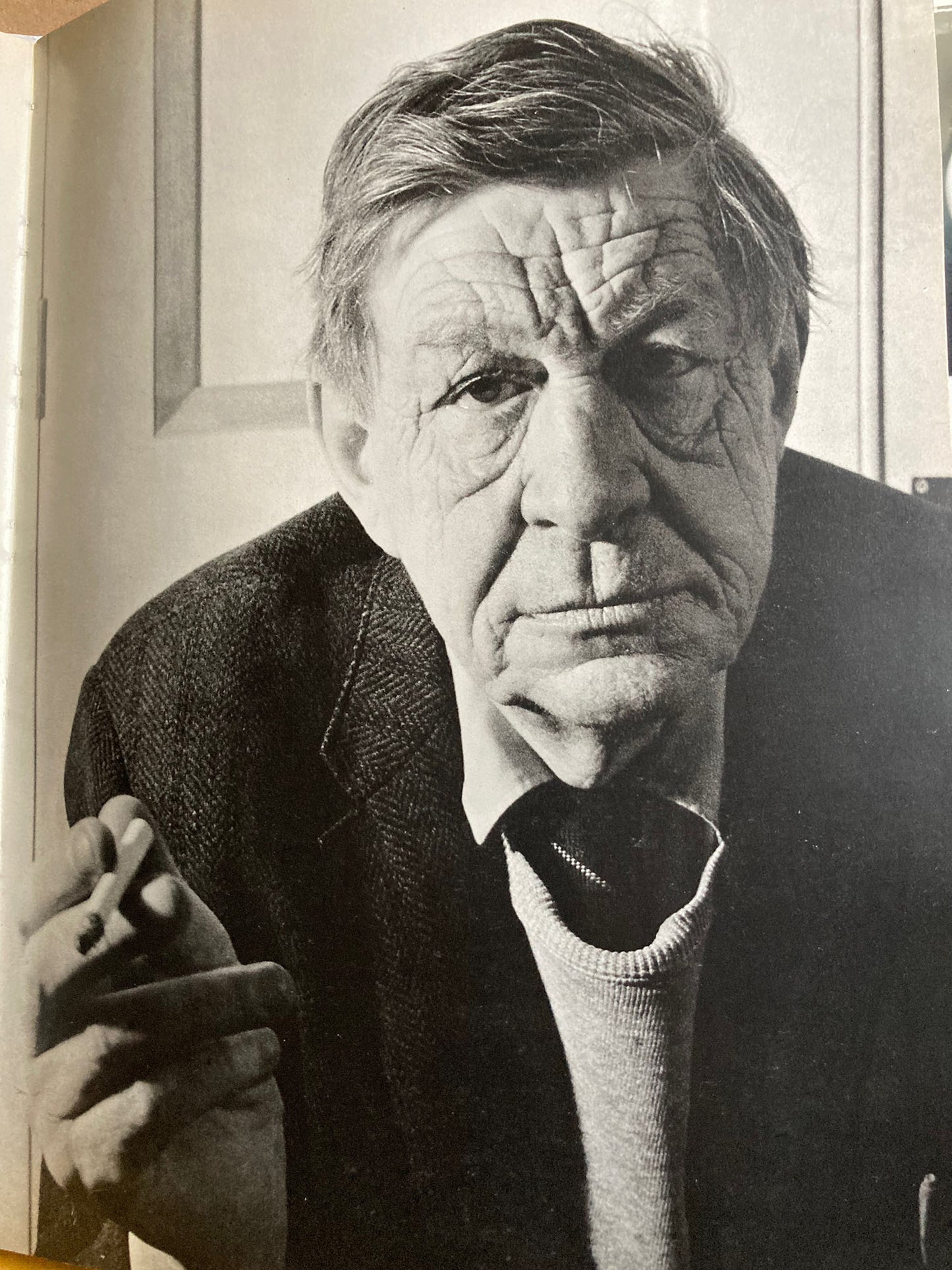
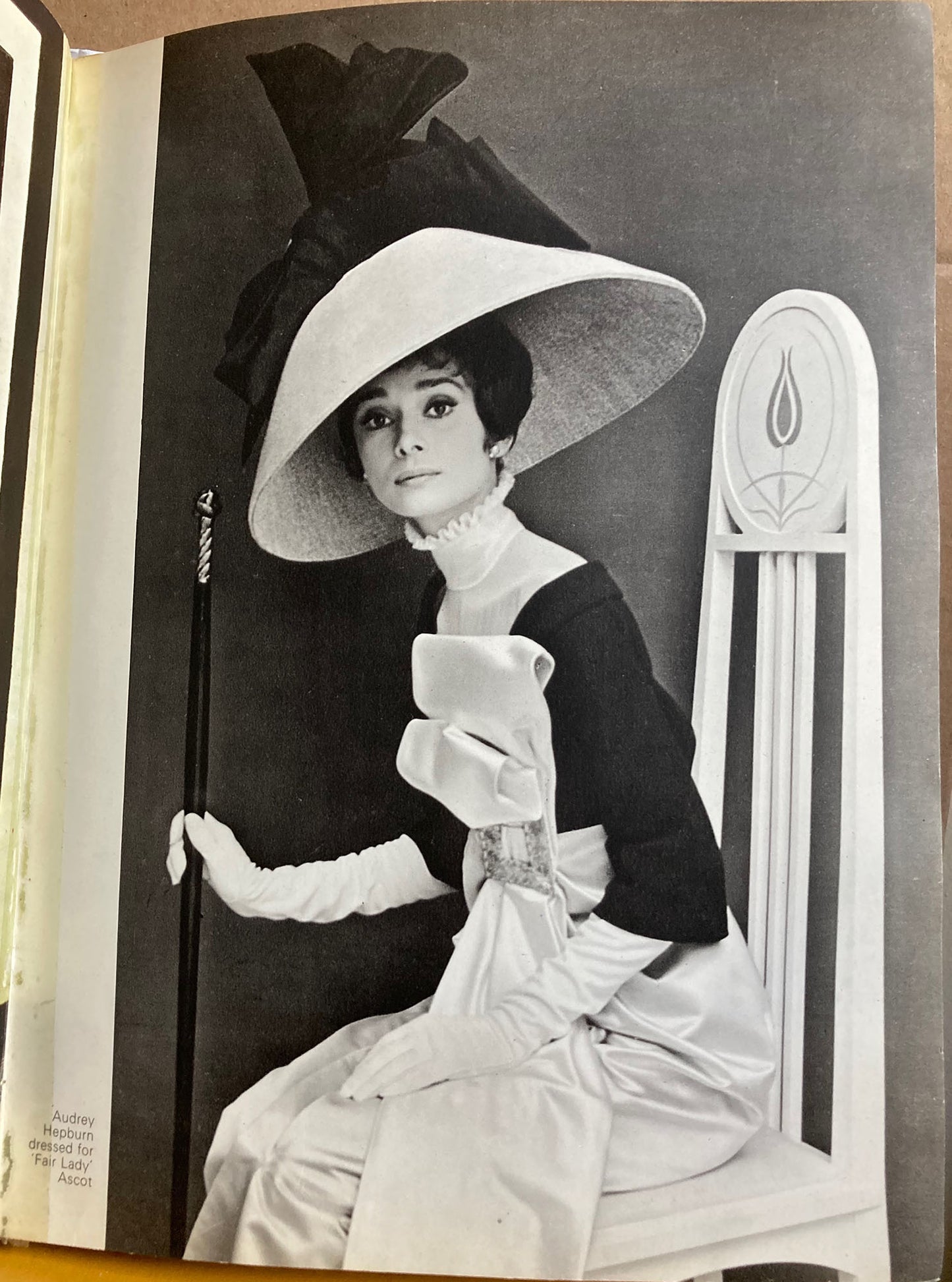
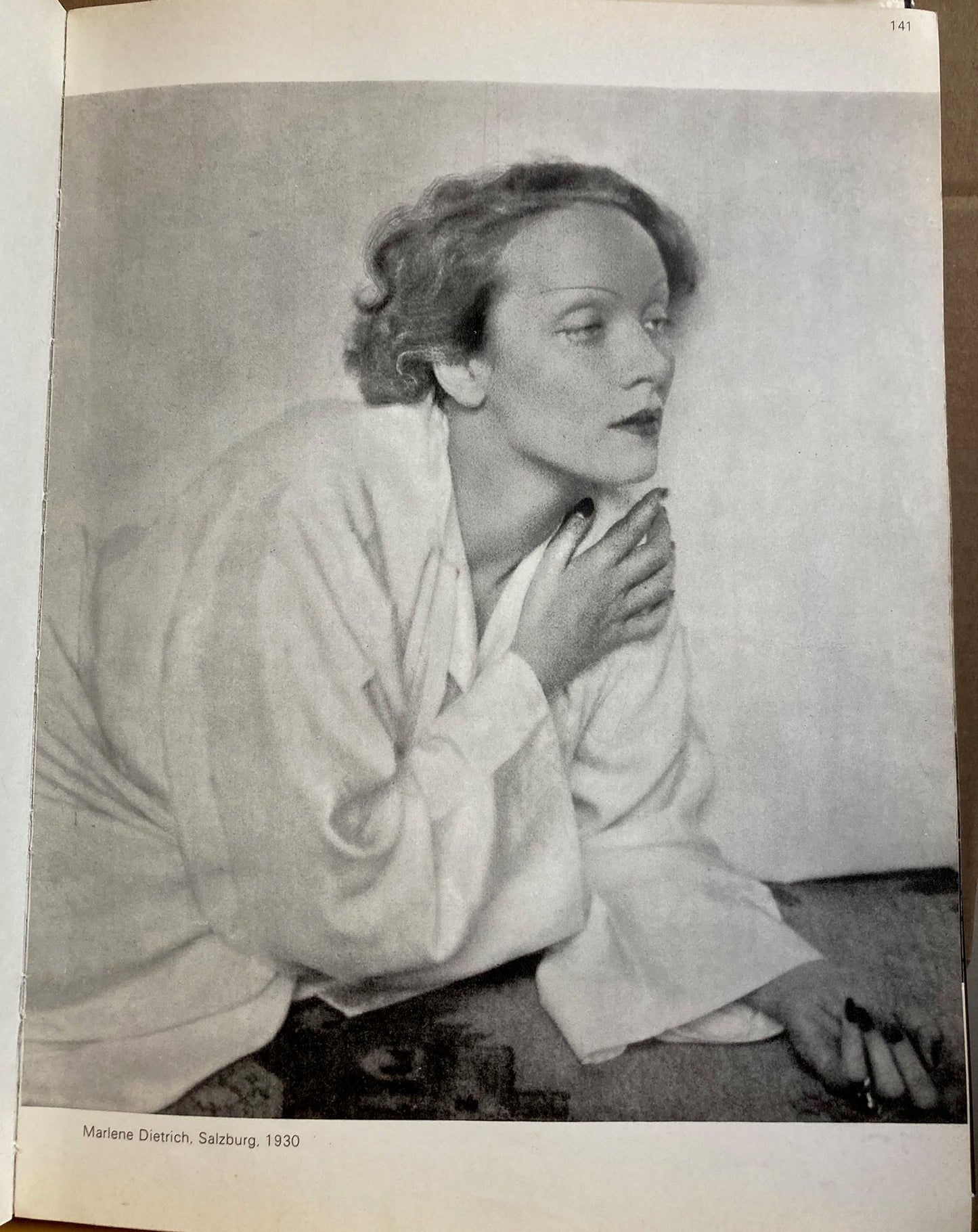
Macmillan, 1968. 1st American edition, ex-library, card pocket, large heavy hardcover, bound in black cloth, hinges split and reglued, one inner hinge reinforced with tape, otherwise very good with protected dust jacket that has spots of wear at extremities and spine label. 248 pages. Comprehensive survey of Beaton’s long career, including cinema stars, fashion, World War II, travel, creative people in the arts, politicians, friends and family, etc. People in the photos include Beaton, Marlene Dietrich, Mel Ferrer, Twiggy, Truman Capote, Lucien Freud, Martha Graham, Henry Moore, Barbra Streisand, Sugar Ray Robinson, Rex Harrison, Maria Callas, Marilyn Monroe, Hermione Gingold, Audrey Hepburn, Georges Balanchine, Rudolph Nureyev, Charles Addams, Ingrid Bergman, Margot Fonteyn, Edith Sitwell, Coco Chanel, Augustus John, Colette, W.H. Auden, Pablo Picasso, Greta Garbo, Winston Churchill, General Charles de Gaulle, John Gielgud, Laurence Olivier, Gertrude Lawrence, Katherine Hepburn, Orson Welles, Fred Astaire, Beatrice Lillie, Jackie Cooper, Gertrude Stein, Salvador Dali, Max Beerbohm, E.M. Forster, Marion Moorhouse, Lee Miller, Marian Davies, Dolores Del Rio, Johnnie Weismuller, Anita Loos, Tallulah Bankhead, Anna May Wong, et al. Note: photos of covers have reflections. Summary:
The Best of Beaton (1968) is a lavish retrospective of the career of Sir Cecil Beaton, the quintessential "Renaissance Man" of British photography, stage design, and fashion. Featuring a sparkling, sharp-tongued introduction by Truman Capote, the book serves as the definitive record of Beaton’s ability to transform the world into a theatrical set, blurring the lines between reality and high-fashion artifice.
Core Themes and Narrative
-
The "Staged" Life: Beaton’s philosophy was rooted in the idea that nature is something to be improved upon. The book documents his transformation of the 20th century’s elite into living sculptures, using elaborate backdrops, cellophane, and baroque props to create a sense of "artificial perfection."
-
The Chameleon’s Gaze: The collection spans his diverse eras—from the "Bright Young Things" of 1920s London and the Hollywood glamour of the 1930s to his surprisingly gritty, yet still aesthetically controlled, documentation of London during the Blitz.
-
The Capote Connection: Truman Capote’s introduction provides a "Mirror of Wit," offering an insider’s perspective on Beaton’s relentless social climbing and his genius for posing his subjects until only their most beautiful or interesting essence remained.
Visual and Technical "Finish"
-
The "High-Key" Glamour: Beaton’s signature "finish" is characterized by a luminous, often flattened lighting that minimized physical flaws and maximized the "Graphic Silhouette." In his work, every shadow was intentional and every stray hair was banished.
-
Theatrical Textures: The monograph highlights Beaton's use of unusual materials to create depth and shimmer. His "finish" wasn't just on the print; it was in the physical environment he built around the subject, often utilizing mirrors and intricate floral arrangements.
- Sir Cecil Beaton (1904–1980) was a quintessential British fashion photographer, portraitist, diarist, and Academy Award-winning stage and costume designer whose theatrical flair and glamor defined mid-20th-century high society and visual culture. Born in London and educated at Harrow School and St John's College, Cambridge, Beaton was self-taught, launching his photographic career in the 1920s with stylized portraits of the "Bright Young Things" before securing staff positions at Vogue and Vanity Fair. Renowned for his painterly, theatrical compositions that incorporated elaborate backdrops, mirrors, and cellophane props, he captured definitive portraits of Hollywood icons like Greta Garbo, Audrey Hepburn, and Marilyn Monroe, as well as the British Royal Family, serving as official photographer for Queen Elizabeth II’s 1953 coronation. During World War II, Beaton served with the Ministry of Information, expanding his repertoire to poignant documentary photojournalism across Britain, the Middle East, and Asia, including his celebrated 1940 Life cover of a injured young Blitz victim. A true polymath, he translated his glamorous aesthetic to stage and cinema, winning three Academy Awards for his costume and production design on Gigi (1958) and My Fair Lady (1964), and earned a knighthood in 1972 for his monumental contributions to British art and culture.