Gary Saretzky Photo Books
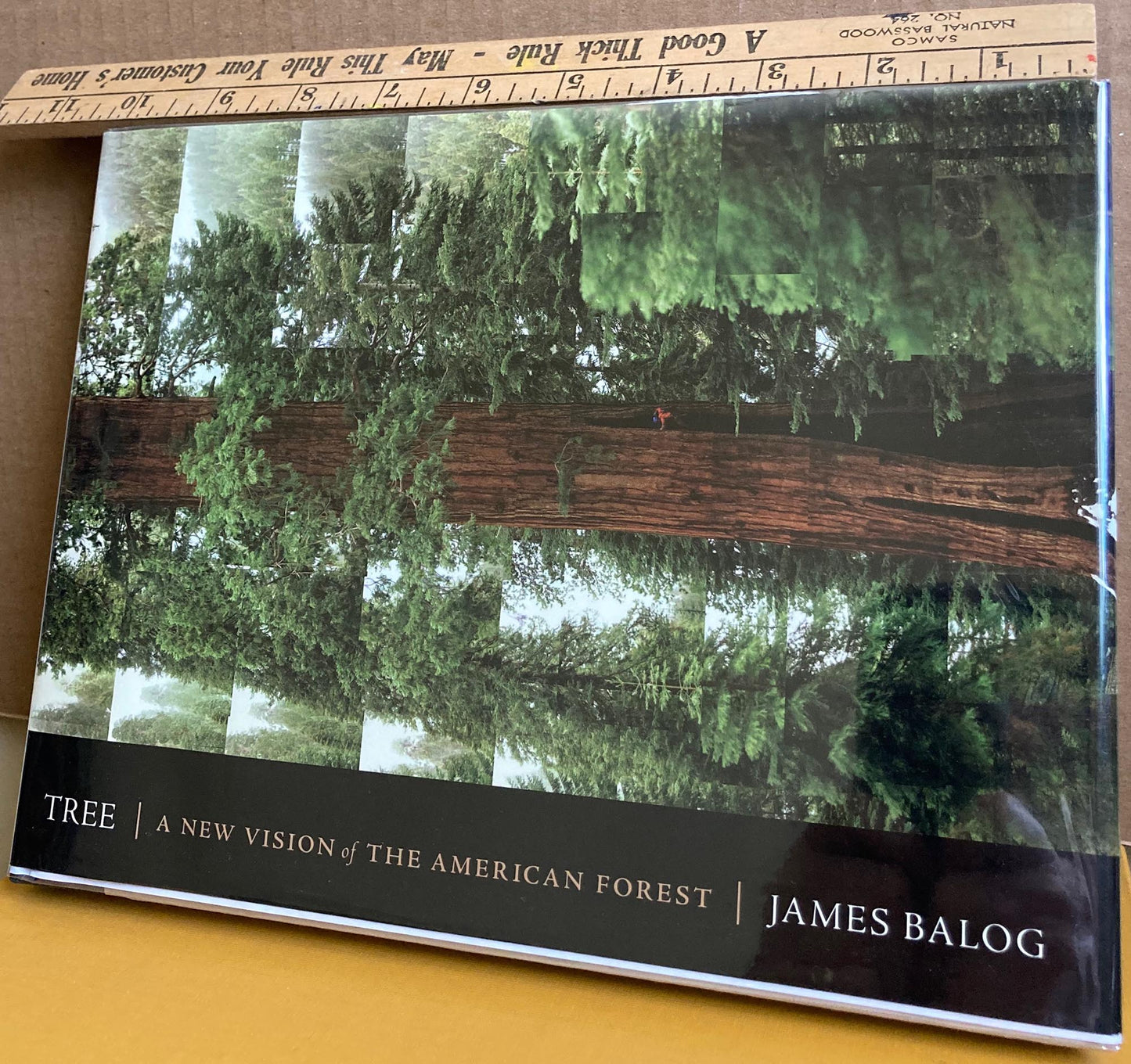
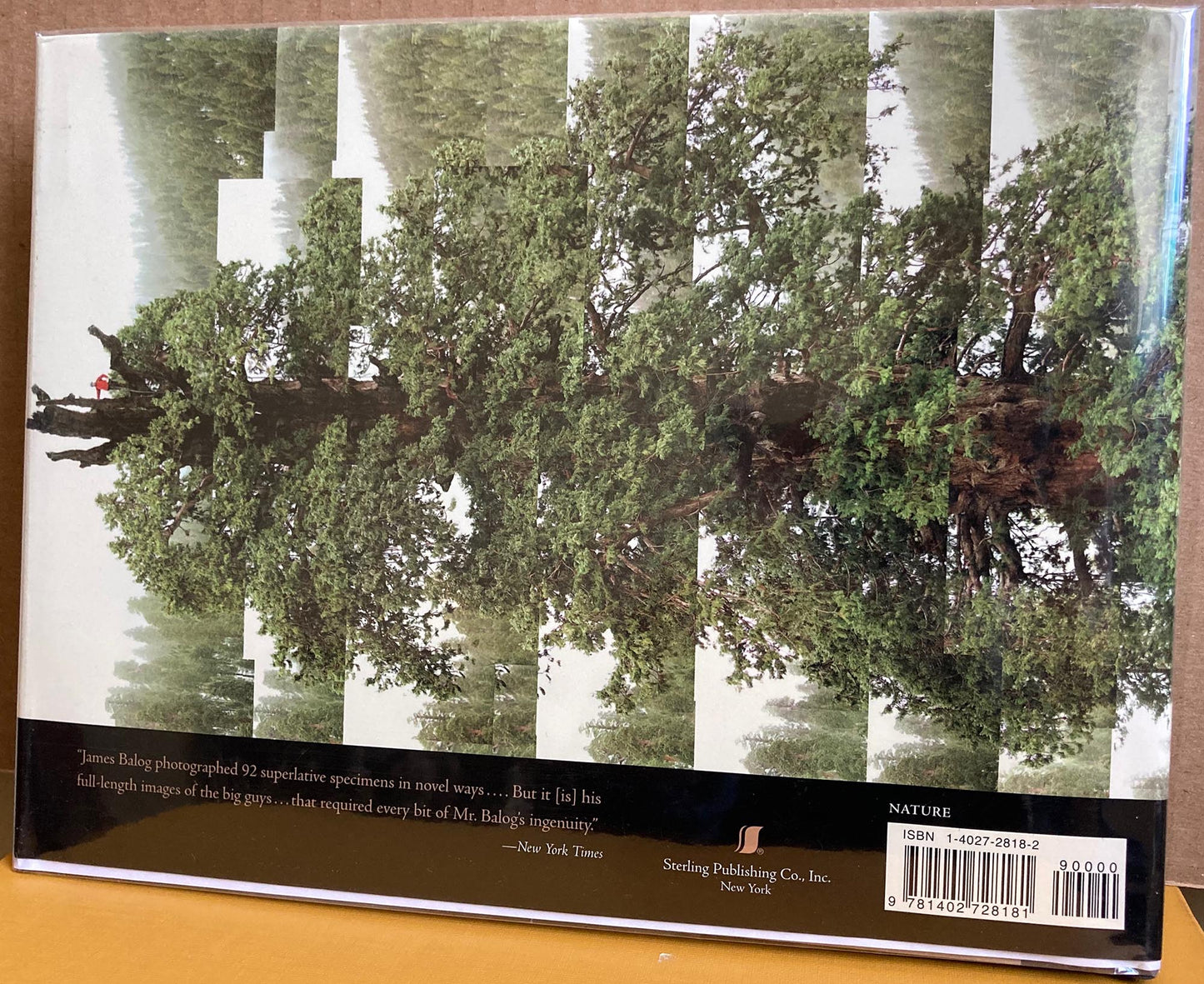
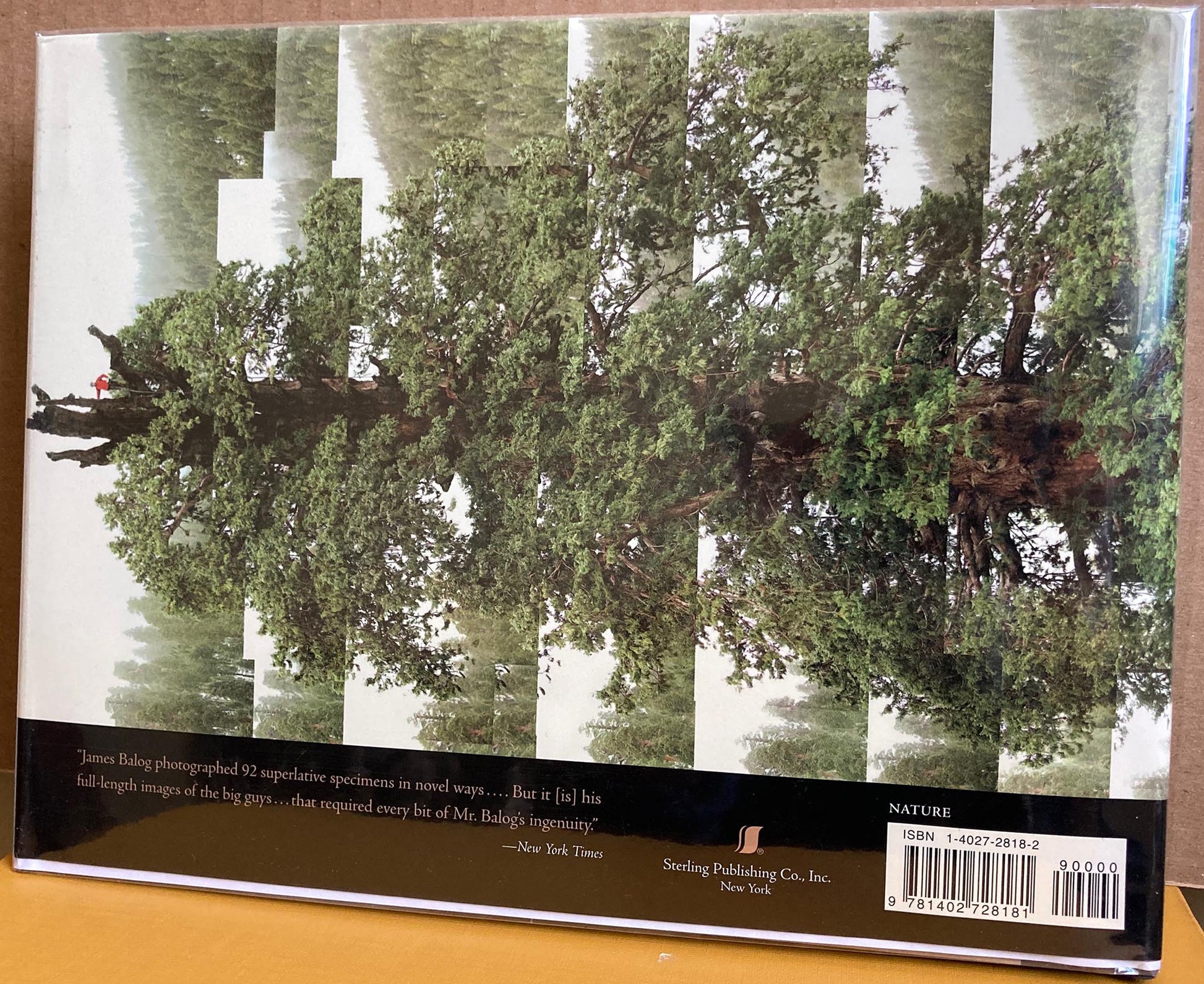
Balog, James. Tree: A New Vision of the American Forest. Photographs by James Balog.
Balog, James. Tree: A New Vision of the American Forest. Photographs by James Balog.
受取状況を読み込めませんでした
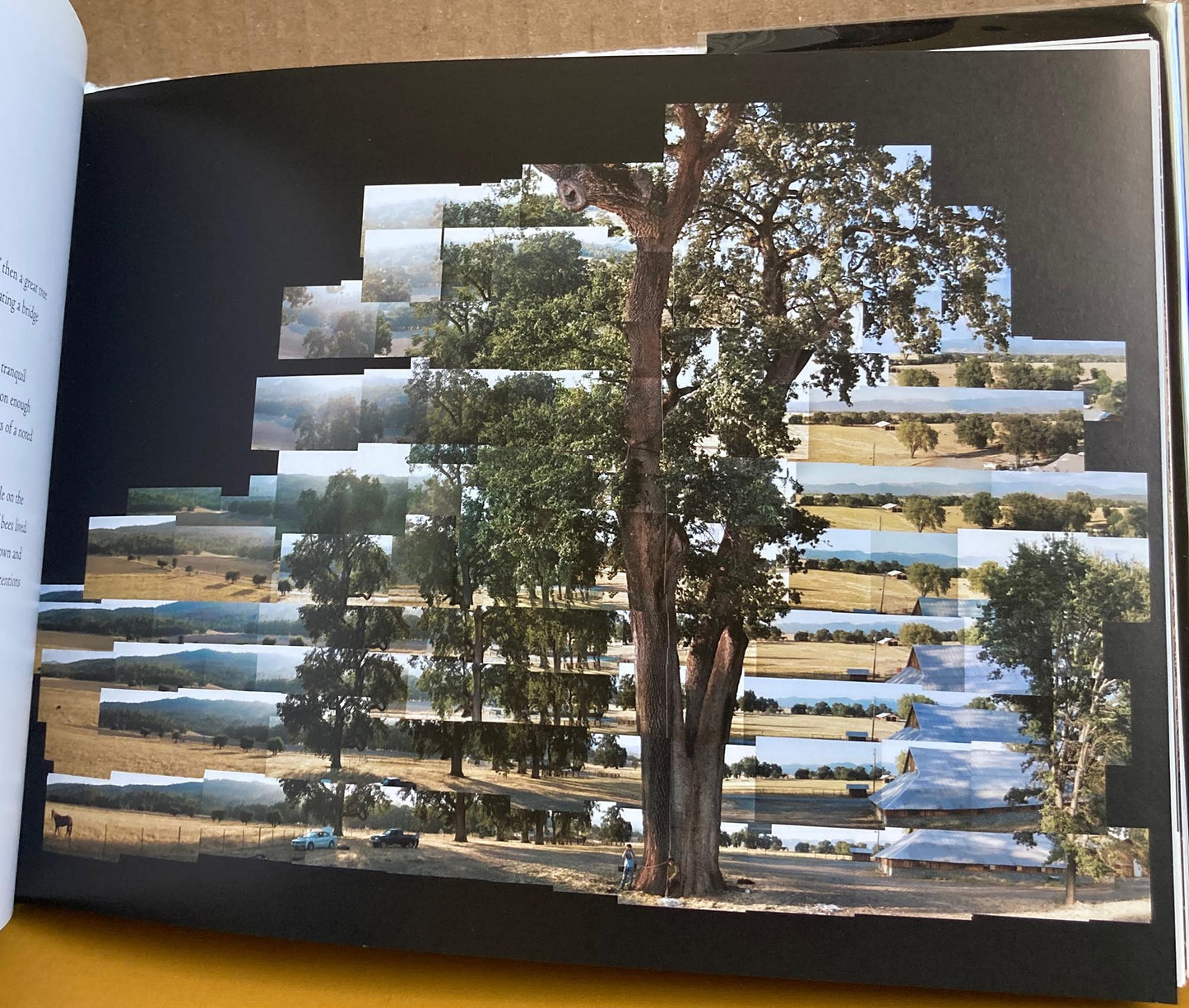
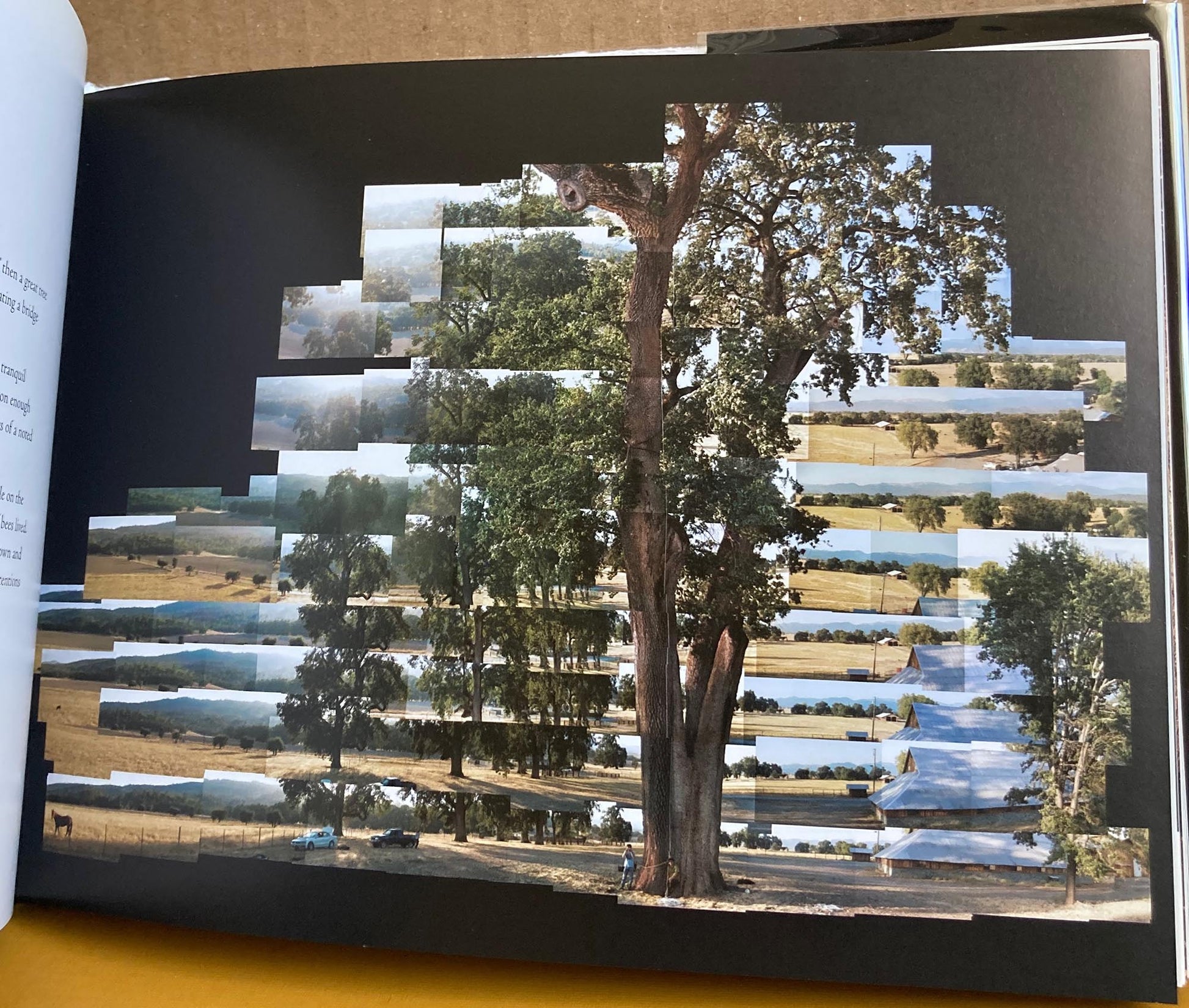
Sterling, 2004. First edition, first printing; fine with fine protected dust jacket. 182 pages, three foldouts. Foreword by David Friend. Includes Balog’s photographs of trees in black-and-white and in color, often employing composite prints of multiple images and some panoramas. A winner of the Leica Medal of Excellence and the first photographer to be selected to design United States postage stamps, Balog has been widely acclaimed for his innovative photography. His previous books included Survivor: A New Vision of Endangered Wildlife, Animal, Wildlife Requiem, Anima, and James Balog’s Animals A to Z. Born in 1952, Balog is the founder and director of Earth Vision Institute in Boulder, Colorado. Summary:
Tree: A New Vision of the American Forest is a large-format photographic book by James Balog that presents a remarkable visual celebration of America’s greatest trees. Over several years, Balog traveled across the United States seeking out the largest, oldest, and most extraordinary trees — from coast redwoods and giant sequoias to sprawling oaks and other venerable forest giants — and created a body of images that reveal these natural monuments in unprecedented detail.
Rather than photographing trees in the usual way, Balog developed an innovative technique: he made hundreds of individual digital exposures from many positions around each subject and then composited them into a single continuous portrait that shows the entire tree from roots to crown. This process allowed him to portray massive trees at full scale while capturing subtle textures, forms, and the unique character of each specimen. For the tallest subjects, like coastal redwoods, this often involved climbing and rappelling to position cameras at different heights.
Balog’s work goes beyond straightforward documentation. His images, often accompanied by brief essays or notes, invite viewers to appreciate the beauty, resilience, and diversity of American forests, while also reminding us of how forests have been shaped — and sometimes diminished — by human impact. The resulting photographs combine scientific curiosity, artistic vision, and a deep respect for these living giants, offering readers a fresh and immersive way to see and understand the American forest.
James Balog (b. 1952) is an American nature photographer, geoscientist, and environmental advocate internationally acclaimed for bridging the gap between art and environmental science through visual documentation of climate change. Born in Danville, Pennsylvania, Balog earned a degree in communications from Boston College and a master's degree in geomorphology from the University of Colorado Boulder before pursuing photography full-time. Combining rigorous scientific fieldwork with striking visual aesthetics, he initially gained attention for innovative studio-style portraits of endangered wildlife and ancient trees in publications such as National Geographic. In 2007, Balog founded the groundbreaking Extreme Ice Survey (EIS), deploying network time-lapse camera systems across glaciers in Greenland, Iceland, Alaska, and the Rockies to capture indisputable visual evidence of global glacial retreat. His harrowing expedition footage formed the core of the award-winning 2012 documentary Chasing Ice and numerous books, including ICE: Portraits of Vanishing Glaciers (2012) and The Human Element (2018). Recognized with honors such as the Heinz Award and the Royal Photographic Society’s Hood Medal, Balog has redefined contemporary environmental photojournalism by turning abstract ecological data into compelling visual narratives.