Gary Saretzky Photo Books
Adams, Ansel. Sierra Club Handbook, 1971, with photos by Ansel Adams, et al.
Adams, Ansel. Sierra Club Handbook, 1971, with photos by Ansel Adams, et al.
受取状況を読み込めませんでした
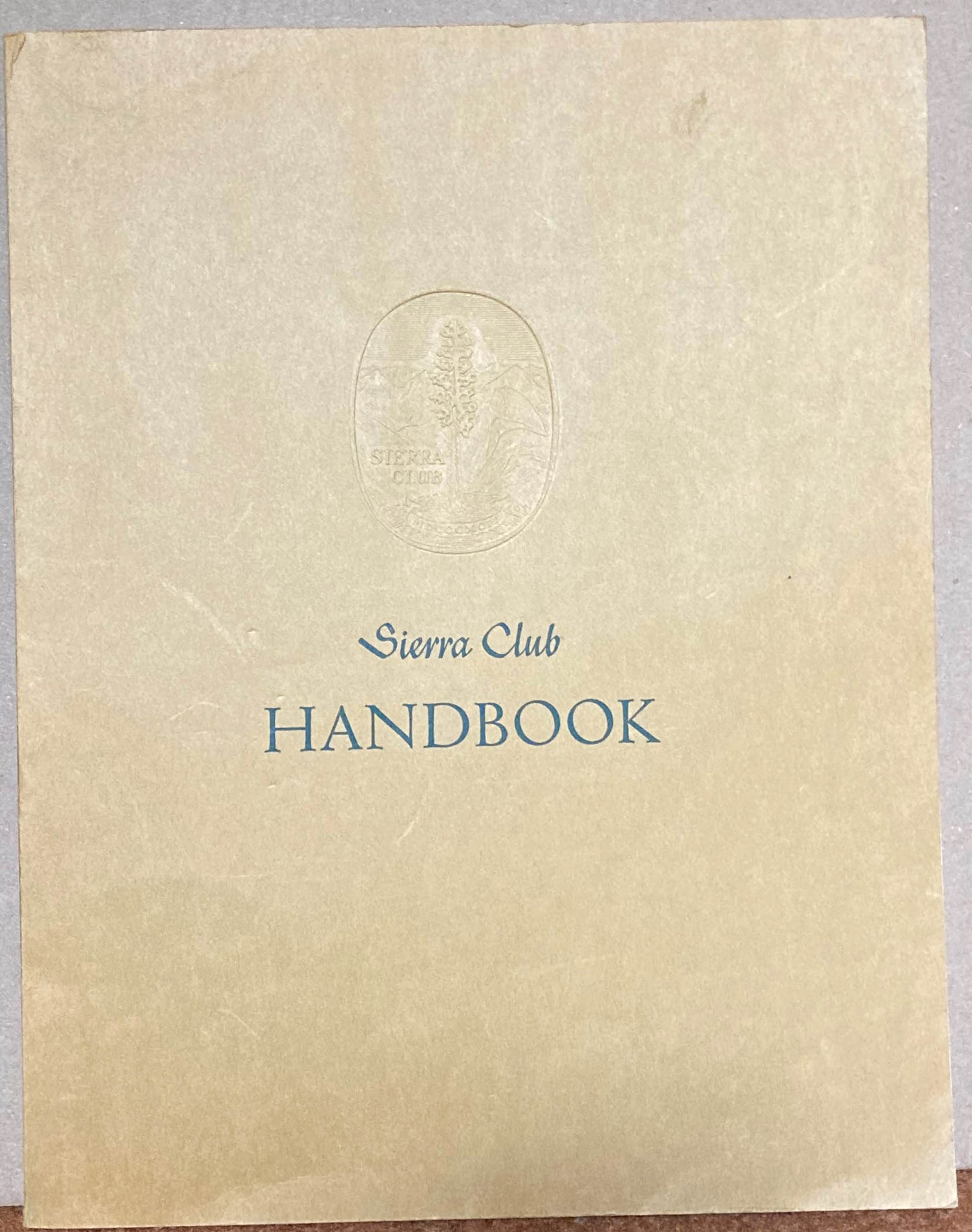
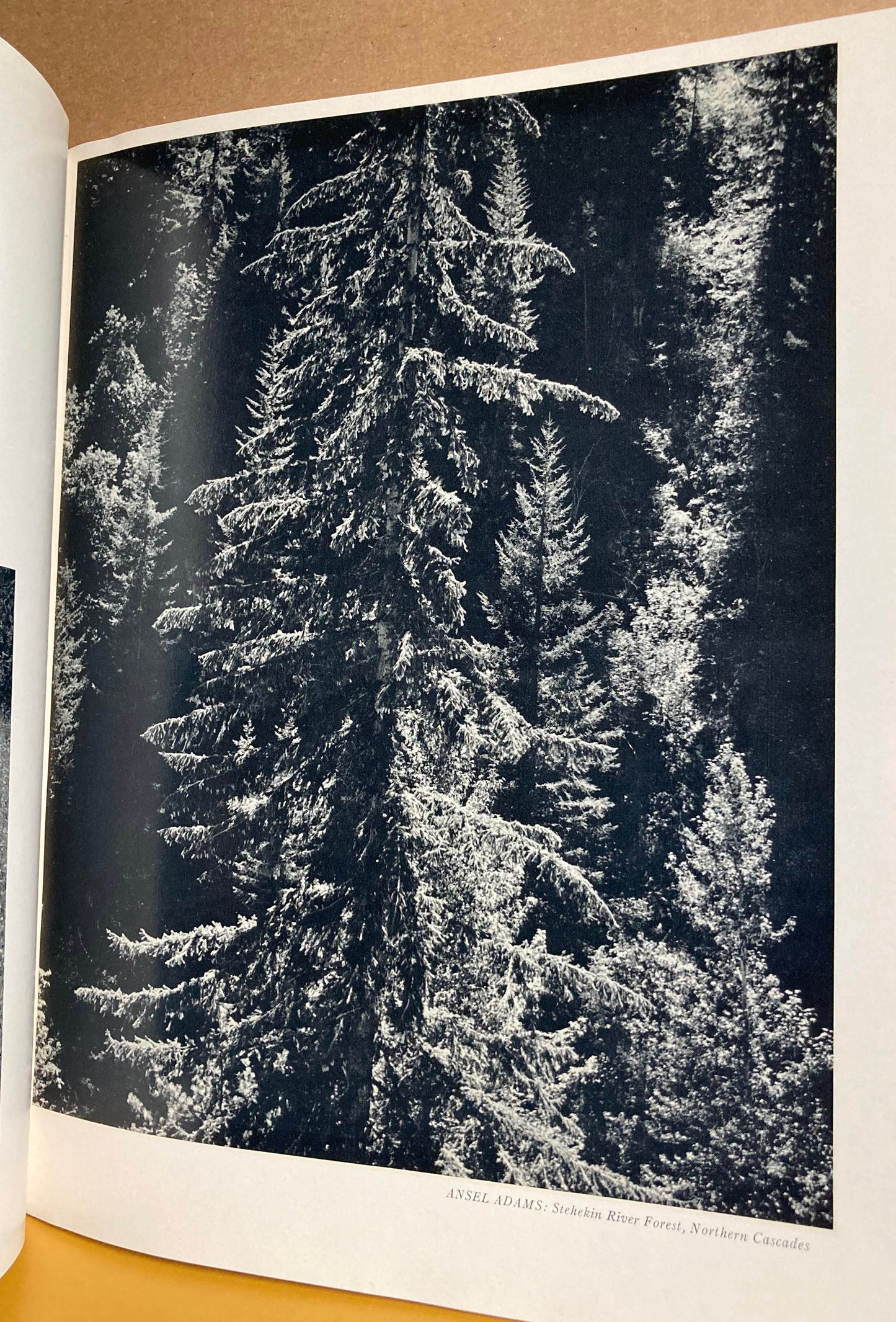
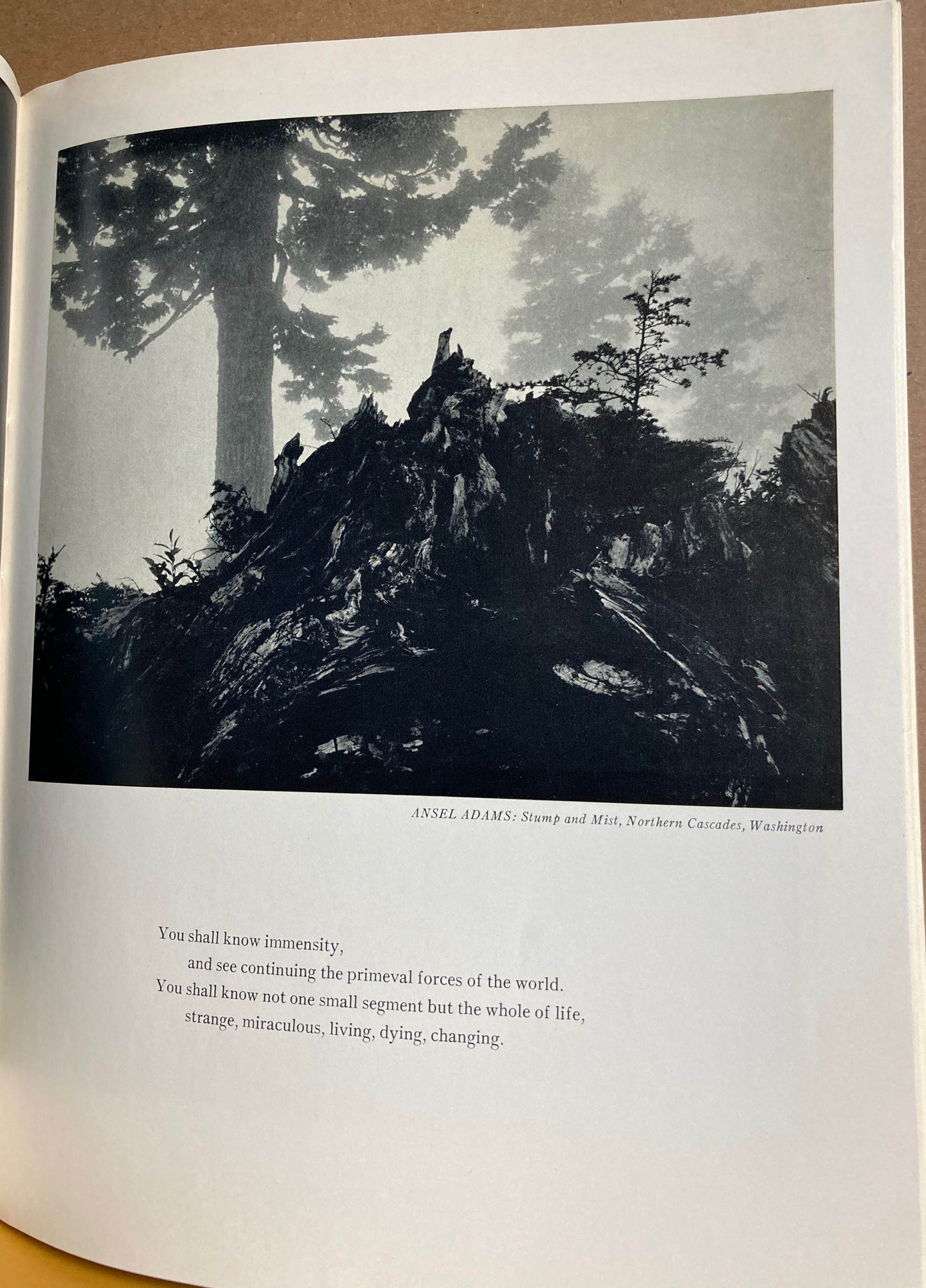
Sierra Club, 1971. Not to be confused with the Sierra Club Wilderness Handbook. This book is about the Sierra Club itself. Soft brown covers (darker than in photo below of cover), small scuff on front cover, otherwise fine. 64 pages. With photos on glossy pages by Ansel Adams and other photos on matte paper by Homer Gasquet, David Simons, John S. Flannery, Cedric Wright, Philip Hyde, W.E. Dassonville, et al. Includes chapters on the history of the Sierra Club, Wilderness Conservation, Outing Activities, Lodges and Lands, Printed Page and Other Media, Structure, Responsibililties and Policy, and appendices including list of chapters, Club chronology, Club publications, officers, award winners, bylaws, etc. Not issued with ISBN number. Summary:
The Sierra Club Handbook (1971 Edition) is a definitive organizational manual and philosophical manifesto published during a pivotal era for the American environmental movement. While primarily serving as a guide for members, it functions as a visual and ideological tribute to the preservation of the American wilderness.
Core Content & Mission
The handbook outlines the history, structure, and goals of the Sierra Club during a period of rapid growth and increasing political activism. It details the club’s transition from a regional hiking group to a powerful national advocate for conservation legislation.
-
Organizational History: It tracks the club's evolution from its founding by John Muir in 1892 through its 1970s focus on modern ecological threats.
-
Operational Guidance: The book includes the club’s bylaws, information on local chapters, and guidelines for "low-impact" wilderness outings.
-
Conservation Philosophy: It articulates the "Muirian" belief in the inherent value of nature, arguing for the protection of wild places for their own sake rather than for human resource consumption.
The Role of Photography
A hallmark of Sierra Club publications of this era was the use of "Exhibit Format" quality imagery to stir public sentiment. This handbook features work by some of the most iconic landscape photographers:
-
Ansel Adams: The book showcases his high-contrast, "Zone System" masterpieces that define the majesty of the High Sierra and National Parks. Adams was a longtime board member, and his images served as the club's most potent lobbying tool.
-
Other Contributors: The 1971 edition often includes work by other luminaries such Cedric Wright, and Philip Hyde. These images emphasize the "intimate landscape"—the textures of stones, water, and flora—complementing Adams' grand vistas.
Historical Significance
Published just one year after the first Earth Day (1970), the 1971 handbook reflects a shift in the environmental movement toward militant preservationism. It captures the Sierra Club at a moment of high cultural influence, using the aesthetic power of photography to transform "the environment" from a niche hobby into a central pillar of American political life.
Today, the handbook is a collector’s item for those interested in the history of the "Green Revolution" and the intersection of fine art photography and environmental activism.