Gary Saretzky Photo Books
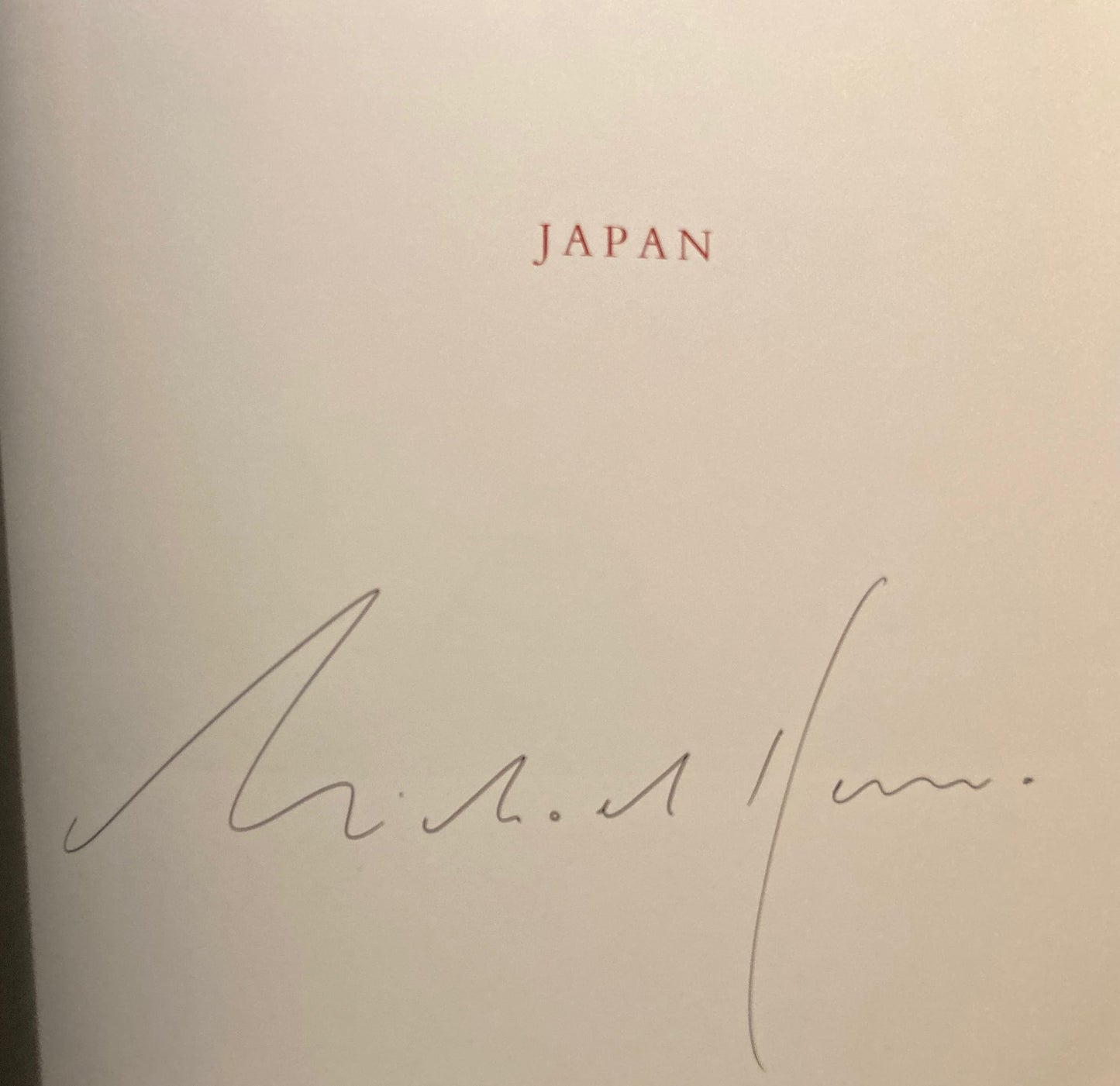
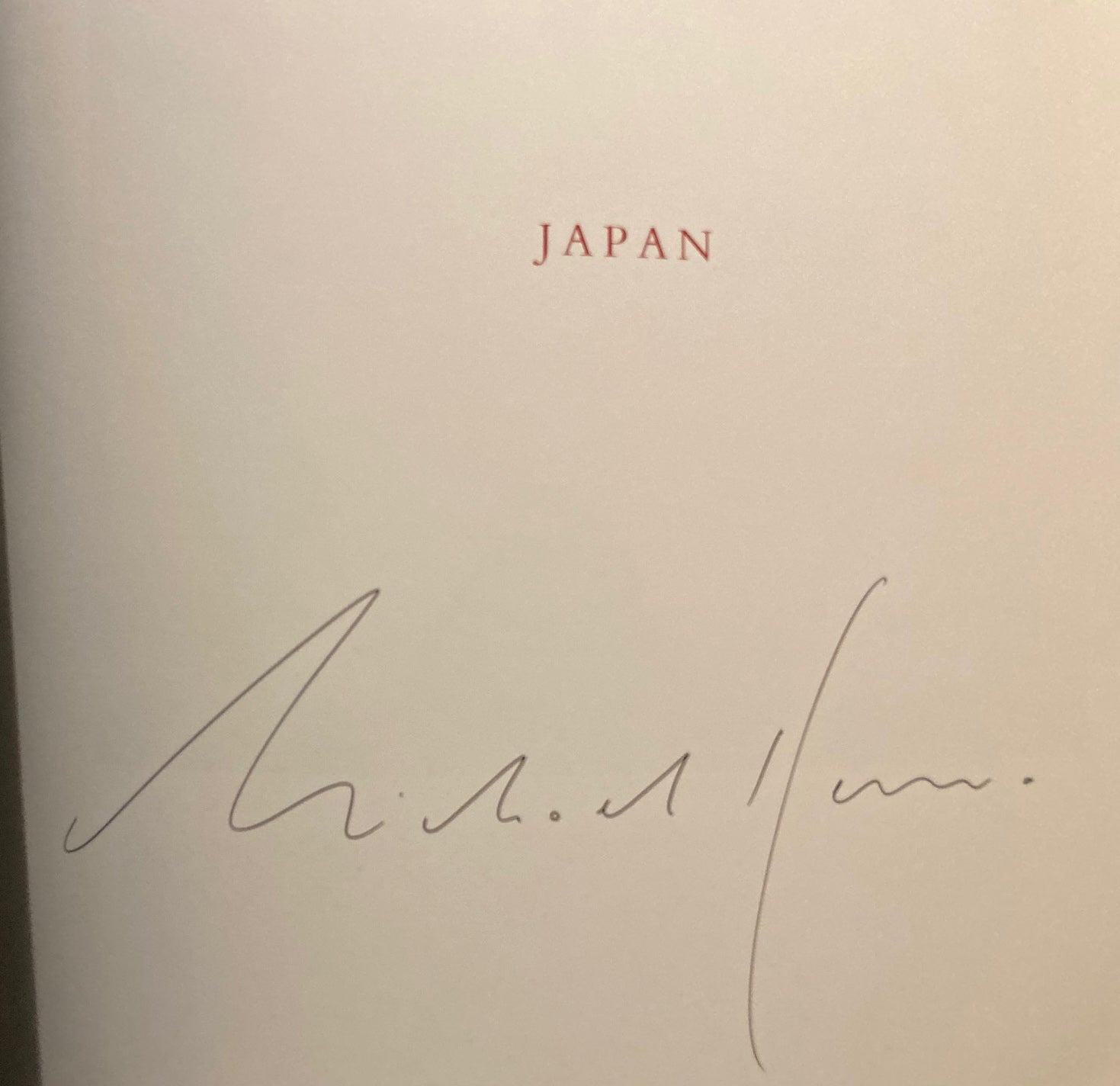
Kenna, Michael. Japan by Michael Kenna. First Edition Signed.
Kenna, Michael. Japan by Michael Kenna. First Edition Signed.
受取状況を読み込めませんでした
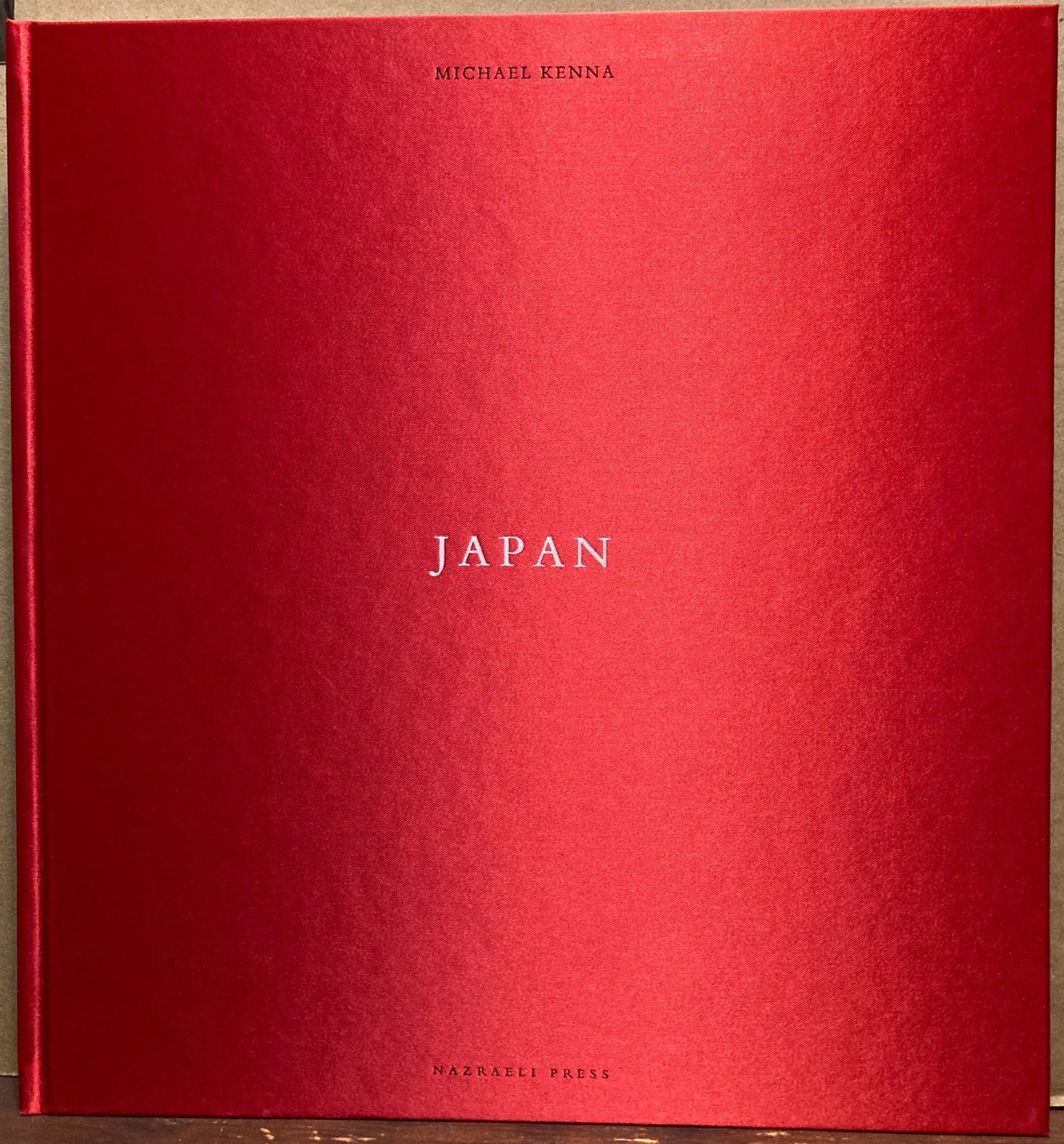
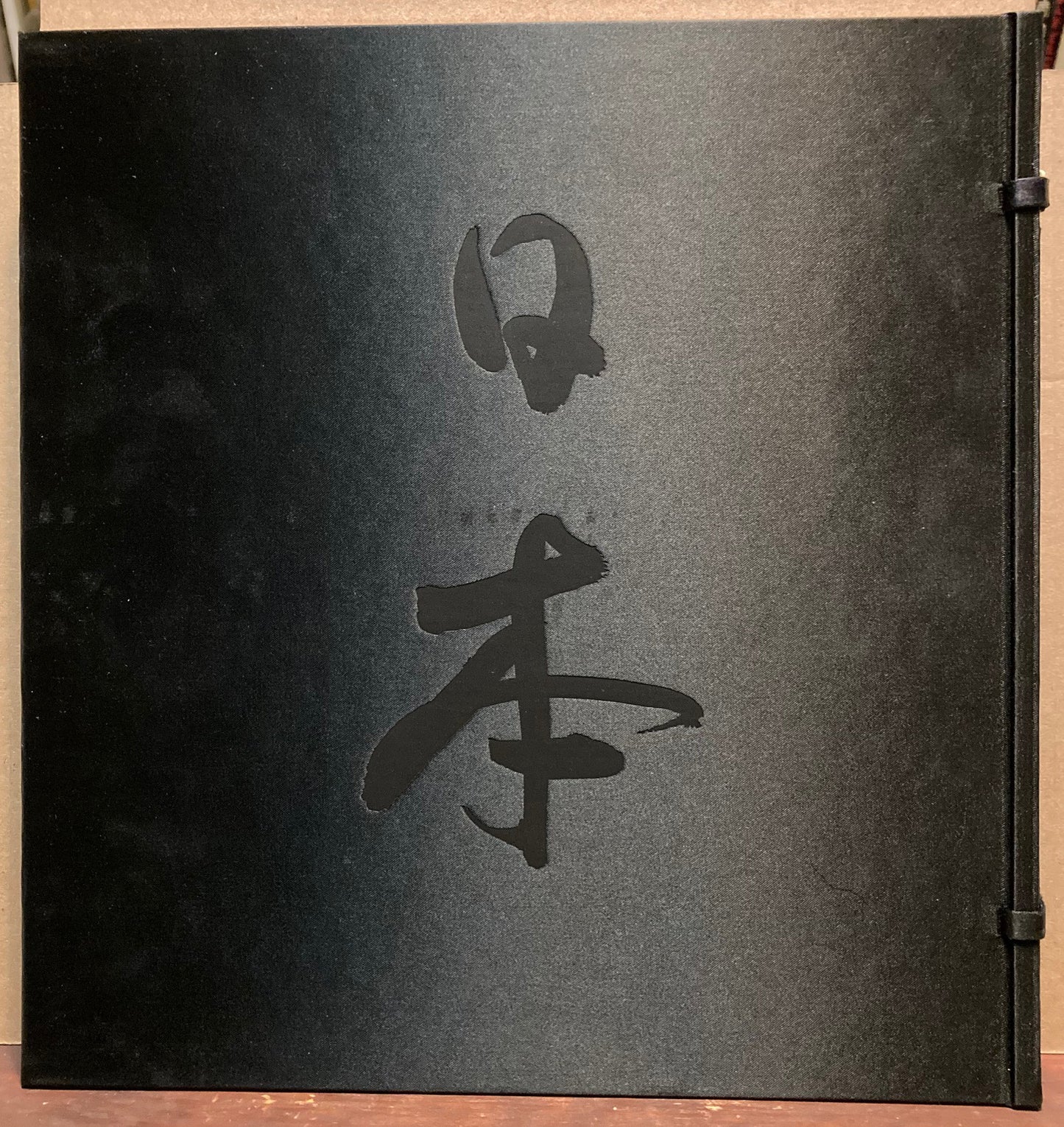
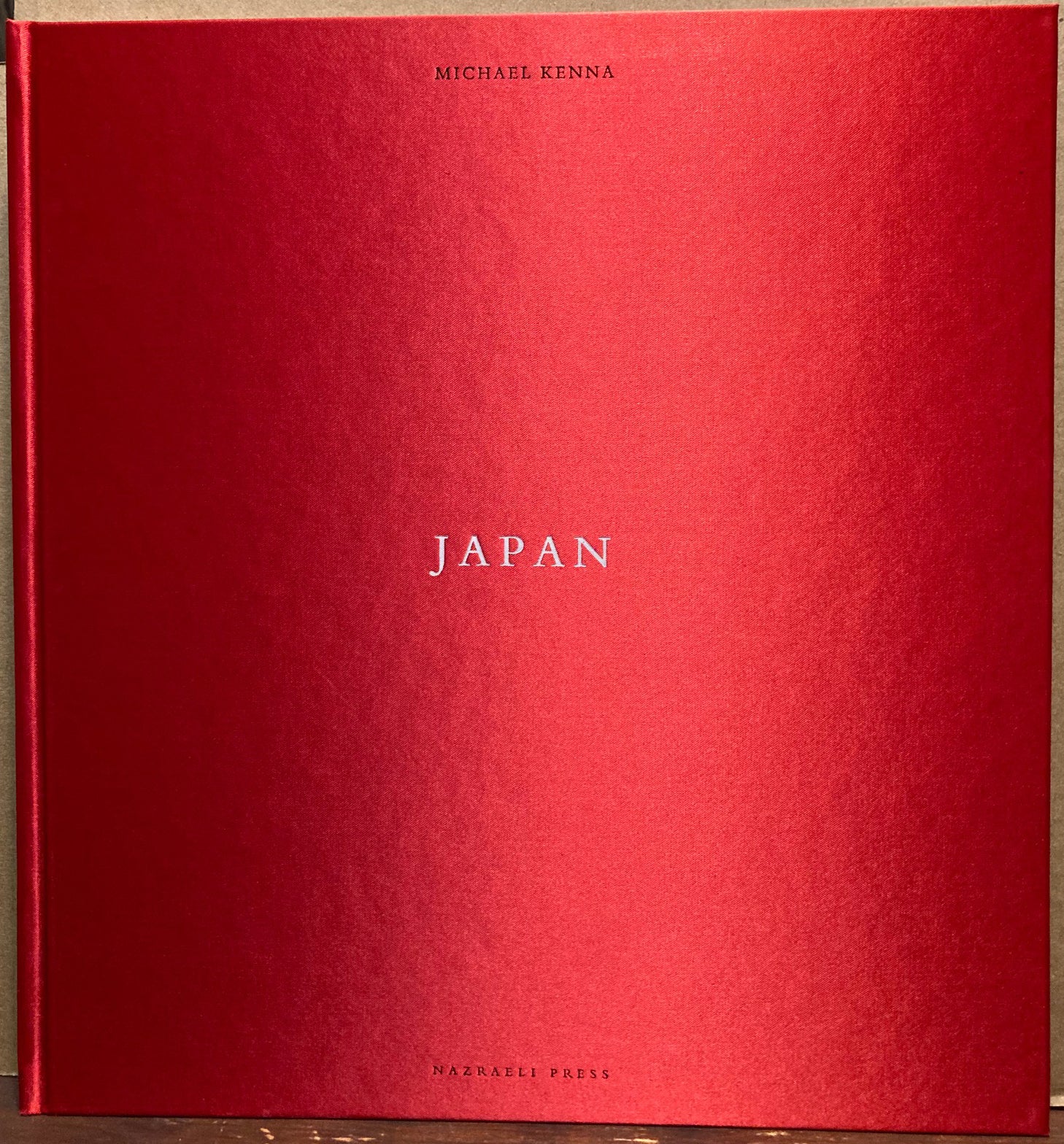
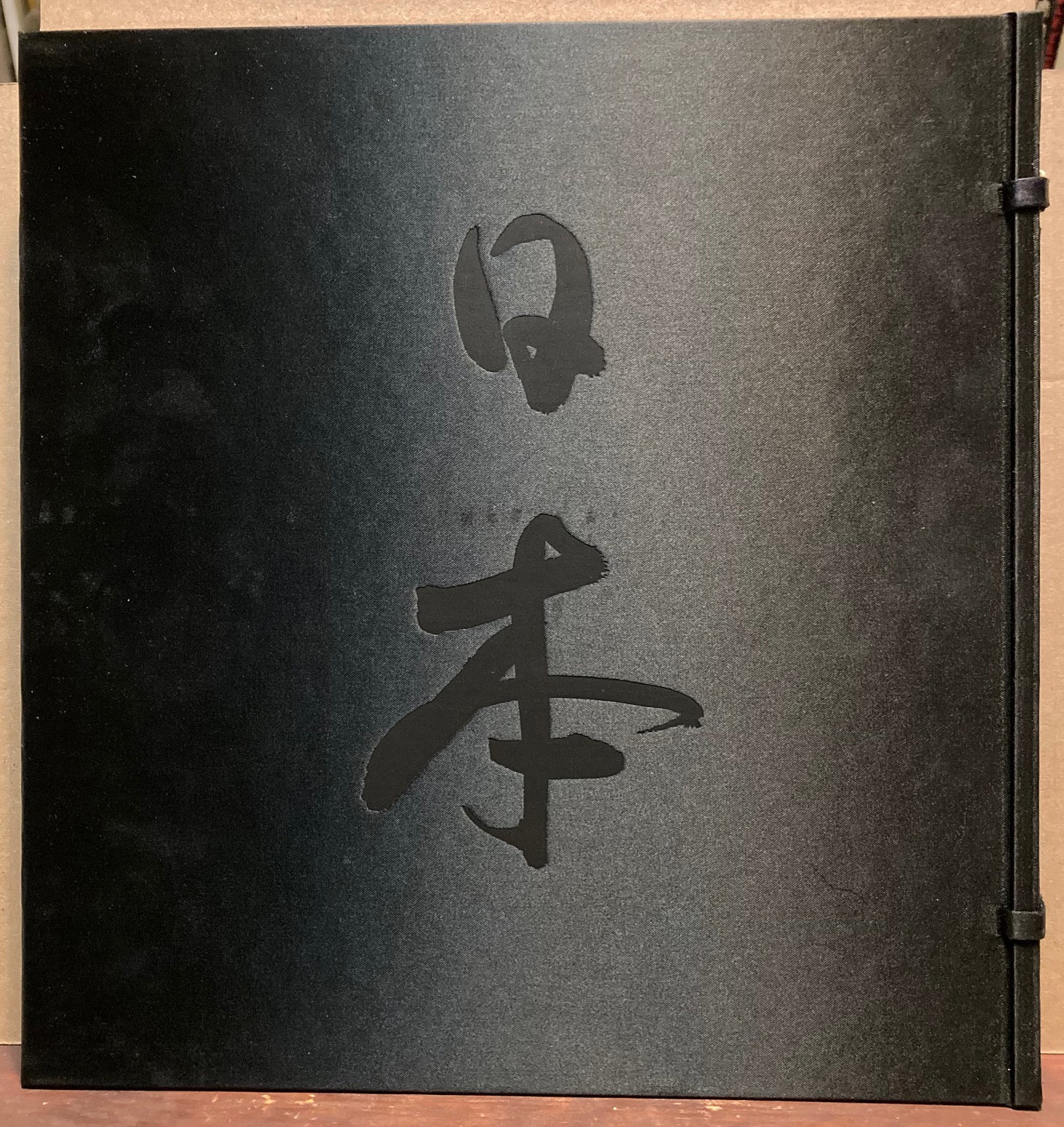
Nazraeli Press, 2003. 1st edition, 1st printing. SIGNED. Text in Japanese and English. Introduction by Kohtaro Iizawa. Bound in red silk with spine titles in white and cover title in black, housed in black silk portfolio closed with bone clasps. A stunning book in both content and production, issued in an edition of 4,000. Fine/fine.
Japan (published in 2003 by Nazraeli Press) is an oversized, 108-page landscape monograph by the acclaimed British photographer Michael Kenna. Featuring 95 or 96 duotone and tritone plates along with an introductory essay by renowned Japanese photography critic Kohtaro Iizawa, this lavishly produced volume—traditionally bound in red cloth or silk and presented inside a matching Japanese folding slipcase with clasps—acts as an essential culmination of Kenna’s deep, multi-decade relationship with the Japanese archipelago, serving as a masterclass in minimalist landscape art.
Core Themes and Content
-
A Visual Translation of Haiku and Sumi-e Art: A central theme of the monograph is its deliberate rejection of heavy, descriptive documentation in favor of suggestion and empty space. Iizawa’s introduction notes that Kenna captures landscapes with the weightless, brief form of a traditional Japanese haiku poem. By focusing on stark compositions—a solitary tree on a snowy hill or a mountain crest emerging from mist—the images echo the minimalist aesthetic of traditional sumi-e (ink wash) paintings, treating the white space of snow and sky as active components of the frame.
-
The Atmosphere of the Long Exposure: Visually, the book showcases Kenna’s mastery of long, overnight time-exposures and dawn photography. Using long shutter speeds on medium-format film, Kenna smooths out the movement of waves and clouds into ethereal, milky voids. This technique softens harsh edges and unveils textures hidden to the naked human eye, bathing the Japanese coastline, islands, and lakes in a serene, hauntingly beautiful light.
-
The Sacred and the Subterranean Spirit: The selection of images moves beyond simple geography to tap into Shinto and Buddhist spiritualities, where gods are believed to inhabit all natural elements. Kenna frequently trains his lens on sacred thresholds where human structures touch the natural world—most notably torii gates standing directly in the moving sea, silent forest temples, and rows of wooden fencing submerged in frozen lakes—imbued with a quiet reverence and the feeling that everything in the frame is sacred.
-
Traces of Human Memory: True to his signature style, Kenna avoids placing living people inside his frames, yet human presence is felt everywhere through the structures left behind. The images capture the quiet remnants of human interaction with the earth, such as seaweed harvesting poles cutting through coastal waters, distant piers, and patterned agricultural fields, transforming the geography of Hokkaido, Honshu, and Kyushu into a landscape of collective memory and time.
By marrying a deeply respectful Western perspective with a classic Japanese artistic ethos, Japan remains one of Nazraeli Press’s most celebrated publications, showcasing how patience and a minimalist frame can strip away the noise of the modern world to uncover a timeless, spiritual topography.
Michael Kenna (born 1953) is an acclaimed British photographer widely considered one of the most influential landscape masters of his generation, celebrated for his ethereal, minimalist black-and-white compositions. Born into a working-class Irish-Catholic family in Widnes, England, Kenna spent seven years in a seminary training for the priesthood before pivoting to the arts, studying at the Banbury School of Art and later graduating with a degree in commercial photography from the London College of Printing in 1976. Drawn to fine art landscape traditions, he moved to San Francisco in 1977, where he spent eight formative years working as a darkroom printer for legendary photographer Ruth Bernhard, an experience that deeply refined his meticulous personal printing style. Kenna's signature aesthetic is defined by his use of medium-format film cameras and ultra-long time exposures—often lasting up to ten hours at dawn or throughout the night—which transform moving water into smooth mist, blur clouds into soft gradients, and reveal atmospheric depths invisible to the human eye. Opting for suggestion over raw description, his square-format prints frequently explore the quiet, poetic boundaries where natural terrain interacts with human-made structures, intentionally omitting people to emphasize memory, silence, and the passing of time. Honored by the French Ministry of Culture as an Officier de l'Ordre des Arts et des Lettres, Kenna has published over ninety monographs and has been featured in hundreds of solo international exhibitions, with his handcrafted silver gelatin prints held in over one hundred prestigious permanent collections worldwide, including the Victoria and Albert Museum in London, the National Gallery of Art in Washington, D.C., and the Bibliothèque Nationale de France in Paris.