Gary Saretzky Photo Books
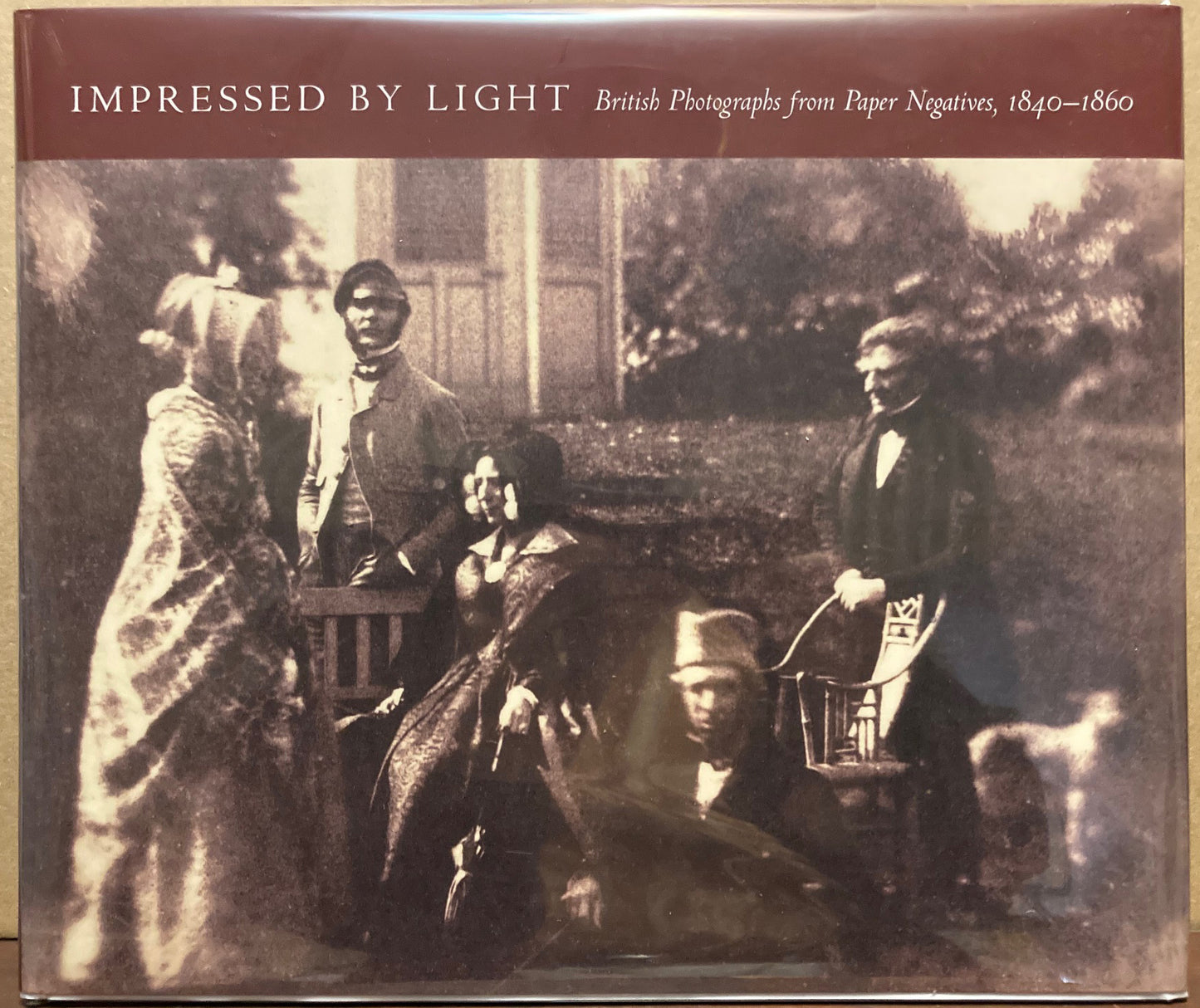
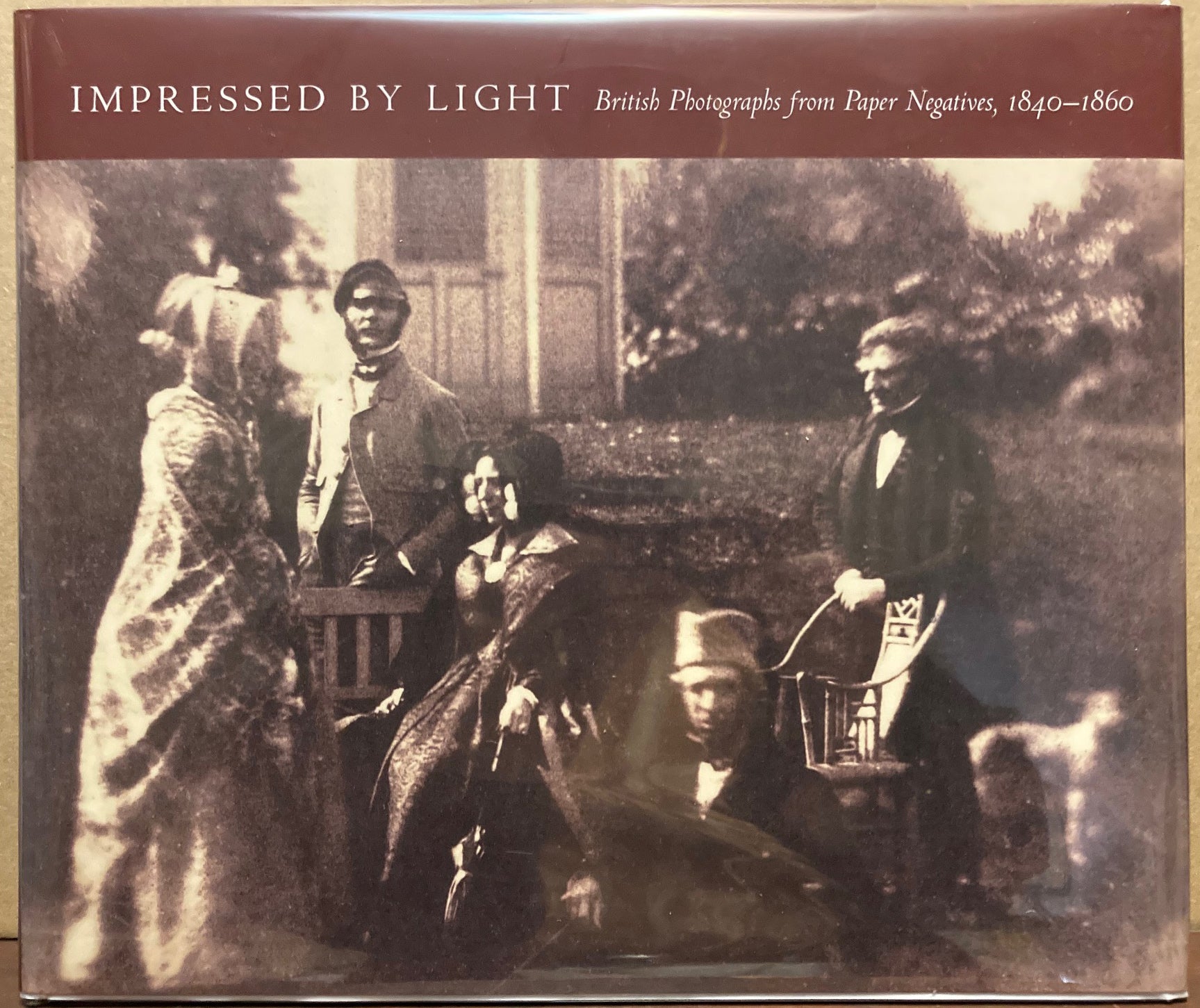
History of Photography. Impressed by Light: British Photographs from Paper Negatives, 1840-1860 by Roger Taylor with Larry Schaaf.
History of Photography. Impressed by Light: British Photographs from Paper Negatives, 1840-1860 by Roger Taylor with Larry Schaaf.
受取状況を読み込めませんでした
Metropolitan Museum of Art, 2007. [Calotypes; Salt Prints; Great Britain; William Henry Fox Talbot; Calvert Richard Jones; Hill & Adamson; William Collie; Benjamin Brecknell Turner; Hugh Owen; Crystal Palace; Robert W.S. Lutwidge; William A. Pumphrey; Thomas J. Backhouse; John Muir Wood; John D. Llewelyn; James Mudd; Arthur J. Melhuish; Edward King Tenison; George Moir; John Hill Morgan; Thomas Sutton; Charles Brittan; Alfred Capel Cure; Robert Henry Cheney; Horatio Ross; Thomas Keith; George Wilson Bridges; Roger Fenton; Alfred Backhouse; Thomas M. Raven; John Stewart; William Robert Baker; Jane Martha St. John; Charles Clifford; Alfred Huish; John McCosh; John Murray; Richard Banner Oakeley; Charles Moravia; Robert and Harriet Tytler; Linnaeus Tripe.] 1st edition, new with dust jacket protector. Issued at $75. Heavy book, requires more postage than typical items in my store. Summary:
Published in 2007 by the Metropolitan Museum of Art and Yale University Press, Impressed by Light: British Photographs from Paper Negatives, 1840–1860 by Roger Taylor, with contributions from Larry J. Schaaf, is a landmark historical and catalog study. Accompanying a major exhibition at the Met, the book provides the first exhaustive history of the calotype—the paper-negative process invented by William Henry Fox Talbot—positioning it within the social, industrial, and economic framework of Victorian Britain.
1. The Homegrown Alternative to the Daguerreotype
The book contrasts the French daguerreotype (sharp, single-print metal plates) with Britain's paper-based calotype. Taylor argues that while the daguerreotype captured early commercial market share, Talbot's paper-negative process established the foundation for virtually all modern film photography because it allowed multiple positive prints to be made from a single negative.
2. The Aesthetic Value of the Paper Imperfection
A central focus of the text is why early photographers chose to stick with paper negatives even after the 1851 invention of glass-plate photography, which offered far greater sharpness. Taylor explains that wealthy British amateurs explicitly prized the paper negative for its painterly, expressive qualities—specifically its softness of detail and dramatic, heavily textured massing of light and shadow.
3. The Province of the Cultivated Amateur
The book highlights how the calotype thrived primarily as a private, non-commercial medium. Because Talbot fiercely protected his process with restrictive patents, it largely became the playground of wealthy, educated gentlemen and gentlewomen. These upper-class practitioners took up cameras as an antidote to emerging industrialization, using their lenses to document an idealized, romantic view of the British countryside, historic ruins, ancient oaks, and private family albums.
4. Practicality in Flight and the Empire
Taylor explores the logistical benefits of the paper negative over glass for travel photography:
-
The Grand Tour: For travelers, paper was infinitely lighter, easier to transport, and far less fragile than glass sheets.
-
Under an Indian Sky: The book shows how the calotype actively thrived in British India well into the 1860s. Pioneers like Linnaeus Tripe and John Murray favored paper because its chemical emulsion withstood the intense heat, dust, and moisture of the subcontinent far better than volatile wet-plate glass chemistry.
Impressed by Light fundamentally altered modern understanding of early Victorian photography by rescuing a "hidden history" of private albums and unpublicized work from obscurity. Beyond its historical narrative, the volume is highly valued for containing a groundbreaking biographical dictionary detailing the lives and portfolios of more than 500 previously unmapped British calotypists, making it an essential reference text for photographic historians.