Gary Saretzky Photo Books
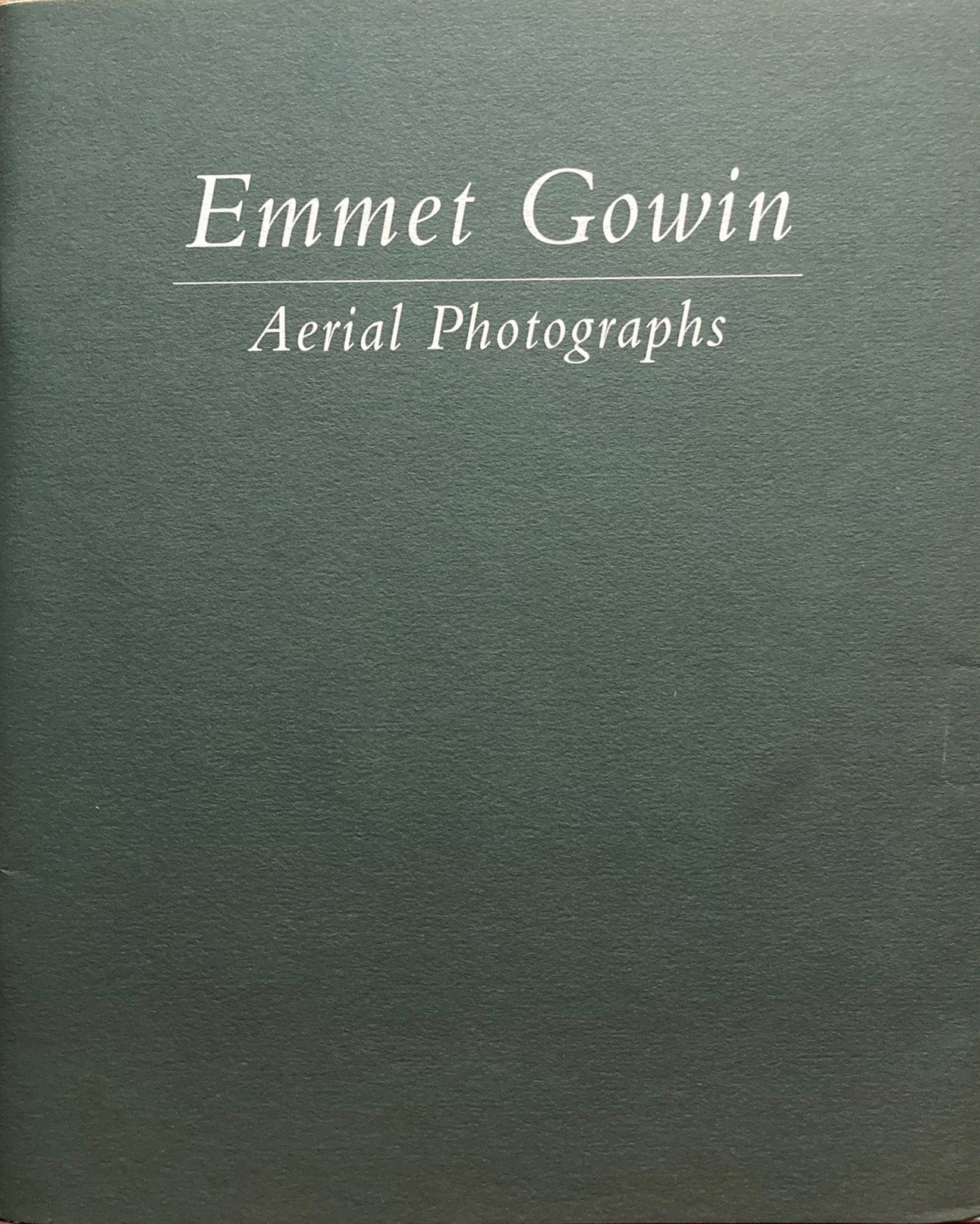
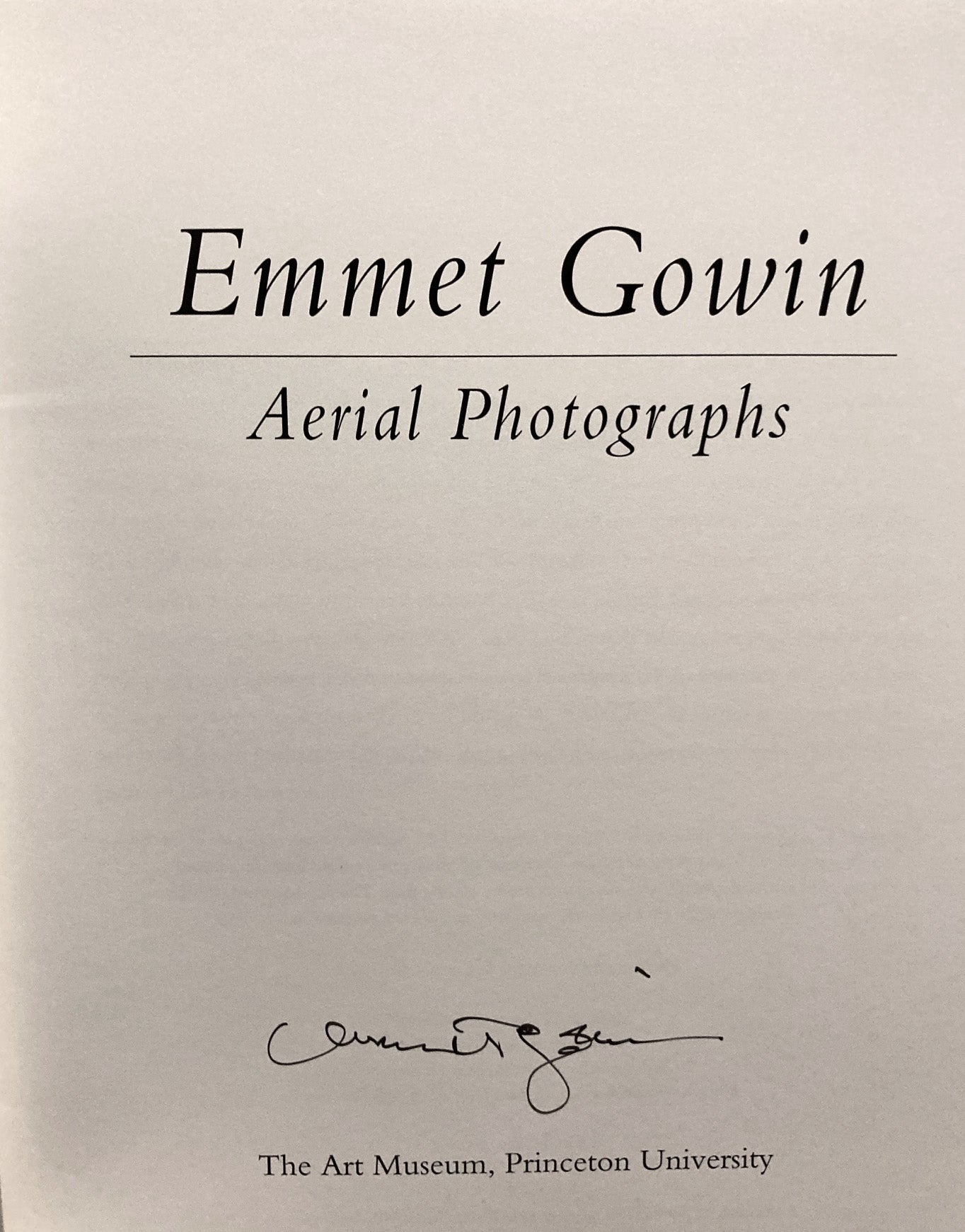
Gowin, Emmet. Emmet Gowin: Aerial Photographs. Princeton University Art Museum, February 3-March 22, 1998.
Gowin, Emmet. Emmet Gowin: Aerial Photographs. Princeton University Art Museum, February 3-March 22, 1998.
受取状況を読み込めませんでした
Princeton University, 1998. French wraps, 36 pages, like new. SIGNED by Gowin. One of the scarcer Gowin publications, especially signed. Summary:
Published by the Princeton University Art Museum in conjunction with a 1998 exhibition, Emmet Gowin: Aerial Photographs serves as a profound meditation on the "scarred" landscape. While Gowin began his career with intimate family portraits, this body of work represents his pivot toward a "landscape of exposure"—using aerial perspectives to document the environmental impact of human industry.
Core Themes and Perspective
The collection focuses on the intersection of human intervention and natural topographies. Gowin utilized a high-altitude vantage point to transform literal environmental destruction into abstract, often hauntingly beautiful compositions.
-
The "Terrible Beauty": Gowin explores the tension between the aesthetic elegance of his photographs and the devastating reality of the subjects: open-pit mines, nuclear test sites, missile silos, and industrial pivot irrigation.
-
Scale and Abstraction: By removing the horizon line, Gowin flattens the landscape. This forces the viewer to confront textures and patterns that resemble biological cells or skin, bridging the gap between the "macro" of the earth and the "micro" of the human body.
Key Geographical Subjects
The 1998 exhibition and catalog specifically highlighted several "disturbed" sites across the American West and beyond:
-
Hanford Nuclear Reservation: Documentation of the chemical and radioactive legacy in Washington State.
-
Nevada Test Site: Craters formed by underground nuclear testing that resemble lunar landscapes.
-
Agriculture and Mining: Geometric scars left by center-pivot irrigation in Kansas and the massive earth-moving operations of copper mines in Arizona.
Technical and Artistic Approach
-
The Toned Print: Gowin is renowned for his mastery of the sepia-toned silver gelatin print. This warm, traditional tonal range provides a jarring contrast to the modern, industrial nature of the subjects, giving the images a timeless, archival quality.
-
The Circular Frame: Often using a lens designed for a larger camera on a smaller one, Gowin frequently leaves the circular image boundary visible. This acts as a "porthole," emphasizing the act of looking through a scientific or voyeuristic lens.
"I do not want to make a picture that is just a criticism... I want to make a picture that is a prayer, a poem, and a scream all at once." — Emmet Gowin
Summary of Impact
The Princeton exhibition solidified Gowin’s transition from a personal photographer to a global witness. The work remains a cornerstone of environmental photography, challenging viewers to find a moral and aesthetic balance when looking at the permanent marks humanity has left upon the Earth.
- Emmet Gowin is an influential American photographer and educator celebrated for his deeply intimate family portraits and pioneering aerial landscape photography. Born in Danville, Virginia, Gowin studied under Harry Callahan at the Rhode Island School of Design, where he developed an artistic vision that seamlessly blended personal intimacy with technical experimentation. For nearly four decades, he captured arresting black-and-white portraits of his wife, Edith, and their extended family, frequently using a circular-lens format that lent his domestic scenes a quiet, mysterious, and gothic intensity. Later in his career, Gowin transitioned to aerial photography, documenting environmental scars, military test sites, and volcanic devastation to explore human impact on the Earth. A dedicated mentor, he taught at Princeton University for thirty-six years and published several landmark monographs, including his self-titled debut Emmet Gowin: Photographs and Changing the Earth.
