Gary Saretzky Photo Books
Abstract Identities (Patti Ambrogi and Willie Middlebrook).
Abstract Identities (Patti Ambrogi and Willie Middlebrook).
受取状況を読み込めませんでした
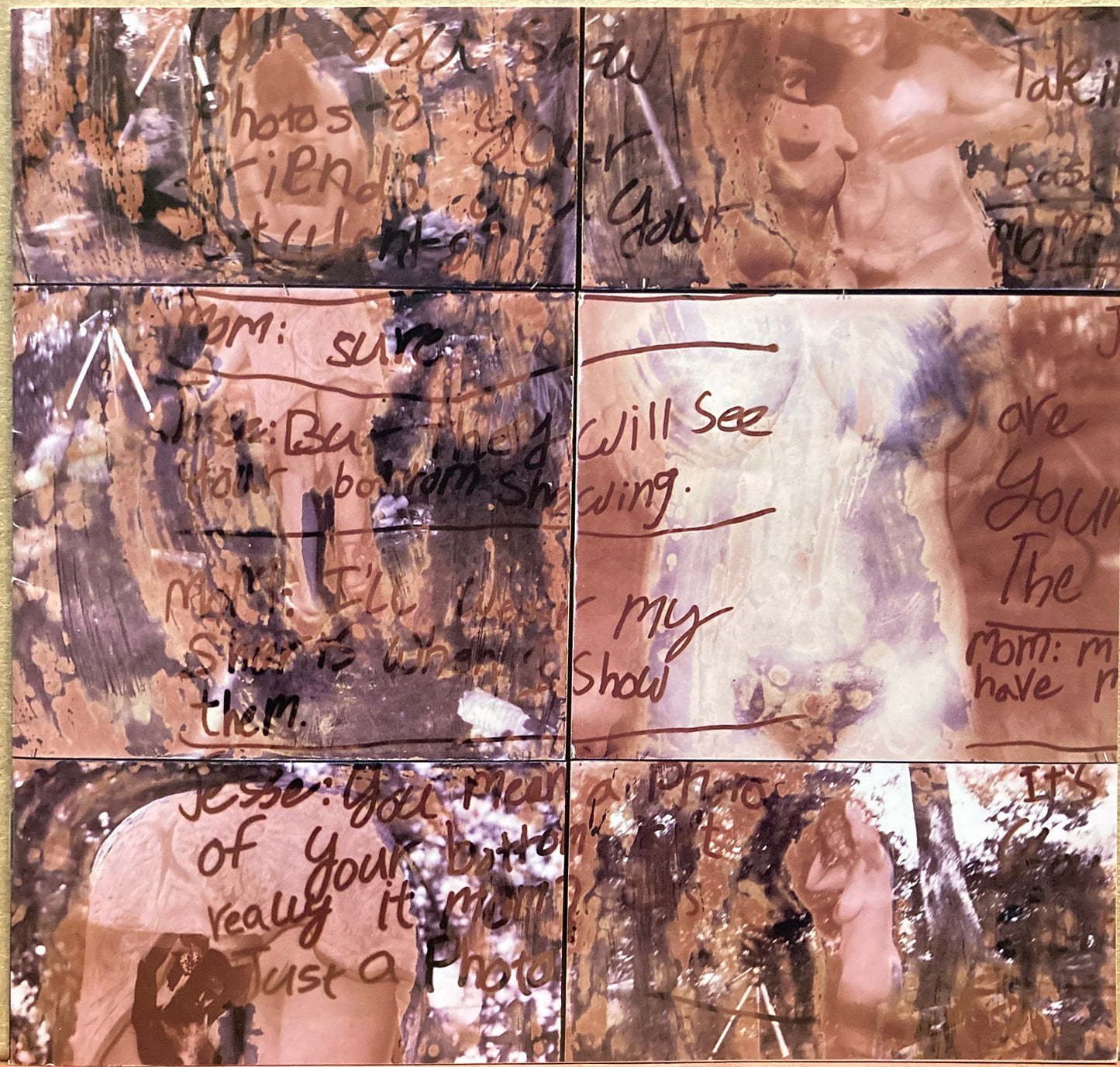
Catalog for exhibit, January 12 - March 15, 1993. Robert B. Menschel Photography Gallery No. 31. Syracuse University, Syracuse, N.Y., 1993. 20 pages, 14 illustrations (12 color). Essay by Amy Hufnagel. Includes selected works from Black photographer Middlebrook's series "Portraits of My People: Black Male Love Song." Fine. Summary:
Abstract Identities, published in 1993 by the Light Work/Robert B. Menschel Photography Gallery, is a significant exhibition catalog that pairs the work of Patti Ambrogi and Willie Middlebrook. The publication explores how photography can be used to dismantle and reconstruct notions of the "self" and "other," moving far beyond traditional portraiture into the realm of conceptual and social critique.
Core Concept: The Fragmented Self
The catalog’s title reflects the shared approach of both artists: using abstraction—not as a way to hide identity, but as a tool to examine its complexity. Both Ambrogi and Middlebrook reject the idea that a single, clear photograph can capture the "truth" of a human being.
-
Deconstructing Representation: The work challenges the historical role of the camera in "defining" people based on race, gender, or social status.
-
The Body as Canvas: In both bodies of work, the physical form is layered, distorted, or re-contextualized to evoke psychological and political depths.
The Artists
Patti Ambrogi
Ambrogi’s work in this period often focused on the intersection of the domestic sphere, gender, and the gaze.
-
Technique: She utilized layered imagery and text to critique how women are represented in art and media. Her work is often intimate yet clinical, examining the "identities" imposed upon women by society and family structures.
-
The Fragment: Instead of whole figures, she often presents fragments of the body or household objects, inviting the viewer to piece together a narrative that is intentionally elusive.
Willie Middlebrook
Middlebrook, a seminal figure in the Los Angeles photography scene, is represented by his powerful "Portraits of My People" series.
-
The "Middlebrook Process": He was famous for a unique, highly tactile aesthetic. He would often paint or draw directly onto large-format negatives or prints, creating a weathered, visceral texture.
-
Identity and Resilience: His work is a profound celebration and interrogation of Black identity. By abstracting the faces of his subjects through thick textures and dark tones, he emphasizes a spiritual and communal strength that transcends mere physical likeness.
Visual Style and Themes
-
Layering and Transparency: Both artists use visual layering to suggest that identity is multi-faceted and "opaque."
-
Tactility: The catalog highlights a move away from the "precious" silver print toward a more aggressive, experimental surface. The images feel "worked" by hand, emphasizing the artist's personal intervention in the mechanical process.
Significance
Abstract Identities is a quintessential document of the early 1990s identity politics movement in the arts. By bringing together a white female artist (Ambrogi) and a Black male artist (Middlebrook), the Robert B. Menschel Gallery created a cross-cultural dialogue on how the "abstract" can be used as a radical form of truth-telling.
The catalog remains a vital resource for those studying the history of Light Work and the evolution of experimental documentary photography that seeks to empower the subject rather than merely "capture" them.
"Identity is not a fixed point, but a series of layers to be peeled back or built upon." — Core theme of the exhibition.