Gary Saretzky Photo Books
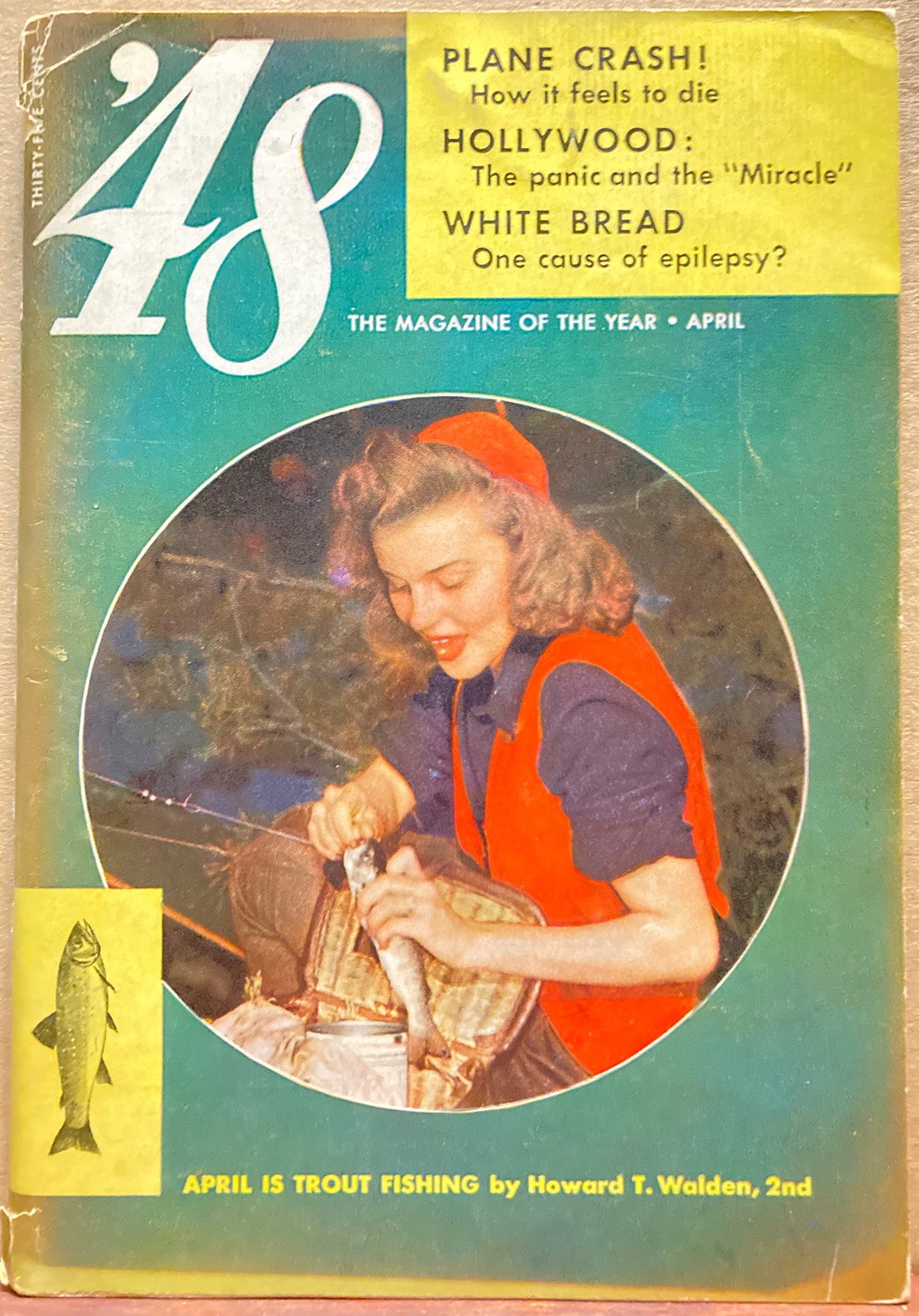
Bristol, Horace. ‘48 The Magazine of the Year. April 1948. Vol. 2, No. 4. Includes photographs of Korea by Horace Bristol.
Bristol, Horace. ‘48 The Magazine of the Year. April 1948. Vol. 2, No. 4. Includes photographs of Korea by Horace Bristol.
受取状況を読み込めませんでした
Includes article, "Korea: The Country Nobody Knows," pages 42-56, with photos by Horace Bristol, text by Robert P. Martin. Entire issue, 148 pages. Very good condition except staple bound cover detached.
'48 The Magazine of the Year (April 1948, Vol. 2, No. 4) is a 148-page general-interest reader-owned monthly periodical published shortly after World War II.
Issue Overview & Highlights
-
Featured Article: Includes the photo-essay "Korea: The Country Nobody Knows", featuring written commentary by foreign correspondent Robert P. Martin and photographic reporting by Horace Bristol.
-
Visual Focus: Displays Bristol's black-and-white photojournalism documenting daily life, local traditions, social conditions, and the political landscape of Korea under postwar allied occupation shortly before the Korean War.
-
Publication Context: Represents the short-lived cooperative magazine enterprise (evolving from '47) where writers, artists, and photographers jointly owned the publishing company.
Horace Bristol (1908–1997) was an American photojournalist known for his candid social documentation and wartime photography. Born in California, he studied at the Art Center in Los Angeles and worked alongside Group f/64 members in San Francisco during the 1930s. In 1937, he became a founding staff photographer for Life magazine, and later that decade he traveled with writer John Steinbeck through California's Central Valley, creating a famous series of photographs of migrant farm workers that helped inspire The Grapes of Wrath. During World War II, Bristol served under Edward Steichen in the U.S. Navy's Aviation Photographic Unit, documenting military campaigns in the Pacific. Following the war, he worked extensively in Japan and Southeast Asia before putting away his camera for nearly thirty years, only for his archive to be rediscovered and celebrated in exhibitions and publications late in his life.