Gary Saretzky Photo Books
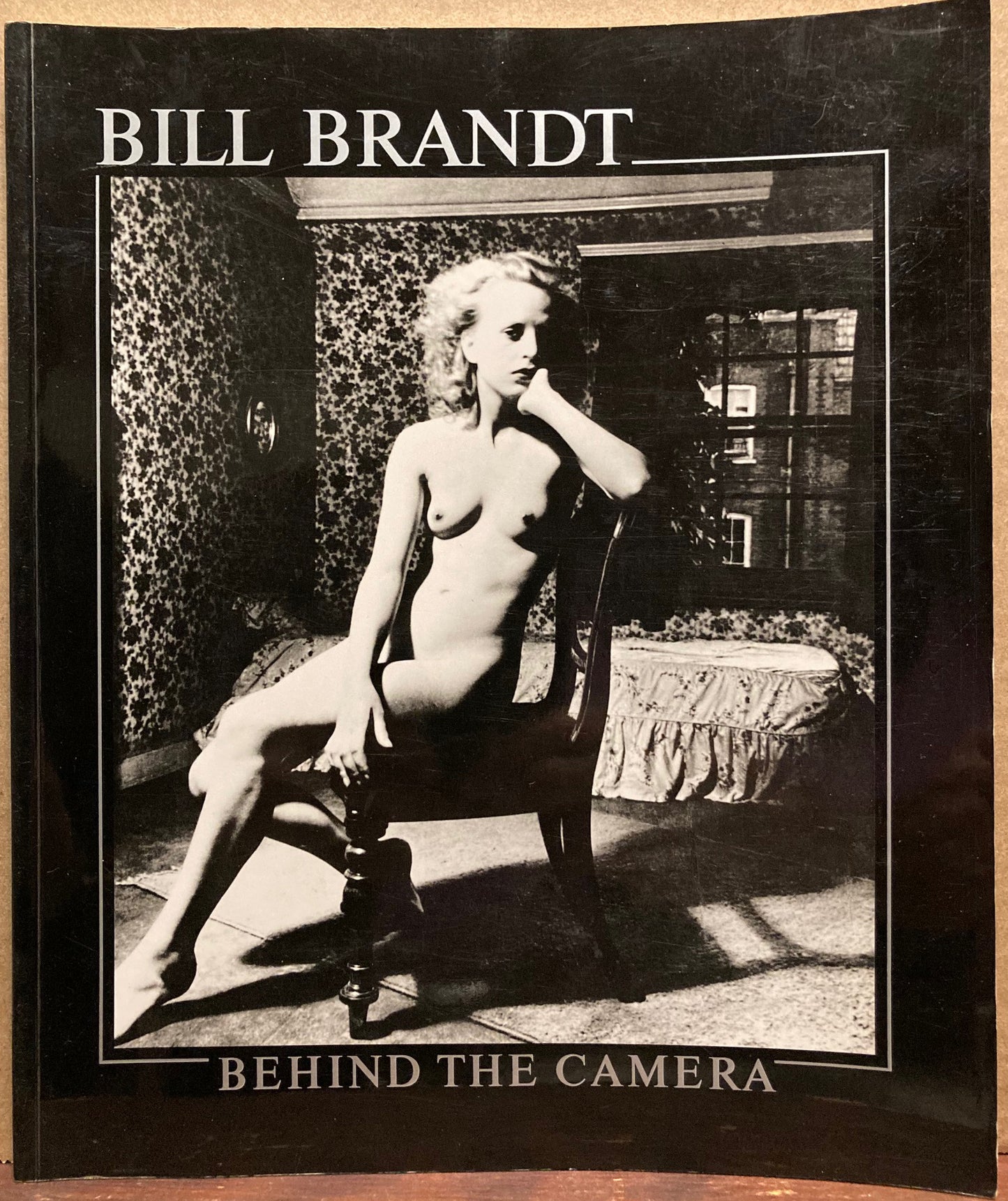
Brandt, Bill. Bill Brandt: Behind the Camera.
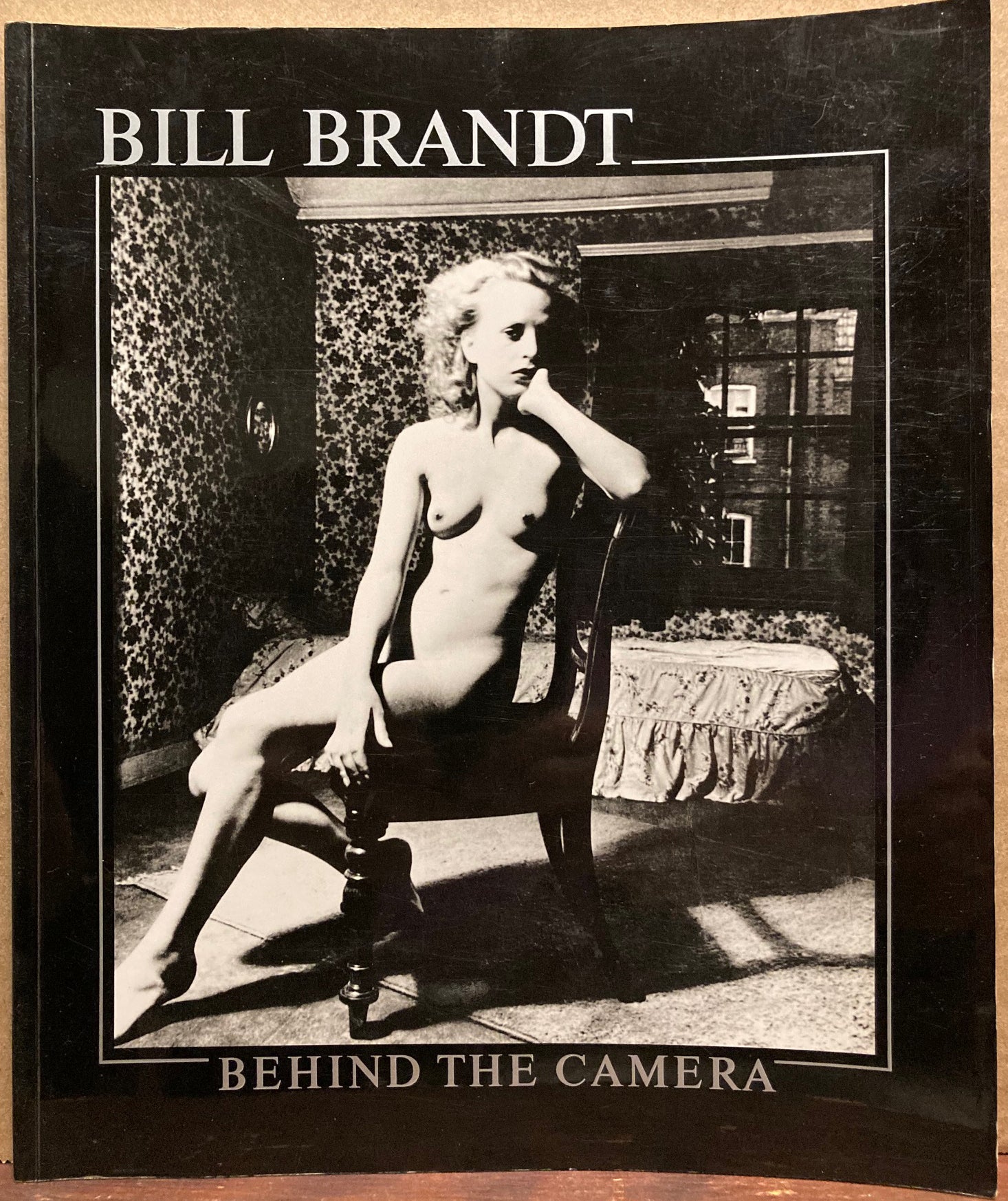
Brandt, Bill. Bill Brandt: Behind the Camera.
受取状況を読み込めませんでした
Aperture, 1985. By David Mellor and Mark Haworth-Booth. Similar to Aperture No. 99, with different rear cover and blank page facing rear cover, where there is a Marlboro Gallery ad in #99. Issued in conjunction with exhibit at Philadelphia Museum of Art. Near fine, tiny chip on bottom corner of rear cover. Summary:
Bill Brandt: Behind the Camera is a monograph and retrospective published by Aperture in conjunction with an exhibition presented at the Philadelphia Museum of Art.
Overview & Highlights
-
Literary & Critical Essays: Includes an introduction by photography historian Mark Haworth-Booth and an extensive critical essay by David Mellor, contextualizing Brandt's technical evolution and visual influences.
-
Chronological Structure: Traces Brandt's career chronologically across major thematic bodies of work, moving from his early Surrealist-influenced apprenticeship in Paris with Man Ray to his social documentary studies in 1930s Britain.
-
Visual Scope: Features duotone reproductions highlighting his wartime imagery of the Blitz, northern industrial landscapes, literary portraits, and iconic distorted wide-angle female nudes.
Bill Brandt (1904–1983) was a British photographer celebrated as one of the most influential figures in 20th-century photography. Born in Hamburg, Germany, to an Anglo-German family, he studied photography in Vienna and briefly worked in Man Ray's Paris studio during the late 1920s, absorbing Surrealist influences before settling in England in the 1930s. Brandt established his career by documenting the English social spectrum, publishing landmark books such as The English at Home (1936) and A Night in London (1938), alongside photojournalism for major magazines like Lilliput and Picture Post. During World War II, he captured iconic images of blacked-out London streets and underground air-raid shelters. In the post-war period, Brandt pivoted toward expressionistic landscape studies, literary portraits, and a famous series of starkly distorted female nudes taken with extreme wide-angle lenses, solidifying a legacy defined by atmospheric depth, high contrast, and surrealist vision.