Gary Saretzky Photo Books
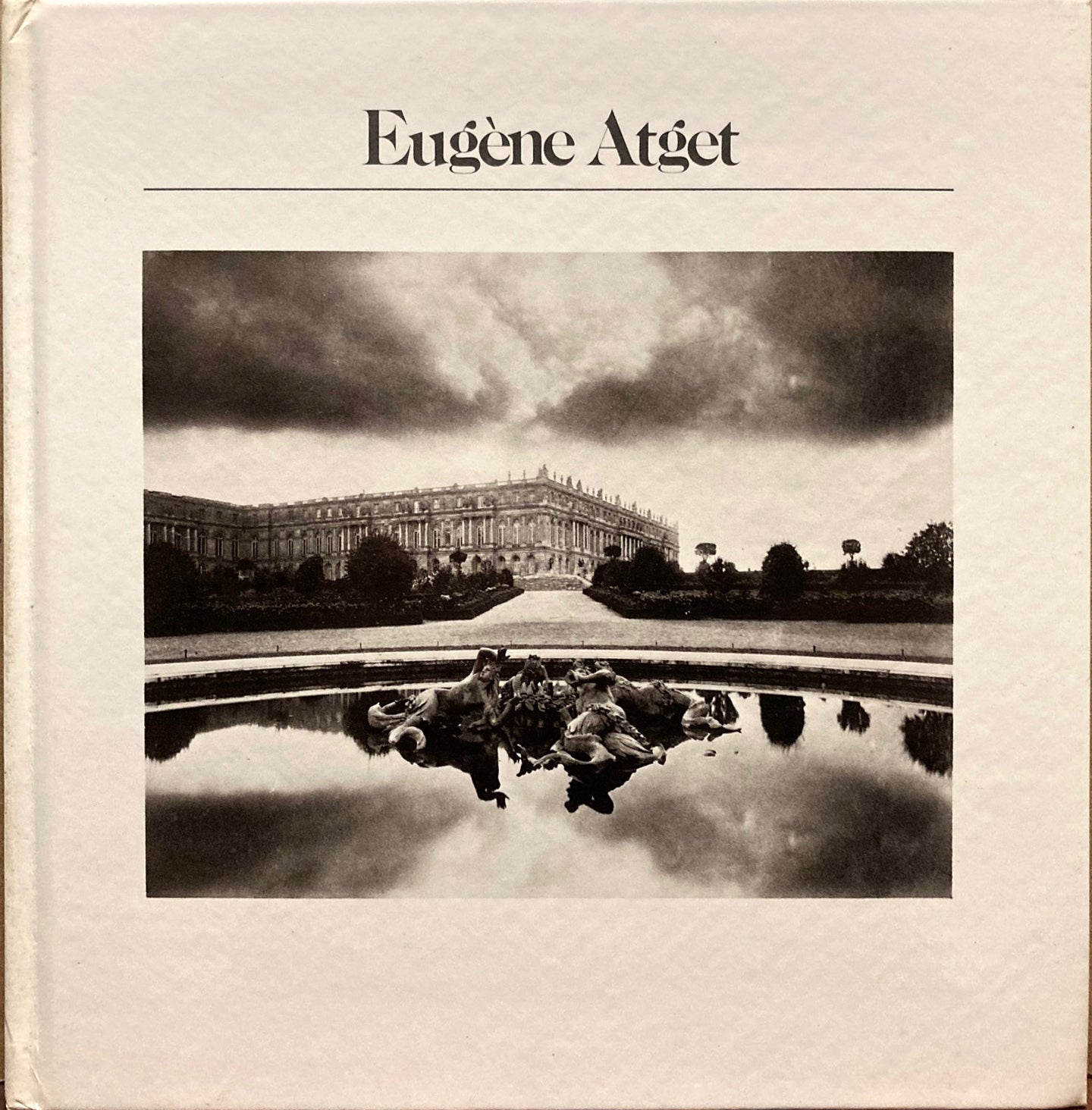
Atget. Eugene Atget. Aperture History of Photography Series Number 14.
Atget. Eugene Atget. Aperture History of Photography Series Number 14.
受取状況を読み込めませんでした
Aperture, 1980. Text by Ben Lifson. Illustrated boards, not issued with dust jacket. Fine, like new. Summary:
ugene Atget (1980), published as Number 14 in the Aperture History of Photography Series, is a compact monograph celebrating the work of the legendary French documentary photographer.
Overview & Highlights
-
Critical Context: Features an introductory essay by photographer and critic Ben Lifson, offering insight into Atget's systematic methodology and his artistic impact on modern photography.
-
Visual Selection: Includes a curated selection of 42 high-quality monochrome plates capturing Atget's signature views of Old Paris—ranging from quiet courtyards and architectural details to storefront displays and deserted streetscapes.
-
Reference Material: Includes a detailed photographic checklist, an artist chronology, and a selected bibliography, serving as an accessible reference to Atget's vast visual archive.
Eugène Atget (1857–1927) was a pioneering French photographer celebrated as a founding figure of urban documentary and street photography for his obsessive, decades-long project to record the changing face of historic Paris. Born in Libourne, Atget spent his early adulthood working as a merchant mariner, an itinerant actor, and a painter before discovering photography in his late thirties. Beginning in the late 1890s, he methodically traversed the French capital carrying a heavy, large-format wooden camera, creating a vast archive of over 10,000 prints—which he termed simple "documents"—that captured disappearing architecture, quiet courtyards, shopfront displays, empty parks, and street vendors before Baron Haussmann's modernization fully transformed the city. He operated in relative obscurity during his lifetime, making a modest living selling reference prints to artists, stage designers, and municipal archives. However, in his final years, his quietly poetic and hauntingly deserted compositions caught the attention of avant-garde Surrealists like Man Ray and Berenice Abbott. Following Atget's death in 1927, Abbott championed his work internationally, securing his legacy as a master of modern visual narrative and an essential transitional figure between 19th-century photographic documentation and 20th-century modernist art.
Note: Jean-Eugène-Auguste Atget was born on February 12, 1857, in Libourne, France. An orphan at age seven, he was raised by his maternal grandparents in Bordeaux and as a young man joined the merchant navy, after which he became an actor. When an infection damaged his vocal chords in 1887, he became a professional photographer in Paris, documenting the exterior and interior of old buildings, most of which are now long gone, using a large camera with gelatin glass plate negatives that he continued to use after most other photographers switched to film. He also made occupational portraits and views of streets, storefronts, and parks. The sign on his door read, “Documents pour artistes” (documents for artists). During his career, Atget sold thousands of photographs to Parisian institutions and individuals. In 1925, Berenice Abbott (1898-1901) met Atget and after his death in 1927 acquired a portion of his archives. She printed some of his negatives and actively promoted his work for decades; her project documenting New York in the 1930s was inspired by him. In 1968, Abbott sold her Atget collection to the Museum of Modern Art, which obtained 1,415 glass negatives and nearly 8,000 vintage prints from more than 4,000 different negatives.