Gary Saretzky Photo Books
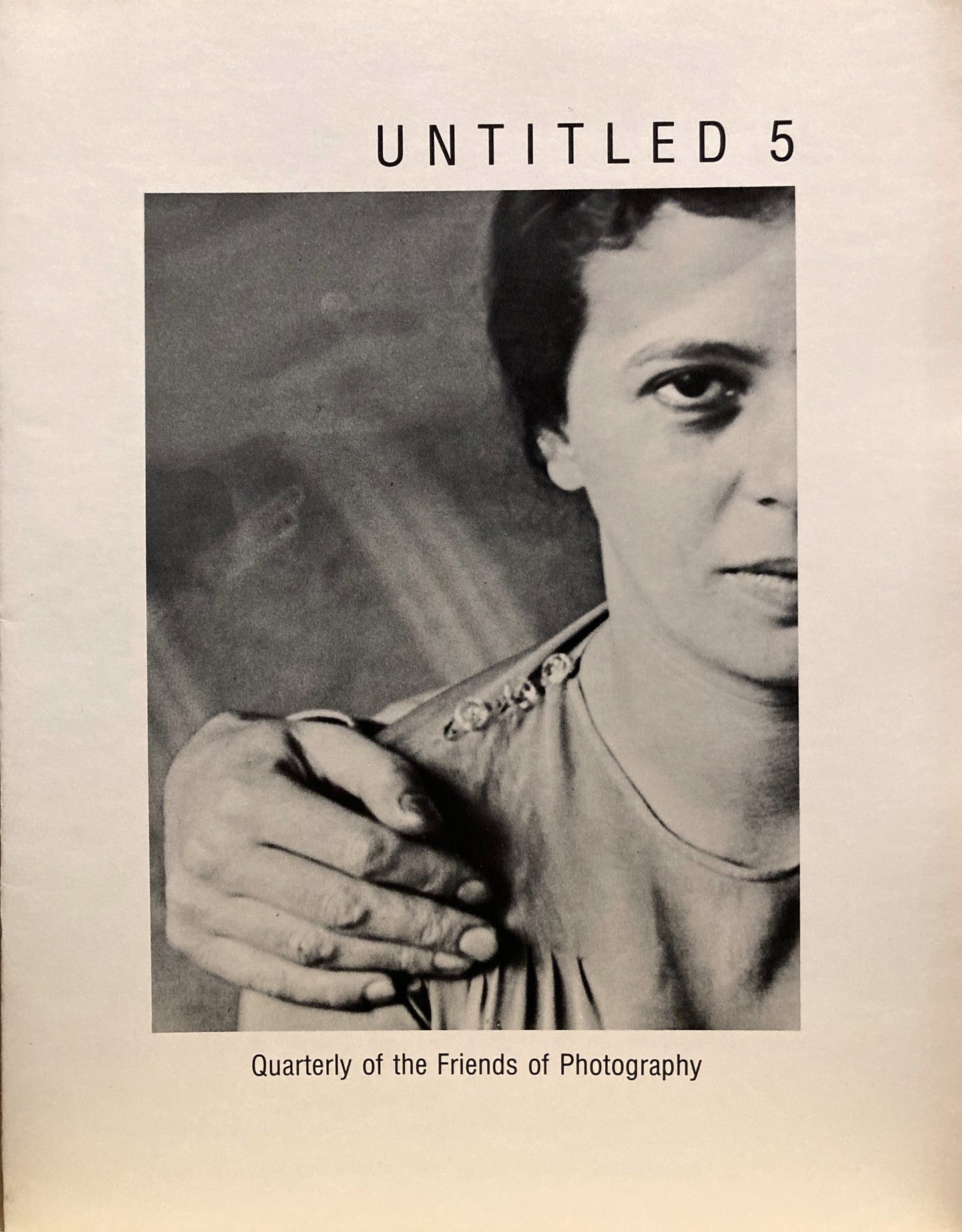
Untitled 5. Four Exhibitions: Andre Kertesz, Robert Rauschenberg, Robert Heinecken, Wynn Bullock.
Untitled 5. Four Exhibitions: Andre Kertesz, Robert Rauschenberg, Robert Heinecken, Wynn Bullock.
受取状況を読み込めませんでした
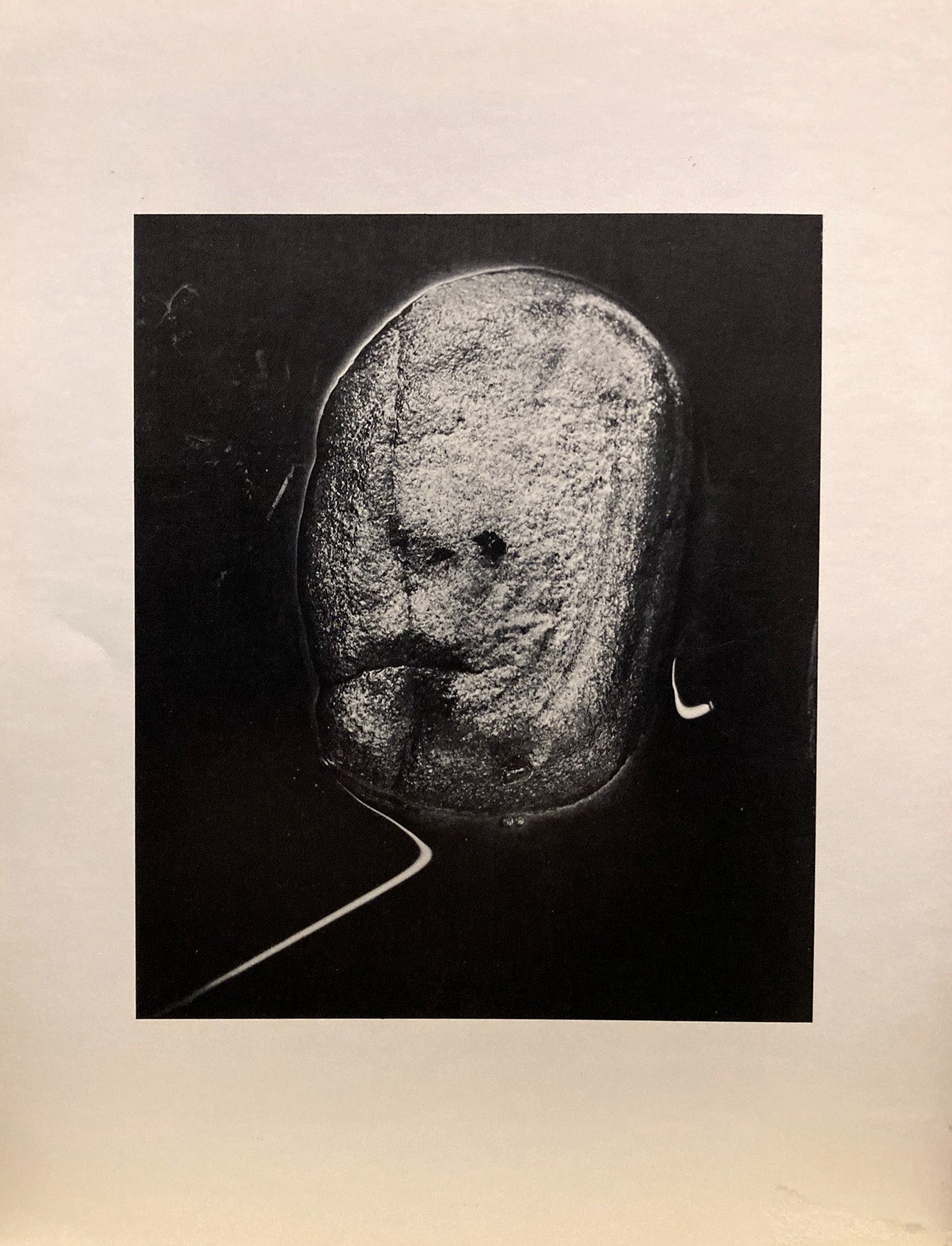
Friends of Photography, 1973. An early number of this collectible series for which 58 were issued, 1972-1998. Wraps, staple bound, 21 illustrations, including covers. Near fine with small scuff rear cover. Another copy, fine. Summary:
Untitled 5: Four Exhibitions (1973), published by The Friends of Photography in Carmel, California, is a highly significant 48-page monograph that captures a watershed moment in 20th-century photo history. The publication serves as the official catalog for a major curatorial project that brought together four distinct, master-class solo exhibitions.
By juxtaposing these specific four artists under one cover, the volume creates a radical, cross-generational dialogue that charts the entire evolution of the medium—from classical European humanism to aggressive American postmodernism and mixed-media abstraction.
The Four Visual Philosophies
The catalog allocates dedicated portfolios of high-fidelity black-and-white plates to each featured artist, demonstrating four entirely unique ways of commanding the camera:
1. André Kertész: The Master of Intuitive Realism
Representing the foundation of modern European photography, Kertész's section showcases his uncanny ability to find whimsical, geometric, and deeply poetic moments in ordinary daily life. His plates highlight his masterful command over shadows, spontaneous street-level choreography, and the lyrical, candid humanism that defined the early 20th-century miniature camera revolution.
2. Robert Rauschenberg: The Printmaker and Image-Collagist
Representing a monumental bridge into pop art and institutional critique, Rauschenberg’s inclusion defied the traditional "purist" photography canon of the era. His portfolio displays his revolutionary photographic combines and silkscreen transfers, showing how he appropriated existing media imagery, newspaper clippings, and raw snapshots, layering them together to critique consumer culture and the chaos of modern American life.
3. Robert Heinecken: The Photographic Guerrilla
Positioned at the absolute vanguard of 1970s alternative process and conceptual art, Heinecken famously referred to himself as a "photographer without a camera." His section highlights his provocative, highly political photomontages and altered magazine advertisements. By physically manipulating existing commercial prints and overlaying contrasting negatives (often blending war imagery with commercial pornography), Heinecken used the catalog to interrogate media manipulation, violence, and sex.
4. Wynn Bullock: The Mystic of the Natural World
Representing the spiritual and formalist traditions of West Coast landscape photography, Bullock’s portfolio acts as a serene counterweight to the chaotic imagery of Rauschenberg and Heinecken. His plates display his hyper-sharp, long-exposure documentations of the California wilderness, sea, and forest floor. His work explores the deep, philosophical relationship between time, space, and light, treating nature as a vehicle for universal metaphysical truths.
Significance
Untitled 5 remains a highly sought-after collector's item and historical benchmark. In 1973, the fine-art photography world was deeply divided between "straight" purists (who believed a photograph should be unmanipulated) and "experimentalists" (who embraced mixed media). By placing Kertész and Bullock side-by-side with Rauschenberg and Heinecken, The Friends of Photography successfully argued that all four approaches were equally valid, foundational pillars of contemporary art.