Gary Saretzky Photo Books
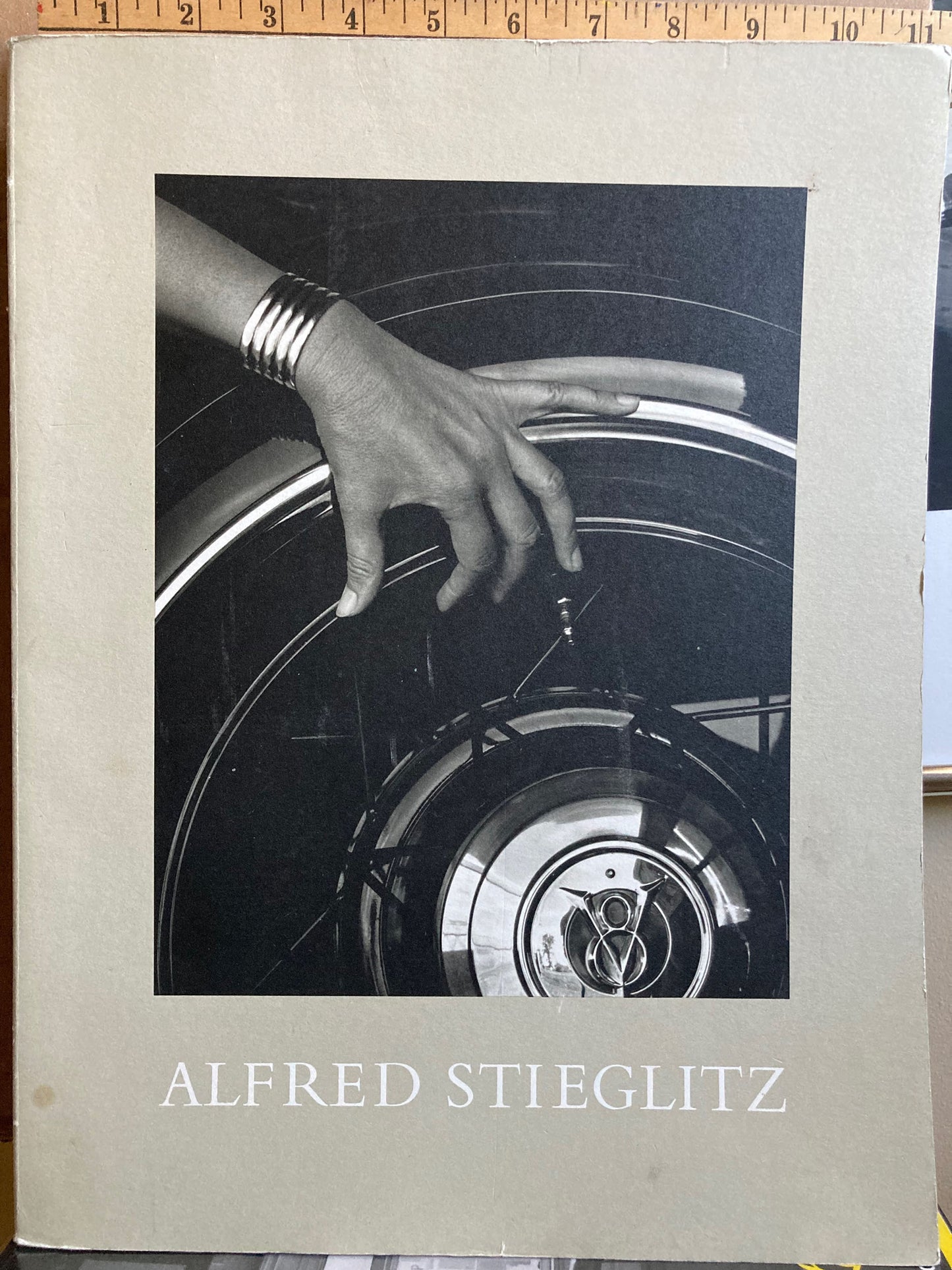
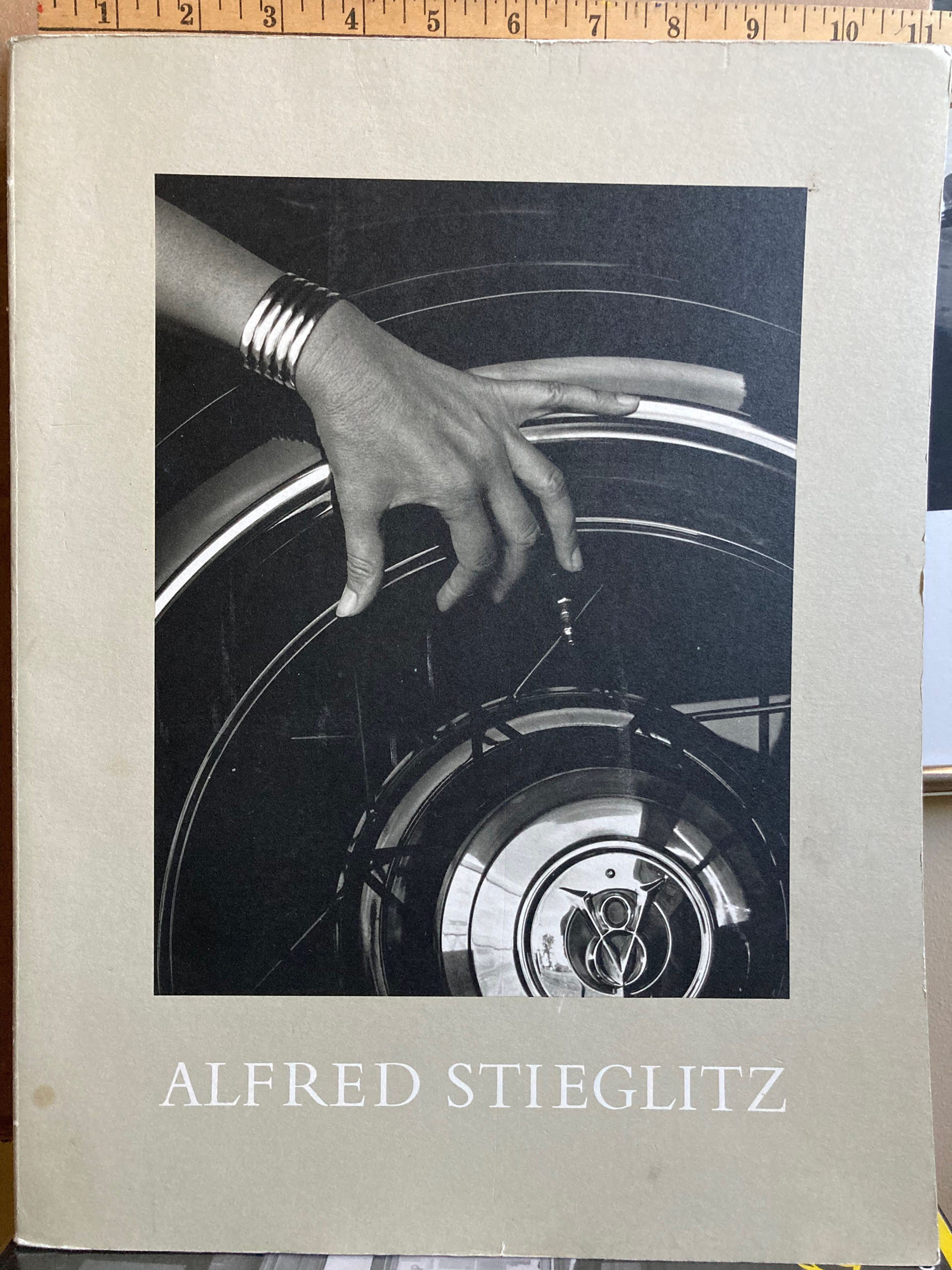
Stieglitz, Alfred. Alfred Stieglitz: Photographs and Writings by Sarah Greenough.
Stieglitz, Alfred. Alfred Stieglitz: Photographs and Writings by Sarah Greenough.
受取状況を読み込めませんでした
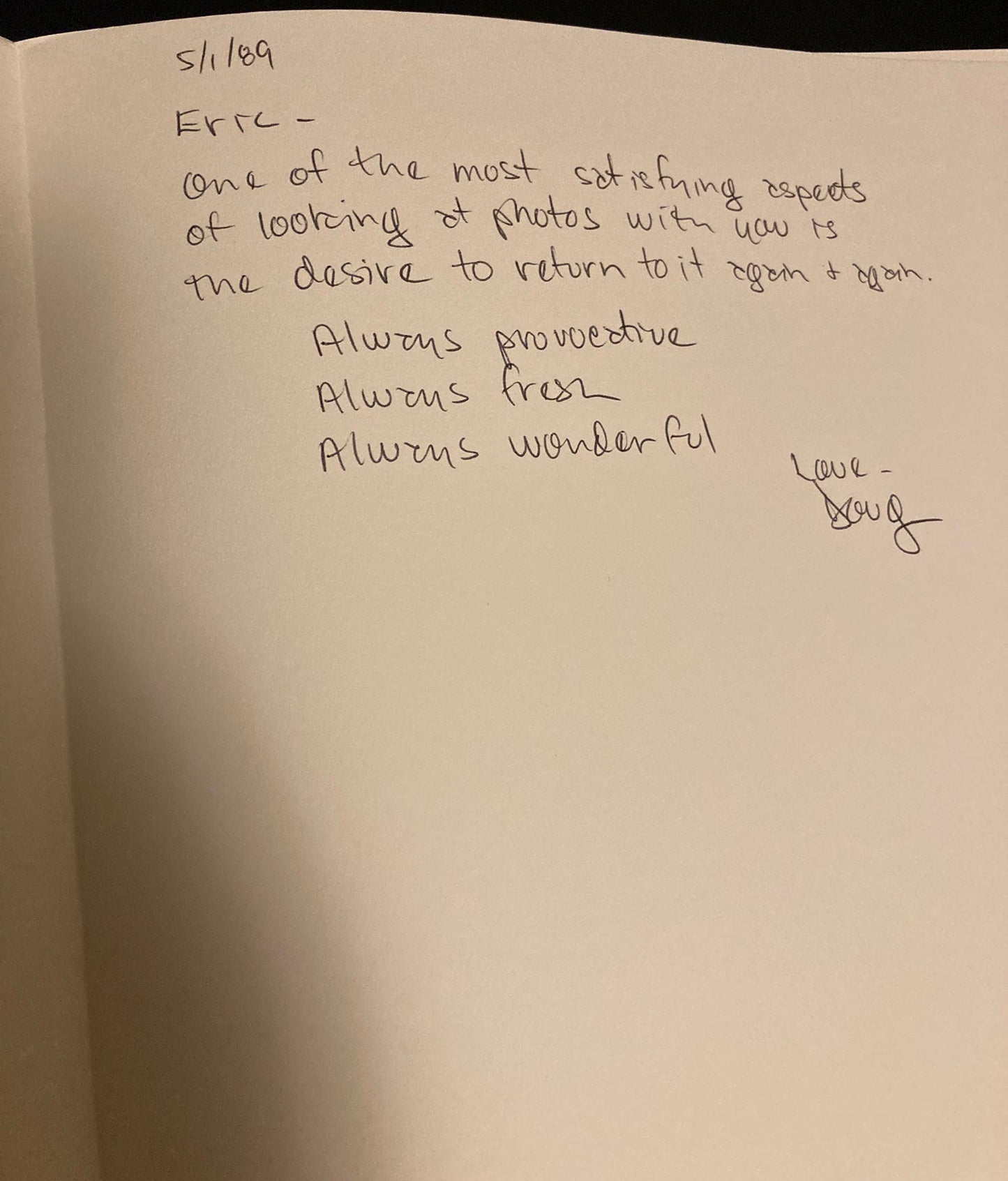
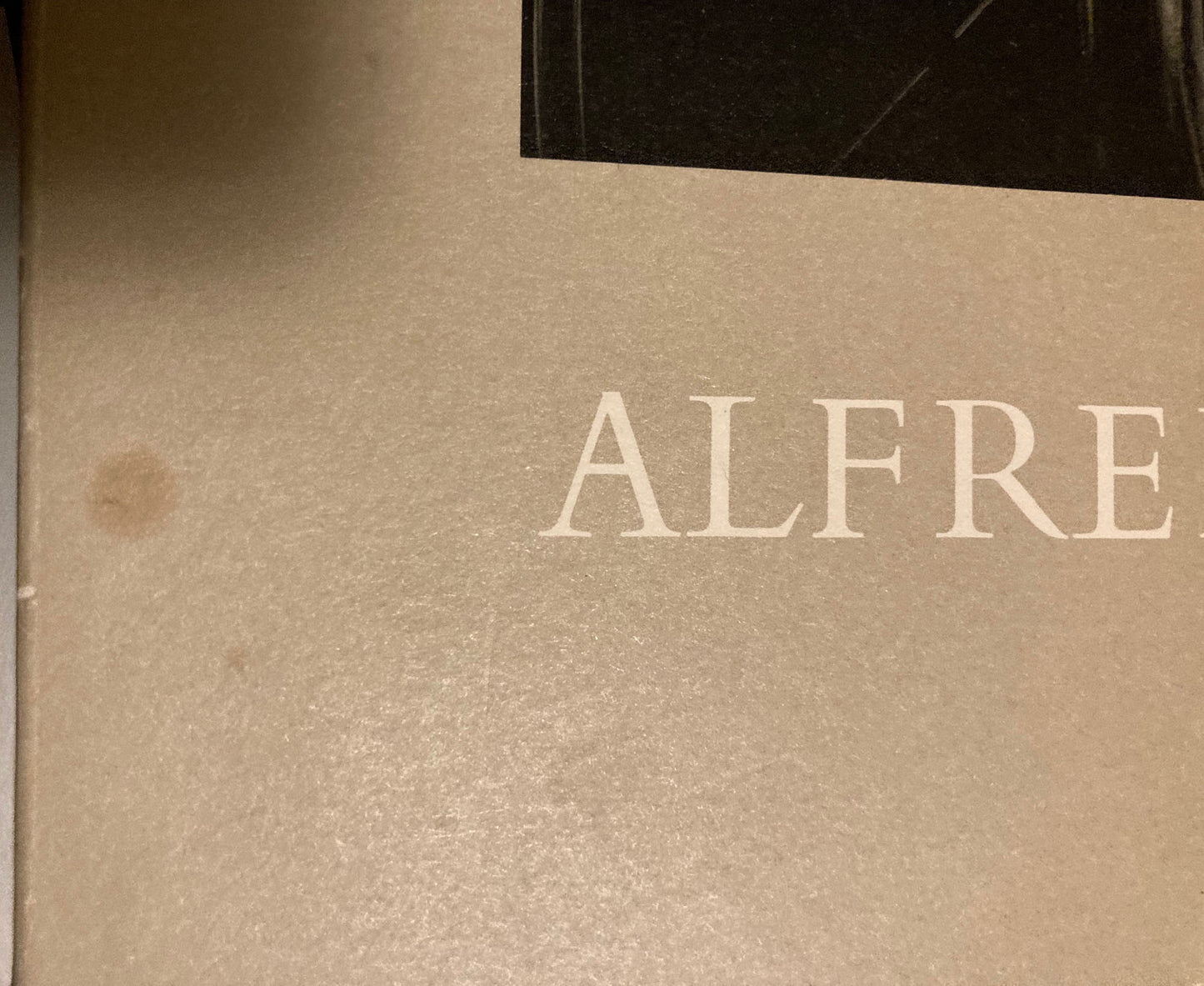
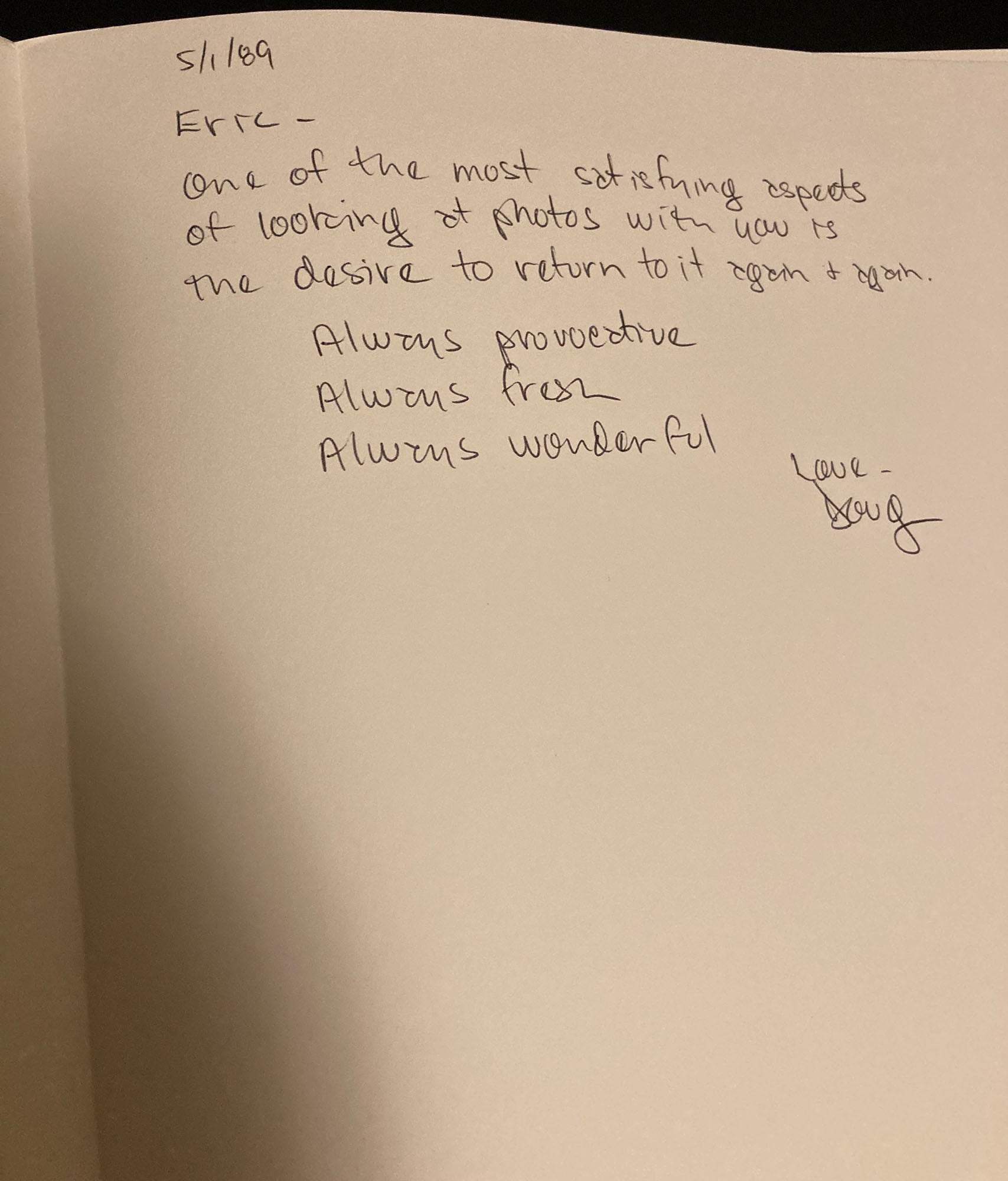
National Gallery of Art/Callaway, 1983. Accompanied the exhibition of the same name, held at the National Gallery of Art, Washington, and the Metropolitan Museum of Art, New York, in 1983. Oversized book with excellent reproductions on heavy weight paper. Beige pictorial wraps, 246 pp., 73 duotone photos. Photos include images of New York, Georgia O'Keefe, nudes, portraits of artists, Equivalents (clouds), landscapes, early work in Europe, etc. Stated First Edition, 1st printing (no later printings indicated). Gift inscription on first blank page, small brown stain on cover, a bit of edge wear, interior fine, overall very good. Summary:
Alfred Stieglitz: Photographs and Writings (originally published in 1983 by the National Gallery of Art and Callaway Editions) is a monumental scholarly monograph and art book that provides an exhaustive, definitive look at the twin legacies of America’s premier modernist photography pioneer. Co-authored and edited by Sarah Greenough—the National Gallery's preeminent curator of photographs—alongside Juan Hamilton, this award-winning volume represents a milestone in art-historical publishing.
Key Elements of the Work
-
The "Key Set" Foundation: The book’s visual core draws directly from the National Gallery of Art's ultimate "Key Set"—the collection of Stieglitz’s finest, self-selected master prints donated by his widow, Georgia O'Keeffe. It reproduces 73 exquisite, full-page plates using advanced tritone printing techniques to replicate the precise tonalities, paper textures, and rich chemical depths of Stieglitz’s original platinum, palladium, and gelatin silver prints.
-
The Chronological Retrospective: The plates trace his complete creative evolution. The visual narrative spans from his early 1880s European student work and 1890s New York street scenes (such as The Steerage), to his intimate, multi-decade composite portrait of Georgia O'Keeffe, his abstract cloud Equivalents, and his late-career views of the changing Manhattan skyline.
-
The Written Legacy: A vital component of the volume is Greenough's meticulous collection and annotation of Stieglitz's letters, essays, and manifestos. Many of these writings were published here for the first time, offering an unvarnished window into his theoretical battles against academic commercialism and his philosophies on "straight photography."
-
Scholarly Apparatus: Greenough provides a brilliant, comprehensive introductory essay and extensive notes on the text. The book includes detailed technical annotations for each plate, documenting the exact photographic mediums and negative dates, which set a new benchmark for photographic conservation scholarship.
Narrative Intent
The monograph functions as a definitive institutional canonization of Alfred Stieglitz as both an artist and a philosopher. By seamlessly marrying his physical master prints with his raw, written thoughts, Greenough demonstrates that Stieglitz's ultimate goal was never mere mechanical reproduction; rather, he sought to prove that the camera could be manipulated through pure technical virtuosity to serve as a direct, poetic instrument of the human soul.
Note: Alfred Stieglitz was born on January 1, 1864 in Hoboken, New Jersey, to parents who had emigrated from Germany. In 1881, his wealthy father sold his business and took the family for several years to Europe, where Stieglitz completed his education, including studies with famed photo chemist Hermann Vogel. By 1890, when he returned to New York, he was a highly proficient amateur photographer. Stieglitz became active in what became the Camera Club of New York, writing articles for magazines and winning prizes in competitions. In 1902, he started the Photo Secession, a group that included many of the leading photographers of the era, and began publishing its journal, Camera Work. Stieglitz went on to manage New York art galleries that featured both photography and other media. His second wife was the artist Georgia O’Keeffe. He died on July 13, 1946.