Gary Saretzky Photo Books
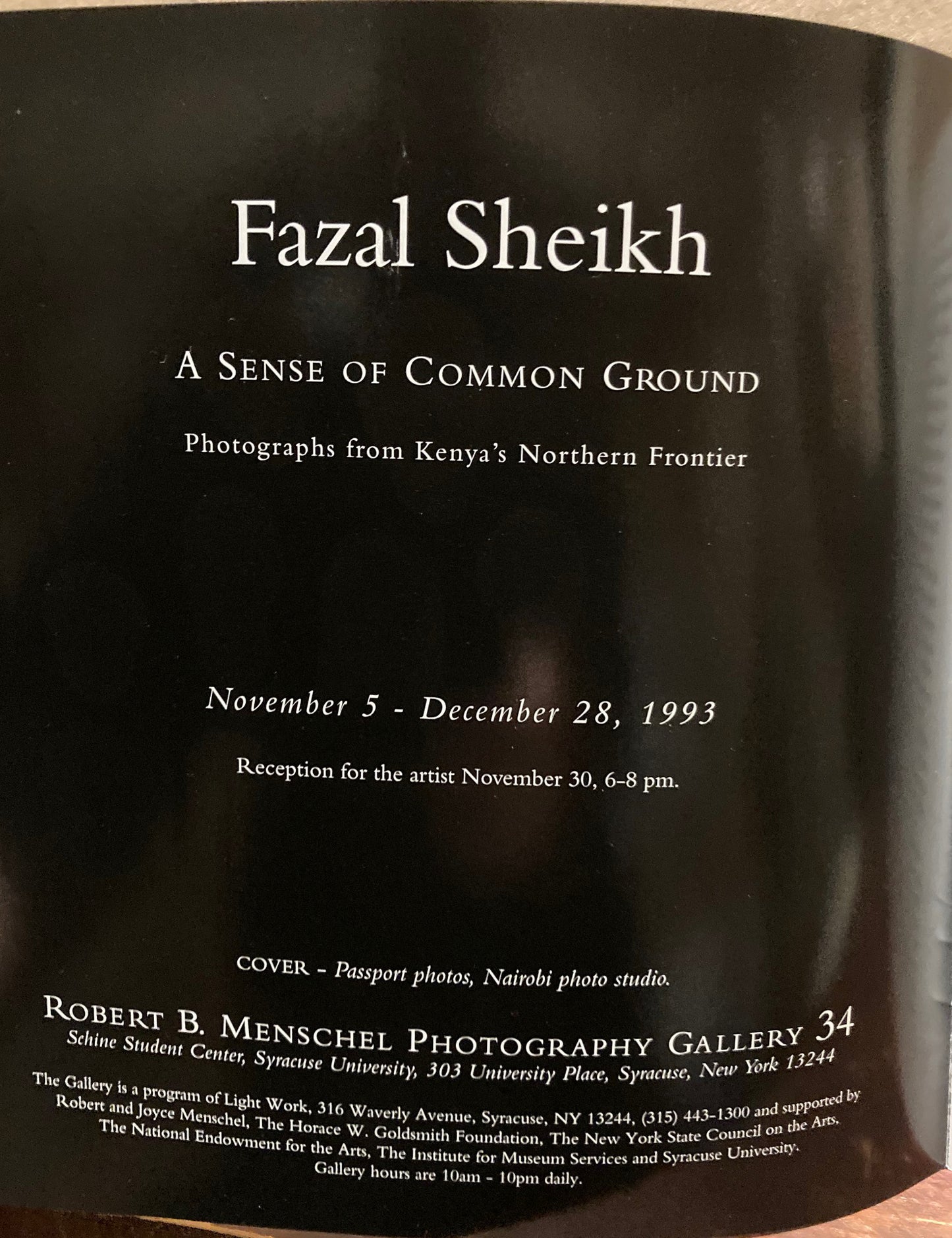
Sheikh, Fazal. Fazal Sheikh: A Sense of Common Ground. Photographs from Kenya's Northern Frontier.
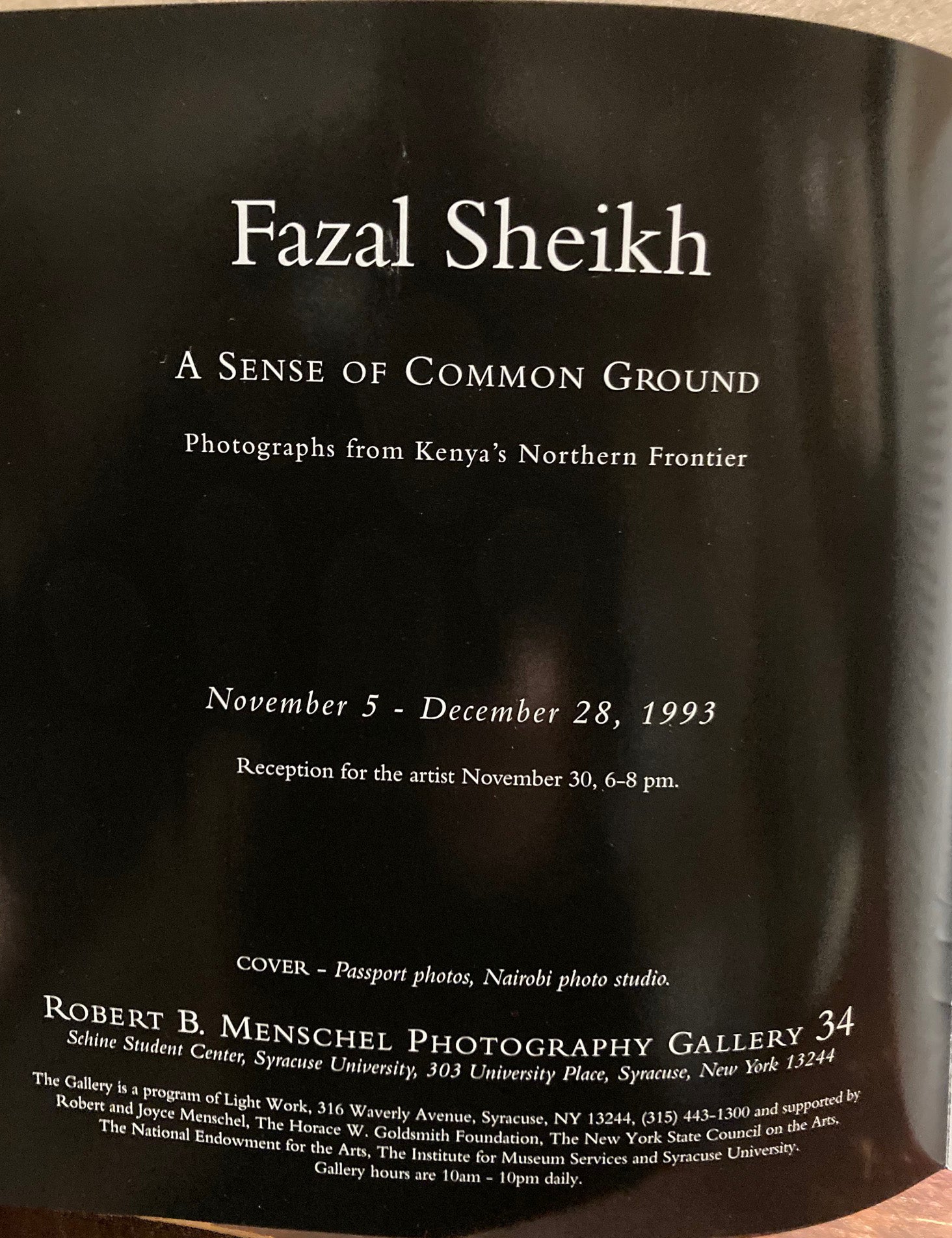
Sheikh, Fazal. Fazal Sheikh: A Sense of Common Ground. Photographs from Kenya's Northern Frontier.
受取状況を読み込めませんでした
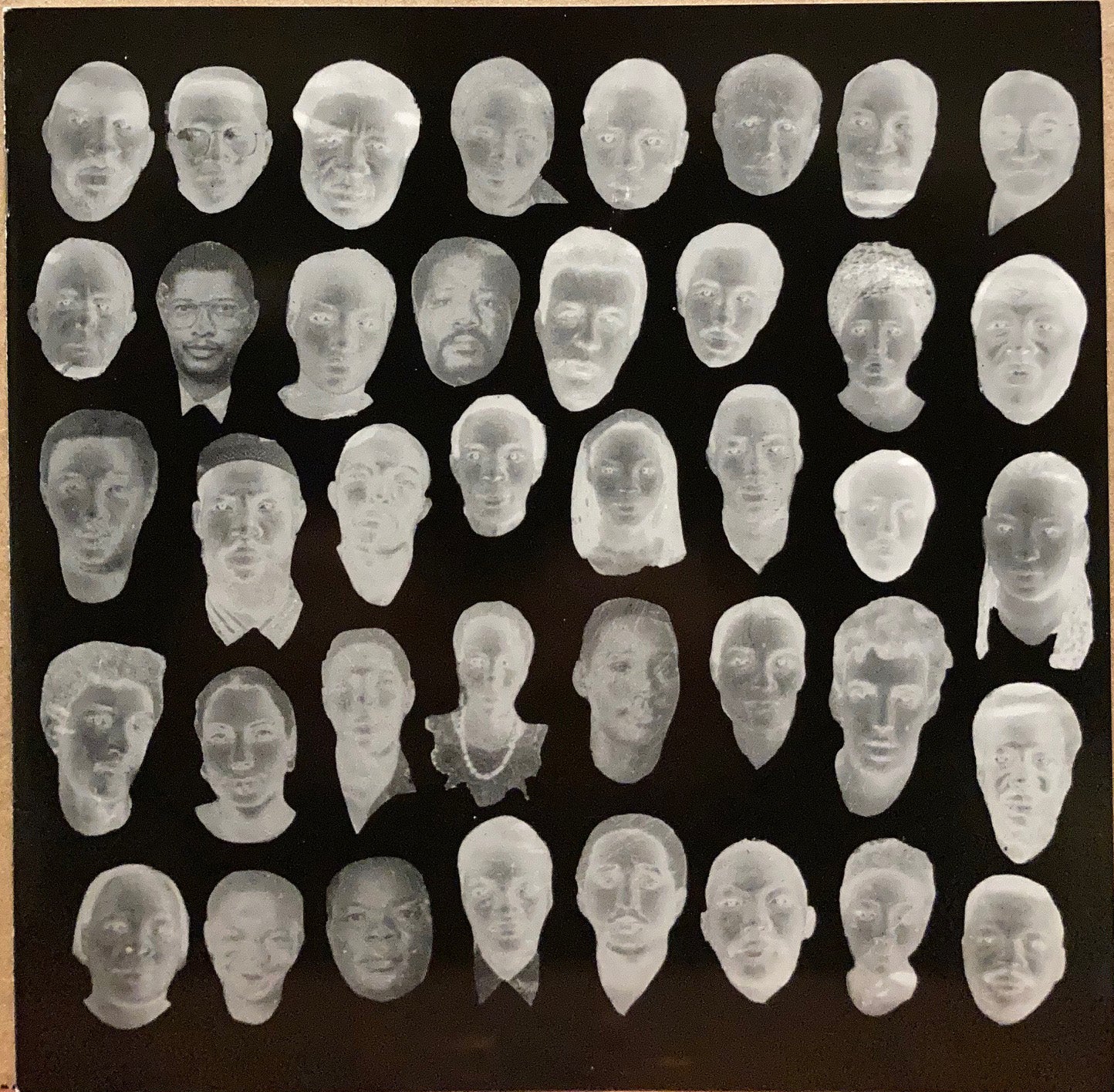
Exhibit, November 5 - December 28, 1993. Robert B. Menschel Photography Gallery No. 34, Syracuse University, 1993. Introduction by Jeffrey Hoone. [Born in New York City in 1965, Fazal Sheikh, a Princeton University graduate, is a MacArthur Fellow and Guggenheim Fellow who specializes in photographing marginalized and displaced communities. He has published more than a dozen books since 1996 (A Sense of Common Ground) and has had numerous exhibits in prestigious museums.] Exhibition catalog pertaining to Sheik's photographs in Kenya, Africa. Exhibition catalog, wraps, 20 pages including two foldout panoramas, very good with some small indentations on cover, otherwise fine.
Fazal Sheikh (born 1965) is an acclaimed American documentary photographer internationally recognized for his deeply empathetic, long-term portrait projects documenting displaced persons, refugees, and marginalized communities across East Africa, South Asia, and the Middle East. Born in New York City to an American mother and a Pakistani father, Sheikh earned a degree in art from Princeton University and subsequently pursued documentary fieldwork using traditional black-and-white photography to honor the individual humanity of his subjects rather than reducing them to statistics of crisis. His foundational monographs—such as The Victor Weeps (1998), focusing on Afghan refugees in Pakistan, A Sense of Common Ground (1996), examining Mozambican refugees in Kenya, and Moussa Sow (2009)—integrate oral histories, personal testimonies, and intimate portraits that prioritize collaboration and dignity between the photographer and the communities he depicts. A recipient of a MacArthur Fellowship, a Guggenheim Fellowship, and the prestigious Henri Cartier-Bresson International Award, Sheikh distributes his publications freely to humanitarian organizations, researchers, and affected populations, cementing his legacy as a powerful voice at the intersection of documentary photography and human rights advocacy.
A Sense of Common Ground (published by Scalo in 1996) is a landmark debut monograph by American photographer Fazal Sheikh. The book documents the lives of Sudanese, Ethiopian, Eritrean, and Somali refugees living in camps along Kenya’s northern frontier, providing a deeply humanizing look at individuals displaced by civil war, famine, and political upheaval.
Key Elements of the Monograph
-
A Rejection of Victimhood and Voyeurism: Sheikh consciously positions his work against standard, sensationalized disaster photojournalism. Rather than capturing subjects at a distance or in moments of extreme trauma, he engages in a collaborative process based on mutual trust, allowing his subjects to choose how they present themselves to the camera.
-
Intimate, Formal Portraiture: Shot using a medium-format camera and natural light, the black-and-white portraits are characterized by a quiet dignity and direct gaze. Sheikh frames his subjects with immense respect, emphasizing their individuality, resilience, and personal history rather than reducing them to anonymous statistics.
-
The Integration of Personal Narrative: The monograph elevates the images by weaving them together with text, including the names of the subjects, personal testimonies, family lineages, and traditional folk tales. This gives the displaced individuals an active voice, grounding their contemporary exile in a rich cultural past.
-
A Visual Map of Community: Beyond individual portraits, the book captures the subtle structures of community built within the camps—the makeshift dwellings, schools, religious practices, and the profound bonds between mothers and children.
Summary
A Sense of Common Ground is a masterclass in ethical documentary photography. It successfully bridges the gap between art and human rights activism, offering a profound, respectful testament to human endurance and a shared, universal connection that transcends geographical and political borders.