Gary Saretzky Photo Books
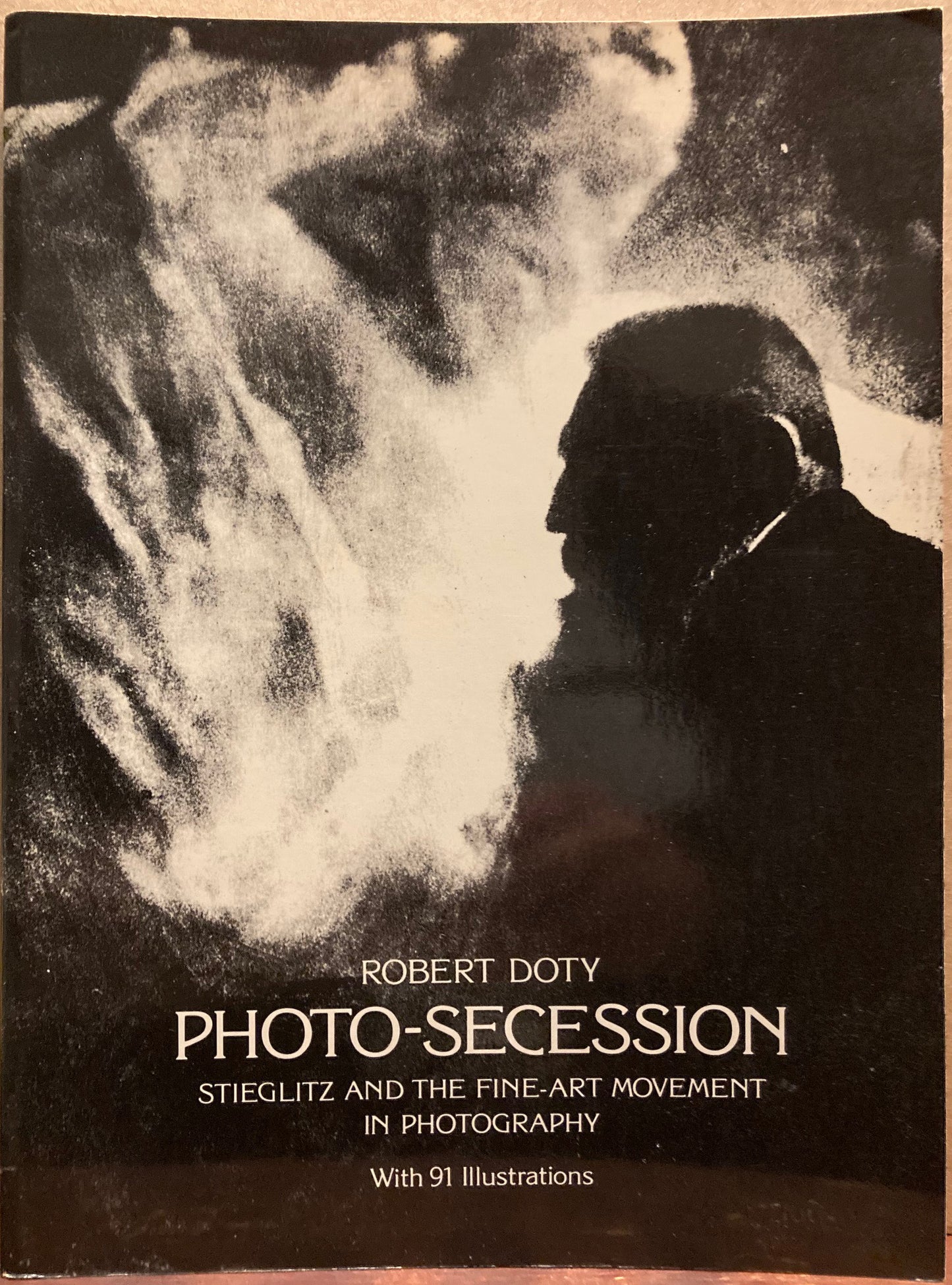
Photo-Secession. Photo-Secession: Stieglitz and the Fine Art Movement in Photography by Robert Doty.
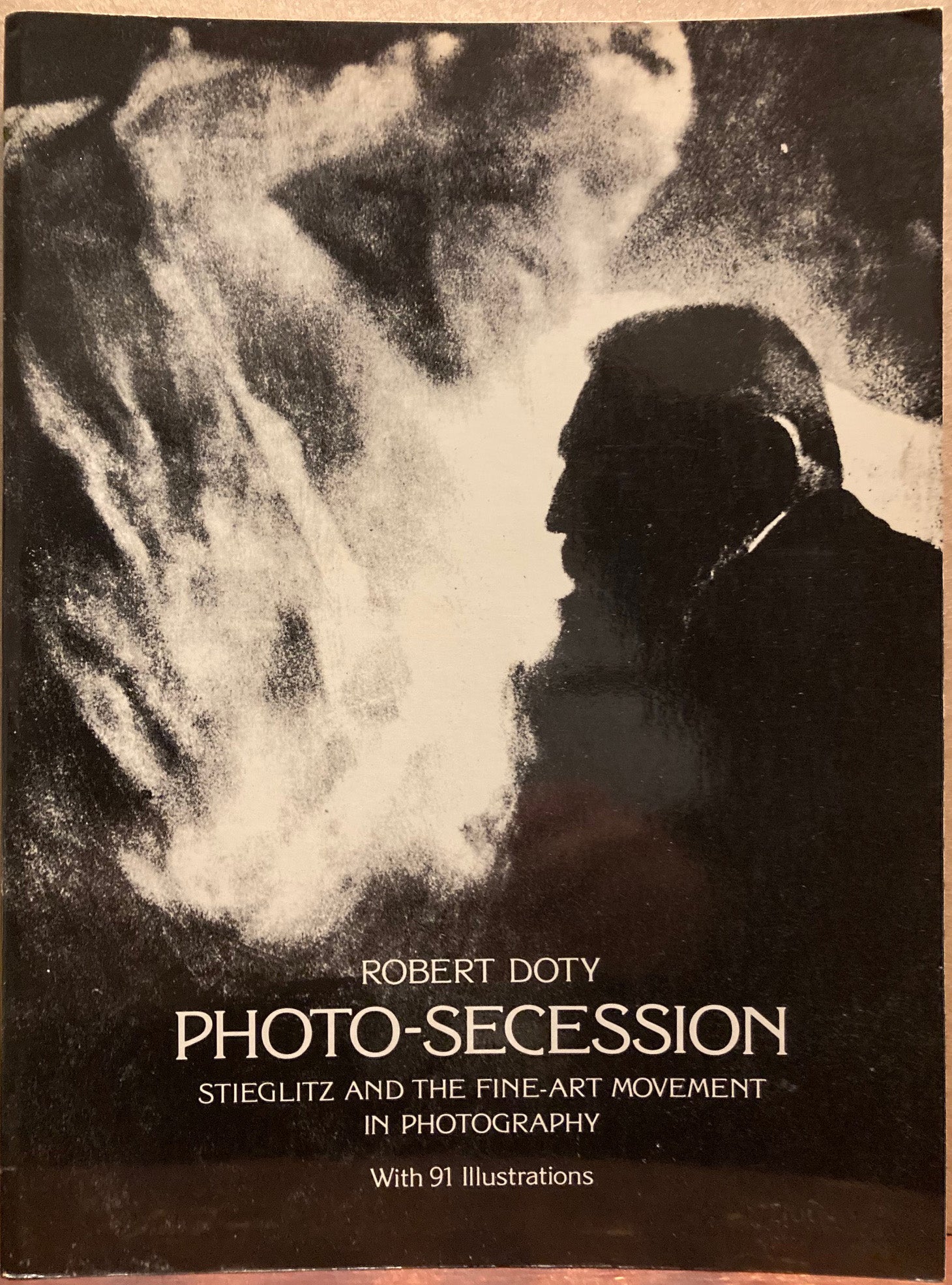
Photo-Secession. Photo-Secession: Stieglitz and the Fine Art Movement in Photography by Robert Doty.
受取状況を読み込めませんでした
With 91 illustrations. Dover, 1978. Revised and expanded edition of the first edition of 1960. This is an early or first printing of the 1978 edition with Dover list of photography books inside front cover down to Photography and the American Scene by Robert Taft; in later printings, the list extends onto the inside of the back cover. [This excellent reference includes subjects and dates of all exhibitions at "291" and a roster of all the members of the Photo-Secession.] A fine copy in wraps (not issued in hardcover). Summary:
Photo-Secession: Stieglitz and the Fine-Art Movement in Photography (originally published by the George Eastman House in 1960 and widely distributed via expanded Dover editions) is an essential, 140-page historical and critical study by art curator and historian Robert Doty. Featuring a foreword by foundational photography historian Beaumont Newhall, the volume stands as the definitive academic chronicle of the Photo-Secession—the rebellious early 20th-century American avant-garde movement that permanently established photography as a legitimate fine art.
Core Content & Historical Framework
1. The Rebellion Against Commercialism
The narrative begins by mapping out the late-19th-century photographic landscape, which was dominated by sterile commercial work and rigid, technical club competitions. Doty details how Alfred Stieglitz spearheaded a fierce revolt against these mainstream standards. The text outlines the founding of the Photo-Secession group in New York in 1902, tracing how a tight-knit circle of dedicated artists broke away from traditional institutions to demand that the camera be judged strictly as a tool for individual, subjective creative expression.
2. The Pictorialist Era and Elite Printmaking
A central pillar of the volume is its deep analysis of Pictorialism, the signature aesthetic strategy of the movement. Doty examines how these early masters sought to prove photography's artistic status by emulating the softer, atmospheric qualities of painting, etching, and drawing. The book includes over 30 high-quality monochrome plates that highlight the elite craftsmanship of the era, showcasing works by defining figures such as Stieglitz, Edward Steichen, Clarence H. White, Gertrude Käsebier, and Alvin Langdon Coburn. The text breaks down their mastery of intricate, hand-manipulated darkroom processes—including photogravure, platinum printing, and gum bichromate—to show how they elevated the physical print.
3. Promotional Engines: Camera Work and Gallery 291
The book provides an in-depth institutional history of the two main platforms that fueled the movement's success:
-
Camera Work: Doty analyzes this legendary, quarterly journal published by Stieglitz, which combined world-class photogravure plates with cutting-edge art criticism.
-
The Little Galleries of the Photo-Secession: Known popularly by its address, "291" on Fifth Avenue, this intimate space became the epicenter of the American avant-garde, introducing the public to Secessionist photography alongside radical European modern art by artists like Rodin, Matisse, and Picasso.
Robert Doty's Photo-Secession functions as a vital scholarly record of the exact moment photography bridged the gap between mechanical recording and high art. By combining rigorous historical research with a pristine catalog of vintage images, the monograph preserves the legacy of the visionary crusaders who fought for, and won, the medium's acceptance in the modern museum landscape.