Gary Saretzky Photo Books
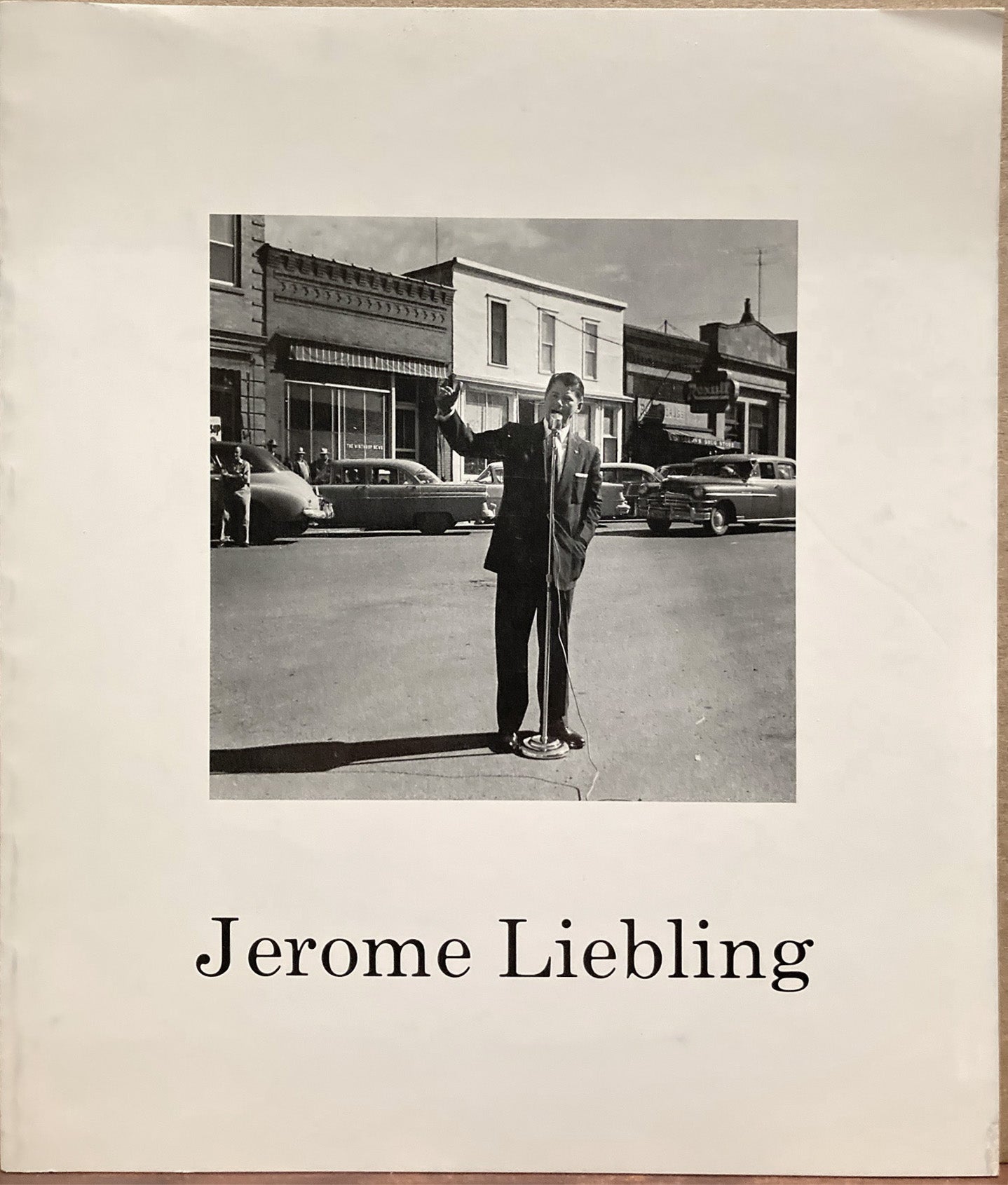
Liebling, Jerome. Jerome Liebling: Photographs 1947-1977.
Liebling, Jerome. Jerome Liebling: Photographs 1947-1977.
受取状況を読み込めませんでした
Essay by Estelle Jussim. Untitled 15. Friends of Photography, 1978. Very good with a bit of rubbing near spine and a shallow indented line on cover. Wraps, 54 pages. Includes black-and-white photographs from the series: College and Photo League; Early Minnesota; Slaughterhouse; Women; Blind; Politics; Spain; Cadavers; Handball; and South Bronx. Summary:
Jerome Liebling: Photographs 1947–1977 is a slim, influential monograph that serves as the 15th issue in the publisher's acclaimed Untitled series. Released in conjunction with a major retrospective exhibition of Liebling’s work, the volume catalogs three decades of his deeply empathetic, humanistic, and socially conscious photography.
Core Themes and Content
-
The Civic/Humanist Lens: Deeply influenced by his early involvement with the New York Photo League, Liebling approached his subjects not as a passive observer, but as a "civic photographer." His work focuses heavily on the resilience, dignity, and quiet struggles of everyday, working-class people, treating them with immense gravity rather than pity.
-
Thematic Portfolios: The book curates several of Liebling's most prominent photographic series spanning his 30-year career. These include:
-
Early Minnesota: Capturing the changing social and industrial landscape of the American Midwest.
-
Slaughterhouse: A gritty, visceral look at the brutal nature of physical labor and meat processing plants.
-
South Bronx & New York Streets: Returning to his roots to document urban poverty, street life, and the famous, hopeful imagery of neighborhood children.
-
Politics and Institutions: Unflinching explorations of power dynamics, public figures, and institutional environments, including series on the blind and medical cadavers.
-
-
Form Meets Function: Liebling's style seamlessly marries a strict Bauhaus-inspired formal design with a gritty, documentary ethos. The collection emphasizes strong geometric compositions, a stark mastery of light and shadow, and tight framing that forces the viewer into close intimacy with the subject matter.
-
Critical Commentary: The volume features a definitive introductory essay by respected photography historian and scholar Estelle Jussim, who contextualizes Liebling’s place within the trajectory of 20th-century American documentary photography.
The monograph is highly valued by collectors and scholars for cementing Liebling’s reputation as a master of direct, honest imagery that uncovers profound truth in the ordinary and often overlooked corners of American life.