Gary Saretzky Photo Books
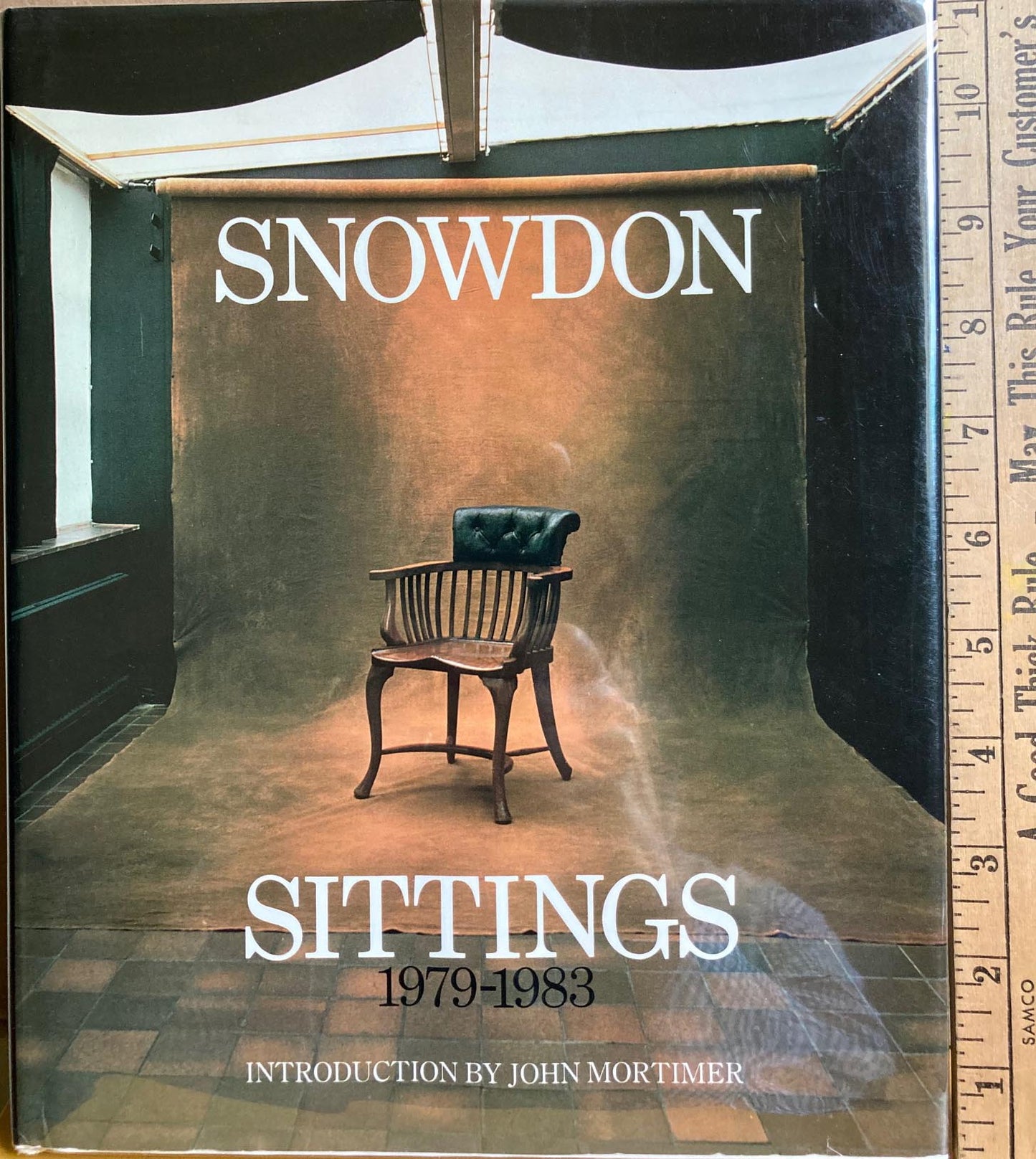
Snowdon. Snowdon Sittings, 1979-1983. Portraits by Antony Armstrong-Jones, 1st Earl of Snowdon (1930-2017).
Snowdon. Snowdon Sittings, 1979-1983. Portraits by Antony Armstrong-Jones, 1st Earl of Snowdon (1930-2017).
Impossible de charger la disponibilité du service de retrait
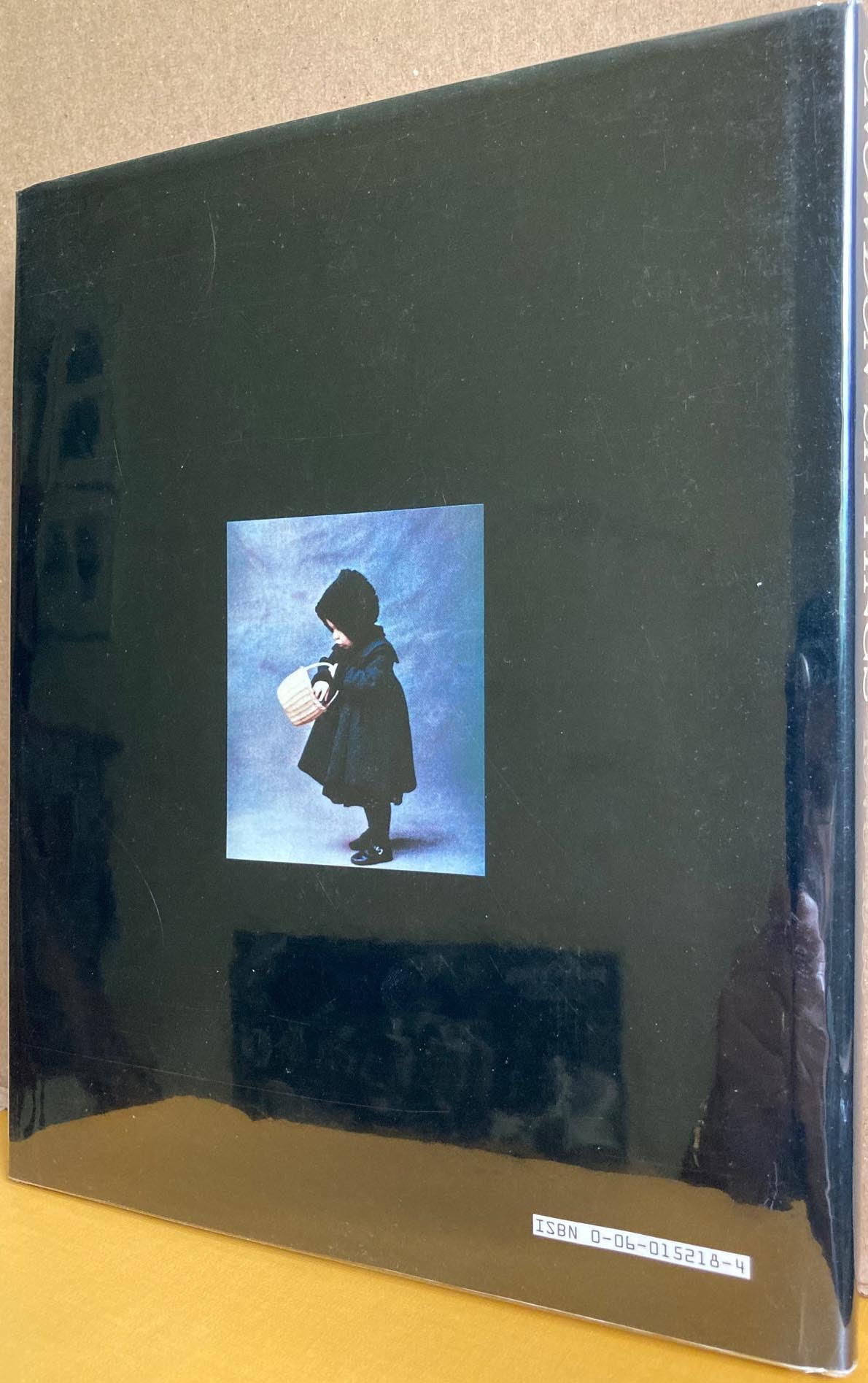
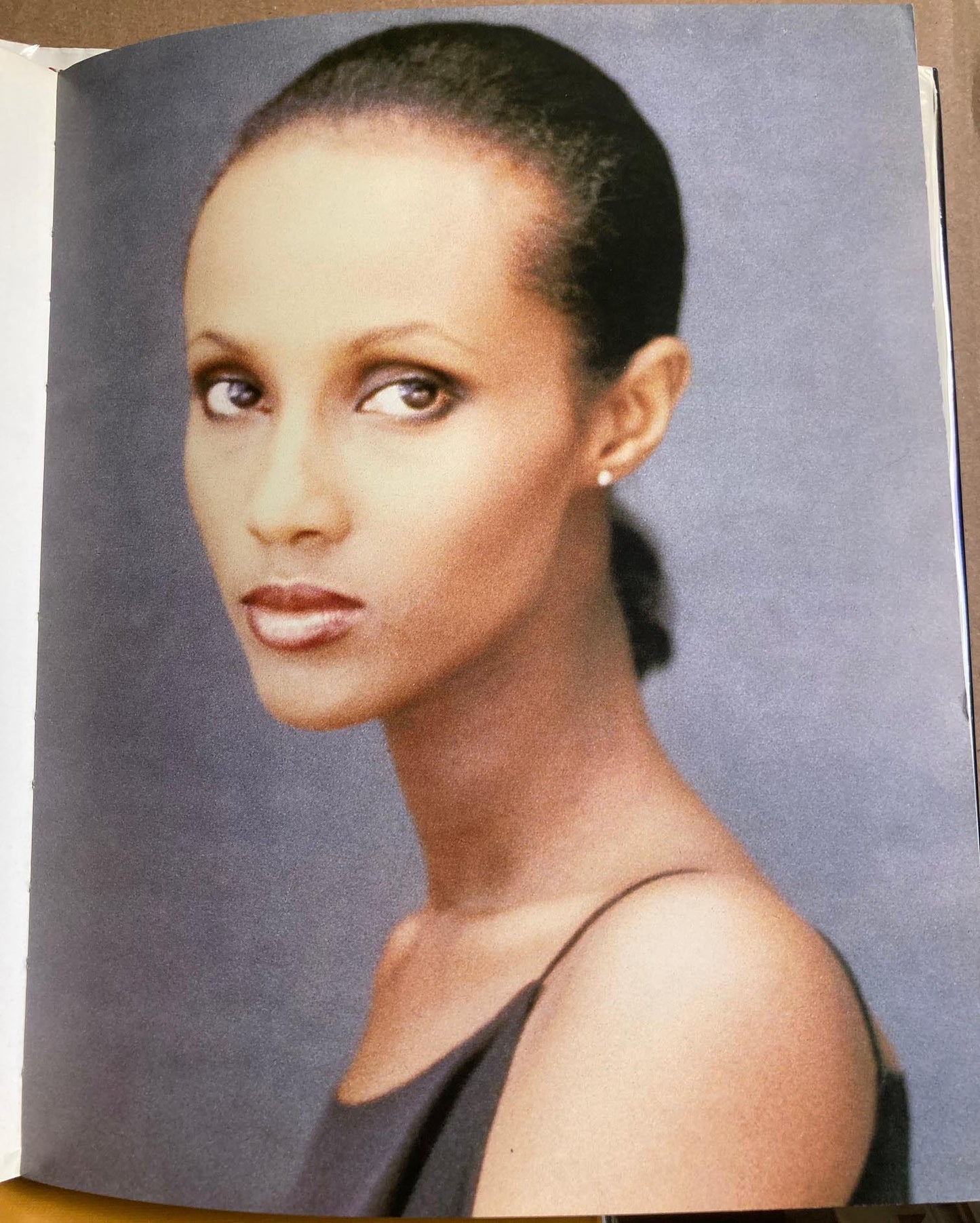
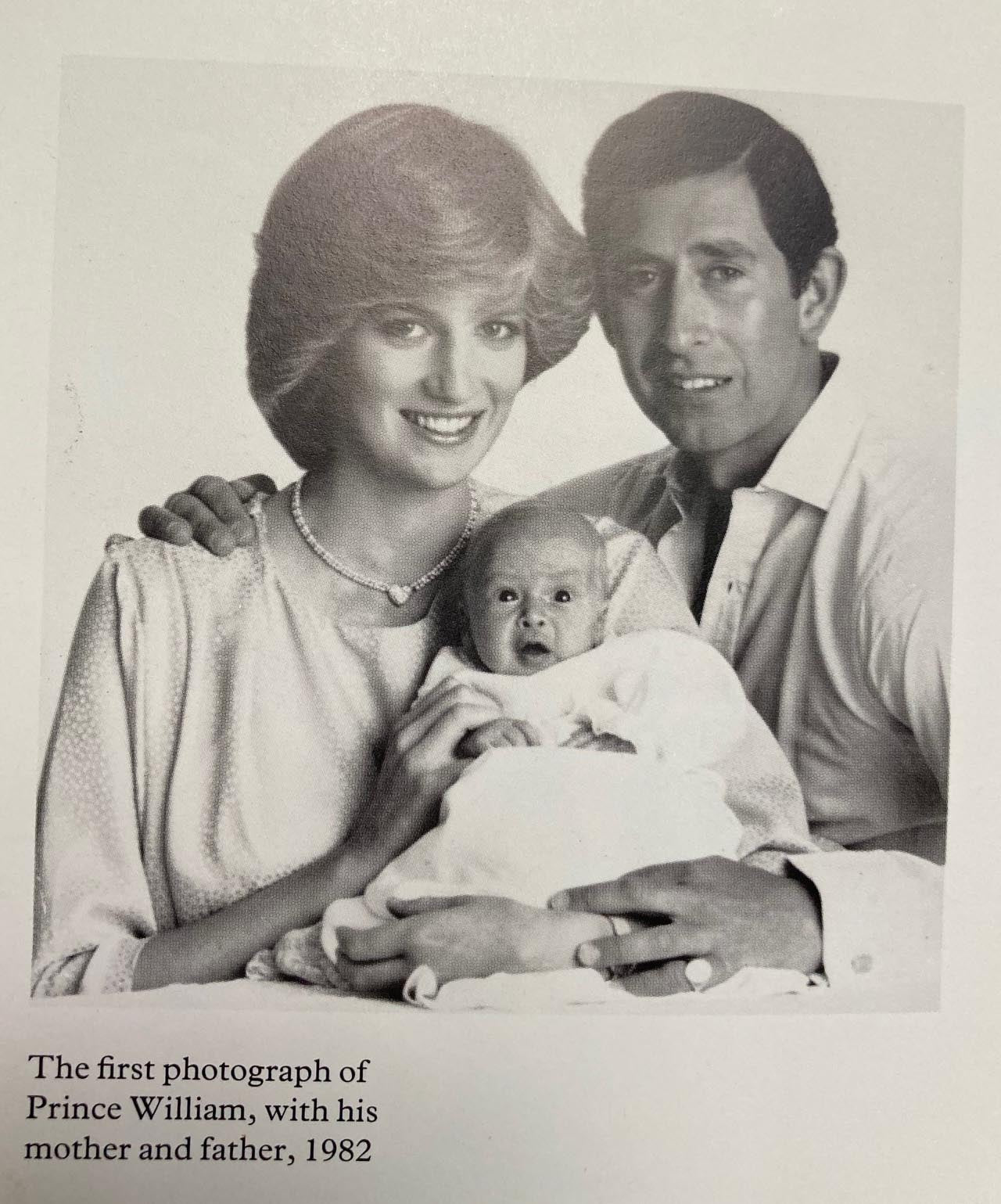
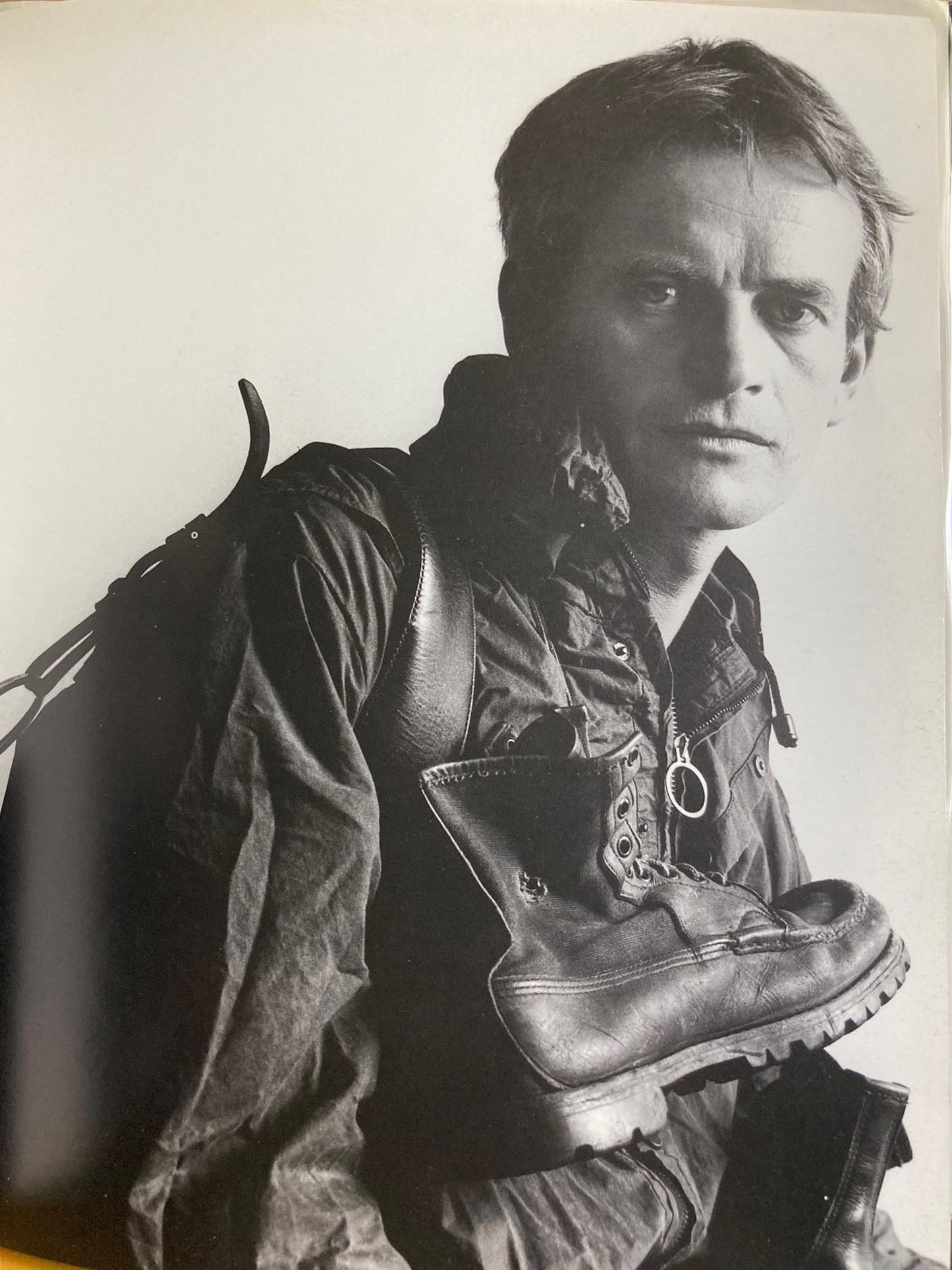
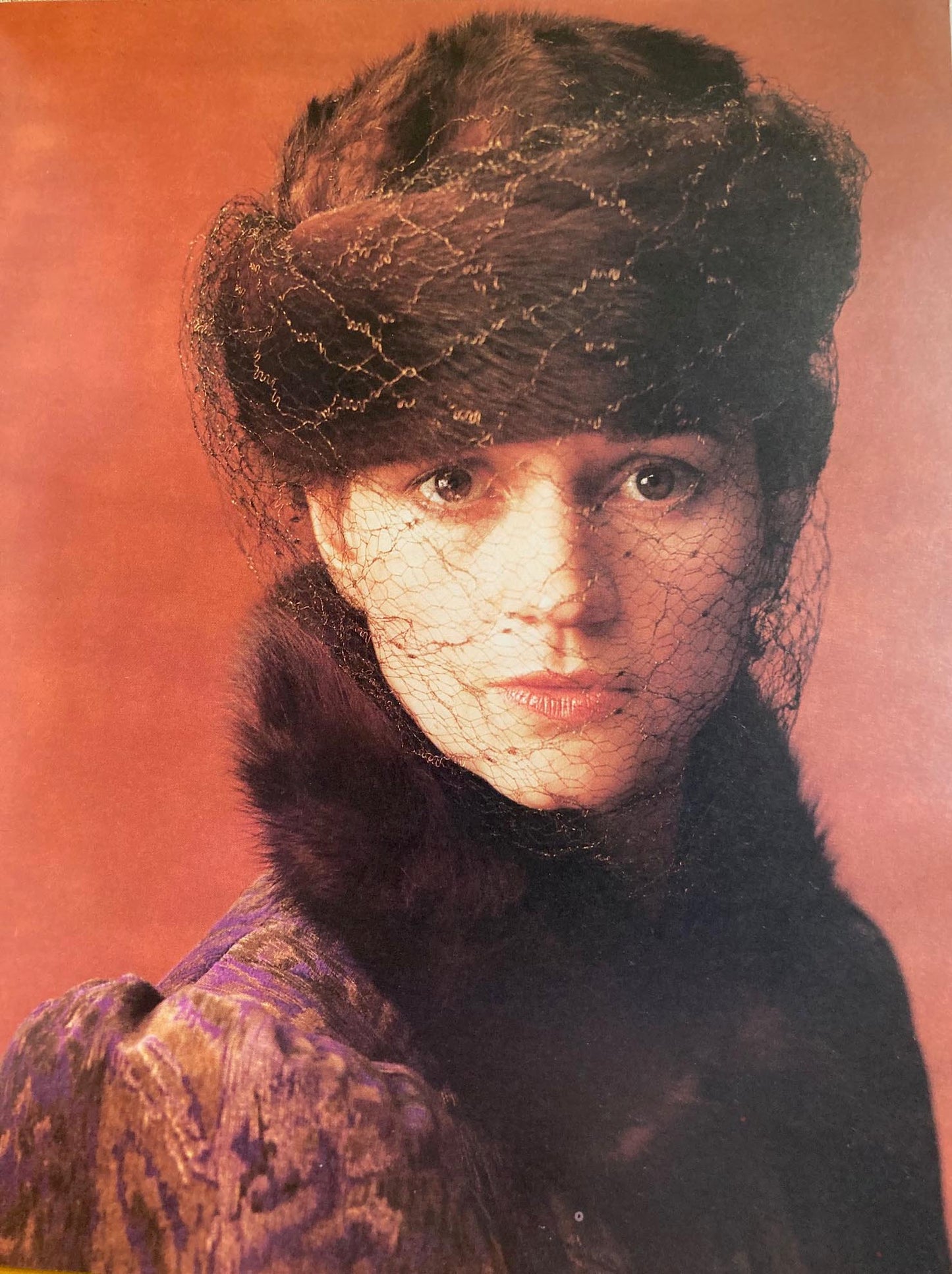
Introduction by John Mortimer. Harper and Row, 1983. First U.S. edition in gray cloth with protected dust jacket. Ex-library with usual evidence including tape shadows on the cloth from tape used to affix former dust jacket protector, which has been replaced. Dust jacket is fine with no spine label. One signature a bit shaky, otherwise very good. Snowdon, whose first wife was Princess Margaret, was a highly successful portrait photographer. This book is a fine collection of his color and black-and-white portraits of notable people in the arts and public life, including Laurence Olivier, Yehudi Menuhin, Rudolf Nureyev, Erté, Meryl Streep, Sir John Betjeman, Ingrid Bergman, Alec Guiness, Sebastian Co, Margaret Thatcher, Prince Charles, Ralph Richardson, Paul Scofield, Frank Bruno, Auberon Waugh, Andres Segovia, J.B. Priestly, Dame Rebecca West, Angus McBean, Vladimir Horowitz, Ben Travers, Yves Saint Laurent, Judy Davis, Iman Haywood, Jeremy Irons, and many others. 144 pages.
Antony Armstrong-Jones, 1st Earl of Snowdon (1930–2017) was an influential English photographer, photojournalist, and documentary filmmaker whose dynamic, informal approach transformed British society portraiture and fashion photography. Educated at Eton and Cambridge, Armstrong-Jones began his career in the early 1950s capturing theater, fashion, and high-society portraits, developing a theatrical yet intimate style that moved away from rigid, formal studio conventions. catapulted to international public prominence following his 1960 marriage to Princess Margaret—making him the Earl of Snowdon—he leveraged his platform to produce groundbreaking work as a picture editor and photographer for The Sunday Times Magazine throughout the 1960s and 1970s. Utilizing compact 35mm cameras, he created striking, psychologically revealing portraits of world leaders, artists, and cultural icons—including David Bowie, Princess Diana, and Laurence Olivier—alongside raw documentary studies on social issues, mental health care, and disability. Honored with international exhibitions, an Emmy Award for documentary filmmaking, and permanent inclusion in the National Portrait Gallery, Lord Snowdon remains a defining figure of mid-to-late 20th-century British visual culture.
Snowdon Sittings, 1979–1983 (1983) is a celebrated portrait photography monograph by Antony Armstrong-Jones (1st Earl of Snowdon), published by Weidenfeld & Nicolson in the UK and Harper & Row in the US.
Overview & Core Subject
-
High-Profile Subjects: The collection features intimate, monochrome and color studio portraits capturing prominent cultural figures, artists, writers, actors, politicians, and members of royalty during the late 1970s and early 1980s.
-
Featured Personalities: Key sitters include cultural icons such as Laurence Olivier, David Hockney, Diana, Princess of Wales, John Betjeman, Anthony Burgess, Agatha Christie, and various British political and arts leaders.
Key Themes & Artistic Style
-
Psychological Depth and Economy: Unlike formal state or commercial portraiture, Lord Snowdon's style is marked by a minimalist setting, clever use of natural and direct light, and an ability to put subjects at ease to reveal their authentic, often vulnerable personalities.
-
Editorial Versatility: The collection highlights Snowdon’s long-standing work for major publications like The Sunday Times Magazine and Vogue, showcasing his sharp editorial eye for combining theatrical character with candid realism.
-
Documenting a Cultural Epoch: Beyond individual portraits, Snowdon Sittings serves as a visual chronicle of Britain's artistic, political, and social elite during a pivotal turn-of-the-decade transition.