Gary Saretzky Photo Books
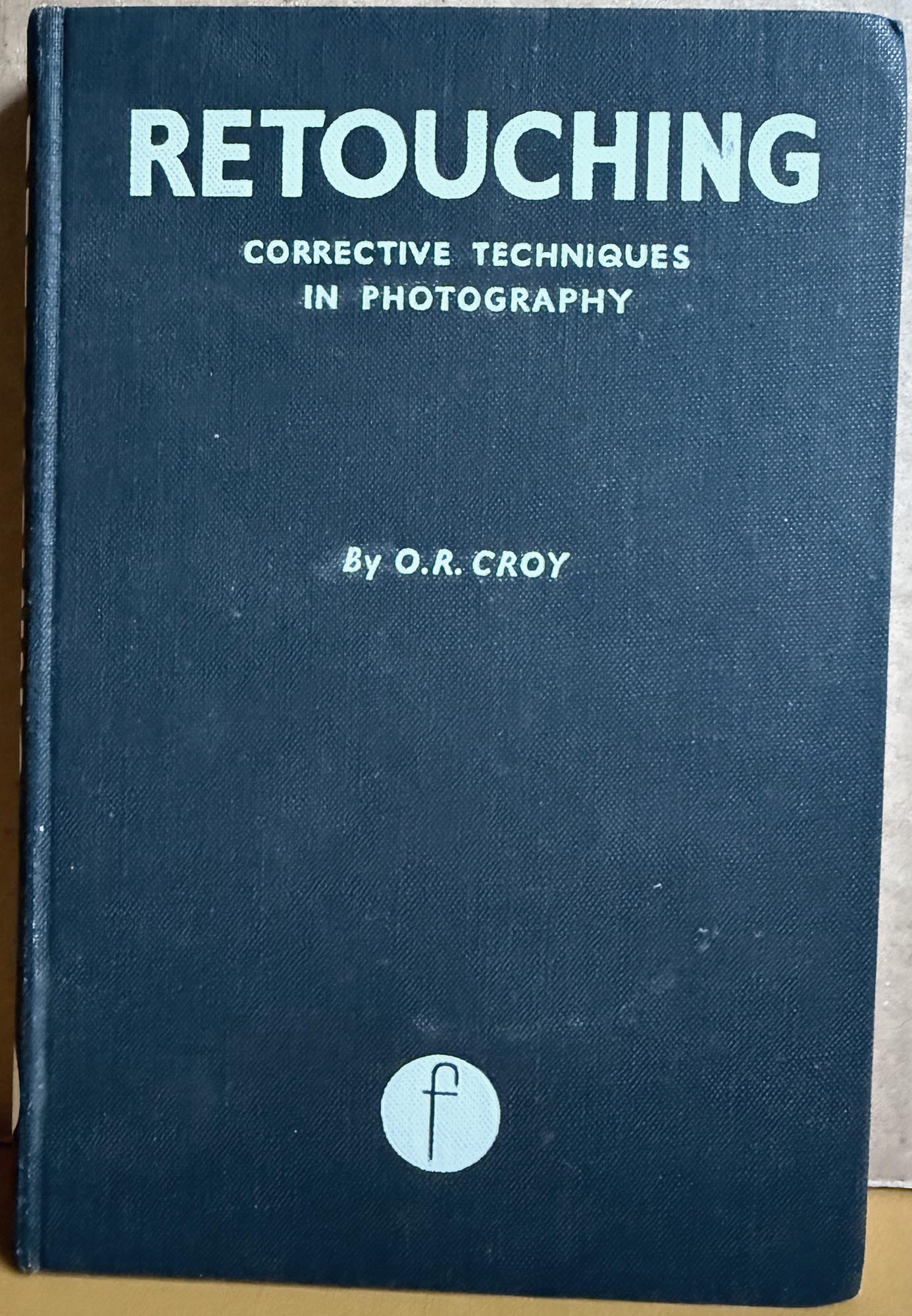
Retouching: Corrective Techniques in Photography by O.C. Croy.
Retouching: Corrective Techniques in Photography by O.C. Croy.
Impossible de charger la disponibilité du service de retrait
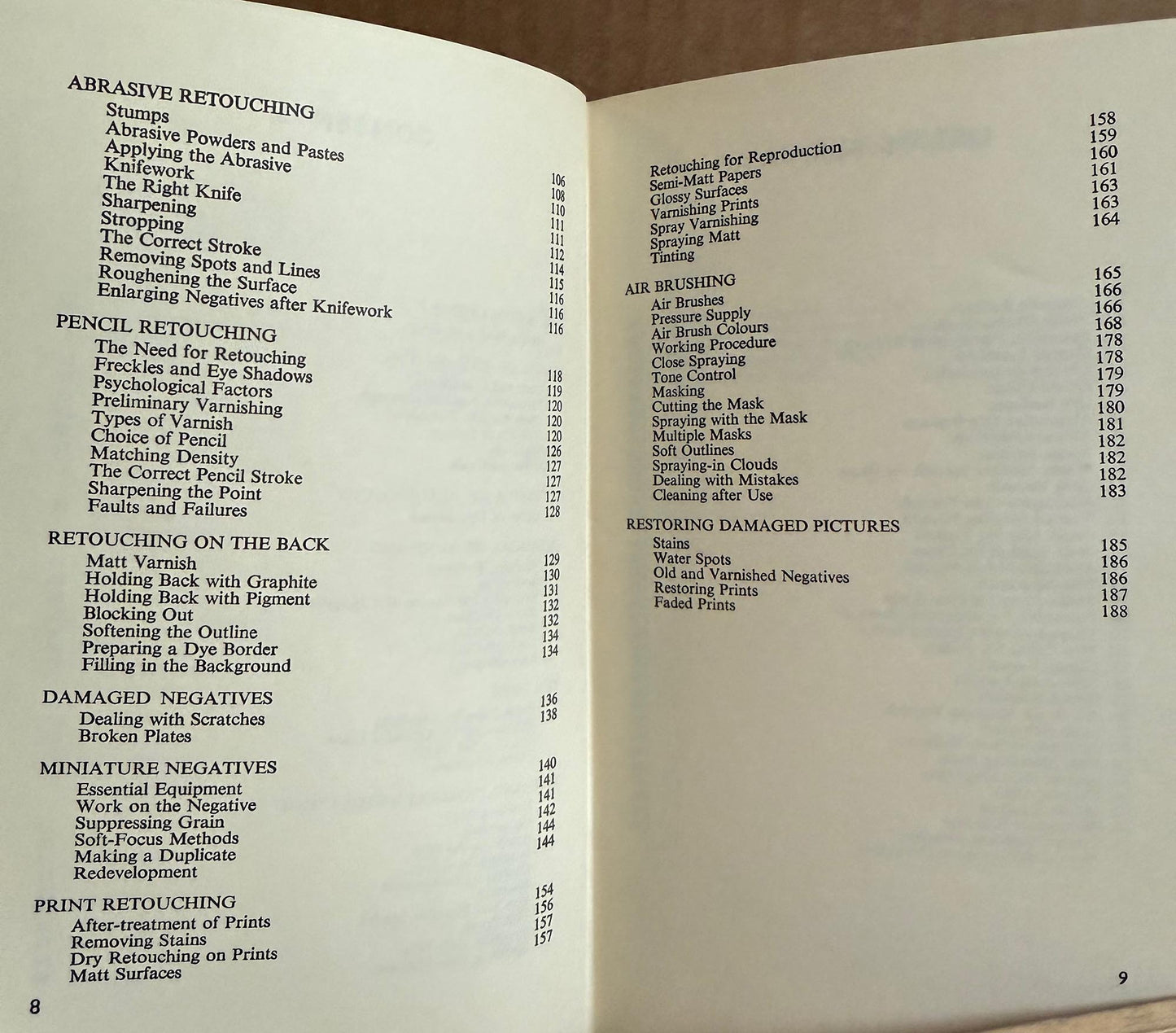
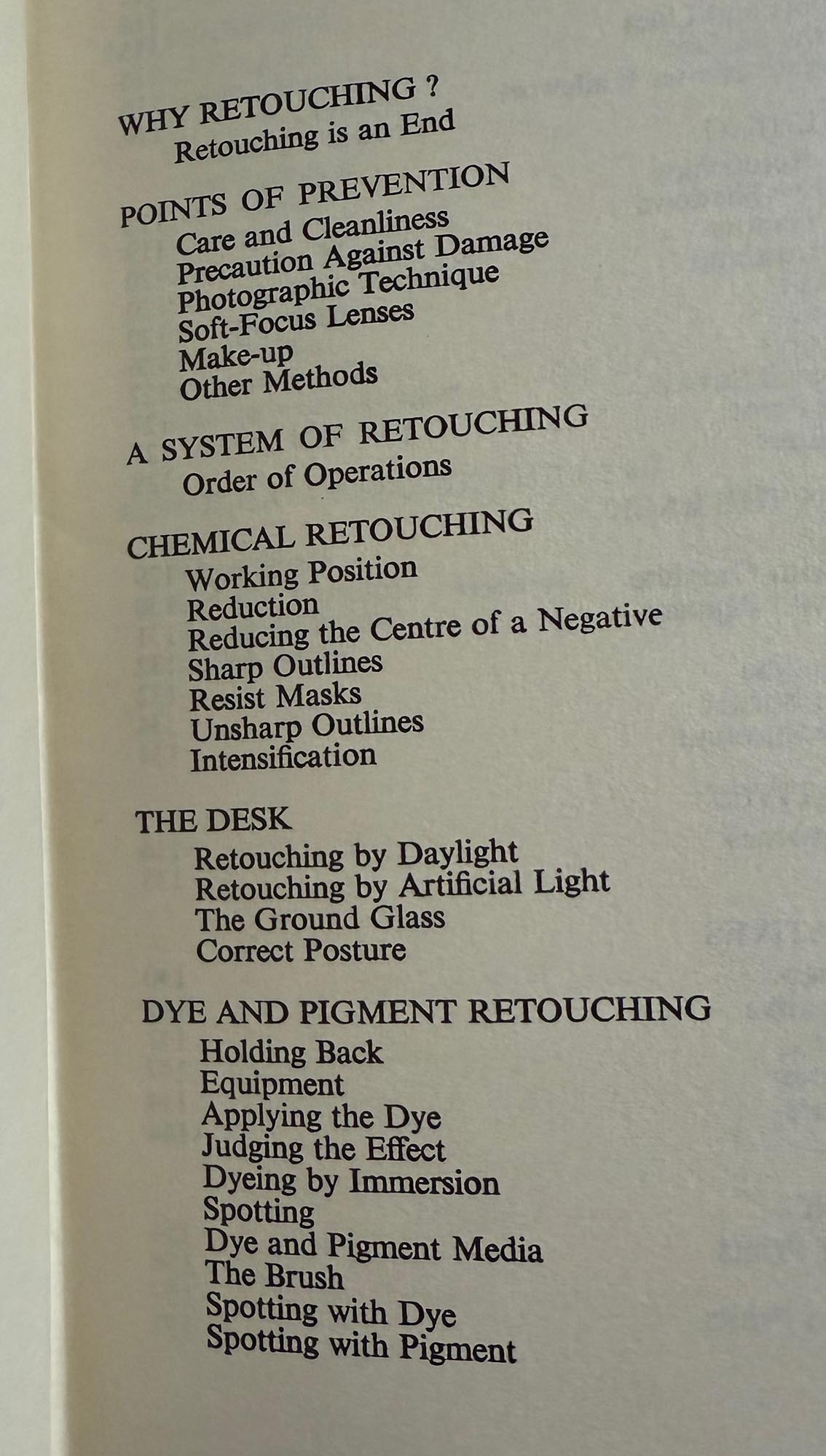
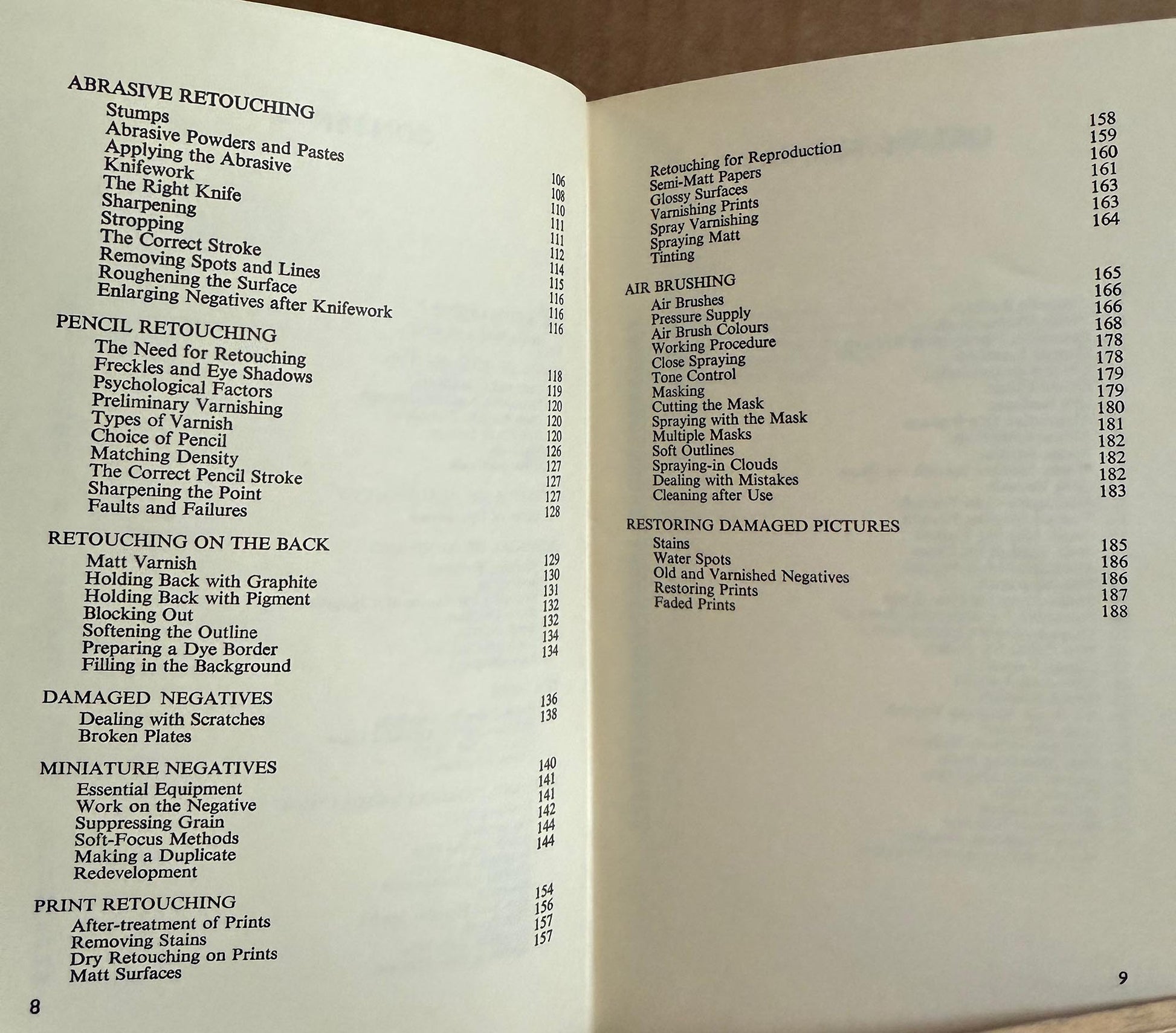
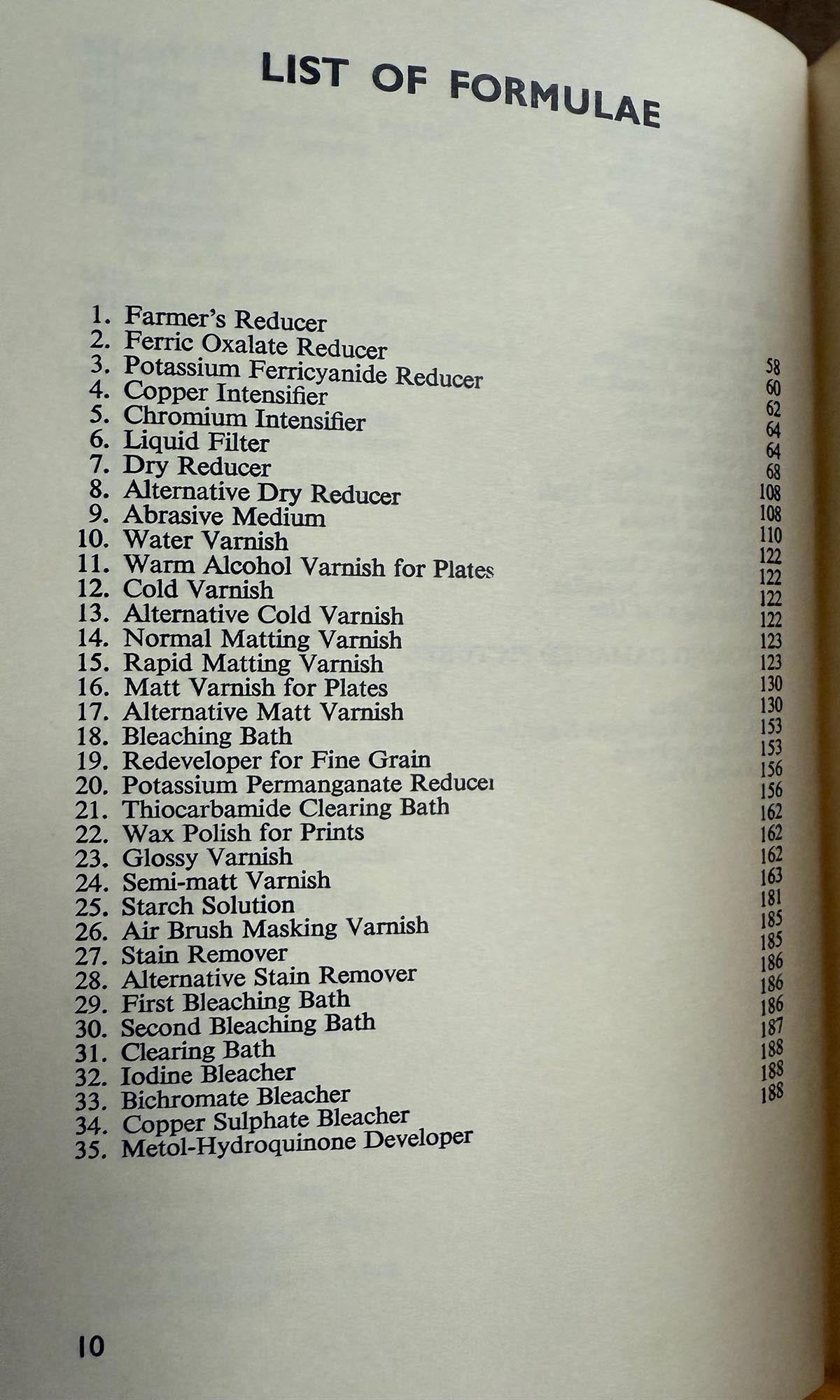
Focal Press, 1957. First impression of second edition (no later printings indicated, was reprinted). 200 pages. Black hardcover in cloth, lacks dust jacket, very good, small stains on flyleaves and fore edge. Includes chemical formulas for stain removal but did not try them on book. Includes retouching with chemicals, dyes, pigments, abrasion, pencil, etc., for negatives and prints. See photos of table of contents for details. Uncommon book for analog photography. Summary:
Retouching: Corrective Techniques in Photography by O. C. Croy (often listed as Otto R. Croy) — second edition — is a detailed practical manual on photographic retouching and correction aimed at photographers, photo-technicians, and darkroom specialists working with traditional film and print processes. It was published as part of the Manual of Photo-Technique series and went through several editions in the mid-20th century as a trusted reference on this topic.
📘 Purpose and Focus
The book serves as a comprehensive how-to guide for correcting flaws and imperfections in photographic images, whether present in the original negative, introduced during processing, or revealed during printing. It emphasizes hands-on retouching techniques that improve overall image quality, restore damaged areas, and optimize final prints for presentation. While rooted in analog methods, much of its underlying approach reflects the craftsmanship and precision required in traditional photography.
📸 Core Content and Techniques
Though detailed chapter listings aren’t widely available online, Retouching typically covers:
-
Darkroom Retouching: Techniques for altering negatives and prints to correct exposure issues, remove unwanted marks, and adjust local contrast.
-
Spotting and Cleaning: Practical methods for eliminating dust, scratches, blemishes, and other imperfections that can occur on film or paper.
-
Chemical Correction: Use of bleach, stains, dyes, and other chemical agents to improve or restore image areas without compromising overall print quality.
-
Detail Enhancement: Instructions on refining fine details, controlling tonal transitions, and preserving natural texture while correcting flaws.
-
Tools & Materials: Guidance on brushes, pencils, magnification, and other darkroom tools essential for precise corrective work.
📚 Approach and Style
The book is written as a practical reference rather than a narrative history or philosophical discussion. It provides illustrated step-by-step demonstrations (often with accompanying photographic examples) that let readers replicate time-tested retouching methods. The tone is instructional and focused on real-world application, reflecting the era before digital image editing became widespread.
📑 Significance for Photographers
At the time of its publication, this manual was widely used by professionals and serious amateurs to master the nuances of image correction in darkrooms and studios, helping photographers learn how to make imperfect images look finished and professional — a skill that, while superseded in many ways by digital tools today, remains relevant for those working with analog processes.