Gary Saretzky Photo Books
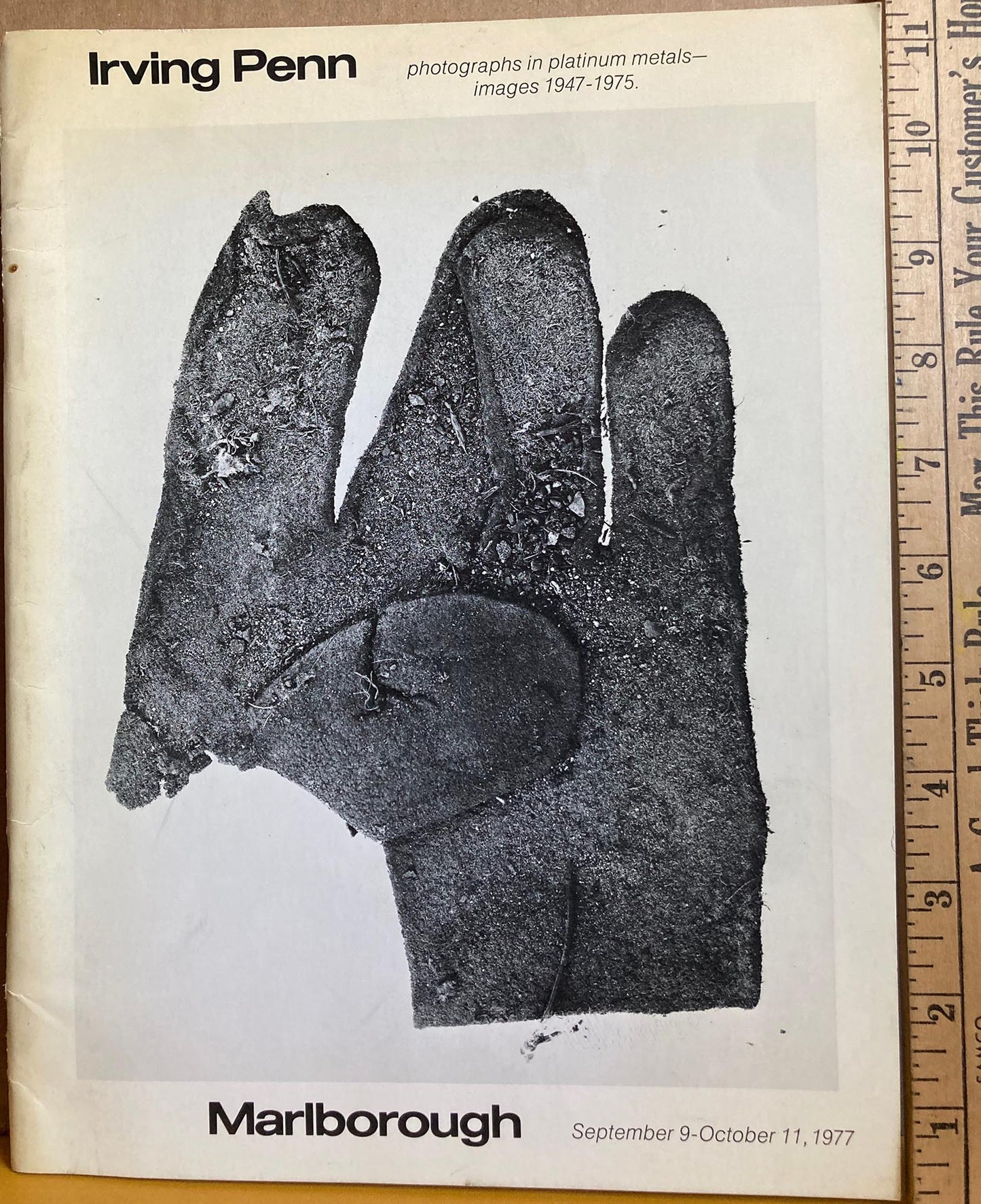
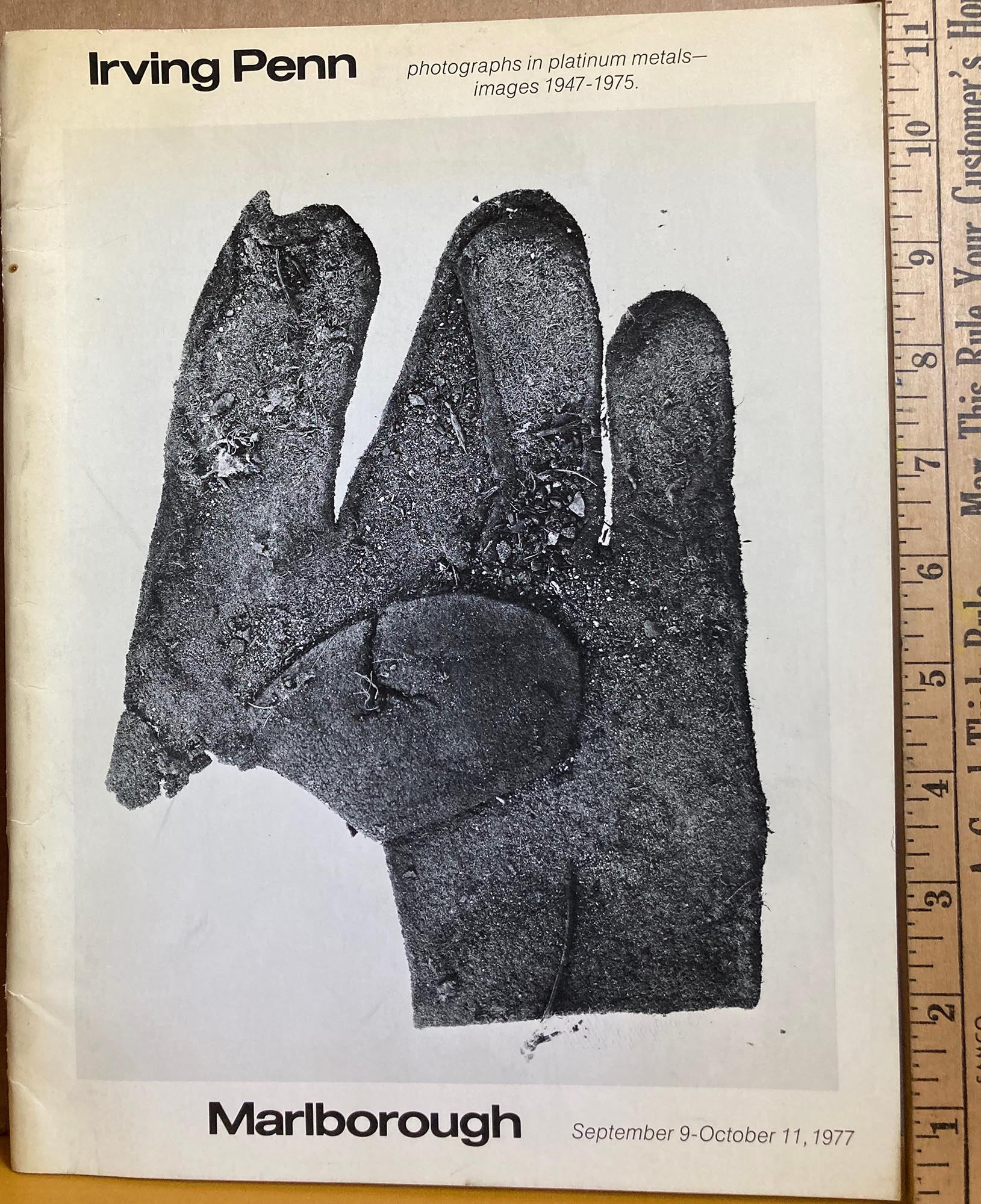
Penn, Irving. Irving Penn. Photographs in Platinum Metals – Images 1947–1975. Marlborough, September 9-October 11, 1977.
Penn, Irving. Irving Penn. Photographs in Platinum Metals – Images 1947–1975. Marlborough, September 9-October 11, 1977.
Impossible de charger la disponibilité du service de retrait
Marlborough Gallery, 1977. Texts by Irving Penn, Henry Geldzahler; John Szarkowski; and Alexander Liberman, the last an excerpt from his essay in Moments Preserved (1960). Wraps, stapled, good with two crimps and signs of use along spine. Exhibition list of 126 images, some of which are reproduced in this catalog. 32 pages. Not issued with ISBN number. Summary:
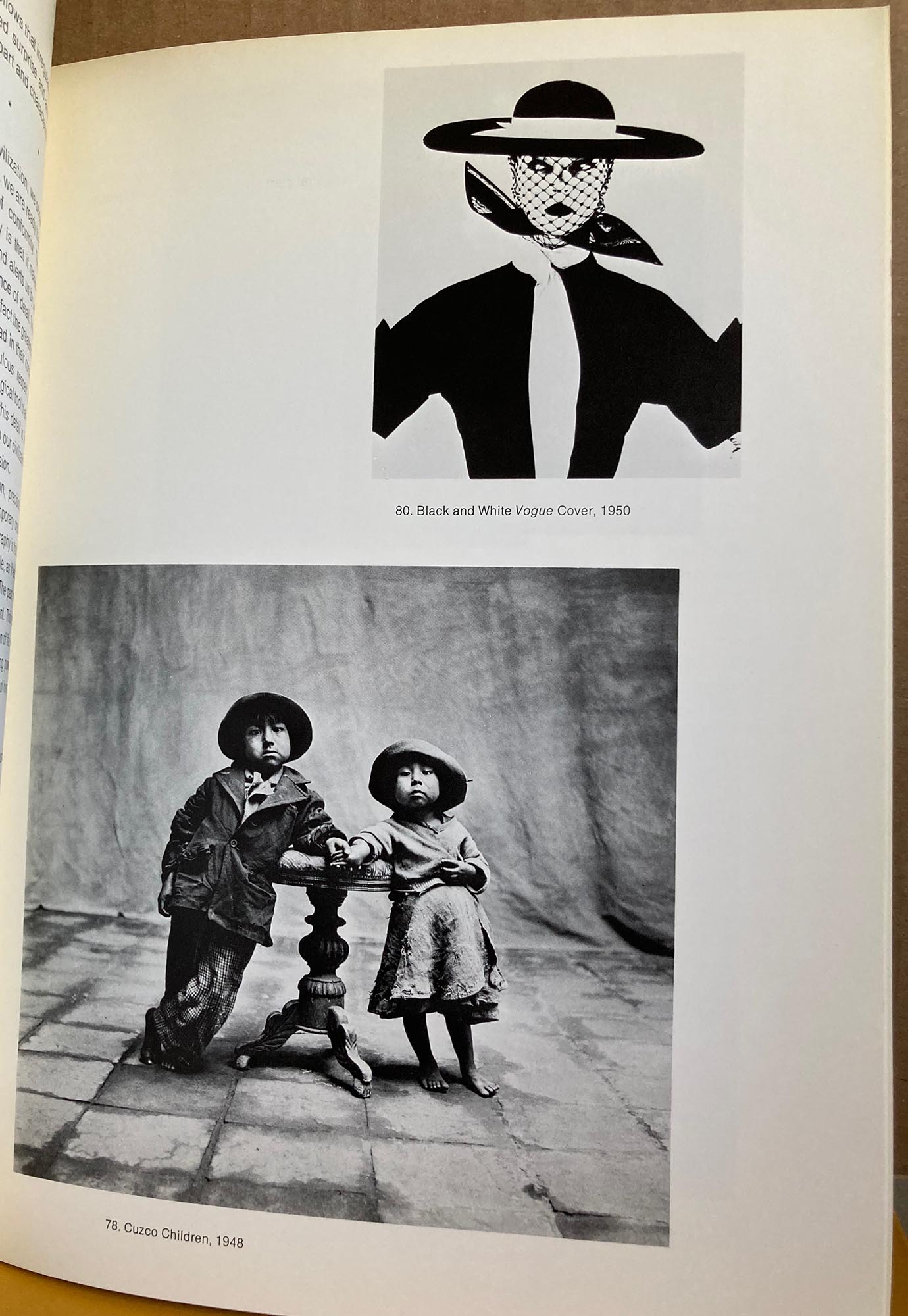
The catalogue was produced to accompany the Marlborough Gallery exhibition Irving Penn: Photographs in Platinum Metals – Images 1947–1975, which presented a focused selection of Penn’s platinum and platinum-palladium prints created over nearly three decades. The book (about 32 pages) includes a prefatory note by Irving Penn himself along with additional texts by prominent photography figures such as Henry Geldzahler and John Szarkowski, offering critical context and insight into Penn’s artistic choices and the significance of the platinum process in his work.
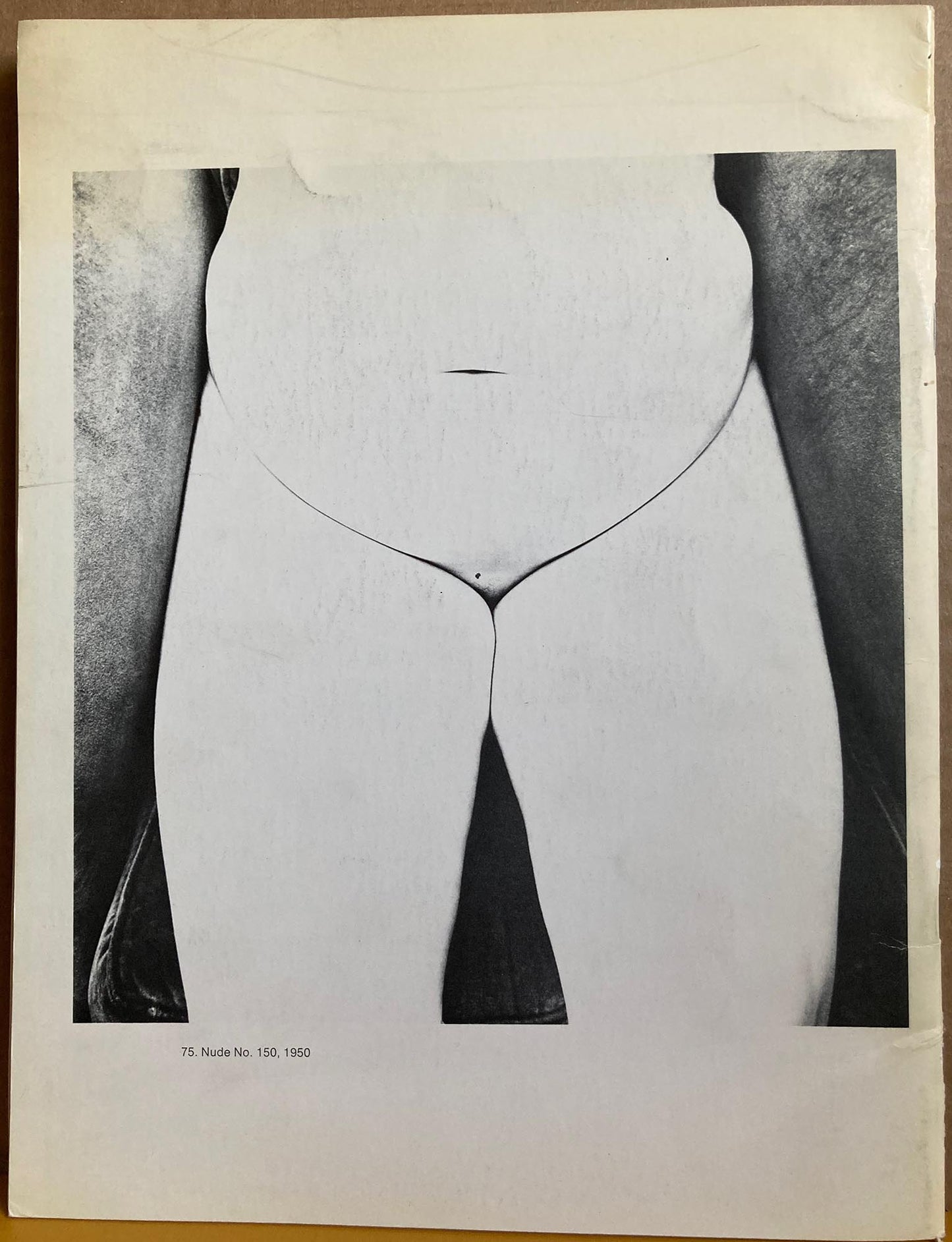
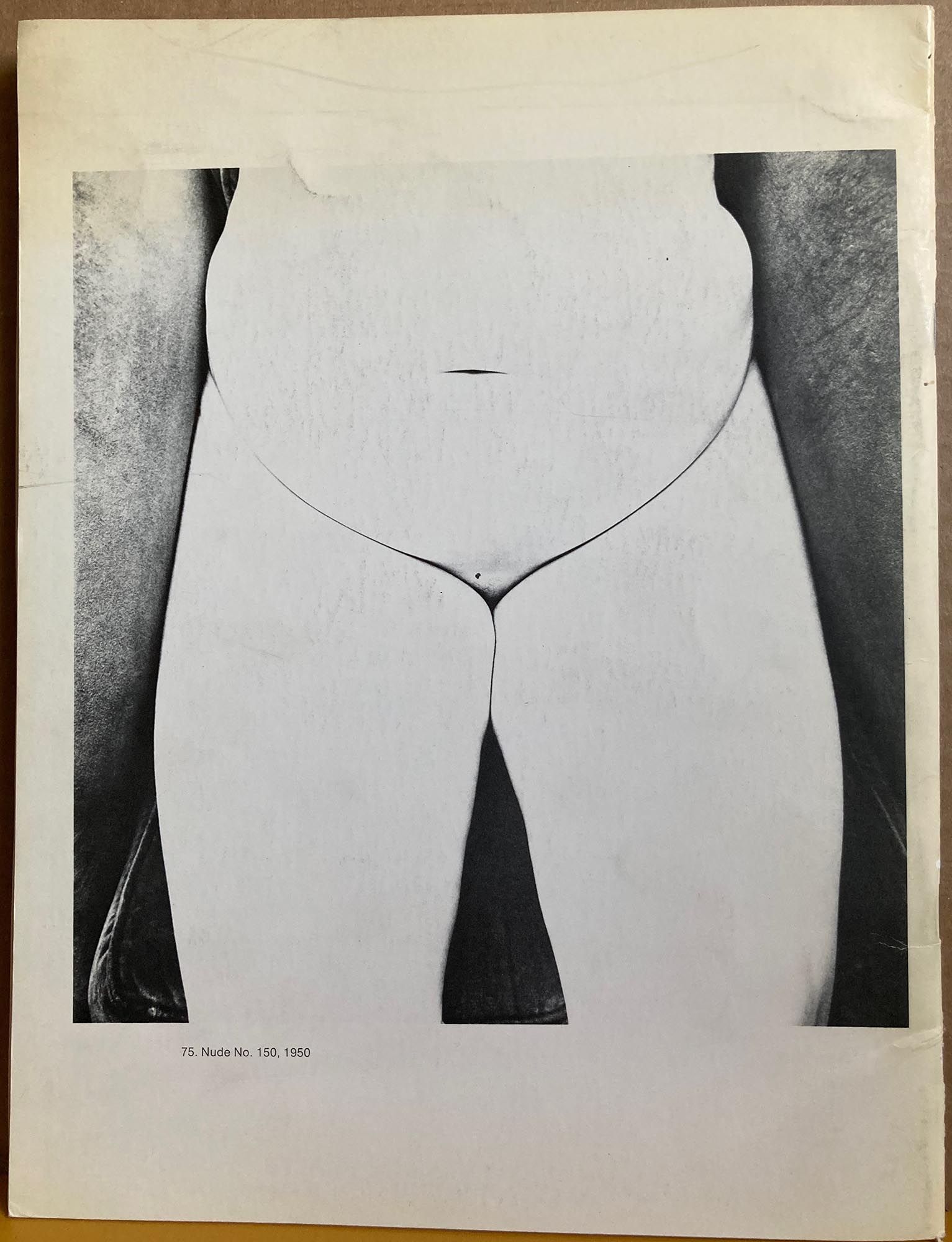
Printed throughout with black-and-white reproductions of the exhibited photographs, the catalogue showcases examples of Penn’s experiments with the platinum metals process, a medium he favored for its rich tonal range, depth, and subtle surface qualities. The images selected span from 1947 through 1975 and reflect the range of Penn’s subjects—still lifes, portraits, and found objects—rendered with technical mastery and formal precision that distinguished his fine art prints from his well-known commercial fashion work.
A checklist of works is included at the end of the catalogue, documenting the prints shown in the exhibition, and the accompanying essays help articulate the aesthetic and technical considerations behind Penn’s use of platinum metals—a technique that became a defining feature of his later artistic practice.
Overall, the catalogue serves both as an illustrated record of the exhibition and as a concise interpretive guide, situating the featured platinum prints within Penn’s broader photographic oeuvre and highlighting the significance of his printmaking innovations.
Irving Penn (1917–2009) was one of the most influential American photographers of the 20th century, celebrated for revolutionizing fashion photography, portraiture, and still life through his striking, minimalist aesthetic. Trained in painting and design under Alexey Brodovitch at the Philadelphia Museum School of Industrial Art, Penn began his iconic six-decade relationship with Vogue magazine in 1943 under art director Alexander Liberman. Renowned for stripping away theatrical backdrops in favor of plain paper Seamless rolls or stark V-shaped corners, he isolated his subjects—ranging from cultural titans like Pablo Picasso and Truman Capote to Peruvian peasants, Tradespeople, and model Lisa Fonssagrives, whom he married—to reveal their quiet, psychological essence. Alongside his commercial and editorial assignments, Penn was a master craftsman who pioneered the revival of 19th-century platinum-palladium printing techniques, creating exquisite, highly tactile prints of everything from high fashion to found urban debris like discarded cigarette butts. His rigorous formal discipline, precise composition, and mastery of natural northern studio light redefined photographic beauty and cemented his legacy as a titan of both commercial art and fine art photography.